Queen Victoria came to the throne on 20 June 1837 and reigned for 63 years. Her reign is known as the Victorian era, a time of great change in industry and science. If you could visit, you would see some very familiar things being tried for the very first time.
Getting around
The Victorians changed the way people travelled, above the ground and below it.
- 1858: Isambard Kingdom Brunel’s giant iron steamship, the Great Eastern, was launched on the River Thames. It was by far the largest ship ever built at the time and could carry 4,000 passengers.
- 1863: the world’s first underground railway for passengers opened in London, between Paddington and Farringdon Street. Its gas-lit wooden carriages were pulled by steam locomotives.
- 1868: the first traffic lights were put up outside the Palace of Westminster. They looked like railway signals and were lit at night by red and green gas lamps.
- 1885: Blackpool opened what is described as the first practical public electric tramway in the world. Trams still run on the line.
- 1890: the world’s first successful deep-level “tube” railway opened in London. It was the first major railway to use electric power to pull its trains.
Not everyone kept to the rules. In 1896, Walter Arnold of East Peckham in Kent became the first person to be convicted of speeding. He had been driving at 8 mph when the speed limit was just 2 mph, and he was fined one shilling.
- 5 Feb 1840 Born: John Boyd DunlopJohn Boyd Dunlop was a Scottish inventor and vet who spent most of his working life in Ireland. He invented practical pneumatic tyres, which are fill…
- 31 Jan 1858 Brunel's giant steamship Great Eastern is finally launchedThe SS Great Eastern, an iron steamship designed by Isambard Kingdom Brunel, was launched at Millwall on the River Thames in London. It was by far th…
- 29 Dec 1860 HMS Warrior, the first iron-hulled armoured warship, is launchedHMS Warrior was launched for the Royal Navy during the coldest winter for 50 years. She and her sister ship, HMS Black Prince, were the first warship…
- 8 Nov 1861 The Trent Affair brings Britain and the USA close to warDuring the American Civil War, the US warship San Jacinto stopped the British mail ship Trent. The Americans took away two envoys, or official messen…
-
10 Jan
1863 The world's first underground railway opens in LondonThe Metropolitan Railway opened to the public between Paddington and Farringdon Street in London. It was the world's first underground railway for pa…
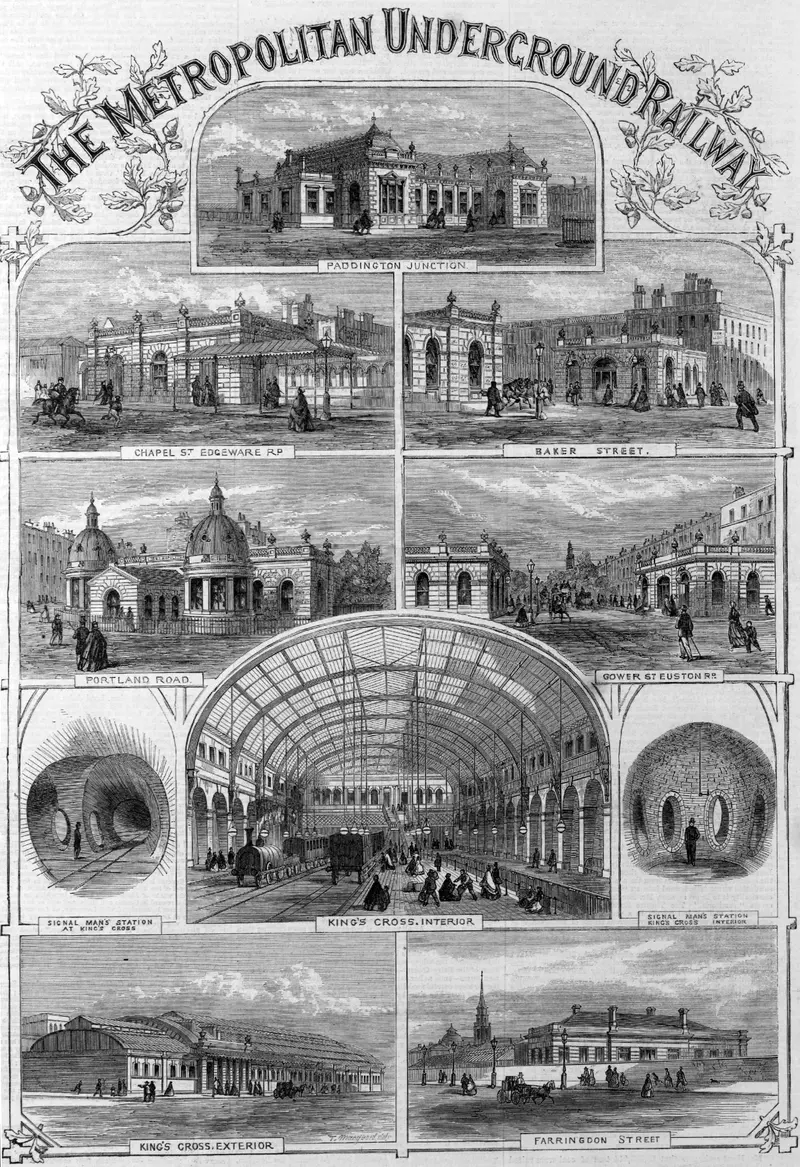
Photo: Unknown (illegible), Public domain
- 12 Jan 1866 The world's oldest society for flight is founded in LondonThe Aeronautical Society of Great Britain was founded in London. Aeronautics is the science of flight, and this is the oldest aeronautical society in…
- 1 Oct 1868 St Pancras railway station opens in LondonSt Pancras railway station opened to the public in London. It stands on Euston Road, beside the British Library. Now called St Pancras International,…
- 9 Dec 1868 The world's first traffic lights are put up in LondonThe first traffic lights were installed outside the Palace of Westminster in London, where Parliament meets. They looked like railway signals, with a…
-
22 Nov
1869 The tea clipper Cutty Sark is launched in ScotlandThe tea clipper Cutty Sark was launched at Dumbarton, on the River Leven in Scotland. Clippers were sailing ships designed for speed, and Cutty Sark …
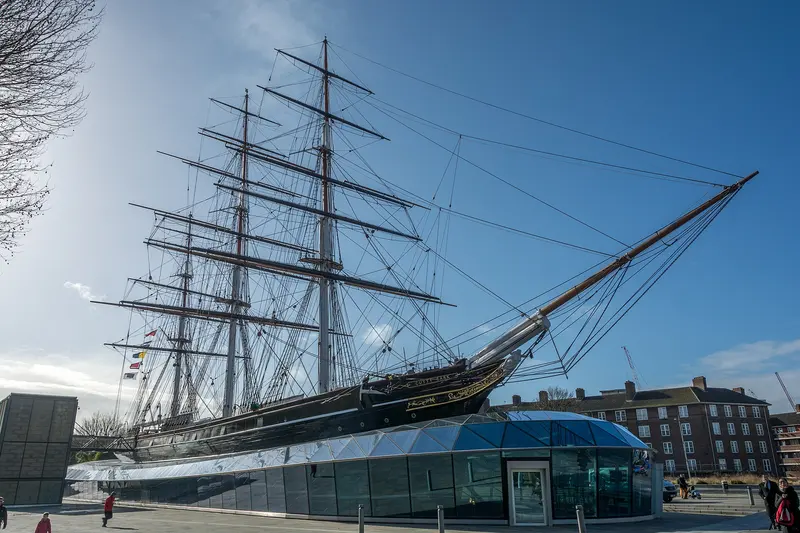
Photo: Krzysztof Belczyński from Warsaw, POLAND, CC BY-SA 2.0
- 4 Nov 1884 Born: Harry FergusonThe Irish engineer and inventor Harry Ferguson was born. He played a big part in developing the modern farm tractor, including its ‘three-point linka…
-
29 Sep
1885 Blackpool opens the world's first practical electric tramwayAn electric tramway opened in Blackpool, Lancashire. It is described as the first practical public electric tramway in the world. Trams still run on …
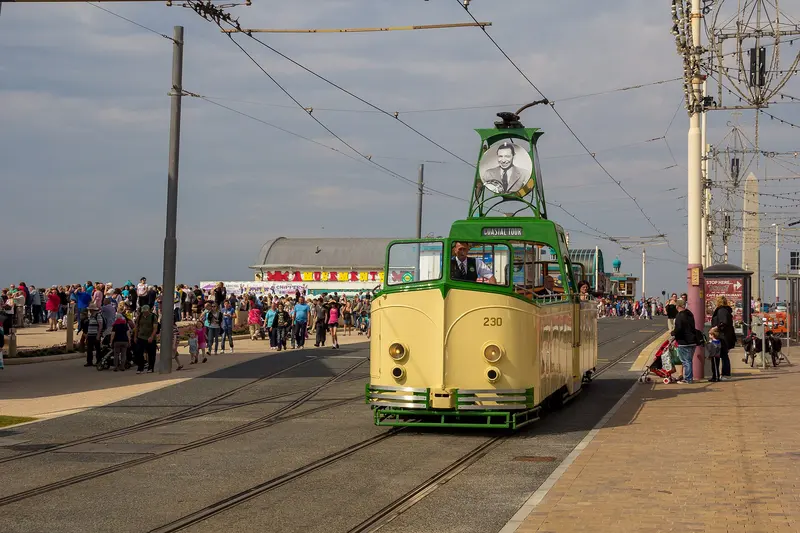
Photo: Photograph by Mike Peel (www.mikepeel.net), CC BY-SA 4.0
-
24 Oct
1885 A shipwreck at Whitby inspires a scene in DraculaDuring a gale, the Russian cargo ship Dmitry tried to shelter in the harbour at Whitby, England. It escaped the rocks but drifted onto a sandbank and…
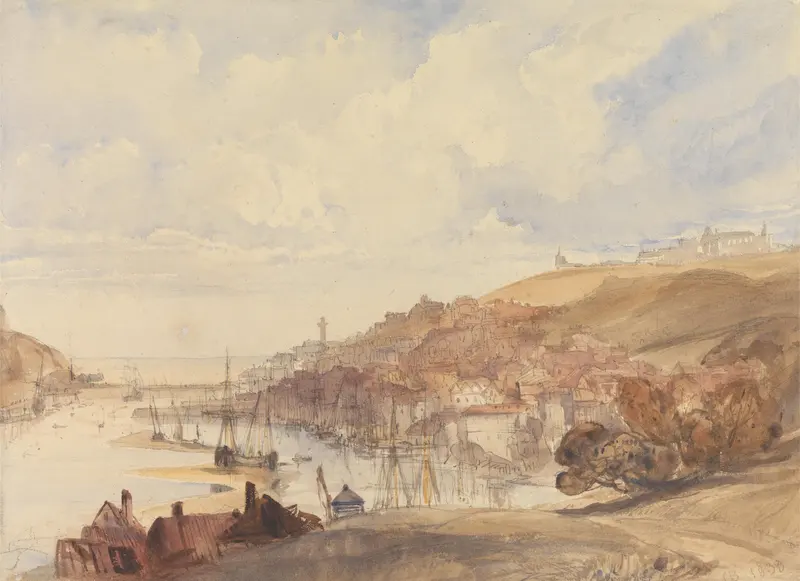
Photo: Charles Bentley, CC0
-
4 Nov
1890 The world's first deep-level ‘tube’ railway opens in LondonThe City and South London Railway officially opened, running for 3.2 miles (5.1 kilometres) between the City of London and Stockwell. It was the worl…
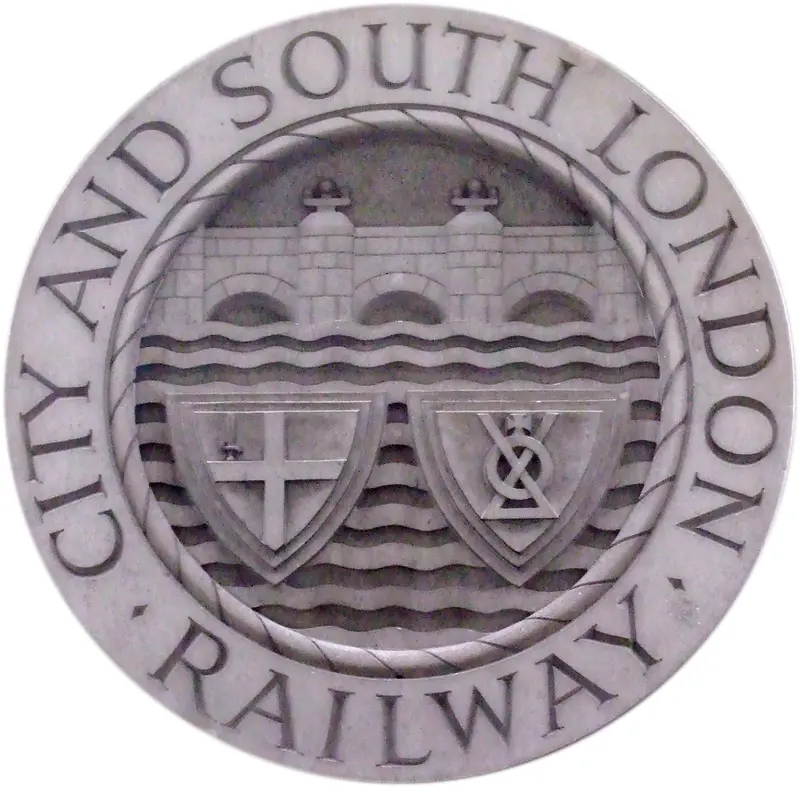
Photo: Denis Barber, CC BY 2.0
- 28 Jan 1896 Walter Arnold becomes the first person convicted of speedingWalter Arnold of East Peckham, Kent, became the first person to be convicted of speeding. He had been driving at 8 mph (13 km/h), when the speed limi…
- 14 Dec 1896 The Glasgow Subway opens in ScotlandThe Glasgow District Subway opened beneath the city of Glasgow. It is the third-oldest underground metro system in the world, after the Metropolitan …
- 12 Jan 1899 Lynmouth's lifeboat crew begin hauling their boat over ExmoorIn a fierce storm, a big sailing ship called the Forrest Hall got into trouble off the Devon coast. The sea was too rough to launch Lynmouth's lifebo…
- 14 Jan 1899 The giant liner Oceanic is launched in BelfastThe ocean liner RMS Oceanic was launched at the Harland and Wolff shipyard in Belfast, watched by more than 50,000 people. Built for the White Star L…
Keeping in touch
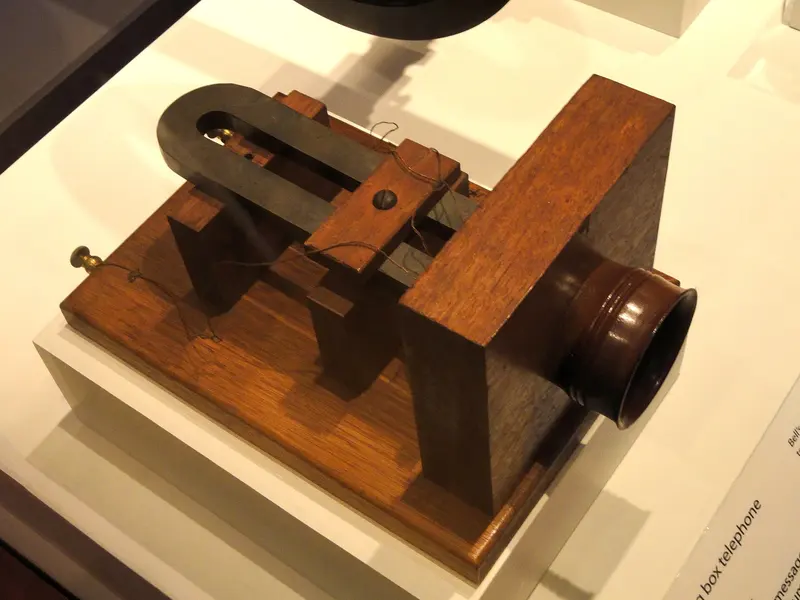
In 1854, Penny Red stamps began to be issued with perforations, the rows of tiny holes that let stamps be torn apart neatly. In 1866, the Great Eastern laid the first lasting telegraph cable across the Atlantic. Ten years later, on 14 February 1876, the Scottish-born inventor Alexander Graham Bell applied for a patent for the telephone. A patent is a legal right that stops other people copying an invention for a time.
Queen Victoria died on 22 January 1901. Later that same year, on 12 December, Guglielmo Marconi received the first radio signal ever sent across the Atlantic Ocean. It was sent from Poldhu in Cornwall.
Light and moving pictures
Inventors in other countries were busy too, and one famous first happened in a garden in Leeds.
- The American inventor Thomas Edison tested a light bulb in October 1879 that shone for 13 and a half hours before it burned out.
- The German engineer Carl Benz received a patent in 1886 for his petrol-powered motor car. It is considered the first practical modern car.
- In 1888, the French inventor Louis Le Prince filmed Roundhay Garden Scene in Leeds. It is believed to be the oldest film that still exists.
- The German physicist Wilhelm Röntgen discovered X-rays in 1895 while experimenting with electricity.
- 5 Feb 1840 Born: John Boyd DunlopJohn Boyd Dunlop was a Scottish inventor and vet who spent most of his working life in Ireland. He invented practical pneumatic tyres, which are fill…
- 29 Nov 1849 Born: John Ambrose FlemingSir John Ambrose Fleming was an English electrical engineer and physicist, born in Lancaster. He designed the radio transmitter at Poldhu in Cornwall…
-
24 Feb
1854 The Penny Red becomes the first official perforated stampPenny Red stamps began to be officially issued with perforations, the rows of tiny holes that let stamps be torn apart neatly. The Penny Red had repl…
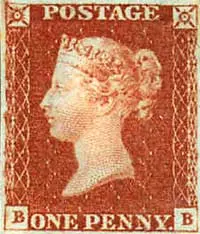
Photo: The original uploader was Hephaestos at English Wikipedia, Public domain
- 31 Jan 1858 Brunel's giant steamship Great Eastern is finally launchedThe SS Great Eastern, an iron steamship designed by Isambard Kingdom Brunel, was launched at Millwall on the River Thames in London. It was by far th…
-
30 Jan
1862 USS Monitor, the US Navy's first ironclad warship, is launchedThe United States Navy launched USS Monitor during the American Civil War. It became the first ironclad, or iron-armoured, warship to serve in the US…
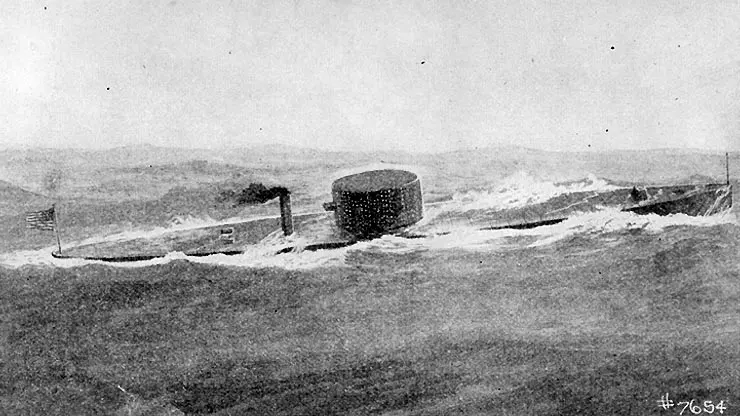
Photo: Public domain, Public domain
- 9 Dec 1868 The world's first traffic lights are put up in LondonThe first traffic lights were installed outside the Palace of Westminster in London, where Parliament meets. They looked like railway signals, with a…
- 14 Feb 1869 Born: C. T. R. WilsonCharles Thomson Rees Wilson was a Scottish physicist and weather scientist. He invented the cloud chamber, a device that shows the paths of tiny, inv…
- 18 Feb 1871 Born: Harry BrearleyHarry Brearley was an English metallurgist, an expert in metals, who worked in Sheffield. He is credited with discovering 'rustless steel', which lat…
-
14 Feb
1876 Alexander Graham Bell applies for a patent for the telephoneScottish-born inventor Alexander Graham Bell applied for a patent for the telephone in the United States. A patent is a legal right that stops other …
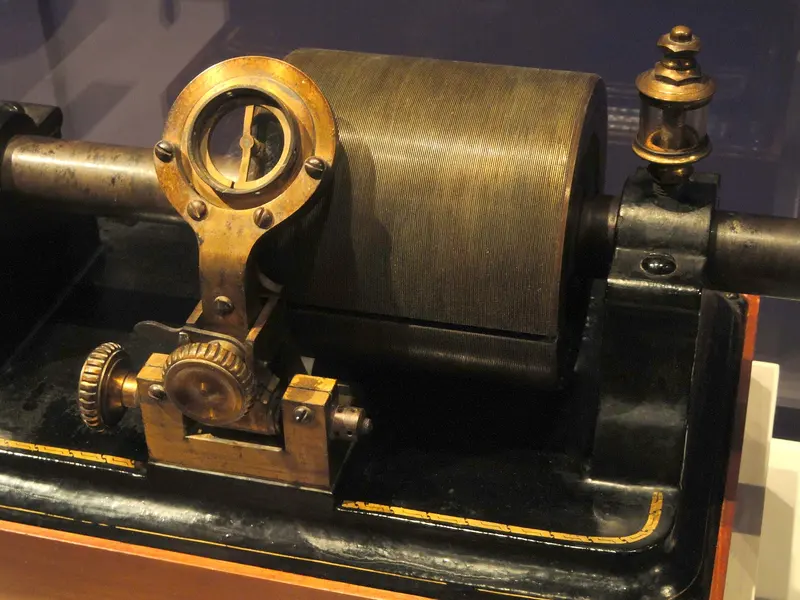
- 21 Nov 1877 Thomas Edison announces his invention of the phonographAmerican inventor Thomas Edison announced his invention of the phonograph, a machine that could record sound and play it back. Sounds were recorded a…
-
29 Nov
1877 Thomas Edison demonstrates his phonograph for the first timeThe American inventor Thomas Edison demonstrated his phonograph for the first time. It was a machine for recording sound and playing it back. Later m…
- 8 Feb 1879 Sandford Fleming suggests a worldwide standard timeScottish-born engineer Sandford Fleming first suggested a Universal Standard Time, at a meeting of the Royal Canadian Institute. He wanted the world …
-
21 Oct
1879 Thomas Edison applies for a patent for his light bulbAmerican inventor Thomas Edison applied for a patent for his design of an incandescent light bulb. A patent protects an inventor's idea so others can…
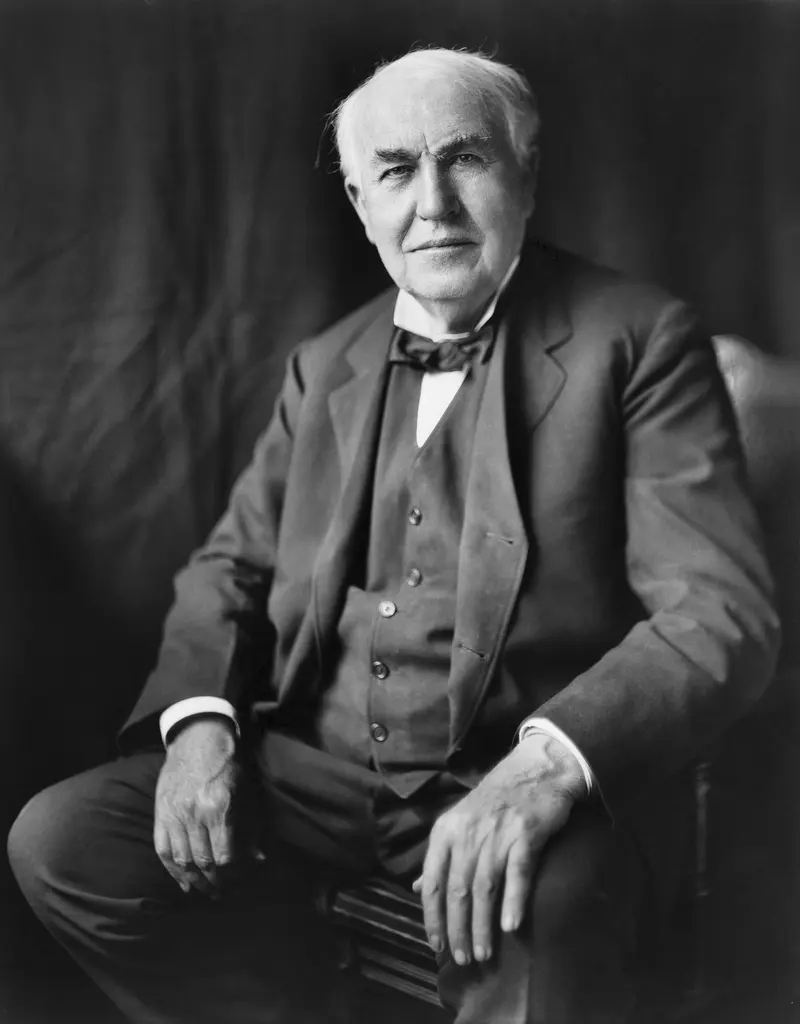
Photo: Louis Bachrach, Bachrach Studios, restored by Michel Vuijlsteke, Public domain
-
22 Oct
1879 Edison tests a light bulb that glows for 13 and a half hoursThomas Edison tested the first practical incandescent electric light bulb. The glowing part inside, called the filament, was made from thread that ha…
Photo: Louis Bachrach, Bachrach Studios, restored by Michel Vuijlsteke, Public domain
-
27 Jan
1880 Thomas Edison is granted a patent for his electric light bulbAmerican inventor Thomas Edison received a patent for his incandescent lamp, a type of electric light bulb. In this kind of bulb, electricity heats a…
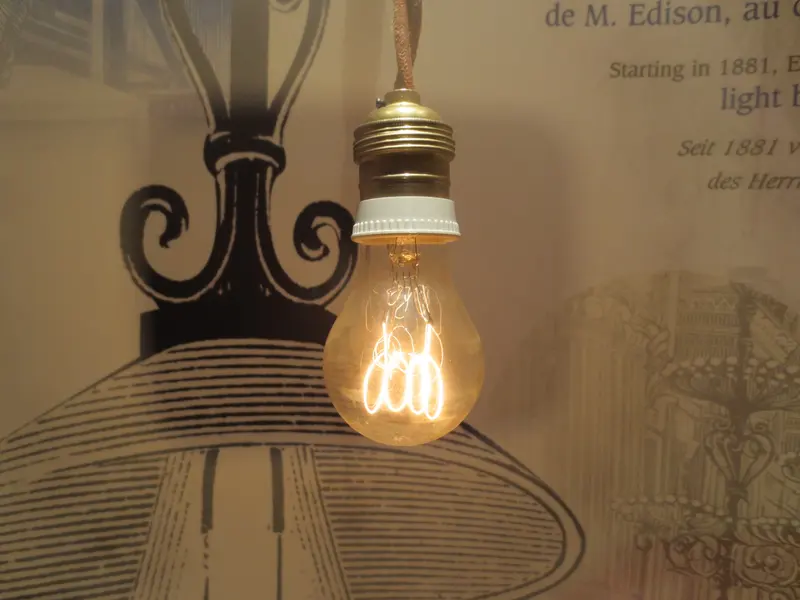
Photo: Arnaud 25, CC BY-SA 3.0
-
19 Jan
1883 Edison's first electric lighting system with overhead wires beginsThe first electric lighting system to use overhead wires, built by inventor Thomas Edison, started working in Roselle, New Jersey, in the USA. That y…
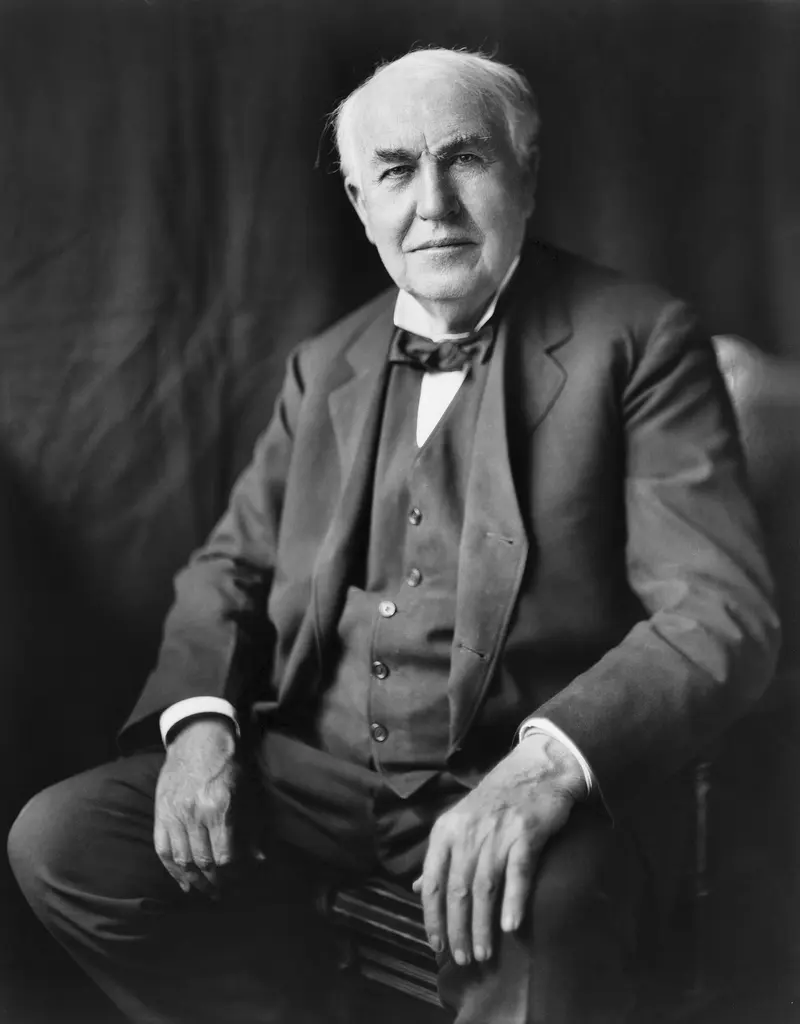
Photo: Louis Bachrach, Bachrach Studios, restored by Michel Vuijlsteke, Public domain
- 4 Nov 1884 Born: Harry FergusonThe Irish engineer and inventor Harry Ferguson was born. He played a big part in developing the modern farm tractor, including its ‘three-point linka…
-
29 Sep
1885 Blackpool opens the world's first practical electric tramwayAn electric tramway opened in Blackpool, Lancashire. It is described as the first practical public electric tramway in the world. Trams still run on …
Photo: Photograph by Mike Peel (www.mikepeel.net), CC BY-SA 4.0
-
29 Jan
1886 Carl Benz patents the first practical motor carGerman engineer Carl Benz received a patent for his petrol-powered motor car, the Benz Patent-Motorwagen. It is considered the first practical modern…
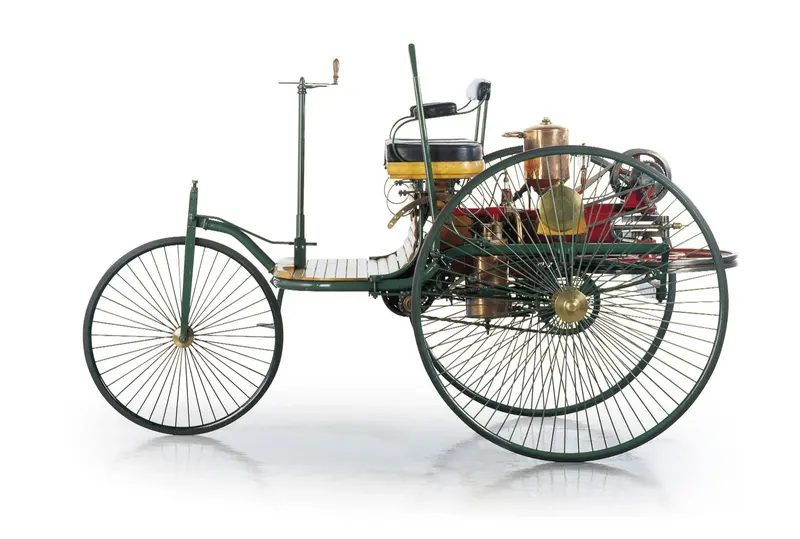
Photo: DaimlerChrysler AG, CC BY-SA 3.0
-
14 Oct
1888 The oldest surviving film is made in a garden in LeedsFrench inventor Louis Le Prince filmed Roundhay Garden Scene in a garden in Roundhay, Leeds. This short silent film is believed to be the oldest film…
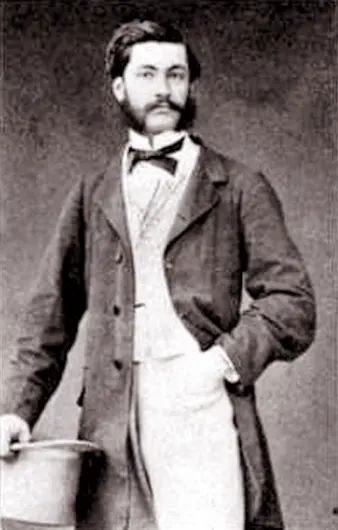
Photo: Unknown author, Public domain
-
4 Nov
1890 The world's first deep-level ‘tube’ railway opens in LondonThe City and South London Railway officially opened, running for 3.2 miles (5.1 kilometres) between the City of London and Stockwell. It was the worl…
Photo: Denis Barber, CC BY 2.0
-
15 Jan
1892 James Naismith publishes the rules of basketballPE teacher James Naismith published the rules of basketball, a new game he had invented. Teaching at a college in Springfield, Massachusetts, he need…
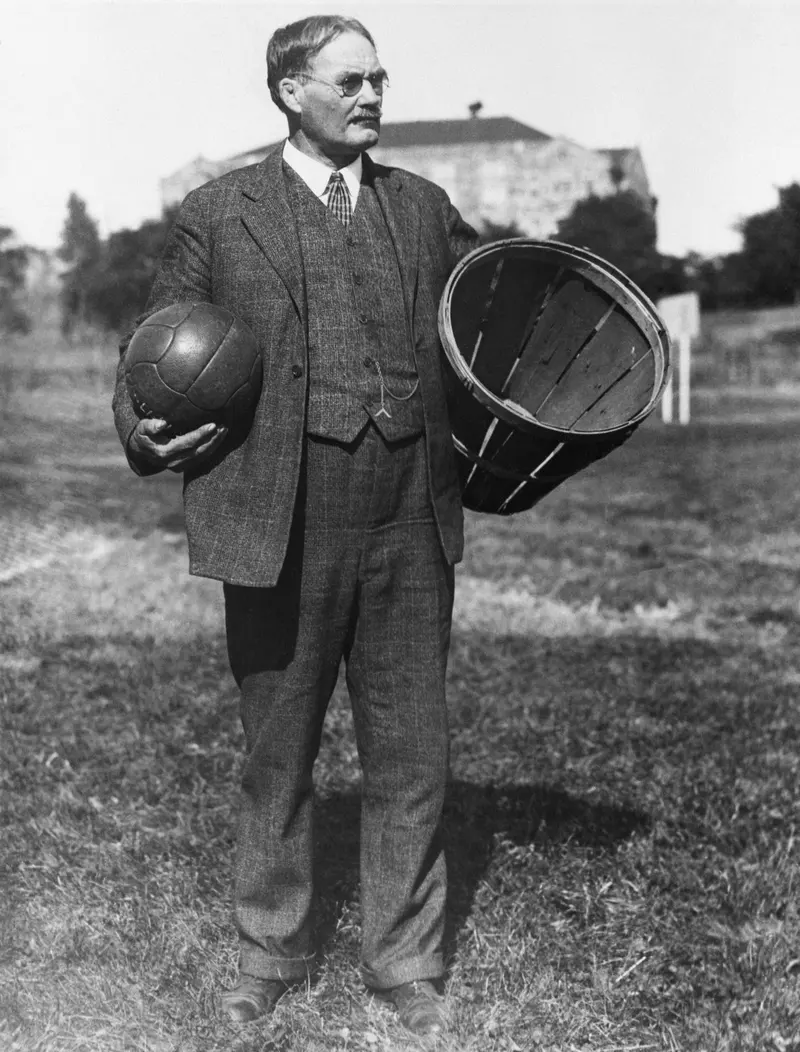
Photo: Unknown author, Public domain
-
27 Nov
1895 Alfred Nobel signs the will that creates the Nobel PrizesThe Swedish chemist and inventor Alfred Nobel signed his last will. In it, he left most of his fortune to set up prizes for those who bring 'the grea…
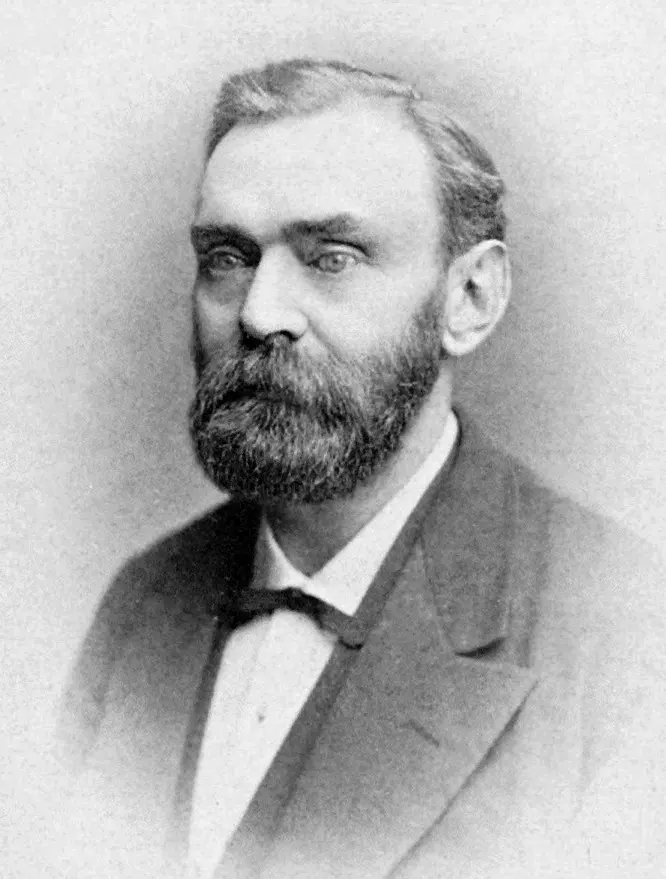
Photo: Unknown author, Public domain
-
12 Dec
1901 Marconi receives the first radio signal sent across the AtlanticGuglielmo Marconi received the first radio signal ever sent across the Atlantic Ocean. It was sent from Poldhu in Cornwall, England, and picked up at…
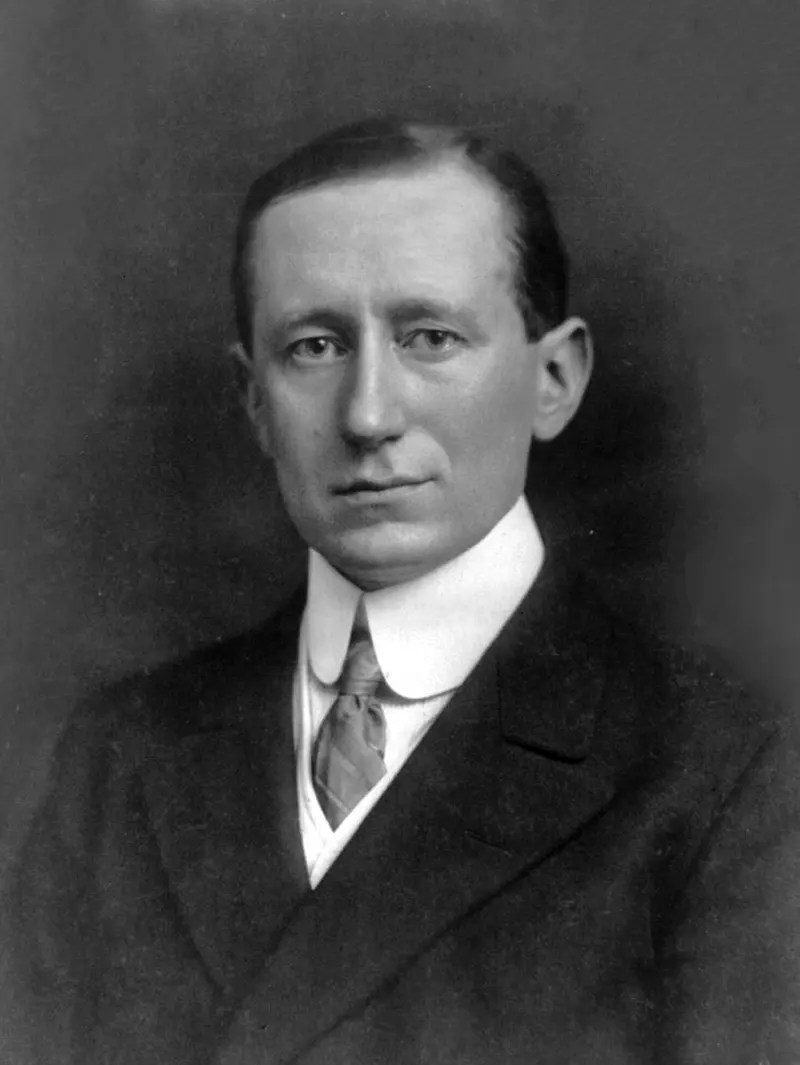
Photo: Pach Brothers, Public domain
Try it in class
- Then and now. Pick one invention from the timeline. What does it look like now, and what has changed?
- Order, order. Write five inventions on cards and put them in date order without peeking.
- Before or after the telephone? Call out an invention and ask whether it came before or after 1876.
- Which mattered most? Hold a class vote, and ask everyone to give a reason.
You can explore more on our Inventions and Transport topic pages, or follow the royal side of the story on Kings & queens.