A Day in the Past

On this day: 28 January

126 things happened on 28 January, from AD 598 to 2021. UK stories come first, then the rest of the world.

Printable worksheet Take the quiz

Did you know?

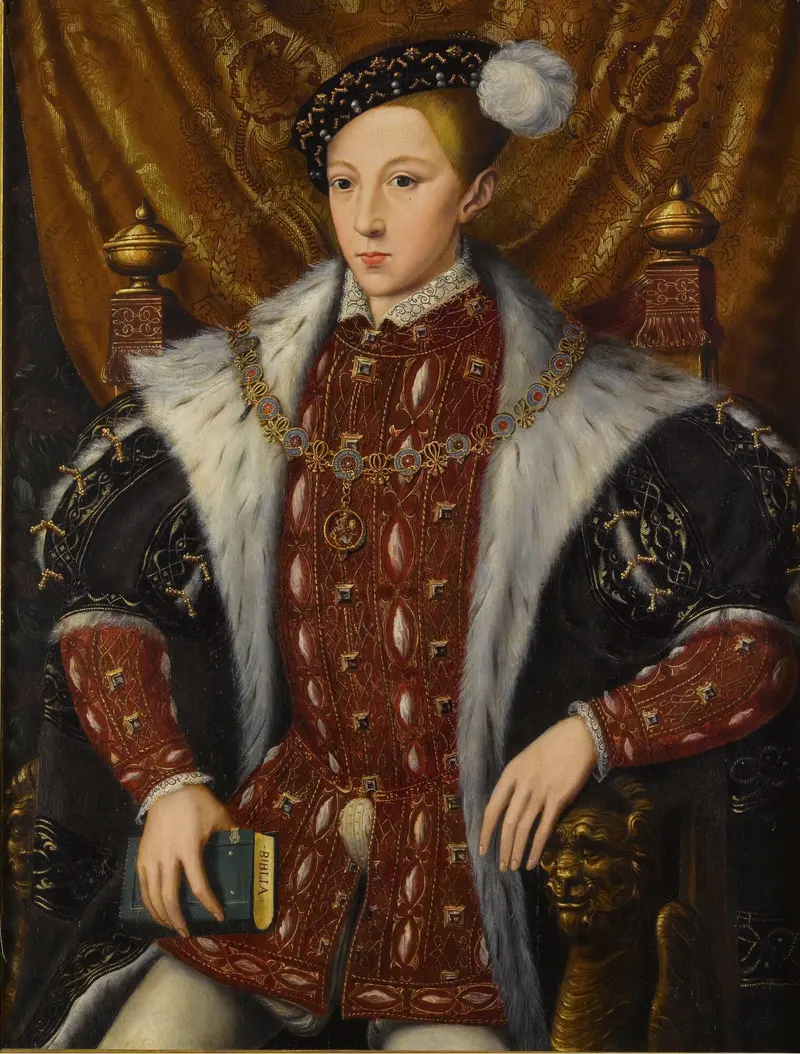
Painted portrait of the young King Edward VI sitting in a fur-lined gown
Photo: Circle of William Scrots, Public domain

1547 · 479 years ago

Nine-year-old Edward VI becomes King of England

Nine-year-old Edward VI became King of England and Ireland after the death of his father, Henry VIII. He was the only surviving son of Henry and his third wife, Jane Seymour. Edward was the first English monarch to be brought up as a Protestant. Because he wa…
In the UK 7

UK history first: stories from England, Scotland, Wales and Northern Ireland.

1547 479 years ago

UK story

Nine-year-old Edward VI becomes King of England

Nine-year-old Edward VI became King of England and Ireland after the death of his father, Henry VIII. He was the only surviving son of Henry and his third wife, Jane Seymour. Edward was the first English monarch to be brought up as a Protestant. Because he was so young, the country was run for him by a group of advisers called a regency council.

Painted portrait of the young King Edward VI sitting in a fur-lined gown
Edward VI, painted by an artist from the circle of William Scrots Photo: Circle of William Scrots, Public domain
1754 272 years ago

UK story

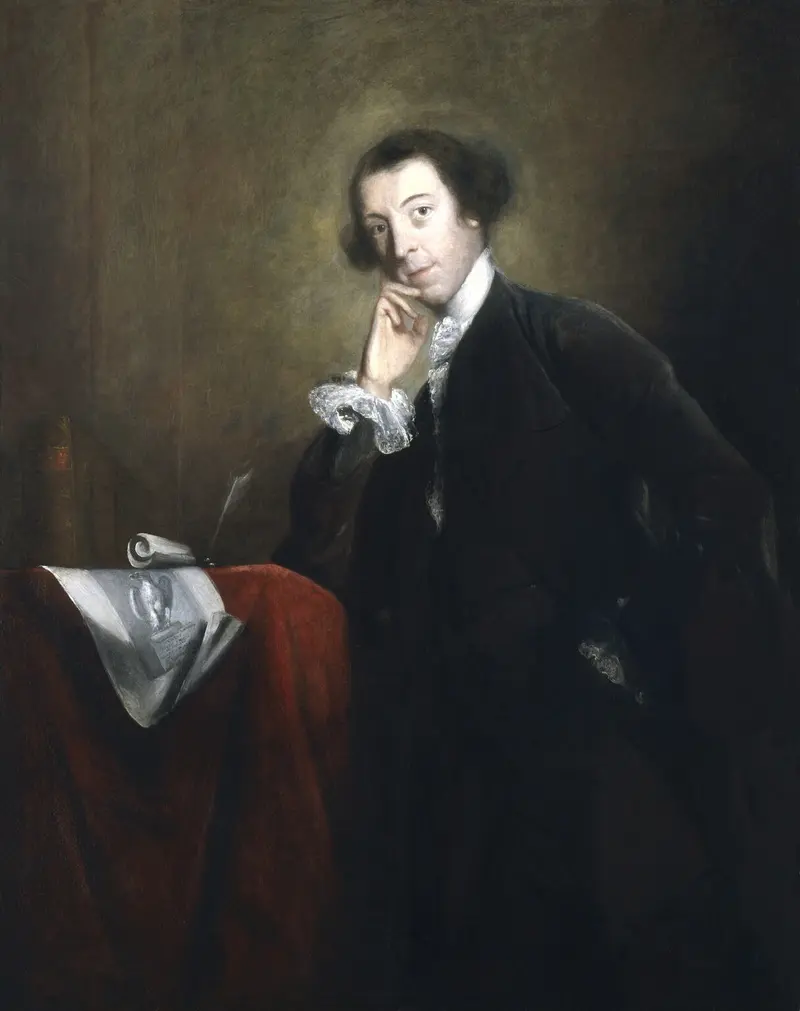
Horace Walpole invents the word 'serendipity'

The English writer Horace Walpole invented the word 'serendipity' in a letter to a friend. It means making a happy, lucky discovery by chance. He took the idea from a Persian fairy tale called The Three Princes of Serendip, whose heroes kept making lucky discoveries. Serendip is the old Persian name for Sri Lanka.

Painted portrait of Horace Walpole in a dark coat, resting his chin on his hand beside a table
Horace Walpole, painted by Joshua Reynolds Photo: Joshua Reynolds, Public domain
1813 213 years ago

UK story

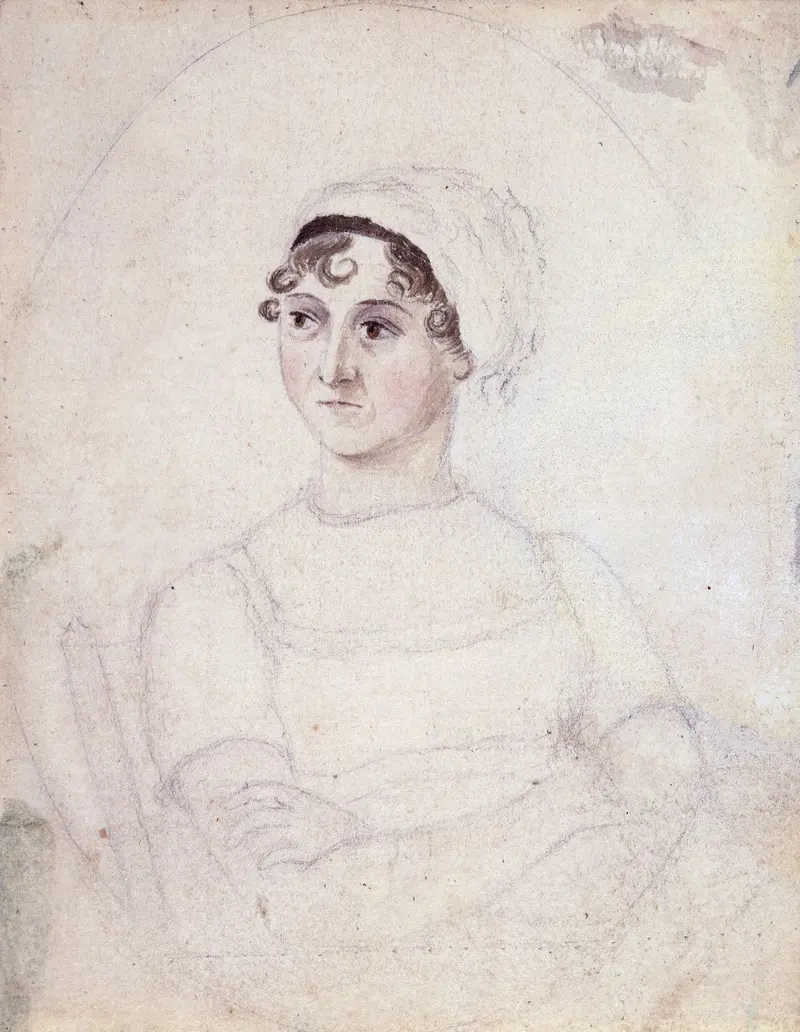
Jane Austen's Pride and Prejudice is published

Jane Austen's novel Pride and Prejudice was first published. She wrote it when she was 20 or 21, and it was the second of her novels to be printed. The story follows Elizabeth Bennet, who learns that judging people too quickly can lead to mistakes. Austen is famous for her six novels about the lives of wealthy English landowning families.

Pencil and watercolour sketch of Jane Austen wearing a cap, with her arms folded
Jane Austen, sketched by her sister Cassandra Austen Photo: Cassandra Austen, Public domain
1896 130 years ago

UK story

Walter Arnold becomes the first person convicted of speeding

Walter Arnold of East Peckham, Kent, became the first person to be convicted of speeding. He had been driving at 8 mph (13 km/h), when the speed limit was just 2 mph (3.2 km/h). He was fined one shilling, plus costs. A shilling was a coin worth one-twentieth of a pound, and it was nicknamed a 'bob'.

Around the world 29

1521 505 years ago

The Diet of Worms meets to discuss Martin Luther

Emperor Charles V and the leaders of the Holy Roman Empire met at a great assembly called the Diet of Worms, in Germany. They discussed Martin Luther, whose ideas had started the Protestant Reformation. Luther refused to take back his views, saying it was not right to go against his conscience. Afterwards the Emperor condemned Luther and banned people from spreading his ideas.

1855 171 years ago

The first train crosses Panama from ocean to ocean

A train on the Panama Railway travelled from the Atlantic Ocean to the Pacific Ocean for the first time. The railway crosses the Isthmus of Panama, a narrow strip of land in Central America that joins North and South America. The line opened in 1855. Its route now runs for 47.6 miles (76.6 km), from Colón on the Atlantic side to Balboa on the Pacific.

1916 110 years ago

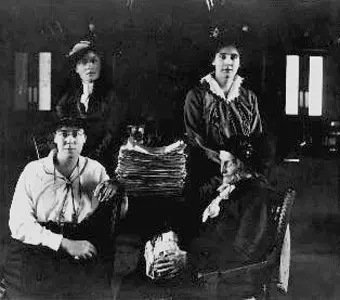
Manitoba becomes the first place in Canada to let women vote

The Canadian province of Manitoba passed a law giving women the right to vote. It was the first time that women anywhere in Canada had won this right. The provinces of Saskatchewan and Alberta followed later in 1916. Canada's national government gave some women the vote in 1917 and wider voting rights in 1918.

Black-and-white photo of four women posing around a tall stack of petition papers
Women of the Political Equality League presenting a petition for women's right to vote, Winnipeg, December 1915 Photo: Archives of Manitoba, Still Images Section, Public domain
1958 68 years ago

Lego files a patent for its famous building bricks

The Danish toy company Lego filed a patent in Denmark for the design of its plastic bricks. A patent protects an inventor's design. Lego bricks interlock, so they can be built into vehicles, buildings and even working robots, then taken apart and used again. The company is based in Billund, Denmark, and has built Legoland parks around the world.

1965 61 years ago

Canada's Maple Leaf flag design is made official

The current design of the flag of Canada was officially chosen. Known as the Maple Leaf, it shows a red, 11-pointed maple leaf on a white square between two red bands. It was the first Canadian flag to be adopted by both houses of Parliament and proclaimed by the monarch. It has become Canada's best-known national symbol.

1568 458 years ago

Delegates of the Three Nations of Transylvania adopted the Edict of Torda, allowing local communities to elect their preachers freely, in an unprecedented act of religious tolerance.

1977 49 years ago

The first day of the Great Lakes Blizzard of 1977, which dumps 3 metres (10 ft) of snow in one day in Upstate New York. Buffalo, Syracuse, Watertown, and surrounding areas are most affected.

Quick quiz

Every answer is somewhere on this page. Have a go, then check!

  1. In which year did this happen: “Nine-year-old Edward VI becomes King of England”?

    1. 1547
    2. 1457
    3. 1958
    Show the answer

    A: 1547. 1547 — that’s 479 years ago. Find it on the page

  2. In which year did this happen: “Jane Austen's Pride and Prejudice is published”?

    1. 1813
    2. 1986
    3. 1754
    Show the answer

    A: 1813. 1813 — that’s 213 years ago. Find it on the page

  3. Which of these happened first?

    1. Horace Walpole invents the word 'serendipity'
    2. Jane Austen's Pride and Prejudice is published
    3. Nine-year-old Edward VI becomes King of England
    Show the answer

    C: Nine-year-old Edward VI becomes King of England. 1754: Horace Walpole invents the word 'serendipity' · 1813: Jane Austen's Pride and Prejudice is published · 1547: Nine-year-old Edward VI becomes King of England Find it on the page

  4. “Horace Walpole invents the word 'serendipity'” happened in 1754. How many years ago was that?

    1. 272 years
    2. 282 years
    3. 262 years
    Show the answer

    A: 272 years. 2026 − 1754 = 272. Find it on the page

Born on this day 40

Famous people whose birthday is 28 January.

Remembering 22

Well-known people who died on 28 January.

Special days 6

Festivals, holidays and saints’ days celebrated on 28 January somewhere in the world.

For older readers 22 Show stories about war, disasters, crime and other difficult history

Content note: these entries mention things like war, violence, deaths, disasters or crime. They are part of history, but they can be upsetting. Grown-ups and teachers: you may want to read them first. They come straight from Wikipedia and have not been rewritten for children.

Where these facts come from

Stories with a heading have been written for young readers by A Day in the Past, using the linked articles as sources. Other entries show text from Wikipedia’s “January 28” page and its “On this day” feed, written by Wikipedia contributors and shared under the Creative Commons Attribution-ShareAlike 4.0 licence. Each “Read more” link goes to the article an entry is based on. Photos are credited under each picture. Spotted a mistake? Please tell us.