A Day in the Past

On this day: 3 October

124 things happened on 3 October, from 2,457 BC to 2025. UK stories come first, then the rest of the world.

Printable worksheet Take the quiz

Did you know?

In the UK 2

UK history first: stories from England, Scotland, Wales and Northern Ireland.

1602 424 years ago

UK story

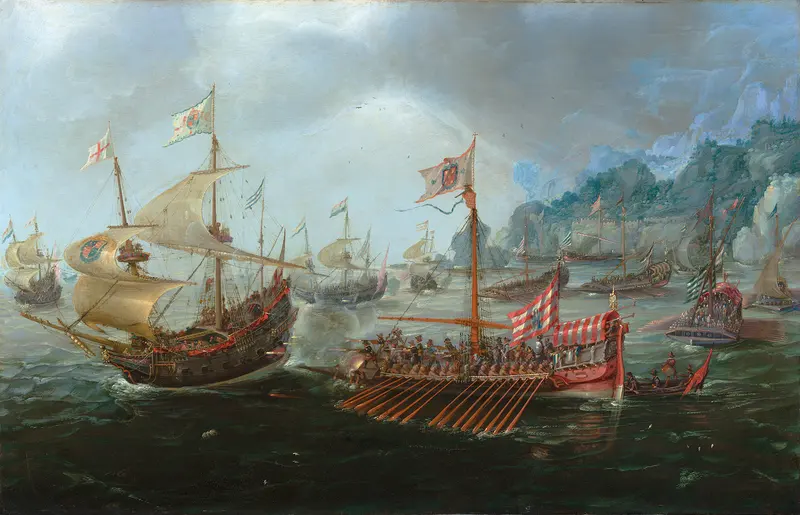
English ships attack Spanish galleys in the Battle of the Narrow Seas

During the Anglo-Spanish War, an English fleet led by Sir Robert Mansell attacked six Spanish galleys in the Strait of Dover. Galleys were warships that could be rowed with oars. The battle carried on into the next day, moving from the English coast to the coast of the Spanish Netherlands. A Dutch fleet joined the English, and together they defeated the Spanish ships.

Painting of tall sailing ships with flags and a long oared galley on a rough grey sea
The battle in the strait between Calais and Dover in October 1602, painted by Andries van Eertvelt Photo: Andries van Eertvelt, Public domain
1712 314 years ago

UK story

The Duke of Montrose orders the arrest of Rob Roy MacGregor

The Duke of Montrose issued a warrant for the arrest of Rob Roy MacGregor, a Scottish cattleman. Rob Roy had borrowed a large sum from the duke to build up his herd, but the man looking after the money disappeared. Unable to repay, Rob Roy lost his lands to the duke and became an outlaw. He later became a Scottish folk hero, and his name Roy means red, after his red hair.

Around the world 35

52 BC 2,077 years ago

Vercingetorix surrenders to Julius Caesar at Alesia

Vercingetorix, a chieftain who had united the Gauls against Rome, surrendered to the Roman general Julius Caesar. This ended the siege and battle of Alesia, the decisive fight of the Gallic Wars. Caesar's complete victory meant the Roman Republic took control of the whole of Gaul. During these wars Caesar also fought against peoples in Britain.

1863 163 years ago

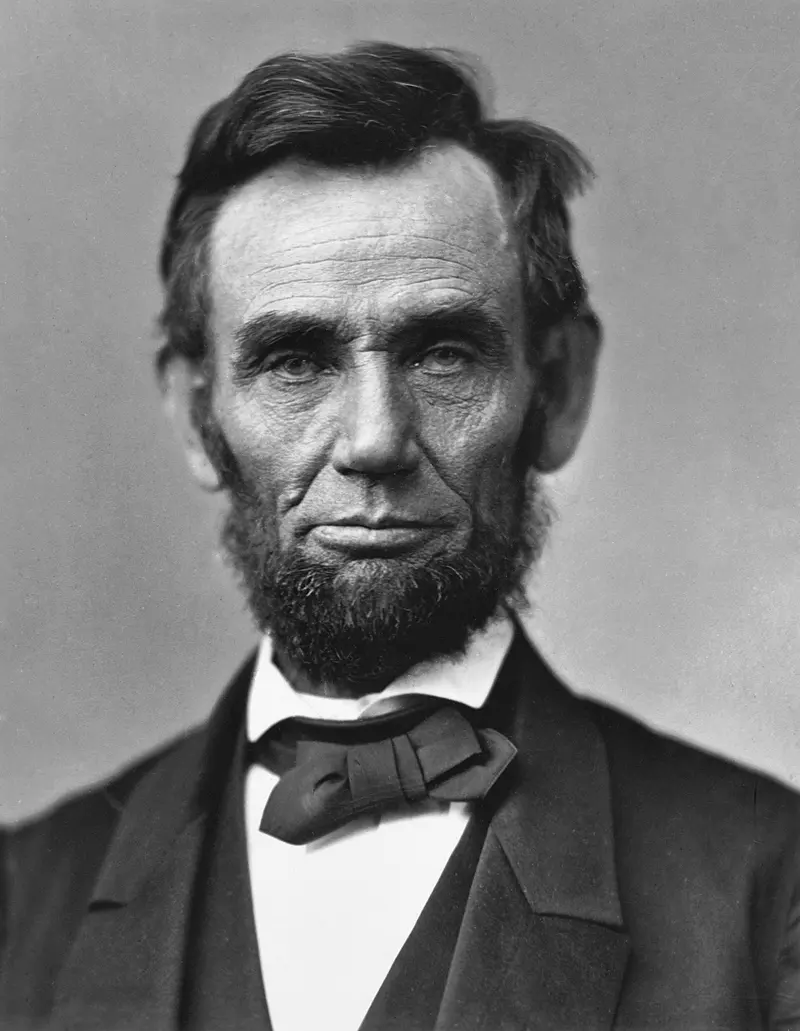
Abraham Lincoln names the last Thursday in November as Thanksgiving

US President Abraham Lincoln declared that the last Thursday in November would be Thanksgiving Day. He did this while the United States was fighting the American Civil War. Lincoln led the country through that war and played a major part in ending slavery. On the same date in 1789, President George Washington had also proclaimed a Thanksgiving Day.

Black and white photo of a bearded man in a dark suit and bow tie
Abraham Lincoln, photographed by Alexander Gardner on 8 November 1863 Photo: Alexander Gardner, Public domain
1962 64 years ago

Astronaut Wally Schirra orbits the Earth six times in Sigma 7

American astronaut Wally Schirra was launched from Cape Canaveral in Florida in a spacecraft called Sigma 7. During a nine-hour flight he orbited the Earth six times. It was the fifth American space mission with a crew, and the longest so far for the United States. But the Soviet Union, America's rival in the Space Race, had already flown a mission lasting several days.

1985 41 years ago

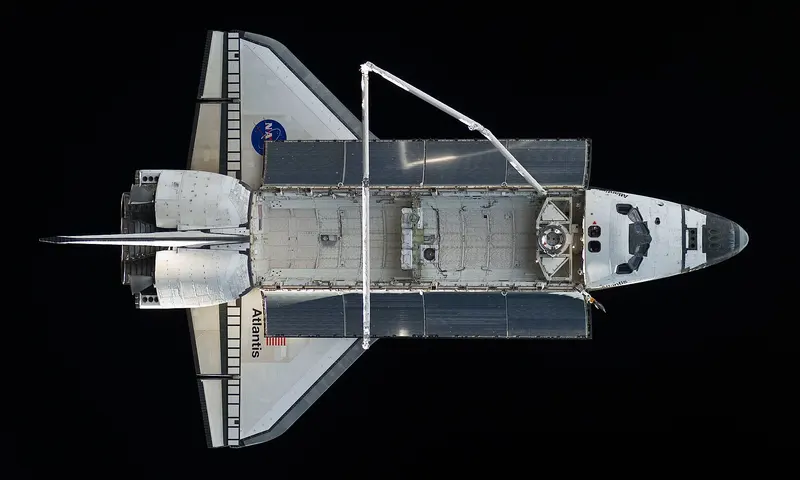
Space Shuttle Atlantis blasts off on its first mission

NASA's Space Shuttle Atlantis launched on its first flight, a mission called STS-51-J. It carried two military communications satellites into space and returned on 7 October. Atlantis was the fourth working Space Shuttle to be built. It went on flying missions until 2011.

A white space shuttle with its cargo doors open, seen from above against the blackness of space
Space Shuttle Atlantis, photographed from the International Space Station Photo: NASA, Public domain
1990 36 years ago

East and West Germany are reunited as one country

East Germany, officially the German Democratic Republic, ceased to exist and became part of West Germany, the Federal Republic of Germany. For the first time since 1945 there was a single German state. East and West Berlin also became one city again. Germany celebrates the date every year as German Unity Day, a national holiday.

1991 35 years ago

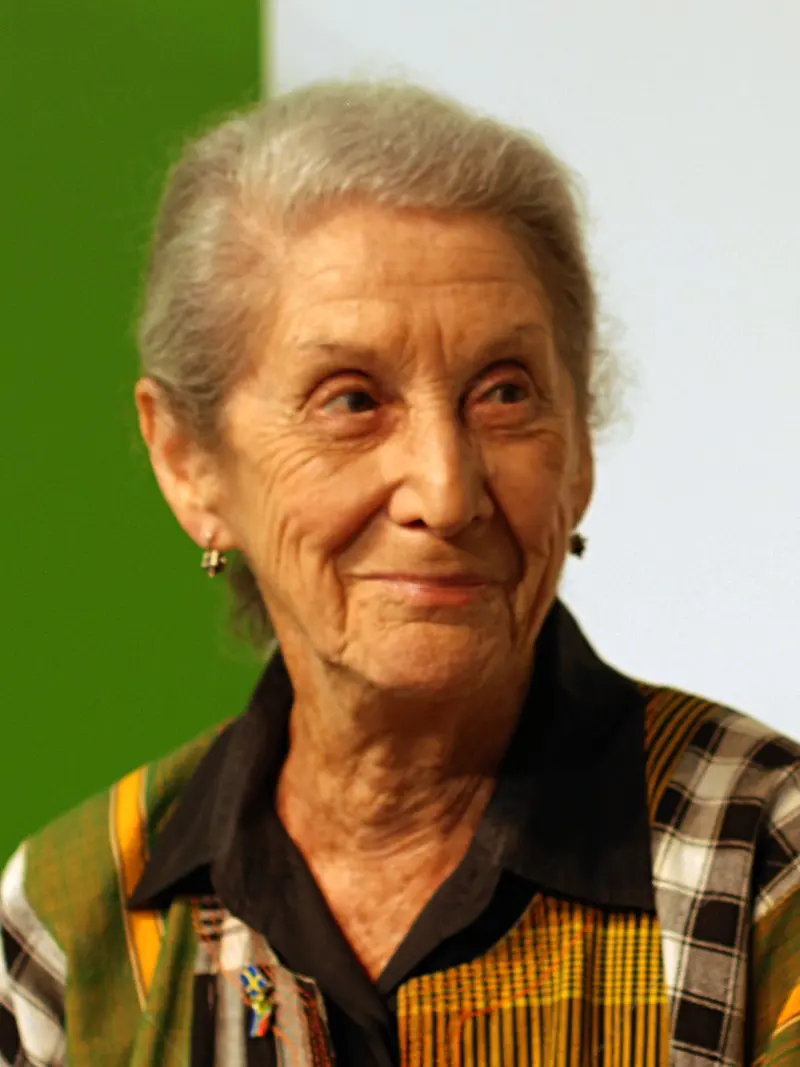
Nadine Gordimer wins the Nobel Prize in Literature

South African writer Nadine Gordimer became the first person from South Africa to win the Nobel Prize in Literature. This famous prize is given each year by the Swedish Academy to an author for their whole body of work. The judges praised her 'magnificent epic writing'. As well as being an author, Gordimer was a political activist.

Photo of a smiling older woman with short grey hair, wearing a colourful patterned jacket
Nadine Gordimer at the Göteborg Book Fair in 2010 Photo: Boberger. Photo: Bengt Oberger, CC BY 3.0

Quick quiz

Every answer is somewhere on this page. Have a go, then check!

  1. In which year did this happen: “English ships attack Spanish galleys in the Battle of the Narrow Seas”?

    1. 1991
    2. 1602
    3. 1712
    Show the answer

    B: 1602. 1602 — that’s 424 years ago. Find it on the page

  2. In which year did this happen: “The Duke of Montrose orders the arrest of Rob Roy MacGregor”?

    1. 1985
    2. 1712
    3. 1964
    Show the answer

    B: 1712. 1712 — that’s 314 years ago. Find it on the page

  3. Which of these happened first?

    1. Nadine Gordimer wins the Nobel Prize in Literature
    2. English ships attack Spanish galleys in the Battle of the Narrow Seas
    3. The Duke of Montrose orders the arrest of Rob Roy MacGregor
    Show the answer

    B: English ships attack Spanish galleys in the Battle of the Narrow Seas. 1991: Nadine Gordimer wins the Nobel Prize in Literature · 1602: English ships attack Spanish galleys in the Battle of the Narrow Seas · 1712: The Duke of Montrose orders the arrest of Rob Roy MacGregor Find it on the page

  4. “James Herriot” happened in 1916. How many years ago was that?

    1. 100 years
    2. 110 years
    3. 120 years
    Show the answer

    B: 110 years. 2026 − 1916 = 110. Find it on the page

Born on this day 36

Famous people whose birthday is 3 October.

Remembering 17

Well-known people who died on 3 October.

Special days 17

Festivals, holidays and saints’ days celebrated on 3 October somewhere in the world.

For older readers 17 Show stories about war, disasters, crime and other difficult history

Content note: these entries mention things like war, violence, deaths, disasters or crime. They are part of history, but they can be upsetting. Grown-ups and teachers: you may want to read them first. They come straight from Wikipedia and have not been rewritten for children.

Where these facts come from

Stories with a heading have been written for young readers by A Day in the Past, using the linked articles as sources. Other entries show text from Wikipedia’s “October 3” page and its “On this day” feed, written by Wikipedia contributors and shared under the Creative Commons Attribution-ShareAlike 4.0 licence. Each “Read more” link goes to the article an entry is based on. Photos are credited under each picture. Spotted a mistake? Please tell us.