Most of us spend 25 December with family, food and presents. But history never takes a day off. Over the centuries, Christmas Day has seen kings crowned, a comet return and a giant telescope set off into space.
Crowned on Christmas Day
Two famous rulers were crowned on 25 December.
- In AD 800, Charlemagne, King of the Franks, was crowned emperor in Rome. He was the first recognised emperor in the west since the fall of the Western Roman Empire about three centuries earlier.
- In 1066, William, Duke of Normandy, was crowned King of England at Westminster Abbey. Earlier that year he had defeated King Harold Godwinson at the Battle of Hastings. We know him as William the Conqueror, the first Norman king of England.
There is an even older Christmas story from Kent. In AD 597, Augustine, who became the first Archbishop of Canterbury, baptised thousands of people there on Christmas Day.
A Christmas baby and a Christmas comet
Isaac Newton was born on Christmas Day 1642, using the calendar England followed at the time. He went on to work out the laws of motion and the law of universal gravitation.
In 1705, the English astronomer Edmond Halley predicted that a certain comet would come back. On Christmas Day 1758, a German astronomer called Johann Georg Palitzsch spotted it. Halley had died before his prediction came true, but the comet was later named Halley’s Comet after him.
There are modern stories too. By Christmas Day 1990, the British computer scientist Tim Berners-Lee had finished the first web browser, called WorldWideWeb. And on Christmas Day 2021, the James Webb Space Telescope, the largest telescope in space, was launched on an Ariane 5 rocket.
- 25 Dec AD 597 Augustine baptises thousands of people in Kent at ChristmasAugustine, who became the first Archbishop of Canterbury, baptised thousands of people in the Anglo-Saxon Kingdom of Kent on Christmas Day. Baptism i…
-
25 Dec
AD 800 Charlemagne is crowned emperor in RomeCharlemagne, King of the Franks, was crowned emperor in Rome on Christmas Day. He had united most of Western and Central Europe under his rule. He wa…
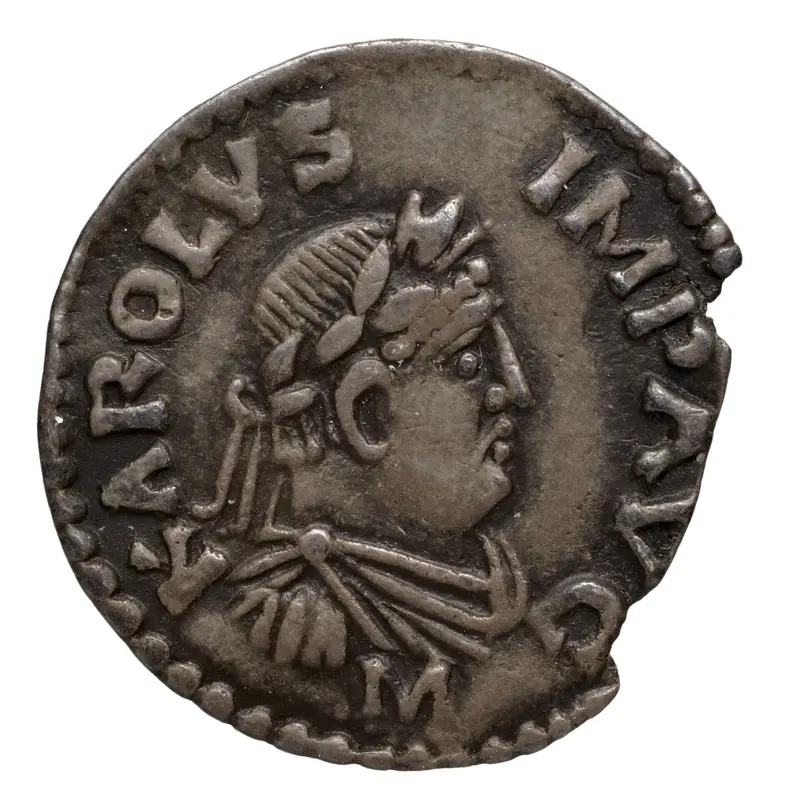
Photo: Charlemagne. Autorité émettrice de monnaie indéterminé. Atelier monétaire. Émetteur, Public domain
- 25 Dec 1013 Viking leader Sweyn Forkbeard is proclaimed King of EnglandSweyn Forkbeard, King of Denmark, took control of the Danelaw and was proclaimed King of England. The Danelaw was the part of eastern and northern En…
- 25 Dec 1066 William the Conqueror is crowned King of EnglandWilliam, Duke of Normandy, was crowned King of England at Westminster Abbey on Christmas Day. Earlier that year he had defeated the Anglo-Saxon army …
-
25 Dec
1642 Born: Isaac NewtonIsaac Newton was an English mathematician and physicist and one of the most important scientists in history. He worked out the laws of motion and the…
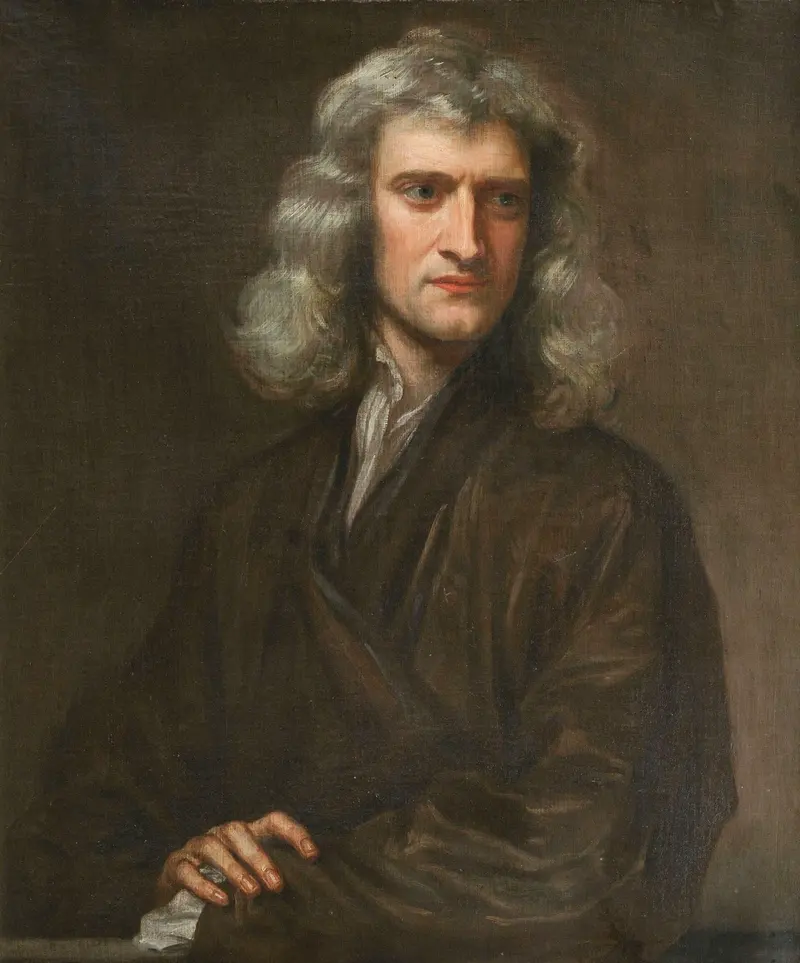
Photo: Godfrey Kneller, Public domain
-
25 Dec
1758 Halley's Comet returns, just as Edmond Halley predictedGerman astronomer Johann Georg Palitzsch spotted a comet in the sky on Christmas Day. Its return had been predicted in 1705 by the English astronomer…
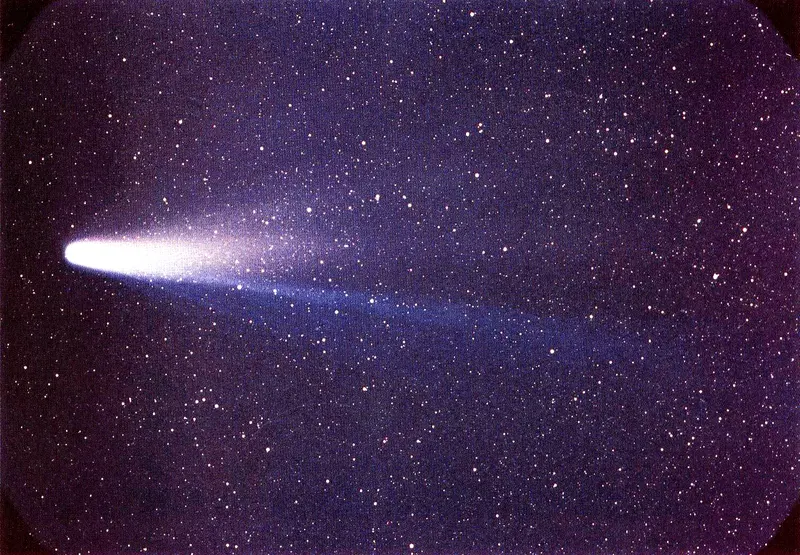
Photo: NASA/W. Liller, Public domain
- 25 Dec 1990 Tim Berners-Lee finishes WorldWideWeb, the first web browserBy Christmas Day, the British computer scientist Tim Berners-Lee had finished the first version of WorldWideWeb, the first web browser. A web browser…
- 25 Dec 1991 Mikhail Gorbachev resigns as leader of the Soviet UnionIn a speech shown on television across the country, Mikhail Gorbachev resigned as President of the Soviet Union. He had led the country since 1985 an…
-
25 Dec
2003 Britain's Beagle 2 lander arrives at Mars on Christmas DayBeagle 2, a British lander carried to Mars by the European Space Agency's Mars Express mission, was due to land on Christmas Day. Named after Charles…
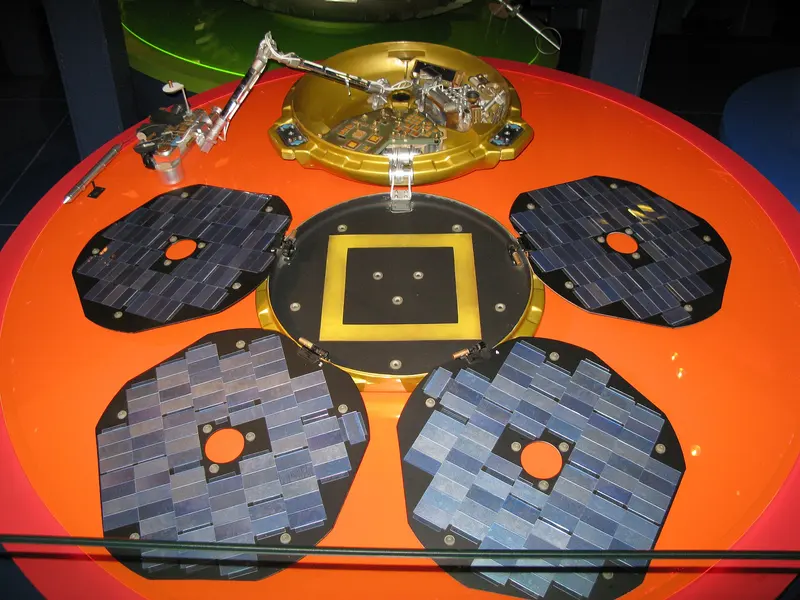
Photo: user:geni, CC BY-SA 4.0
- 25 Dec 2021 The James Webb Space Telescope is launchedThe James Webb Space Telescope was launched into space on an Ariane 5 rocket. It is the largest telescope in space and studies infrared light, which …
- 25 Dec Every year Christmas DayChristmas Day is the festival when Christians around the world celebrate the birth of Jesus. The Gospels of Matthew and Luke in the Bible say Jesus w…
The night before: Christmas Eve
24 December has stories of its own.
- 1818: the carol “Silent Night” was sung for the first time, in a church in Oberndorf bei Salzburg, Austria. Joseph Mohr wrote the words and Franz Xaver Gruber wrote the music.
- 1914: during the First World War, British and German soldiers began unofficial ceasefires along parts of the Western Front. They shared food and sang carols, and in some places they even played football. It is remembered as the Christmas truce.
- 1968: Apollo 8 became the first crewed spacecraft to orbit the Moon. Its astronauts photographed Earth rising above the Moon’s horizon, a view called Earthrise.
-
24 Dec
1777 Captain James Cook visits Christmas Island on Christmas EveOn his third voyage of exploration, Captain James Cook visited an island in the Pacific Ocean on Christmas Eve. The island is now called Kiritimati, …
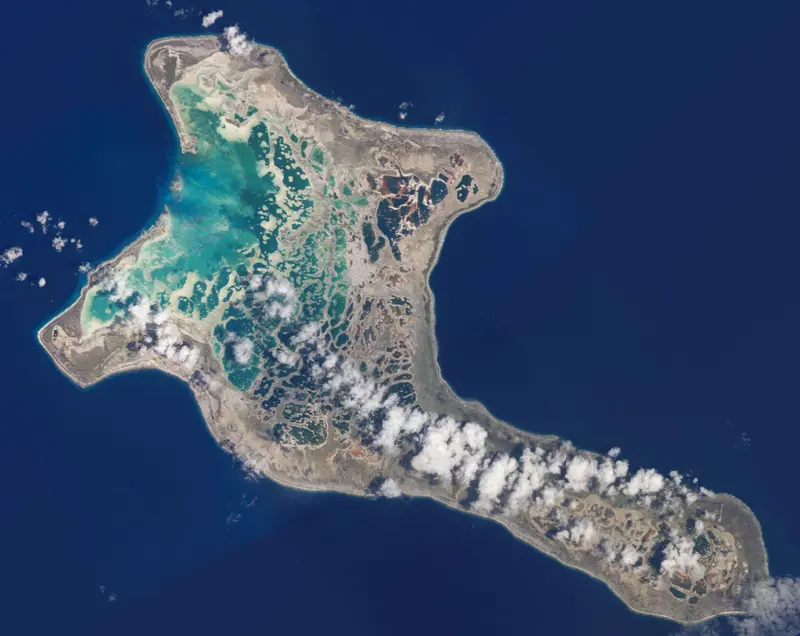
Photo: NASA, Public domain
-
24 Dec
1814 Britain and the USA sign a treaty to end the War of 1812The United Kingdom and the United States signed the Treaty of Ghent in the city of Ghent, in what is now Belgium. It ended the War of 1812, which had…
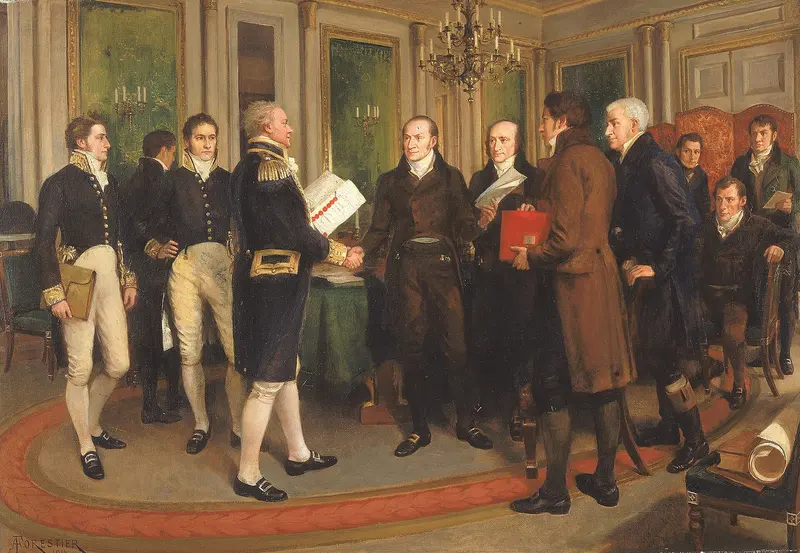
Photo: Amédée Forestier, CC0
- 24 Dec 1818 The carol Silent Night is sung for the first timeThe Christmas carol 'Silent Night' was first performed in a church in Oberndorf bei Salzburg, Austria. Its words were written by Joseph Mohr and its …
- 24 Dec 1818 Born: James Prescott JouleJames Prescott Joule was an English physicist who studied heat. He discovered how heat is linked to mechanical work, the energy used to make things m…
- 24 Dec 1871 Verdi's opera Aida is performed for the first time in CairoAida, an opera by the Italian composer Giuseppe Verdi, had its first performance at the Khedivial Opera House in Cairo, Egypt. Its story is set in an…
- 24 Dec 1914 Soldiers stop fighting to celebrate in the Christmas truceDuring the First World War, British and German soldiers began unofficial ceasefires along parts of the Western Front to celebrate Christmas. Soldiers…
- 24 Dec 1925 Winnie-the-Pooh appears by name for the first timeWinnie-the-Pooh first appeared by name in a children's story written for London's Evening News newspaper on Christmas Eve. The bear was created by th…
- 24 Dec 1955 NORAD begins tracking Santa's Christmas Eve journeyAccording to the story, the NORAD Tracks Santa programme began after an advert printed the wrong phone number. Children who rang it reached an Americ…
-
24 Dec
1968 Apollo 8 becomes the first crewed spacecraft to orbit the MoonApollo 8 became the first human spaceflight to reach the Moon and go into orbit around it. Its crew, Jim Lovell, Frank Borman and William Anders, cir…
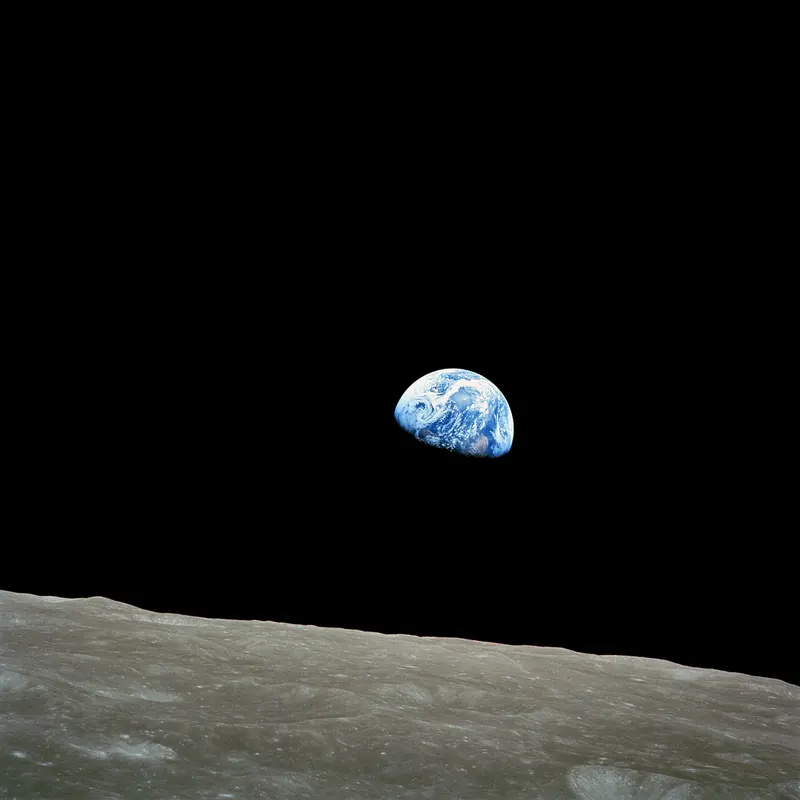
Photo: NASA/Bill Anders, Public domain
- 24 Dec 1979 Europe's first Ariane rocket is launchedThe first Ariane 1 rocket was launched from the Guiana Space Centre in French Guiana, South America. It was the first rocket in the Ariane family and…
-
24 Dec
Every year Christmas EveChristmas Eve is the evening, or the whole day, before Christmas Day, when Christians celebrate the birth of Jesus. Many churches hold a service at m…
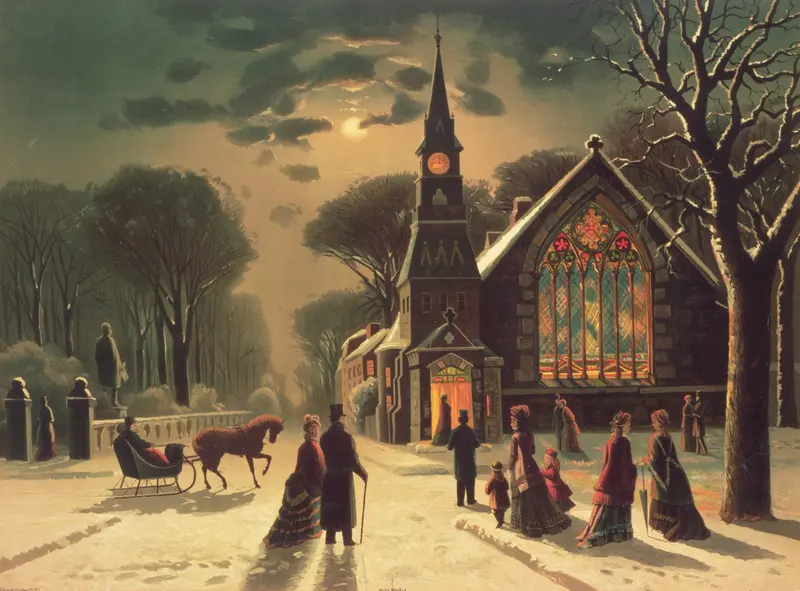
Photo: J. Hoover & Son, Public domain
The day after: Boxing Day
Boxing Day, on 26 December, began in the United Kingdom. It was once a day for giving gifts to people in need.
It has had its share of firsts. In 1860, Sheffield FC played Hallam FC for the first time. It is the oldest football fixture in the world, so no two clubs have been playing each other for longer. And in 1898, Marie and Pierre Curie announced that they had discovered a new chemical element, which they named radium.
-
26 Dec
1606 Shakespeare's King Lear is performed before King James IThe first known performance of William Shakespeare's play King Lear took place in front of King James I. The play is based on the legend of Leir, a k…
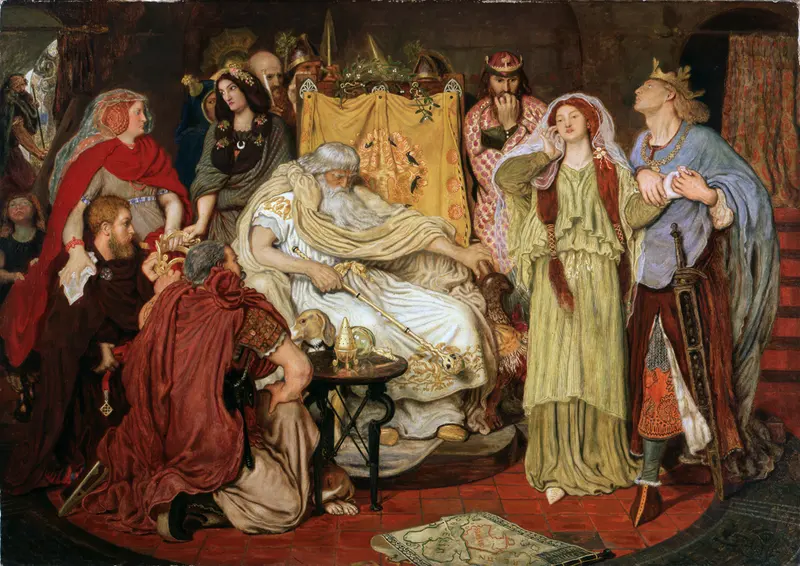
Photo: Ford Madox Brown, Public domain
-
26 Dec
1780 Born: Mary SomervilleMary Somerville was a Scottish scientist and writer, born in Jedburgh, who studied mathematics and astronomy. In 1835 she and Caroline Herschel becam…
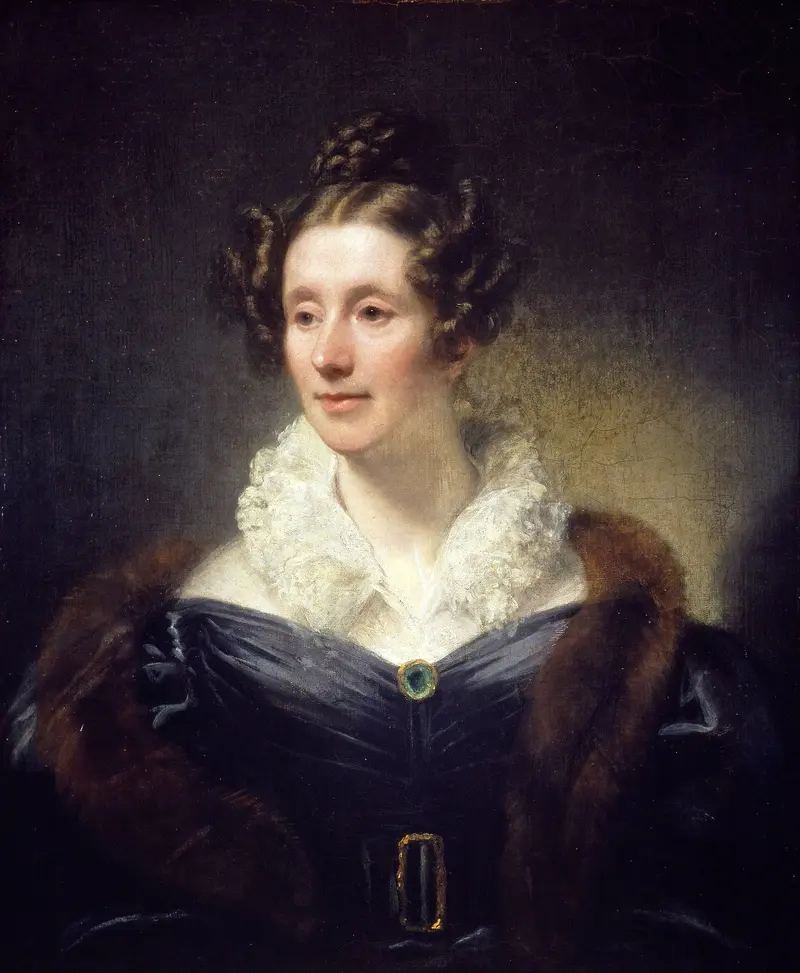
Photo: Thomas Phillips, Public domain
- 26 Dec 1791 Born: Charles BabbageCharles Babbage was an English mathematician, inventor and engineer. He came up with the idea of a programmable computer and is sometimes called the …
- 26 Dec 1860 Sheffield and Hallam play the world's oldest football fixtureSheffield FC played Hallam FC for the first time, in a match now known as the Rules derby. It is the oldest football fixture in the world, so no two …
-
26 Dec
1871 Gilbert and Sullivan's first show together, Thespis, opensThespis, the first show created by the writer W. S. Gilbert and the composer Arthur Sullivan, opened at the Gaiety Theatre in London. Most of its mus…
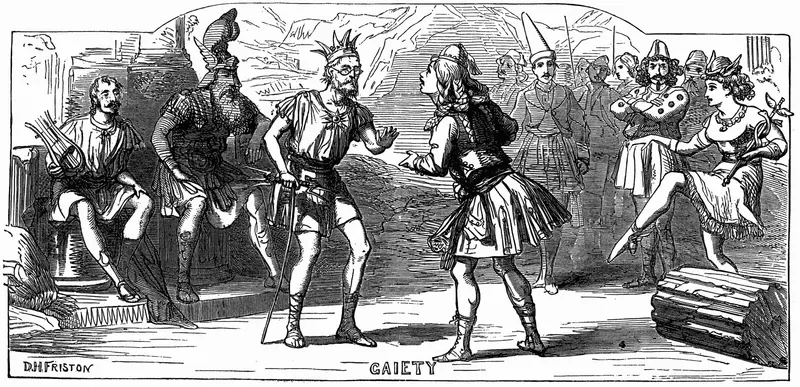
Photo: David Henry Friston, Public domain
- 26 Dec 1898 Marie and Pierre Curie announce the discovery of radiumMarie and Pierre Curie told the French Academy of Sciences in Paris that they had discovered a new chemical element. They named it radium and had fou…
-
26 Dec
1941 Winston Churchill speaks to the US Congress in wartimeDuring the Second World War, British Prime Minister Winston Churchill gave a 30-minute speech to the United States Congress in Washington, D.C. He sp…
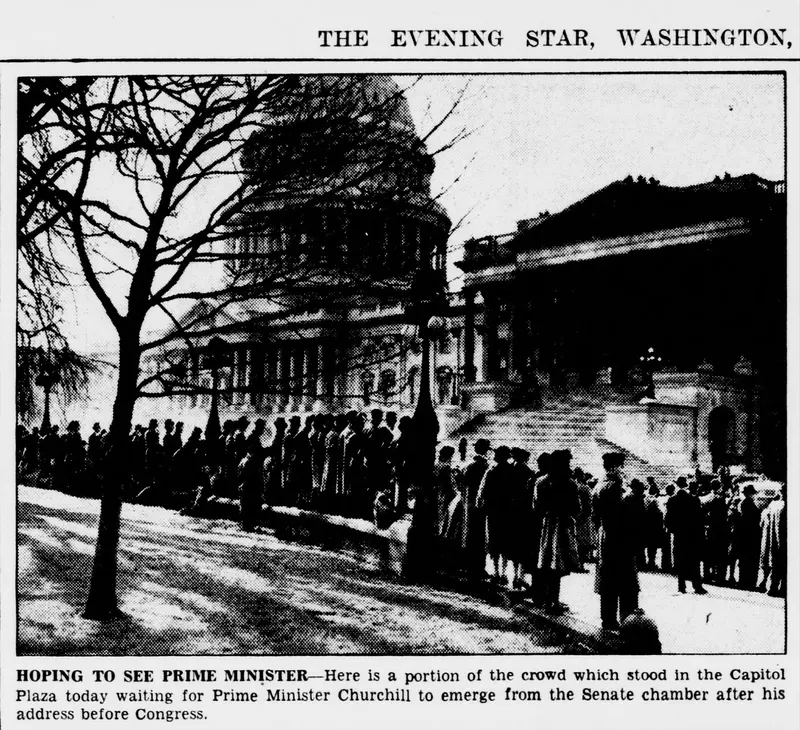
Photo: Star staff photographer, Public domain
- 26 Dec 1963 The Beatles release I Want to Hold Your Hand in the USAThe Beatles released their song 'I Want to Hold Your Hand' in the United States. It marked the beginning of 'Beatlemania' around the world. The Beatl…
- 26 Dec 1980 Mysterious lights are reported in Rendlesham Forest, SuffolkWitnesses reported the first of several sightings of unexplained lights near RAF Woodbridge, in Rendlesham Forest, Suffolk. At the time, the air base…
- 26 Dec 1991 The Soviet Union is formally dissolved, ending the Cold WarThe Supreme Soviet, the Soviet Union's highest governing body, formally dissolved the country. This brought the Cold War to an end. The Cold War was …
- 26 Dec Every year Boxing DayBoxing Day is a holiday on 26 December, the day after Christmas Day. It began in the United Kingdom and is also celebrated in several Commonwealth co…
Three Christmas challenges
- Put them in order. Charlemagne, William the Conqueror, Isaac Newton and the James Webb Space Telescope: which came first, and which came last?
- How long ago? Take 1066 away from this year to find out how long ago William was crowned.
- Print the worksheet. The Christmas Day worksheet has a quiz, a timeline task and a box for drawing.
Would you like a story for every day in the run-up to Christmas? Try our history advent calendar.