30 November is St Andrew’s Day, Scotland’s official national day. It is a good moment to explore Scotland’s past: its kings and queens, its inventors and one very famous football match.
What is St Andrew’s Day?
St Andrew is Scotland’s patron saint, and 30 November is his feast day. In the New Testament, Andrew is the disciple who introduced his brother Peter to Jesus. Scotland’s flag, the Saltire, is also called St Andrew’s Cross. The day is marked with Scottish food and music. It also begins a season of winter festivals that includes Hogmanay and Burns Night.
Also on 30 November
In 1872, Scotland and England played the first official international football match. It took place at Hamilton Crescent, a cricket ground in Partick, Glasgow, and about 4,000 people watched. The game ended in a 0–0 draw.
In 1934, the steam locomotive Flying Scotsman became the first to be officially recorded going faster than 100 miles per hour. It pulled express trains between London King’s Cross and Edinburgh Waverley, and it was named after that service.
- 30 Nov 1803 The Balmis Expedition sets sail to vaccinate people against smallpoxA Spanish expedition led by the doctor Francisco Javier de Balmis set sail from A Coruña, Spain. Its aim was to vaccinate people against the disease …
-
30 Nov
1872 Scotland and England play the first international football matchScotland and England played the first official international football match. It took place at Hamilton Crescent, a cricket ground in Partick, Glasgow…
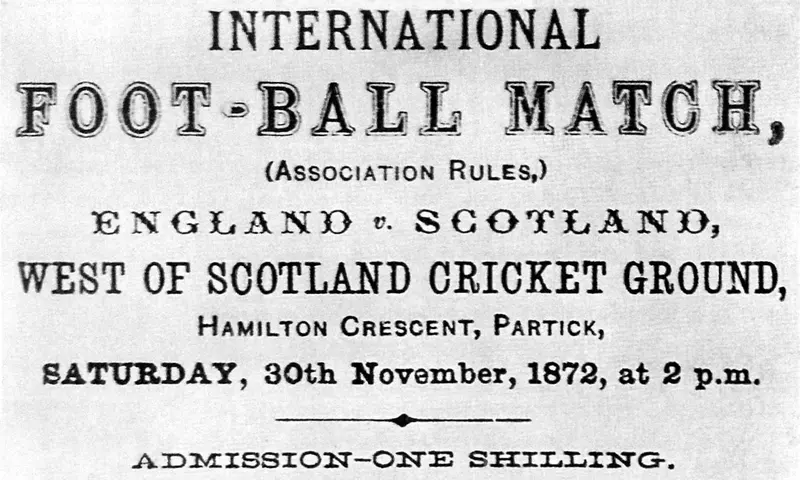
Photo: Unknown author, Public domain
- 30 Nov 1874 Born: Winston ChurchillSir Winston Churchill was a British statesman, army officer and writer. He was Prime Minister of the United Kingdom from 1940 to 1945, during the Sec…
-
30 Nov
1874 Born: Lucy Maud MontgomeryLucy Maud Montgomery, who wrote as L. M. Montgomery, was a Canadian author. She is best known for her novel Anne of Green Gables, published in 1908, …
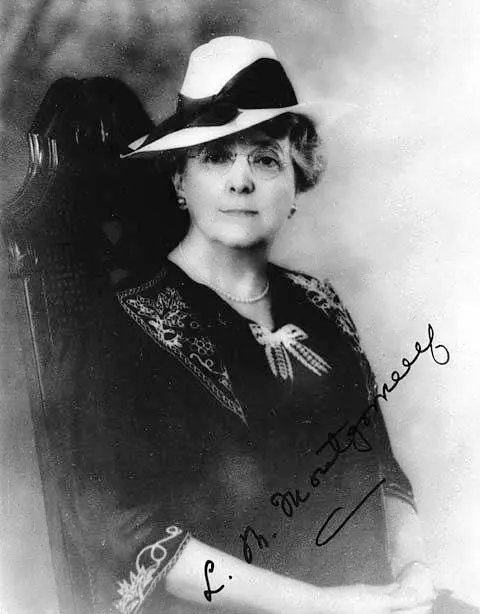
Photo: Unknown author, Public domain
- 30 Nov 1934 Flying Scotsman is the first steam engine officially to reach 100 mphThe steam locomotive Flying Scotsman became the first to be officially recorded going faster than 100 miles per hour (161 km/h). It was built in 1923…
-
30 Nov
1936 Alan Turing describes the Turing machine, a key idea in computingThe English mathematician Alan Turing published the first details of what became known as the Turing machine. It is an imaginary machine that follows…
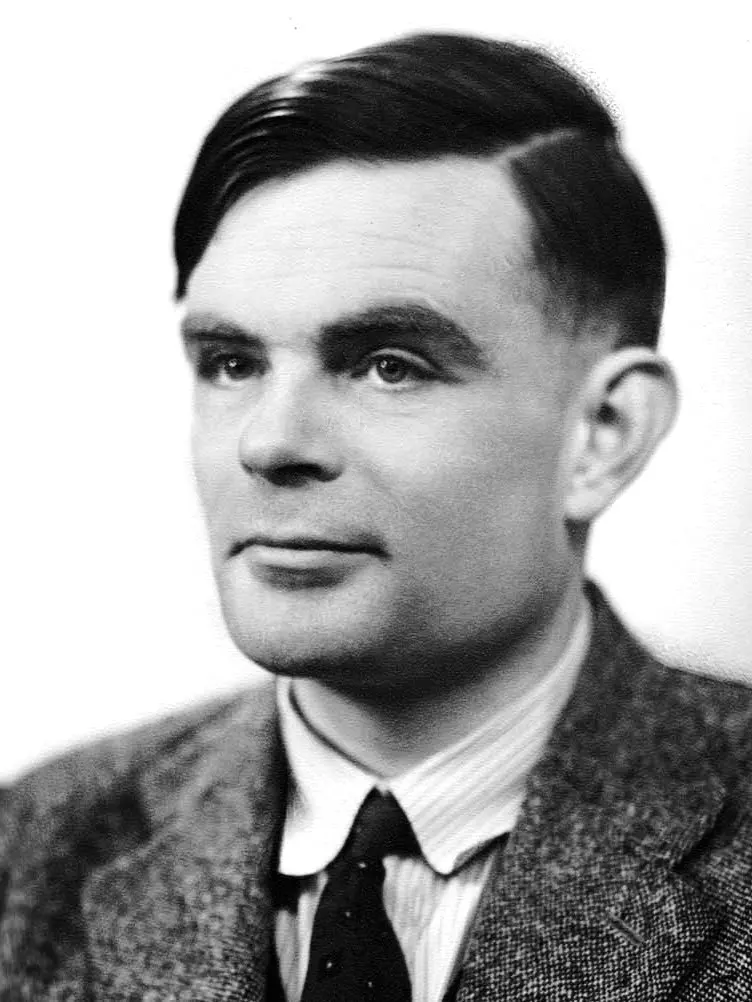
Photo: Elliott & Fry, Public domain
-
30 Nov
1936 The Crystal Palace in London is destroyed by fireThe Crystal Palace, a huge building of iron and glass in south London, was destroyed by fire. Designed by Joseph Paxton, it was first built in Hyde P…
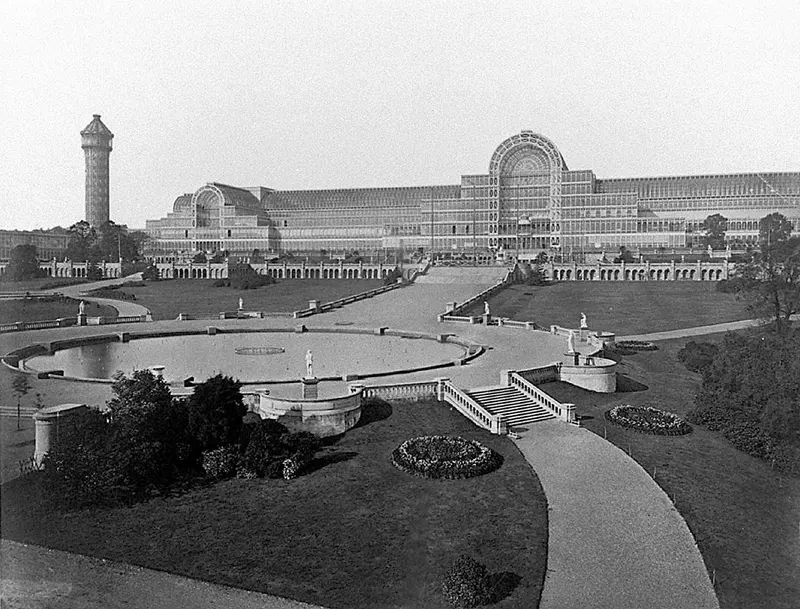
Photo: Philip Henry Delamotte (1821–1889), Public domain
- 30 Nov 1995 US President Bill Clinton speaks for peace in BelfastBill Clinton, the President of the United States, visited Northern Ireland. At Belfast City Hall, he spoke to a huge crowd in support of the Northern…
- 30 Nov 2021 Barbados becomes a republicBarbados, an island nation in the Caribbean, became a republic. This means its head of state is no longer a king or queen. Barbados had become indepe…
- 30 Nov 2022 The AI chatbot ChatGPT is launchedThe company OpenAI released ChatGPT, a chatbot that uses artificial intelligence, or AI. It uses computer programs called large language models to cr…
- 30 Nov Every year St Andrew's DaySt Andrew's Day is Scotland's official national day and the feast day of St Andrew, Scotland's patron saint. In the New Testament, Andrew is the disc…
Kings and queens of Scots
- 1034: Duncan became King of Scots. He is the real king behind “King Duncan” in William Shakespeare’s play Macbeth.
- 1292: John Balliol was chosen to be King of Scots.
- 1322: Robert the Bruce, King of Scots, defeated King Edward II of England at the Battle of Old Byland. He is still remembered in Scotland as a national hero.
- 1371: Robert II became the first Stewart king. His mother, Marjorie, was the daughter of Robert the Bruce.
- 1542: Mary, Queen of Scots, became queen when she was only a week old.
- 1603: King James VI of Scotland also became King of England and Ireland, joining the crowns together.
- 1707: on 1 May the kingdoms of Scotland and England joined to form one country, Great Britain.
Here are the stories from our calendar about Scotland before the union, in date order.
- 25 Nov 1034 Duncan becomes King of Scots after the death of Malcolm IIMalcolm II, King of Scots, died at Glamis in Angus, and his grandson Duncan became king. Malcolm had ruled the kingdom of Alba, an old name for Scotl…
-
17 Nov
1292 John Balliol is chosen to be King of ScotsAfter the death of Margaret, Maid of Norway, several people claimed the Scottish crown. A group of noblemen headed by King Edward I of England chose …
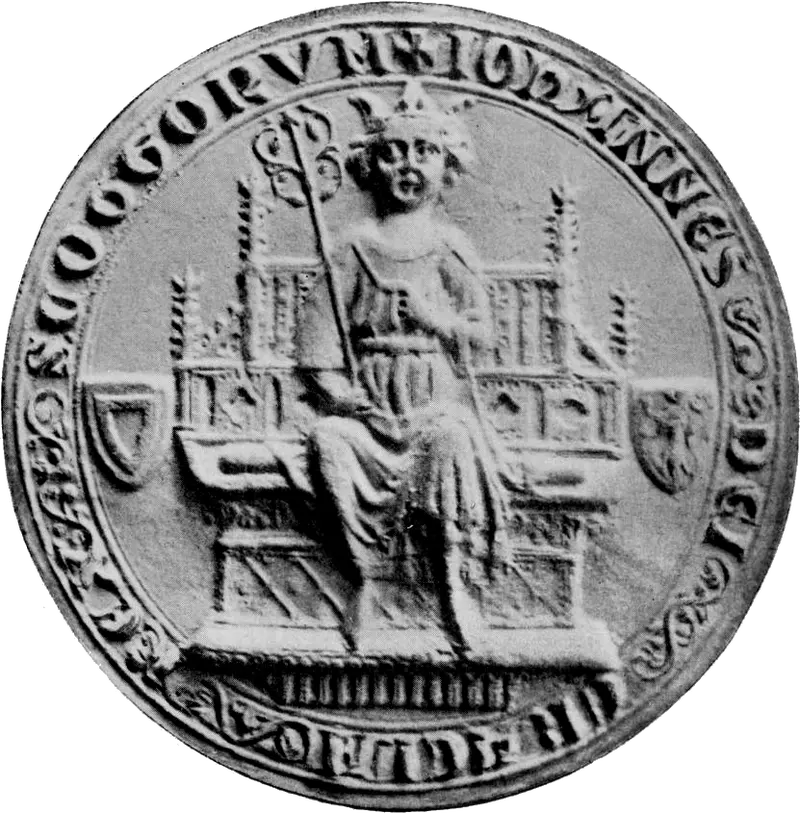
Photo: Unknown author, Public domain
- 23 Oct 1295 Scotland and France sign the first Auld Alliance treatyThe first treaty of the Auld Alliance was signed in Paris. It was an agreement between the kingdoms of Scotland and France to stand together against …
- 24 Feb 1303 The Scots win the Battle of RoslinDuring the First War of Scottish Independence, a Scottish force led by John Comyn and Sir Simon Fraser defeated the English near the village of Rosli…
-
14 Oct
1322 Robert the Bruce defeats Edward II at the Battle of Old BylandRobert the Bruce, King of Scots, defeated King Edward II of England at the Battle of Old Byland. The defeat pushed Edward towards accepting that Scot…
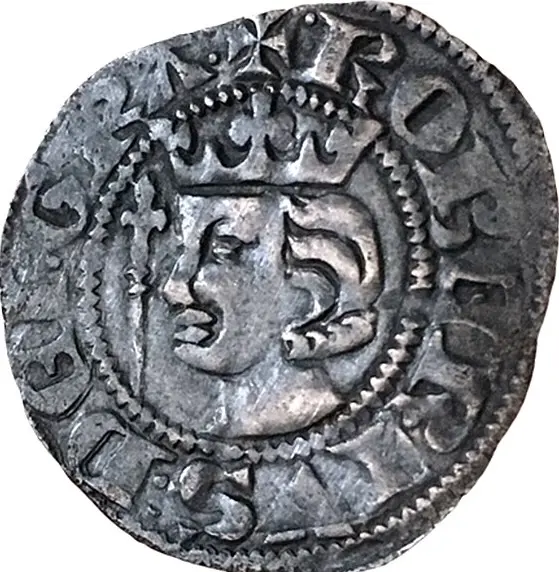
Photo: National Museums Liverpool, Heather Beeton, CC BY-SA 4.0
- 20 Jan 1356 Edward Balliol gives up his claim to the Scottish throneEdward Balliol gave up his claim to be King of Scots in return for a pension from England. Balliol's father, John Balliol, had been King of Scots fro…
- 22 Feb 1371 Robert II becomes the first Stewart king of ScotsRobert Stewart became King of Scots as Robert II after the death of his uncle, King David II. Robert's mother, Marjorie, was the daughter of the famo…
- 12 Feb 1429 English troops win the Battle of the Herrings in FranceDuring the Hundred Years' War, the English were besieging the French city of Orléans. French and Scottish forces attacked a convoy bringing them supp…
-
20 Feb
1472 Orkney and Shetland become part of ScotlandThe Scottish Parliament confirmed that Orkney and Shetland, which had belonged to Norway, were now part of Scotland. In 1468–69, the King of Denmark …
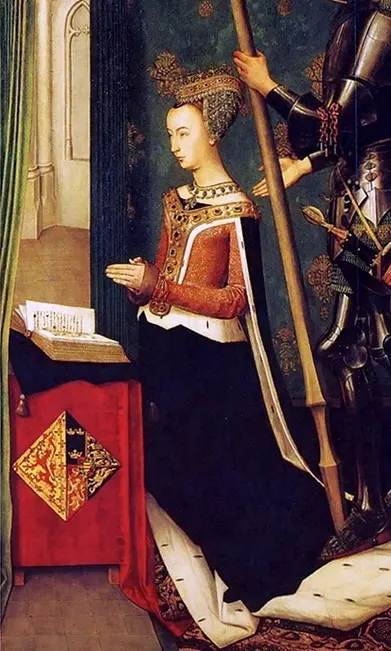
Photo: Hugo van der Goes, Public domain
- 24 Nov 1542 England defeats a Scottish army at the Battle of Solway MossA large Scottish army marched into England and was beaten near Solway Moss, by the River Esk, by a much smaller English force. About 1,200 Scots were…
-
8 Dec
1542 Born: Mary, Queen of ScotsMary, Queen of Scots, was the daughter of King James V of Scotland and Mary of Guise. When her father died, she became Queen of Scotland at just six …
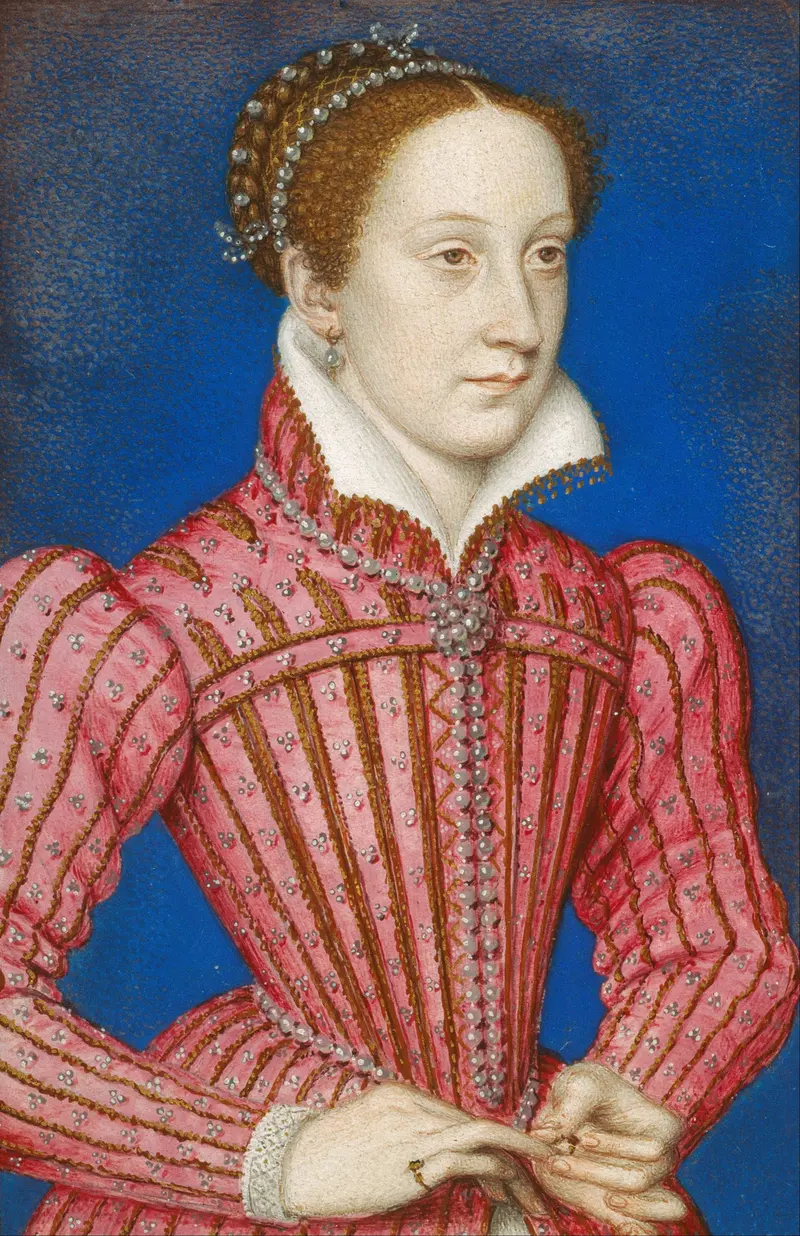
Photo: François Clouet, Public domain
-
14 Dec
1542 Mary, Queen of Scots, becomes queen at just one week oldMary Stuart became Queen of Scotland when she was only a week old, after her father, King James V, died. She is remembered as Mary, Queen of Scots. M…
Photo: François Clouet, Public domain
- 27 Feb 1560 England and Scottish lords sign the Treaty of BerwickRepresentatives of Queen Elizabeth I of England and a group of Scottish nobles called the Lords of the Congregation made an agreement at Berwick-upon…
-
14 Oct
1586 Mary, Queen of Scots, goes on trial in EnglandMary, Queen of Scots, went on trial accused of conspiracy, which means secretly plotting, against Queen Elizabeth I of England. Mary had been Queen o…
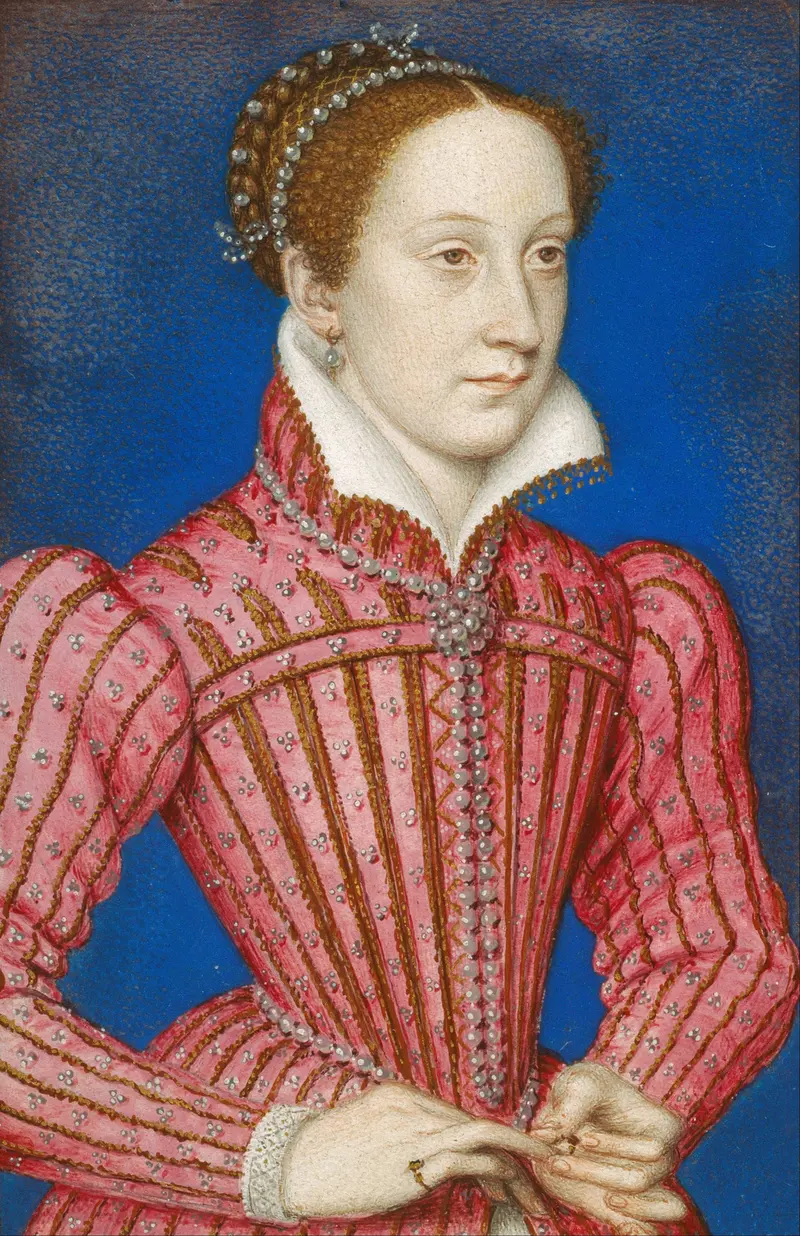
Photo: François Clouet, Public domain
-
28 Feb
1638 Scots adopt the National Covenant against Charles I's church changesThe National Covenant was formally adopted in Scotland. It was an agreement, signed by many Scottish people, opposing changes that King Charles I was…
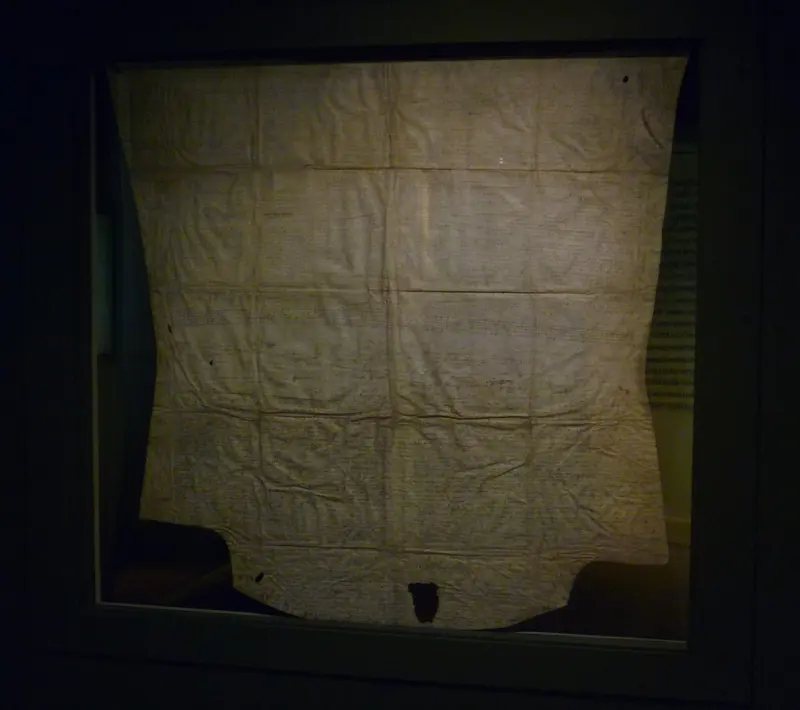
Photo: Kim Traynor, CC BY-SA 3.0
-
26 Oct
1640 Treaty of Ripon brings peace between Charles I and the ScotsKing Charles I of England signed the Treaty of Ripon with the Covenanters, a political movement in Scotland. The treaty was a truce, which is an agre…
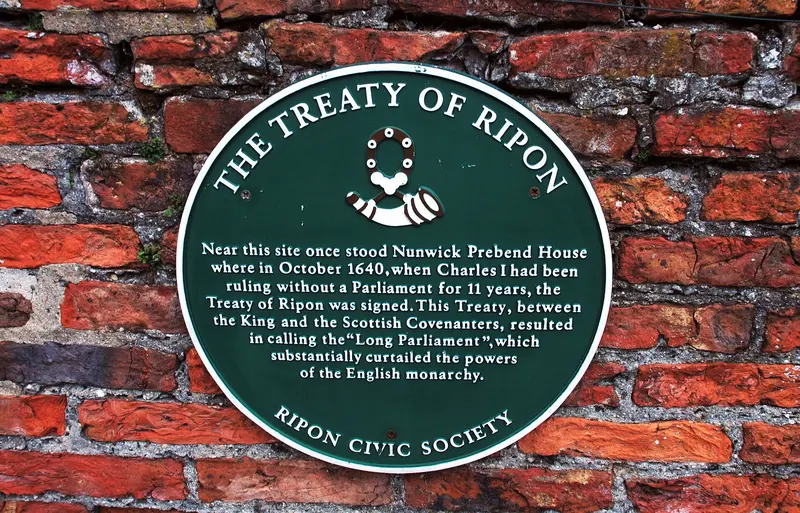
Photo: Richard Collier, CC BY-SA 4.0
-
2 Feb
1645 Royalists win the Battle of Inverlochy in ScotlandA Royalist army of Scottish Highlanders and Irish troops won the Battle of Inverlochy in Scotland. Led by James Graham, Marquess of Montrose, they de…
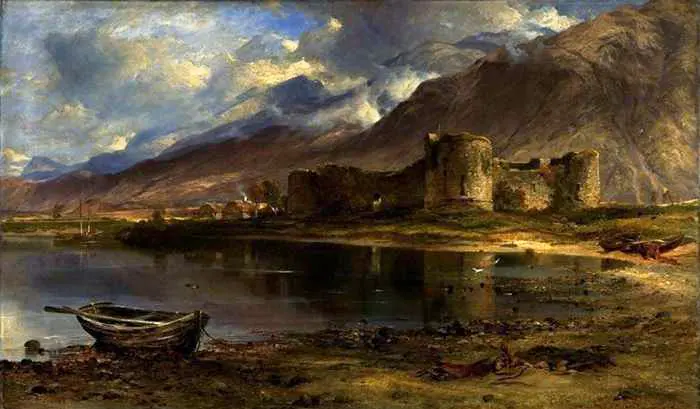
Photo: Horatio McCulloch (1805–1867), Public domain
- 17 Jan 1648 Parliament passes the Vote of No Addresses against Charles IDuring the English Civil War, Parliament voted to stop all talks with King Charles I. MPs had heard that the king was making a deal with the Scots. O…
-
1 Jan
1651 Charles II is crowned King of Scotland at SconeCharles II was crowned King of Scotland at Scone Palace, near Perth. He had arrived in Scotland in June 1650, where there was support for his rule. S…
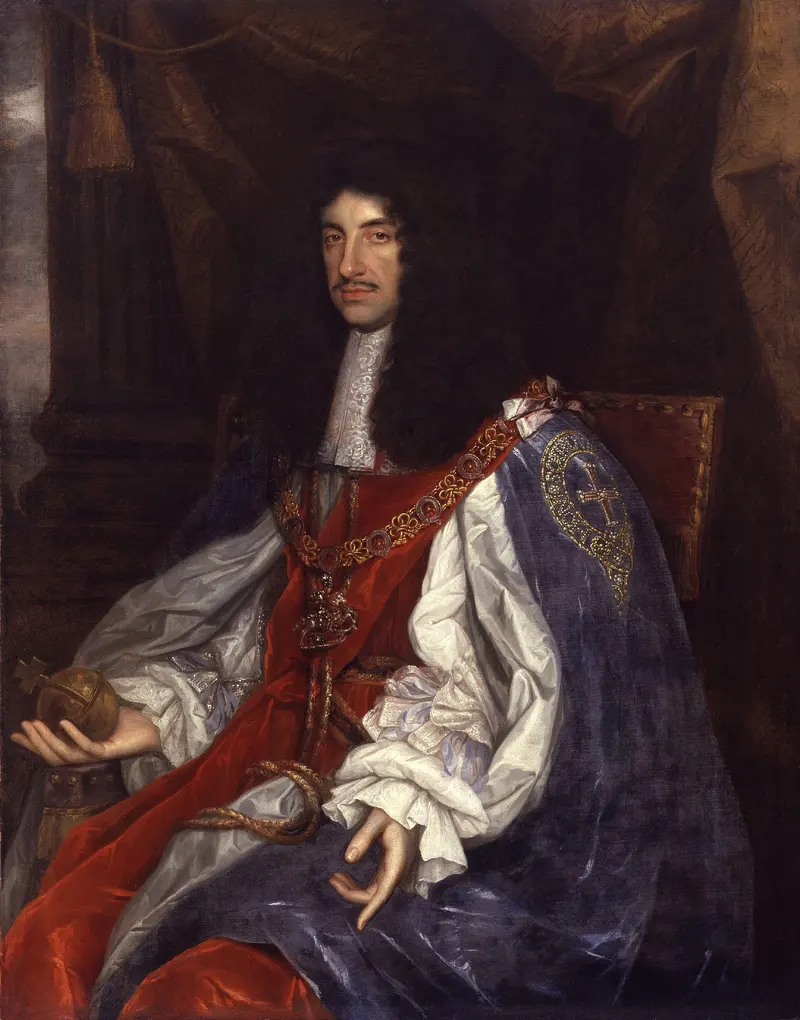
Photo: John Michael Wright, Public domain
- 16 Jan 1707 Scotland's Parliament votes for union with EnglandThe Parliament of Scotland voted by 110 votes to 69 to approve the Treaty of Union with England. England's Parliament passed its own act soon afterwa…
Scottish inventors and scientists
Many well-known inventors and scientists came from Scotland.
- James Watt, born in 1736, found a way to make steam engines waste much less energy. His improved engine was hugely important in the Industrial Revolution.
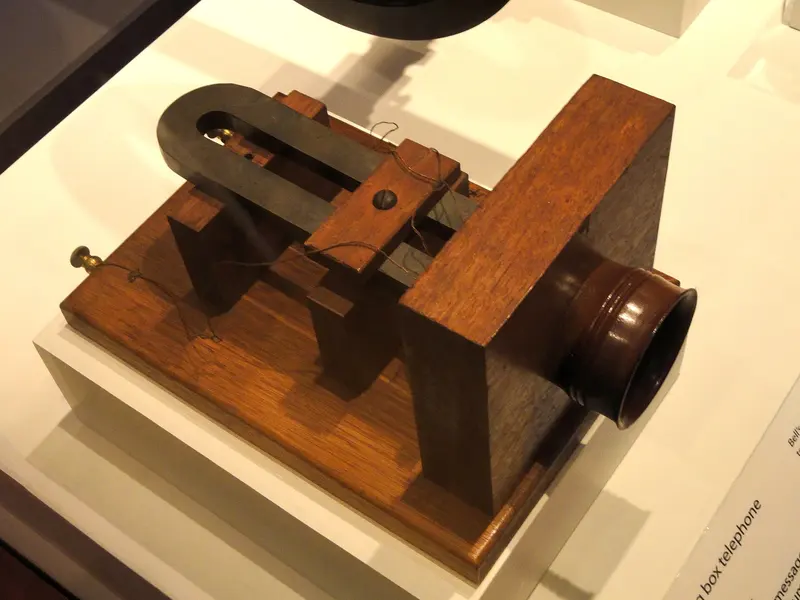
- Alexander Graham Bell, who was born in Scotland, applied for a patent for the telephone in 1876.
- John Logie Baird gave the first public demonstration of true television pictures on 26 January 1926.
- Alexander Fleming noticed in 1928 that a mould growing in his laboratory was killing bacteria. The substance it made became known as penicillin, the first antibiotic ever discovered.
- Dolly the sheep was announced in 1997 by scientists at the Roslin Institute in Midlothian. She was the first mammal to be cloned from a cell taken from an adult animal.
- 13 Feb 1728 Born: John HunterJohn Hunter was a Scottish surgeon and one of the leading scientists of his day. He believed in careful observation and scientific methods in medicin…
-
19 Jan
1736 Born: James WattJames Watt was a Scottish inventor and engineer, born on 19 January by the old calendar then used in Britain. While working at the University of Glas…
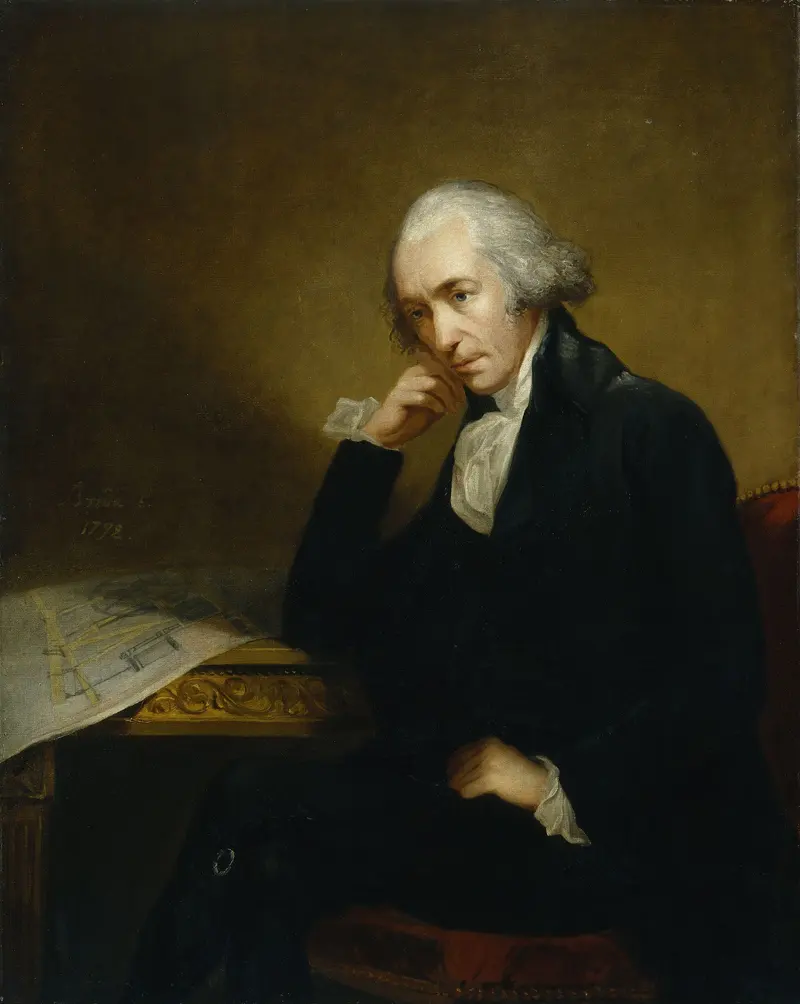
Photo: Carl Frederik von Breda, Public domain
-
3 Nov
1749 Born: Daniel RutherfordThe Scottish doctor, chemist and botanist Daniel Rutherford was born. A botanist is a scientist who studies plants. Rutherford is best known for isol…
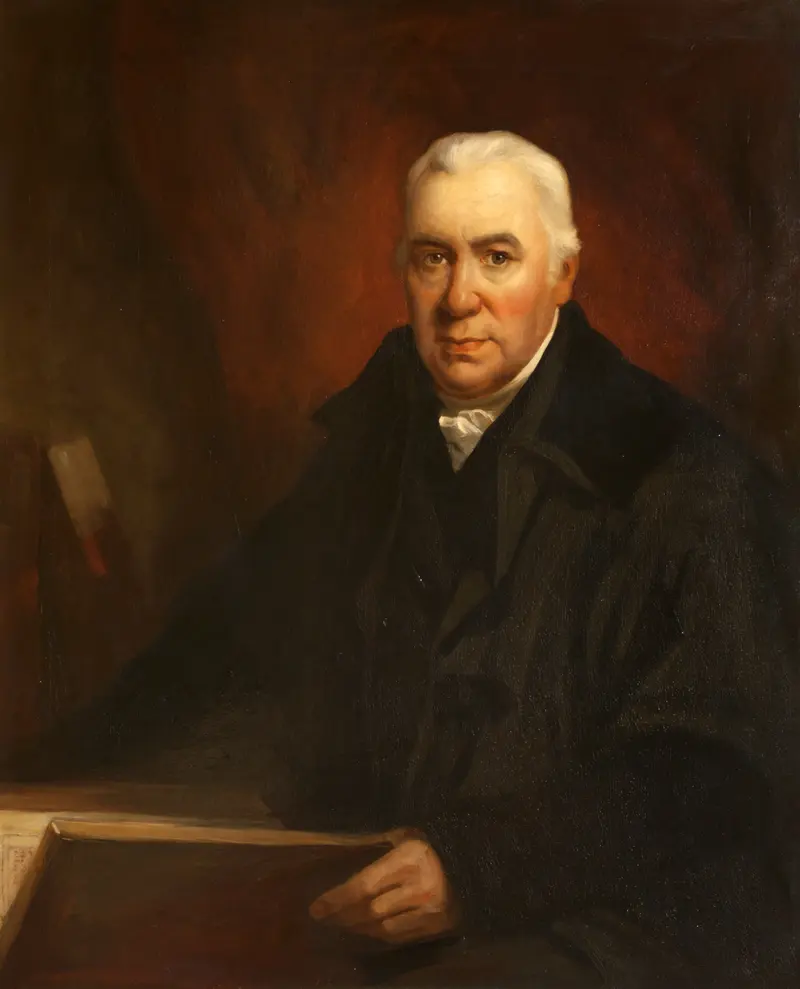
Photo: Henry Wright Kerr, Public domain
- 10 Dec 1768 The first Encyclopaedia Britannica comes out in EdinburghThe first edition of the Encyclopædia Britannica was released in Edinburgh, Scotland. It was founded by Colin Macfarquhar and Andrew Bell, and nearly…
-
26 Dec
1780 Born: Mary SomervilleMary Somerville was a Scottish scientist and writer, born in Jedburgh, who studied mathematics and astronomy. In 1835 she and Caroline Herschel becam…
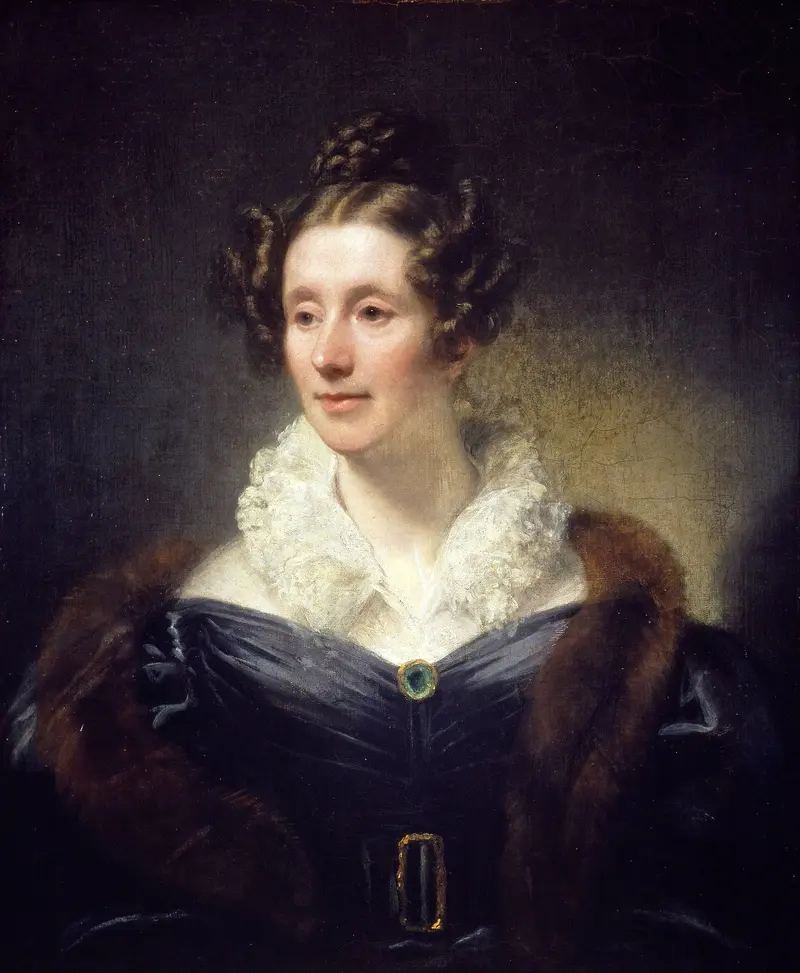
Photo: Thomas Phillips, Public domain
-
11 Dec
1781 Born: David BrewsterSir David Brewster was a Scottish scientist and inventor who studied light. In about 1815 he invented the kaleidoscope. It was a huge success, with 2…
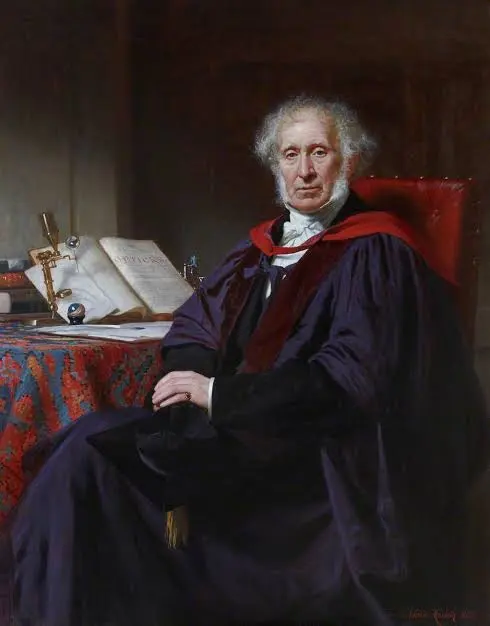
Photo: Scottish Scientists, CC BY-SA 4.0
- 14 Nov 1797 Born: Charles LyellScottish geologist Charles Lyell was born. In his famous book Principles of Geology, he explained that the Earth has been shaped by the same natural …
- 4 Nov 1847 James Young Simpson discovers chloroform works as an anaestheticThe Scottish doctor James Young Simpson discovered that chloroform could be used as an anaesthetic. An anaesthetic is a drug that causes a temporary …
- 2 Oct 1852 Born: William RamsaySir William Ramsay was a Scottish chemist who discovered the noble gases. Working with Lord Rayleigh, he identified argon, a gas found in the air. He…
- 14 Feb 1869 Born: C. T. R. WilsonCharles Thomson Rees Wilson was a Scottish physicist and weather scientist. He invented the cloud chamber, a device that shows the paths of tiny, inv…
-
14 Feb
1876 Alexander Graham Bell applies for a patent for the telephoneScottish-born inventor Alexander Graham Bell applied for a patent for the telephone in the United States. A patent is a legal right that stops other …
- 8 Feb 1879 Sandford Fleming suggests a worldwide standard timeScottish-born engineer Sandford Fleming first suggested a Universal Standard Time, at a meeting of the Royal Canadian Institute. He wanted the world …
- 25 Jan 1915 Bell opens the first coast-to-coast telephone line in the USAAlexander Graham Bell opened the first telephone service right across the United States. Speaking from New York, he talked to his former assistant Th…
-
2 Oct
1925 John Logie Baird sends the first television pictureIn his laboratory, the Scottish inventor John Logie Baird sent the first television picture with shades of grey. The picture showed the head of a ven…
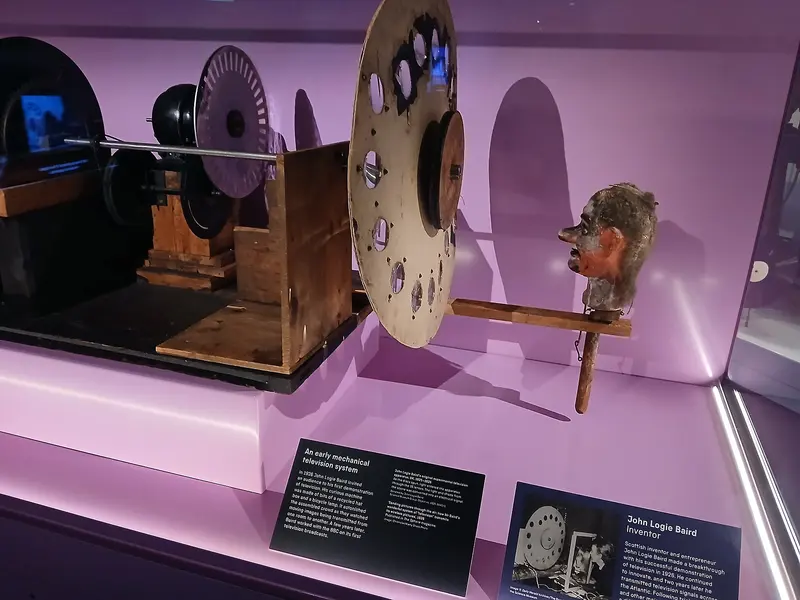
Photo: GolurkKoopa, CC0
-
26 Jan
1926 John Logie Baird gives the first demonstration of televisionScottish inventor John Logie Baird gave the first public demonstration of true television pictures, showing moving images of people. His audience was…
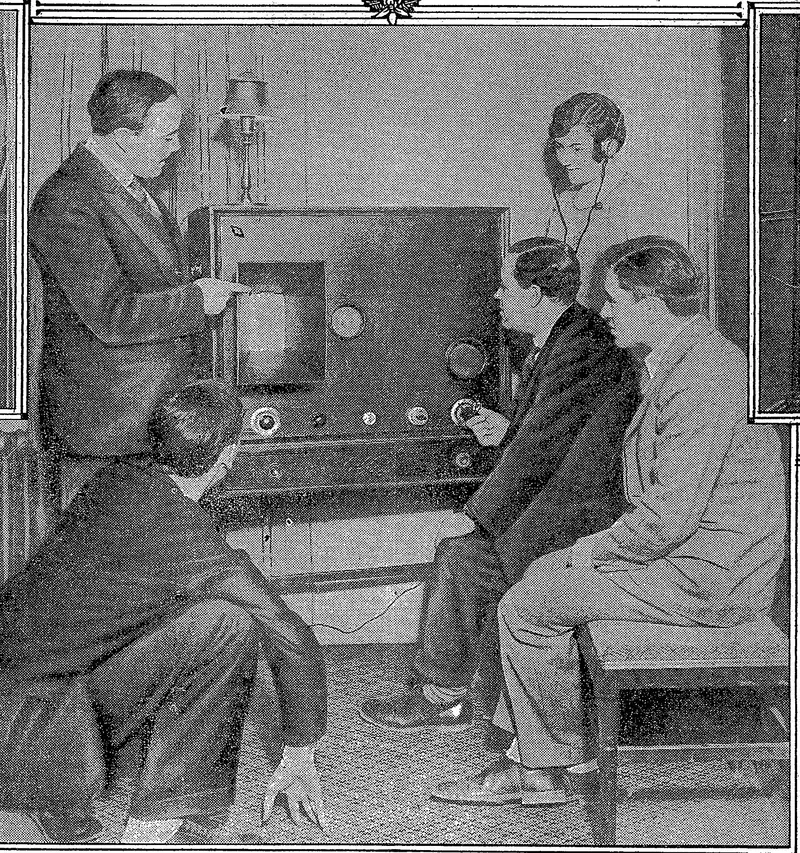
Photo: Baird Television, Public domain
-
28 Sep
1928 Alexander Fleming discovers penicillinScottish scientist Alexander Fleming noticed that a mould growing in his laboratory was killing bacteria. The substance it made became known as penic…
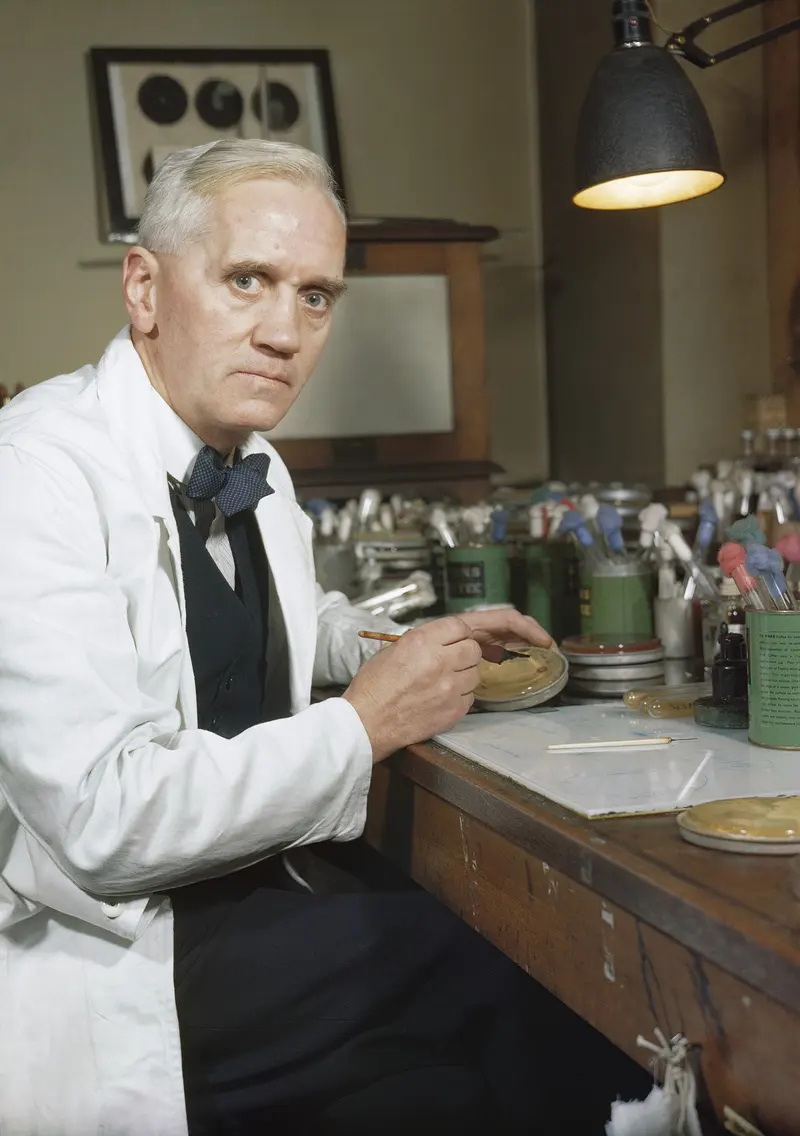
Photo: Official photographer, Public domain
- 26 Feb 1935 Robert Watson-Watt shows that radio waves can detect aircraftScottish engineer Robert Watson-Watt and his colleague Arnold Wilkins set up two receiving aerials near a BBC radio transmitter at Daventry, England.…
- 30 Oct 1960 The UK's first successful kidney transplant takes place in EdinburghSurgeon Michael Woodruff carried out the first successful kidney transplant in the UK, at the Royal Infirmary of Edinburgh. In a transplant, a health…
-
22 Feb
1997 Scientists reveal Dolly the sheep, the first cloned mammalScientists at the Roslin Institute in Midlothian, Scotland, announced Dolly, a Finn-Dorset sheep born the summer before. She was the first mammal to …
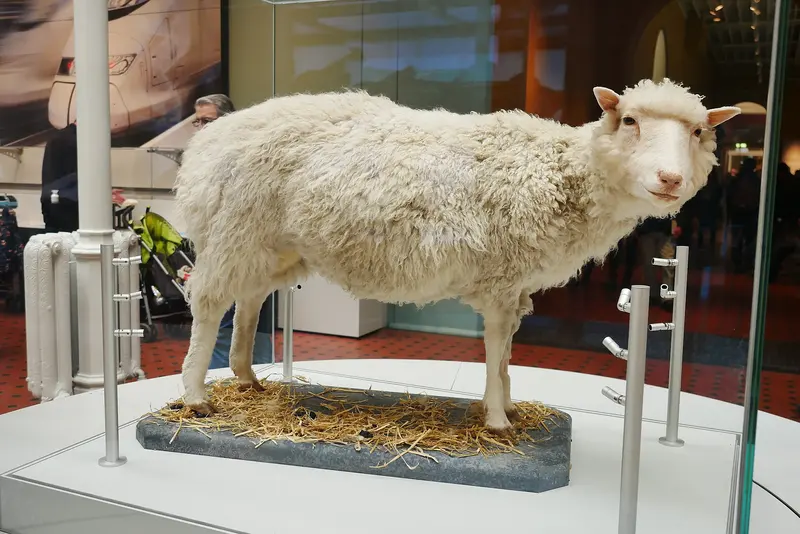
Photo: Sgerbic, CC BY-SA 4.0
From St Andrew’s Day to Burns Night
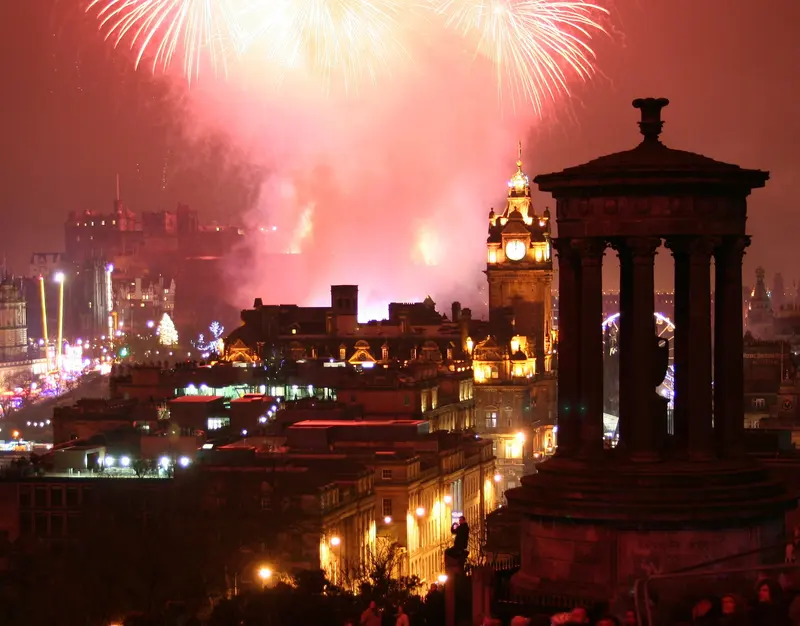
The winter festivals carry on after 30 November. Hogmanay is the Scots word for the last day of the year. A favourite custom is first-footing, visiting friends and neighbours just after midnight, as the first guest is said to bring luck. You can read more on our 31 December page.
Robert Burns, who is regarded as Scotland’s national poet, was born on 25 January 1759 in Alloway, Ayrshire. His songs include “Auld Lang Syne”, which is often sung at Hogmanay.
Here is one more date for the diary. In 1600, Scotland decided that each new year would begin on 1 January instead of 25 March. England kept 25 March as the start of the year for much longer.