A Day in the Past

On this day: 1 January

202 things happened on 1 January, from 153 BC to 2026. UK stories come first, then the rest of the world.

Printable worksheet Take the quiz

Did you know?

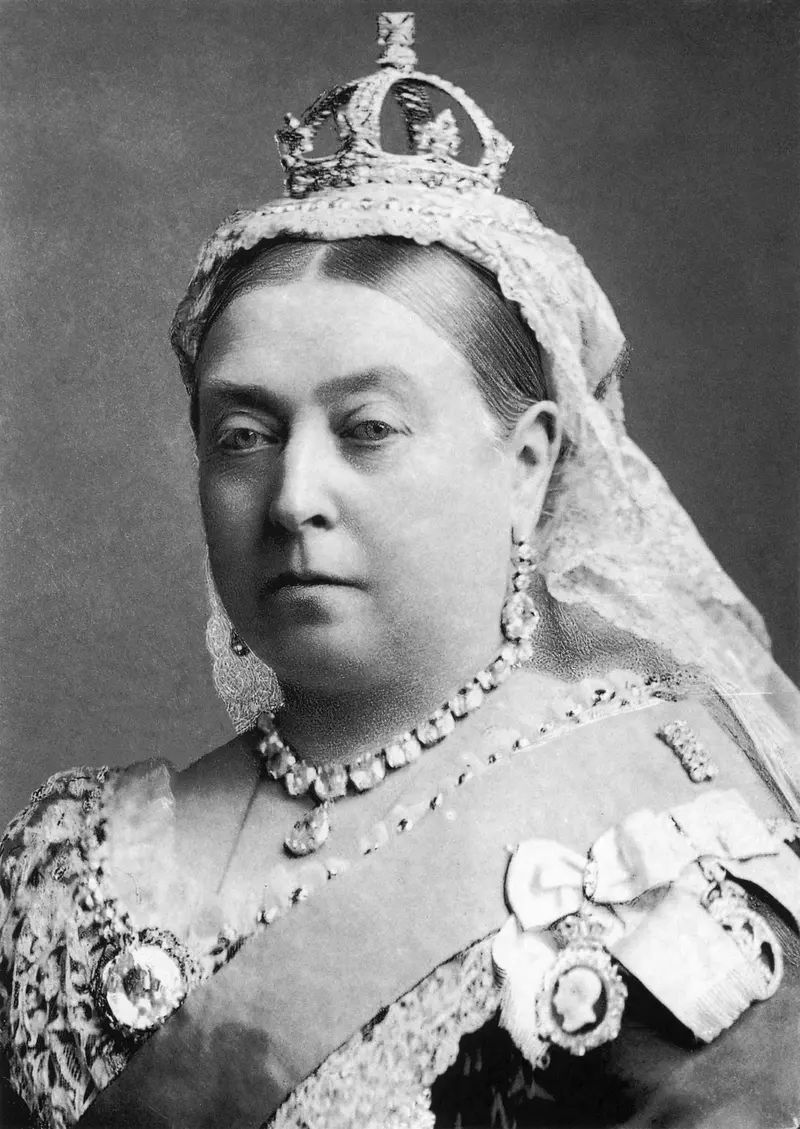
Black-and-white photo of Queen Victoria wearing a small crown, a lace veil and a jewelled necklace
Photo: Alexander Bassano, Public domain

1877 · 149 years ago

Queen Victoria is proclaimed Empress of India

Queen Victoria was proclaimed Empress of India. The British Parliament had voted in 1876 to give her this extra title, to show that she ruled over the British Indian Empire. Her picture appeared on Indian money and in government buildings and railway stations…
In the UK 29

UK history first: stories from England, Scotland, Wales and Northern Ireland.

1600 426 years ago

UK story

Scotland starts counting its new year from 1 January

Scotland decided that each new year would begin on 1 January instead of 25 March. Until then, the year number had changed in late March, in the spring. England kept 25 March as the start of the year for much longer. It only switched to 1 January after a law called the Calendar (New Style) Act 1750.

1651 375 years ago

UK story

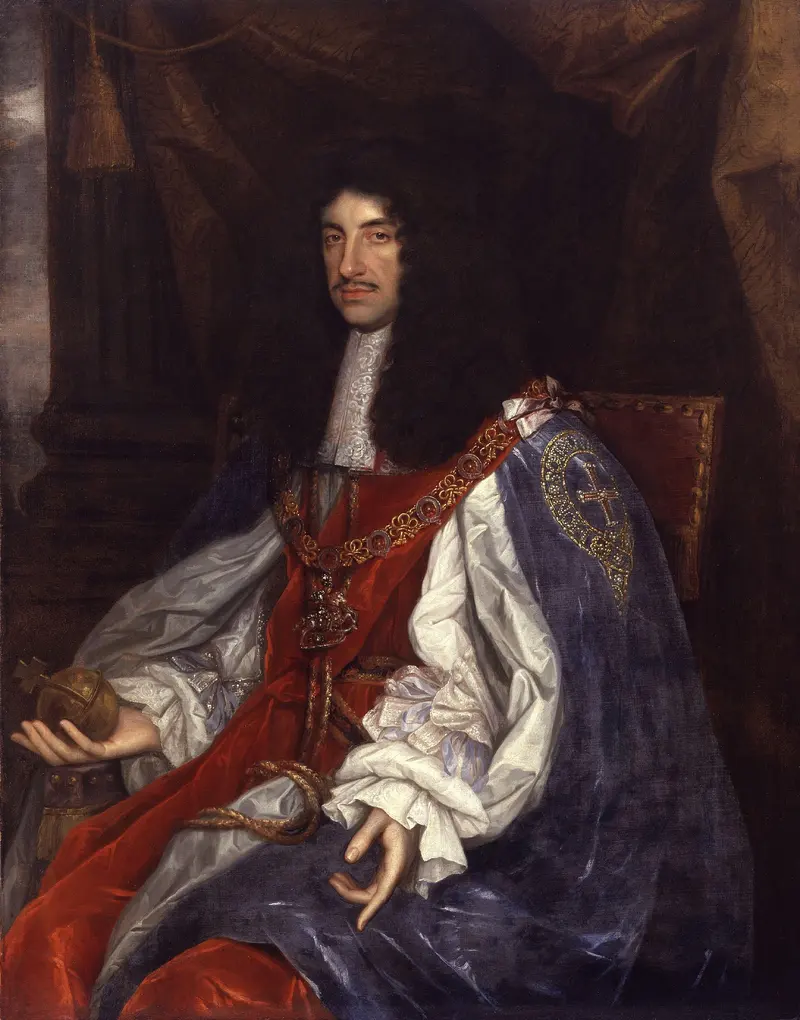
Charles II is crowned King of Scotland at Scone

Charles II was crowned King of Scotland at Scone Palace, near Perth. He had arrived in Scotland in June 1650, where there was support for his rule. Special medals called 'coronation pieces' were ordered from the Scottish mint for the occasion. In 1660, when the monarchy was restored, Charles also became King of England and Ireland, and he reigned until 1685.

Painted portrait of King Charles II with long dark curly hair, wearing red and white robes and holding an orb
King Charles II, painted by John Michael Wright or his studio Photo: John Michael Wright, Public domain
1801 225 years ago

UK story

The United Kingdom of Great Britain and Ireland is created

The Kingdom of Great Britain and the Kingdom of Ireland joined to become one country: the United Kingdom of Great Britain and Ireland. Laws called the Acts of Union 1800 made this happen, and the new UK Parliament first met on 22 January 1801. The Union Flag got a new design, adding the red diagonal cross of Saint Patrick. This design is still the UK's flag.

1818 208 years ago

UK story

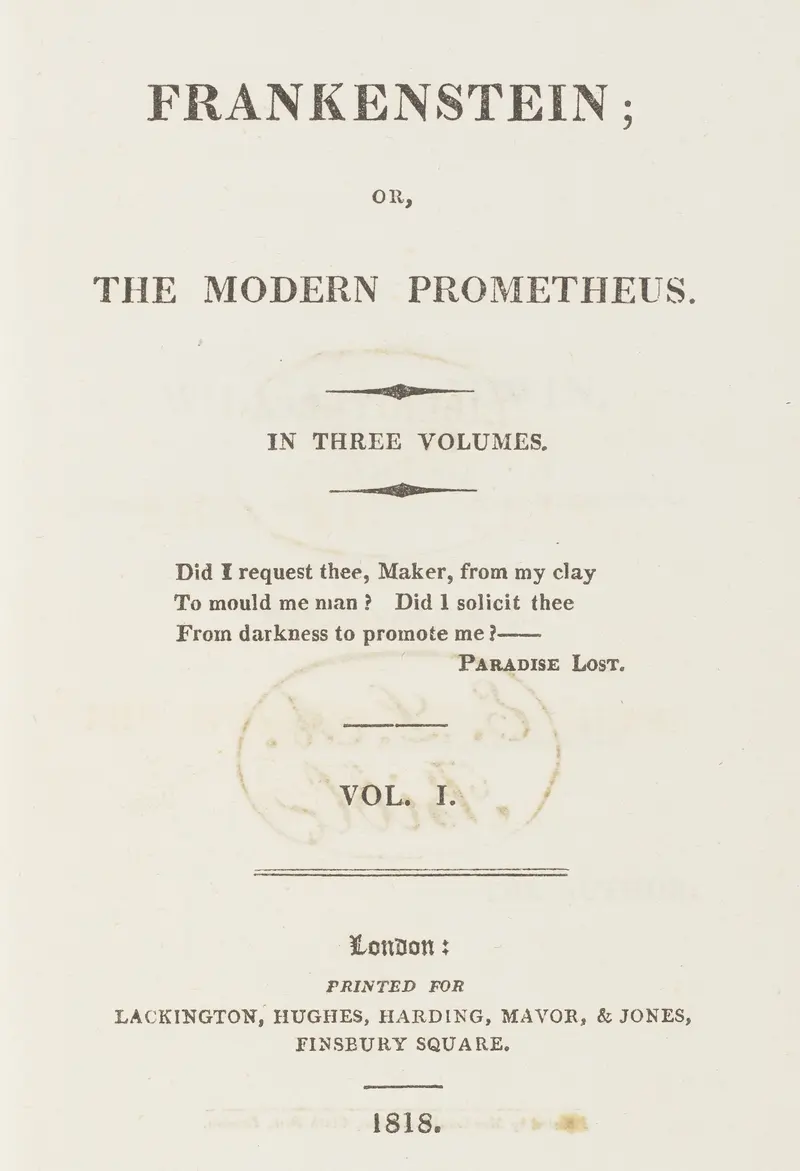
Mary Shelley's novel Frankenstein is published

The Gothic novel Frankenstein was published in London, without the author's name on it. It tells the story of Victor Frankenstein, a young scientist who creates a thinking creature in a strange experiment. The author, Mary Shelley, began writing it when she was 18 and was 20 when it came out. Frankenstein is seen as one of the earliest science fiction stories.

Old printed title page reading Frankenstein; or, The Modern Prometheus, in three volumes, 1818
The title page of the first edition of Frankenstein, 1818 Photo: Mary Shelley, Public domain
1877 149 years ago

UK story

Queen Victoria is proclaimed Empress of India

Queen Victoria was proclaimed Empress of India. The British Parliament had voted in 1876 to give her this extra title, to show that she ruled over the British Indian Empire. Her picture appeared on Indian money and in government buildings and railway stations. Victoria reigned for 63 years, and her time on the throne is known as the Victorian era.

Black-and-white photo of Queen Victoria wearing a small crown, a lace veil and a jewelled necklace
Queen Victoria, photographed by Alexander Bassano in 1882 Photo: Alexander Bassano, Public domain
1948 78 years ago

UK story

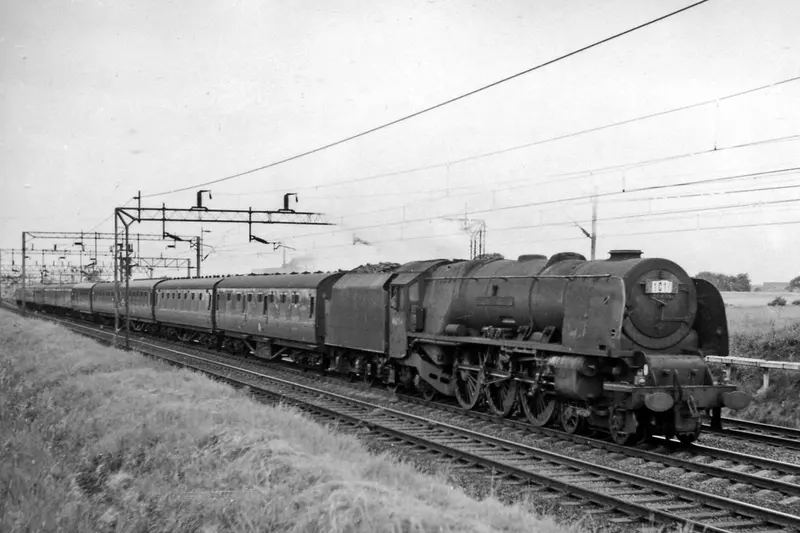
British Railways is created as the railways are nationalised

Britain's 'Big Four' railway companies were nationalised, which means the government took them over. Together they became British Railways, a single state-owned company running trains across Great Britain. From 1965 it was known as British Rail. It ran the railways until they were privatised, or sold to private companies, in the 1990s.

Black-and-white photo of a big steam locomotive pulling a long passenger train under overhead wires
A British Railways steam express from Carlisle to Birmingham at Hartford Junction in 1964 Photo: Ben Brooksbank, CC BY-SA 2.0
1973 53 years ago

UK story

The UK joins the European Economic Community

The United Kingdom, Denmark and Ireland joined the European Economic Community, or EEC. The EEC was a group of countries set up in 1957 to bring their economies closer together. It later became part of the European Union. The UK was a member for 47 years, until it left the European Union on 31 January 2020, which is known as Brexit.

1985 41 years ago

UK story

The first mobile phone call is made in Britain

The first British mobile phone call was made by Michael Harrison to his father, Sir Ernest Harrison. Sir Ernest was the first chairman of Vodafone, which began as the mobile phone part of the electronics company Racal. Mobile phones send calls using radio signals, so people can talk while they move around. Vodafone is now a big British telecommunications company.

1847 179 years ago

UK story

The world's first "Mercy" Hospital is founded in Pittsburgh, United States, by a group of Sisters of Mercy from Ireland; the name will go on to grace over 30 major hospitals throughout the world.

1901 125 years ago

UK story

The British colonies of New South Wales, Queensland, Victoria, South Australia, Tasmania, and Western Australia federate as the Commonwealth of Australia; Edmund Barton is appointed the first Prime Minister.

1947 79 years ago

UK story

Cold War: The American and British occupation zones in Allied-occupied Germany, after World War II, merge to form the Bizone, which later (with the French zone) became part of West Germany.

1999 27 years ago

UK story

The Euro currency is introduced in 11 member nations of the European Union (with the exception of the United Kingdom, Denmark, Greece and Sweden).

Around the world 79

1801 225 years ago

Astronomer Giuseppe Piazzi discovers the dwarf planet Ceres

Italian astronomer Giuseppe Piazzi spotted Ceres from his observatory in Palermo, Sicily. It was announced as a new planet and named after the Roman goddess of farming. Ceres was the first object found in the asteroid belt, between Mars and Jupiter. It is now called a dwarf planet, and it is the only confirmed one in the asteroid belt.

1983 43 years ago

ARPANET switches to TCP/IP, creating the Internet

The ARPANET, an early American computer network, switched to using a set of rules called TCP/IP. These rules let different computer networks connect and pass information between them. Because of this, the switch is said to have created the Internet. The Internet is a worldwide 'network of networks' that carries websites, email and much more.

1502 524 years ago

The present-day location of Rio de Janeiro, Brazil, is first explored by the Portuguese under their commissioned Florentine explorer, Amerigo Vespucci. Vespucci begins his suspicion that there is a whole continent between Europe and Asia.

1808 218 years ago

As a result of the lobbying efforts by the abolitionist movement (emblem pictured), the importation of slaves into the United States was officially banned, although slavery itself remained permitted.

1810 216 years ago

Lachlan Macquarie (pictured) became Governor of New South Wales, eventually playing a major role in the social, economic and architectural development of the colony in Australia.

1845 181 years ago

The Philippines moves its national calendar to align with other Asian countries' calendars by skipping Tuesday, December 31, 1844. The change has been ordered by Governor–General Narciso Claveria to reform the country's calendar so that it aligns with the rest of Asia. Its territory has been one day behind the rest of Asia for 323 years since the arrival of Ferdinand Magellan in the Philippines on March 16, 1521.

1898 128 years ago

New York, New York annexes land from surrounding counties, creating the City of Greater New York. The four initial boroughs, Manhattan, Brooklyn, Queens, and The Bronx, are joined on January 25 by Staten Island to create the modern city of five boroughs.

1984 42 years ago

The original American Telephone & Telegraph Company is divested of its 22 Bell System companies as a result of the settlement of the 1974 United States Department of Justice antitrust suit against AT&T.

1995 31 years ago

The World Trade Organization, the international organization designed to supervise and liberalize international trade, came into being, replacing the General Agreement on Tariffs and Trade.

2004 22 years ago

In a vote of confidence, General Pervez Musharraf wins 658 out of 1,170 votes in the Electoral College of Pakistan, and according to Article 41(8) of the Constitution of Pakistan, is "deemed to be elected" to the office of President until October 2007.

2019 7 years ago

The NASA space probe New Horizons flew by the trans-Neptunian object Arrokoth, making it the farthest object visited by a spacecraft.

Quick quiz

Every answer is somewhere on this page. Have a go, then check!

  1. In which year did this happen: “Queen Victoria is proclaimed Empress of India”?

    1. 1877
    2. 1863
    3. 1973
    Show the answer

    A: 1877. 1877 — that’s 149 years ago. Find it on the page

  2. In which year did this happen: “The first mobile phone call is made in Britain”?

    1. 1985
    2. 1801
    3. 1776
    Show the answer

    A: 1985. 1985 — that’s 41 years ago. Find it on the page

  3. Which of these happened first?

    1. British Railways is created as the railways are nationalised
    2. The first mobile phone call is made in Britain
    3. Queen Victoria is proclaimed Empress of India
    Show the answer

    C: Queen Victoria is proclaimed Empress of India. 1948: British Railways is created as the railways are nationalised · 1985: The first mobile phone call is made in Britain · 1877: Queen Victoria is proclaimed Empress of India Find it on the page

  4. “British Railways is created as the railways are nationalised” happened in 1948. How many years ago was that?

    1. 68 years
    2. 88 years
    3. 78 years
    Show the answer

    C: 78 years. 2026 − 1948 = 78. Find it on the page

Born on this day 36

Famous people whose birthday is 1 January.

Remembering 22

Well-known people who died on 1 January.

Special days 14

Festivals, holidays and saints’ days celebrated on 1 January somewhere in the world.

For older readers 22 Show stories about war, disasters, crime and other difficult history

Content note: these entries mention things like war, violence, deaths, disasters or crime. They are part of history, but they can be upsetting. Grown-ups and teachers: you may want to read them first. They come straight from Wikipedia and have not been rewritten for children.

Where these facts come from

Stories with a heading have been written for young readers by A Day in the Past, using the linked articles as sources. Other entries show text from Wikipedia’s “January 1” page and its “On this day” feed, written by Wikipedia contributors and shared under the Creative Commons Attribution-ShareAlike 4.0 licence. Each “Read more” link goes to the article an entry is based on. Photos are credited under each picture. Spotted a mistake? Please tell us.