A Day in the Past

On this day: 24 February

139 things happened on 24 February, from AD 484 to 2025. UK stories come first, then the rest of the world.

Printable worksheet Take the quiz

Did you know?

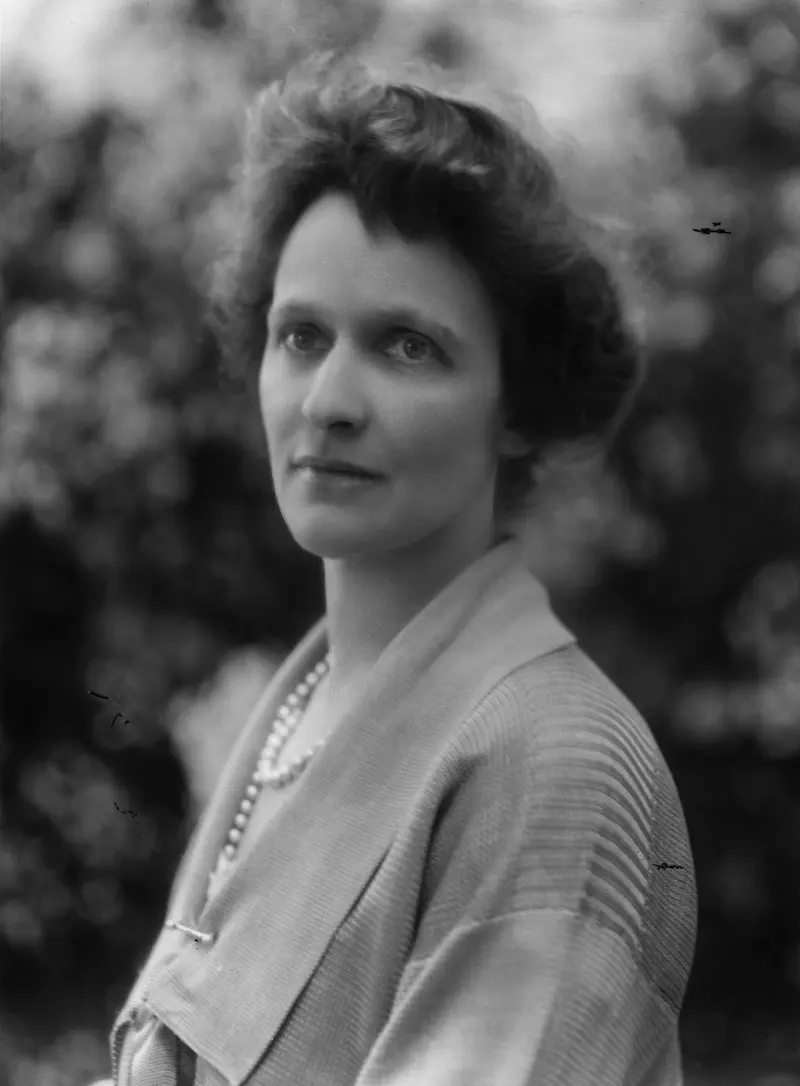
Black-and-white photo of Nancy Astor with her hair pinned up, wearing a pearl necklace
Photo: Bassano Ltd, Public domain

1920 · 106 years ago

Nancy Astor is the first woman to speak in the House of Commons

Nancy Astor became the first woman to make a speech in the House of Commons, three months after being elected as a Member of Parliament (MP). She was also the first woman to take her seat as an MP, and she served until 1945. Astor was born in Virginia, in the…
In the UK 10

UK history first: stories from England, Scotland, Wales and Northern Ireland.

1303 723 years ago

UK story

The Scots win the Battle of Roslin

During the First War of Scottish Independence, a Scottish force led by John Comyn and Sir Simon Fraser defeated the English near the village of Roslin. The Scots made a surprise attack on an English scouting party led by Lord John Segrave. The wars began when English kings tried to take control of Scotland, while the Scots fought to keep their country independent.

1711 315 years ago

UK story

Handel's opera Rinaldo opens in London

George Frideric Handel's opera Rinaldo was first performed at the Queen's Theatre in the Haymarket, London. It was the first opera in the Italian language written specially for the London stage. Its story of love and war is set at the time of the First Crusade. The staging had many vivid special effects, and the opera was a great success with the public.

1809 217 years ago

UK story

The Theatre Royal, Drury Lane, burns down

The Theatre Royal, Drury Lane, in London burned down after standing for only 15 years. It was the third theatre built on the site. Its owner, the playwright Richard Brinsley Sheridan, was ruined by the loss. A new theatre opened in 1812 and still stands, making Drury Lane the oldest theatre site in London that is still in use.

1854 172 years ago

UK story

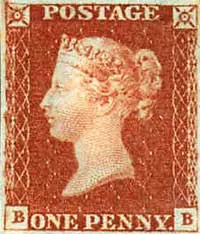
The Penny Red becomes the first official perforated stamp

Penny Red stamps began to be officially issued with perforations, the rows of tiny holes that let stamps be torn apart neatly. The Penny Red had replaced the famous Penny Black in 1841. Its colour was changed because a black cancellation mark, used to stop a stamp being reused, was hard to see on a black stamp. About 21 billion Penny Reds were printed.

A red postage stamp showing Queen Victoria's head and the words Postage and One Penny
A Penny Red stamp Photo: The original uploader was Hephaestos at English Wikipedia, Public domain
1917 109 years ago

UK story

The secret Zimmermann Telegram is reported to the US president

Walter Hines Page, the American ambassador in London, reported the Zimmermann Telegram to President Wilson. In this secret coded message, Germany offered to help Mexico win back Texas, Arizona and New Mexico if it joined the First World War against the United States. British codebreakers in 'Room 40' had intercepted and decoded it. Once made public, it helped turn Americans towards joining the war in April 1917.

1920 106 years ago

UK story

Nancy Astor is the first woman to speak in the House of Commons

Nancy Astor became the first woman to make a speech in the House of Commons, three months after being elected as a Member of Parliament (MP). She was also the first woman to take her seat as an MP, and she served until 1945. Astor was born in Virginia, in the United States, and moved to England, where she married Waldorf Astor in 1906.

Black-and-white photo of Nancy Astor with her hair pinned up, wearing a pearl necklace
Nancy Astor, the first woman MP to take her seat in Parliament Photo: Bassano Ltd, Public domain
1809 217 years ago

UK story

Napoleonic Wars: The British invasion of Martinique ended with the unconditional surrender of French admiral Louis Thomas Villaret de Joyeuse (pictured), beginning a five-year occupation of the island.

Around the world 38

1582 444 years ago

Pope Gregory XIII announces a new calendar

Pope Gregory XIII announced changes to the calendar. The old Julian calendar had a leap year every four years, which made it slowly drift out of step with the seasons. In the new Gregorian calendar, years ending in 00 are only leap years if they can be divided by 400. To catch up, 10 days were skipped in October 1582. Britain switched in 1752, and most of the world uses this calendar today.

1607 419 years ago

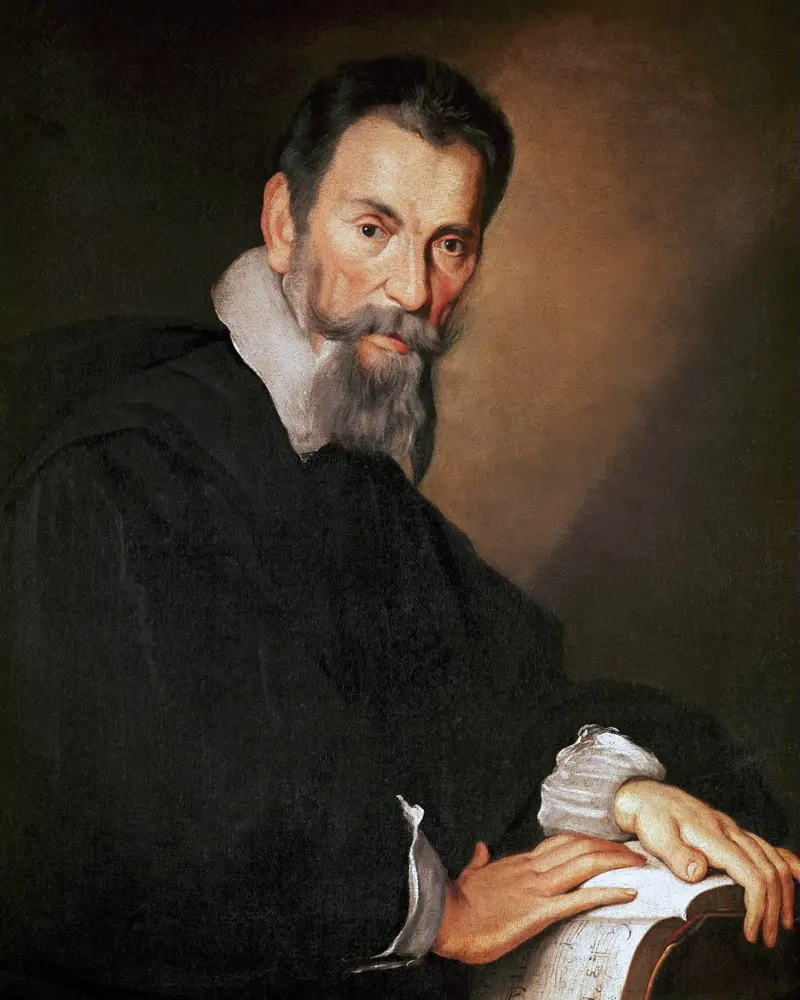
Monteverdi's opera L'Orfeo is first performed

Italian composer Claudio Monteverdi's opera L'Orfeo was first performed in Mantua, Italy. It tells the Greek legend of Orpheus, who travels to the underworld to try to bring his wife, Eurydice, back to the world of the living. It was not the very first opera, but it is the earliest one that is still regularly performed. Monteverdi was a pioneer in the development of opera.

Painted portrait of Claudio Monteverdi with grey hair and a pointed beard, holding a book of music
Claudio Monteverdi, painted by Bernardo Strozzi around 1630 Photo: Bernardo Strozzi, Public domain
1876 150 years ago

Peer Gynt opens with music by Edvard Grieg

Henrik Ibsen's play Peer Gynt was first performed on stage in Christiania, now Oslo, in Norway. It came with music written for it by the Norwegian composer Edvard Grieg. Grieg later turned some of the music into two suites, which include the famous pieces 'Morning Mood' and 'In the Hall of the Mountain King'. Ibsen is often called 'the father of modern drama'.

2011 15 years ago

Space Shuttle Discovery blasts off on its final mission

NASA's Space Shuttle Discovery launched on its 39th and final mission, STS-133, to the International Space Station. Its crew of six astronauts landed back on Earth on 9 March. Over 27 years, Discovery launched and landed 39 times, more spaceflights than any other spacecraft. Nearly 25,000 heat-resistant tiles covered the shuttle to protect it from great heat.

2008 18 years ago

Fidel Castro retires as the President of Cuba and the Council of Ministers after 32 years. He would remain as head of the Communist Party for another three years.

Quick quiz

Every answer is somewhere on this page. Have a go, then check!

  1. In which year did this happen: “Handel's opera Rinaldo opens in London”?

    1. 1854
    2. 1303
    3. 1711
    Show the answer

    C: 1711. 1711 — that’s 315 years ago. Find it on the page

  2. In which year did this happen: “The Theatre Royal, Drury Lane, burns down”?

    1. 1854
    2. 1809
    3. 1303
    Show the answer

    B: 1809. 1809 — that’s 217 years ago. Find it on the page

  3. Which of these happened first?

    1. The Theatre Royal, Drury Lane, burns down
    2. Nancy Astor is the first woman to speak in the House of Commons
    3. Handel's opera Rinaldo opens in London
    Show the answer

    C: Handel's opera Rinaldo opens in London. 1809: The Theatre Royal, Drury Lane, burns down · 1920: Nancy Astor is the first woman to speak in the House of Commons · 1711: Handel's opera Rinaldo opens in London Find it on the page

  4. “Nancy Astor is the first woman to speak in the House of Commons” happened in 1920. How many years ago was that?

    1. 116 years
    2. 106 years
    3. 96 years
    Show the answer

    B: 106 years. 2026 − 1920 = 106. Find it on the page

Born on this day 37

Famous people whose birthday is 24 February.

Remembering 22

Well-known people who died on 24 February.

Special days 11

Festivals, holidays and saints’ days celebrated on 24 February somewhere in the world.

For older readers 21 Show stories about war, disasters, crime and other difficult history

Content note: these entries mention things like war, violence, deaths, disasters or crime. They are part of history, but they can be upsetting. Grown-ups and teachers: you may want to read them first. They come straight from Wikipedia and have not been rewritten for children.

Where these facts come from

Stories with a heading have been written for young readers by A Day in the Past, using the linked articles as sources. Other entries show text from Wikipedia’s “February 24” page and its “On this day” feed, written by Wikipedia contributors and shared under the Creative Commons Attribution-ShareAlike 4.0 licence. Each “Read more” link goes to the article an entry is based on. Photos are credited under each picture. Spotted a mistake? Please tell us.