In October 1957, a shiny metal ball just 58 centimetres wide began circling the Earth. It was called Sputnik 1, and its launch started the Space Race between the Soviet Union and the United States. This is the story in dates.
1957: the race begins
The Soviet Union launched Sputnik 1 on 4 October 1957. It was the first artificial satellite to orbit the Earth, and each trip around the planet took about 96 minutes. Radio fans around the world could pick up its signal.
A month later, on 3 November, Sputnik 2 carried a dog called Laika. She had been a stray on the streets of Moscow, and she became the first animal to orbit the Earth. Sadly, there was not yet any way to bring a spacecraft safely back, and Laika did not survive the flight.
Animals and astronauts
Animals were sent first, to test whether human spaceflight would be possible.
- 31 January 1961: Ham the chimpanzee was launched from Cape Canaveral in Florida. He landed safely in the Atlantic Ocean less than 17 minutes later.
- 12 April 1961: the Soviet cosmonaut Yuri Gagarin made the first human spaceflight, going once around the Earth in 108 minutes.
- 20 February 1962: John Glenn became the first American to orbit the Earth. He circled it three times in a spacecraft called Friendship 7.
- 18 October 1963: a Parisian cat, later named Félicette, became the first cat in space. She survived the flight.
Next stop, the Moon
On 3 February 1966, the Soviet Union’s Luna 9 made the first soft landing on the Moon. That means it touched down gently instead of crashing. It had no crew on board.
Meanwhile, NASA was testing its huge Saturn V rocket, which made its first test flight in November 1967. In December 1968, the three astronauts of Apollo 8 became the first people to reach the Moon and circle it. They went round ten times and were the first people to see the far side of the Moon.
On 20 July 1969, the Apollo 11 lander Eagle touched down, and Neil Armstrong and Buzz Aldrin became the first people to walk on the Moon. Apollo 12 followed that November, even though its rocket was struck by lightning twice during the launch. The final mission, Apollo 17, landed on 11 December 1972. It is the most recent time that people have walked on the Moon.
The space race timeline
Here are the space race stories from our calendar, in date order, from 1957 to 1972.
-
4 Oct
1957 Sputnik 1 becomes the first artificial satellite to orbit the EarthThe Soviet Union launched Sputnik 1, the first artificial satellite to orbit the Earth. It was a shiny metal ball 58 centimetres wide, with four radi…
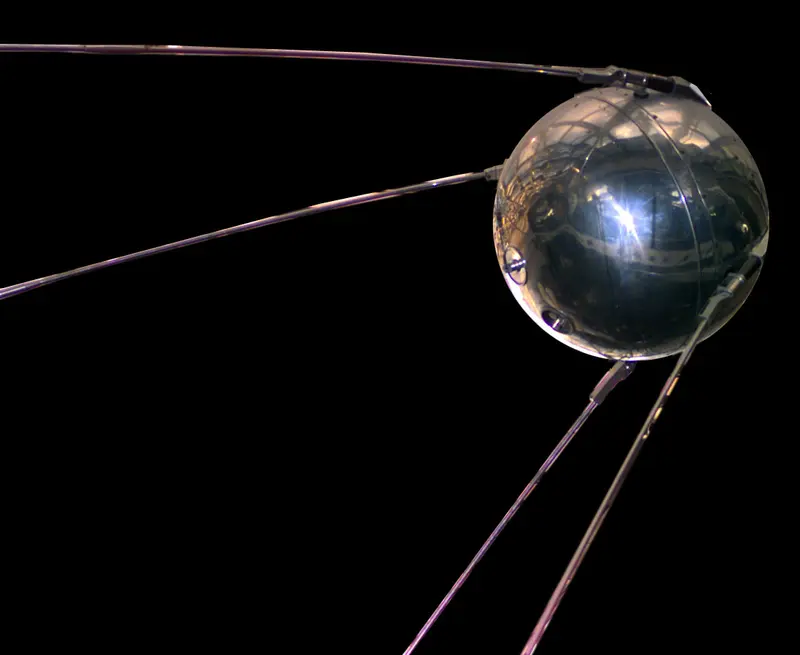
Photo: NSSDC, NASA, Public domain
-
3 Nov
1957 Laika the dog becomes the first animal to orbit the EarthThe Soviet Union launched Sputnik 2, carrying a dog called Laika. She had been a stray from the streets of Moscow, and she became the first animal to…
Photo: Laika ac from USA, CC BY-SA 2.0
-
4 Jan
1958 Sputnik 1, the first satellite, falls back to EarthSputnik 1, the first artificial satellite, fell out of orbit and back into Earth's atmosphere. The Soviet Union had launched it three months earlier,…
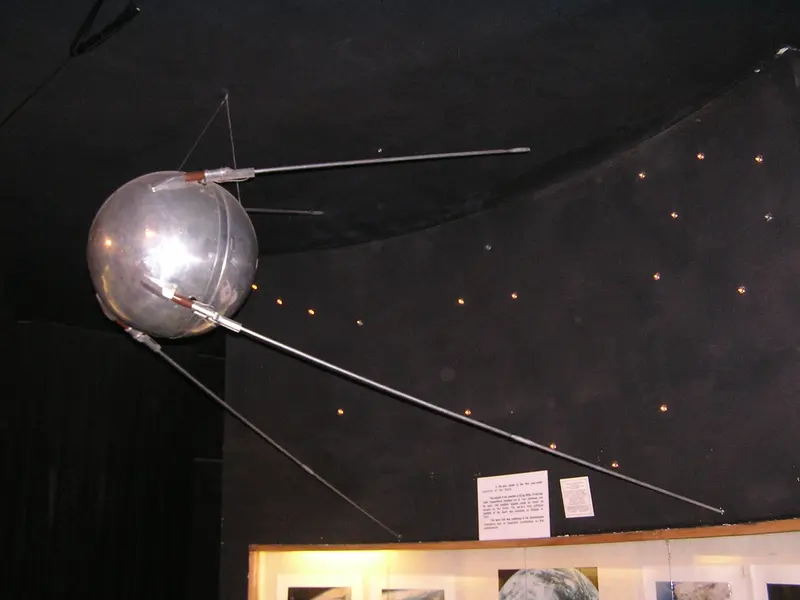
Photo: Andrey Butko, CC BY-SA 3.0
-
2 Jan
1959 The Soviet Union launches Luna 1 towards the MoonThe Soviet Union launched the spacecraft Luna 1 on a Vostok rocket from the Baikonur Cosmodrome. Luna 1 became the first spacecraft to reach the area…
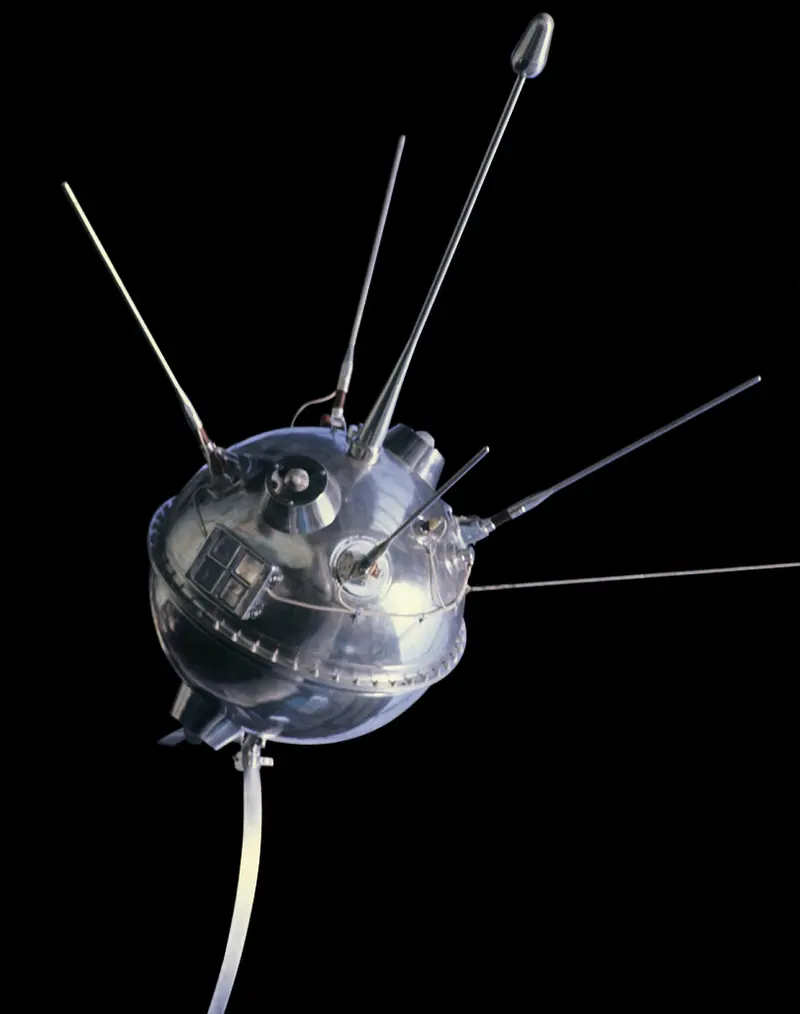
Photo: RIAN_archive_510848_Interplanetary_station_Luna_1.jpg: Alexander Mokletsov / Александр Моклецов derivative work: Craigbo, CC BY-SA 3.0
-
31 Jan
1961 Ham the chimpanzee is launched into spaceA chimpanzee named Ham was launched into space from Cape Canaveral, Florida, inside a Mercury spacecraft. He was the first great ape in space. The fl…
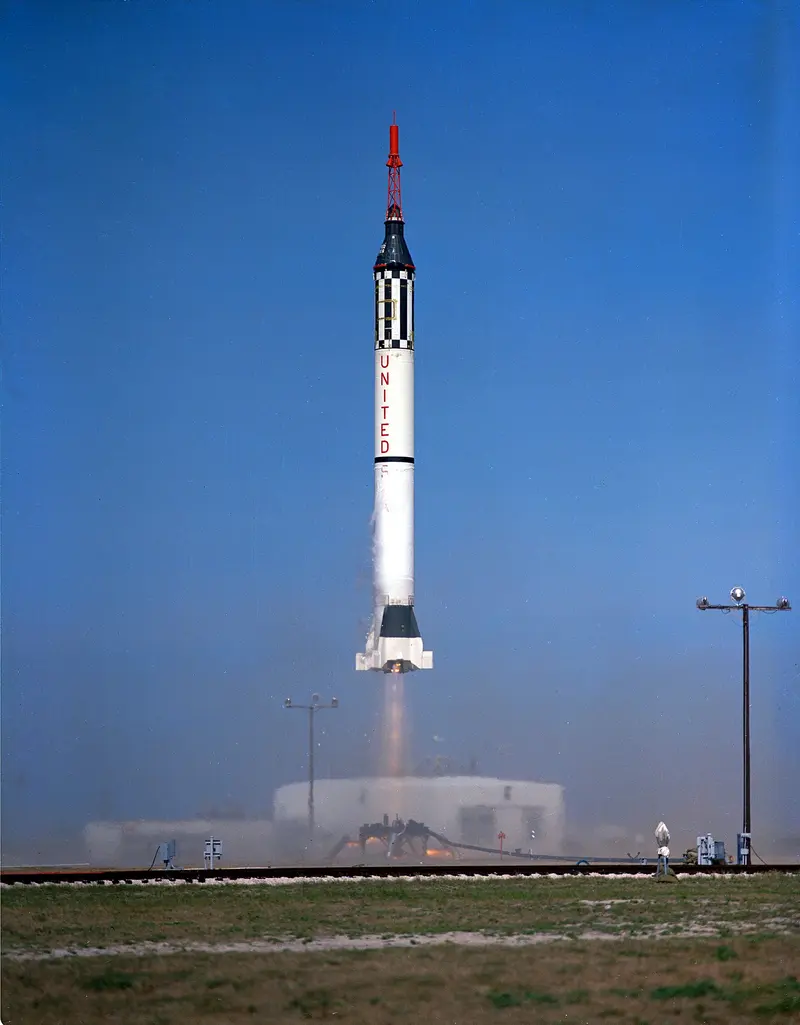
Photo: NASA, Public domain
-
9 Jan
1962 NASA announces plans for a giant Moon rocketNASA announced plans to build a huge rocket, then called the 'Advanced Saturn', to carry people to the Moon. It became the Saturn V, a rocket with th…
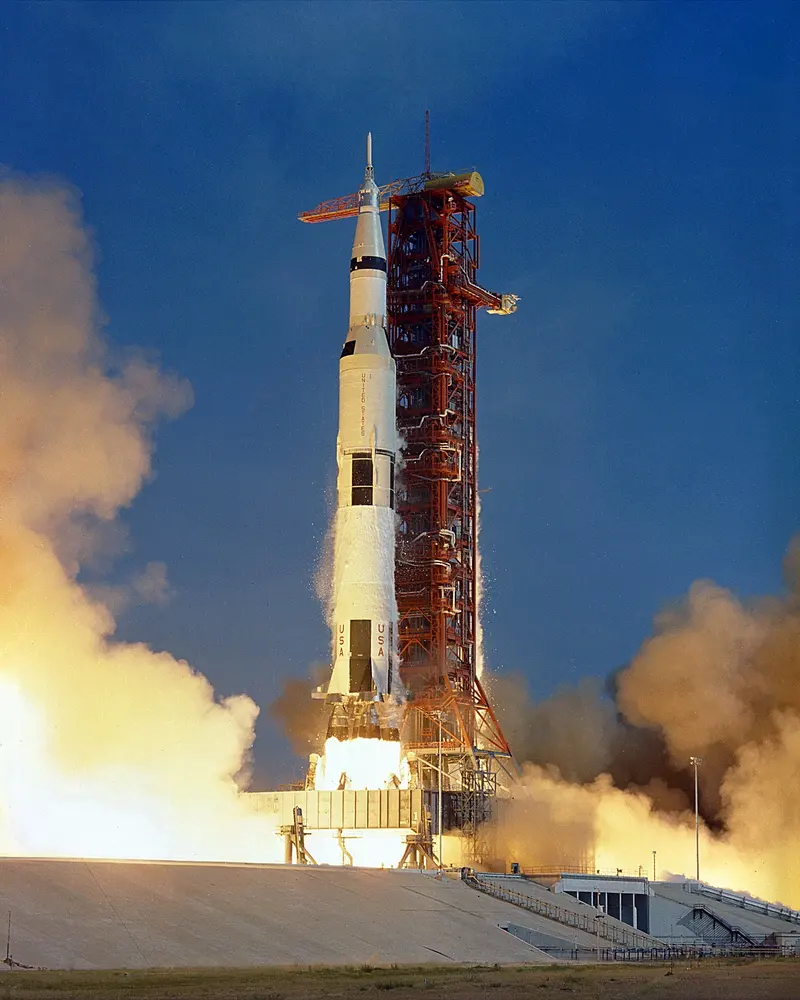
Photo: NASA, Public domain
-
13 Dec
1962 NASA launches Relay 1, an early communications satelliteNASA launched Relay 1, the first active repeater communications satellite in orbit. A communications satellite picks up signals from one place on Ear…
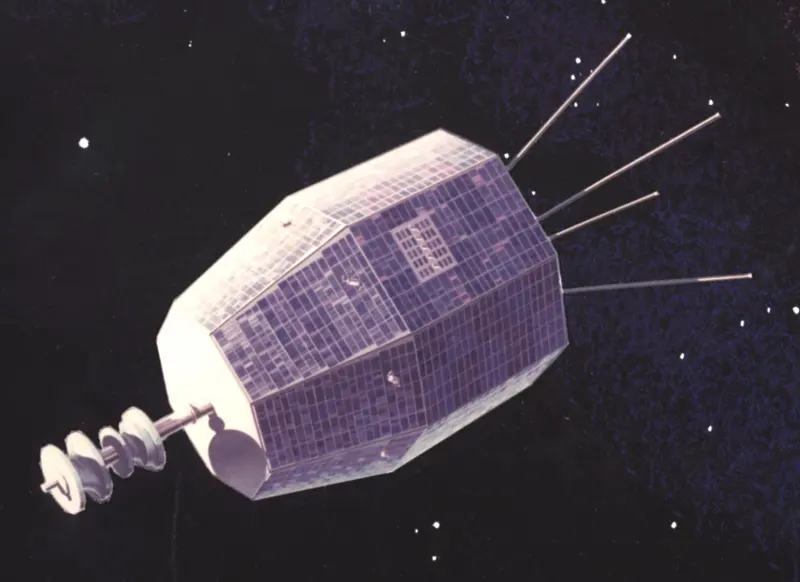
Photo: user:NH2501, Public domain
-
14 Dec
1962 Mariner 2 becomes the first spacecraft to fly past VenusNASA's space probe Mariner 2 flew past Venus at a distance of about 34,854 kilometres. It was the first spacecraft to report back successfully from a…
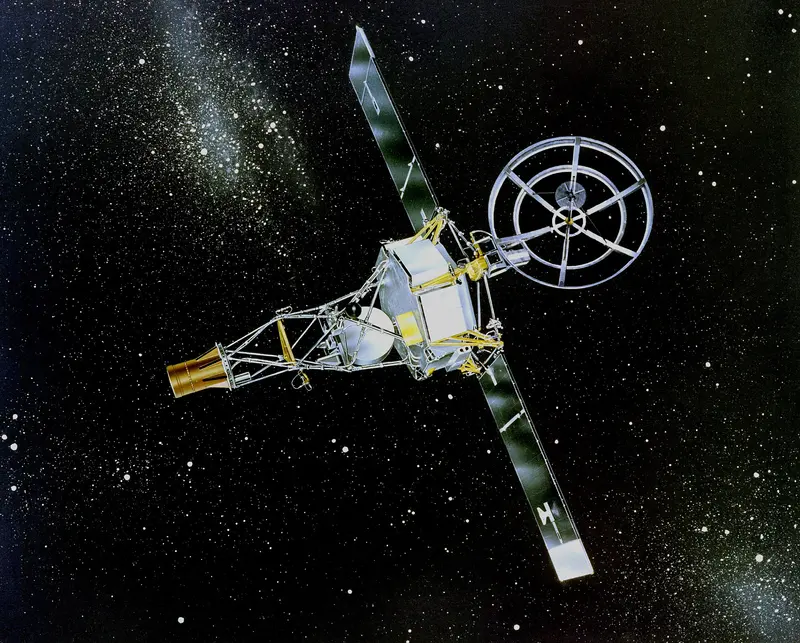
Photo: NASA/Jet Propulsion Laboratory, Public domain
-
10 Oct
1964 The Tokyo Olympics open, shown live by satellite for the first timeThe 1964 Summer Olympics opened in Tokyo, Japan, and ran until 24 October. The opening ceremony was the first to be relayed live by satellites, so pe…
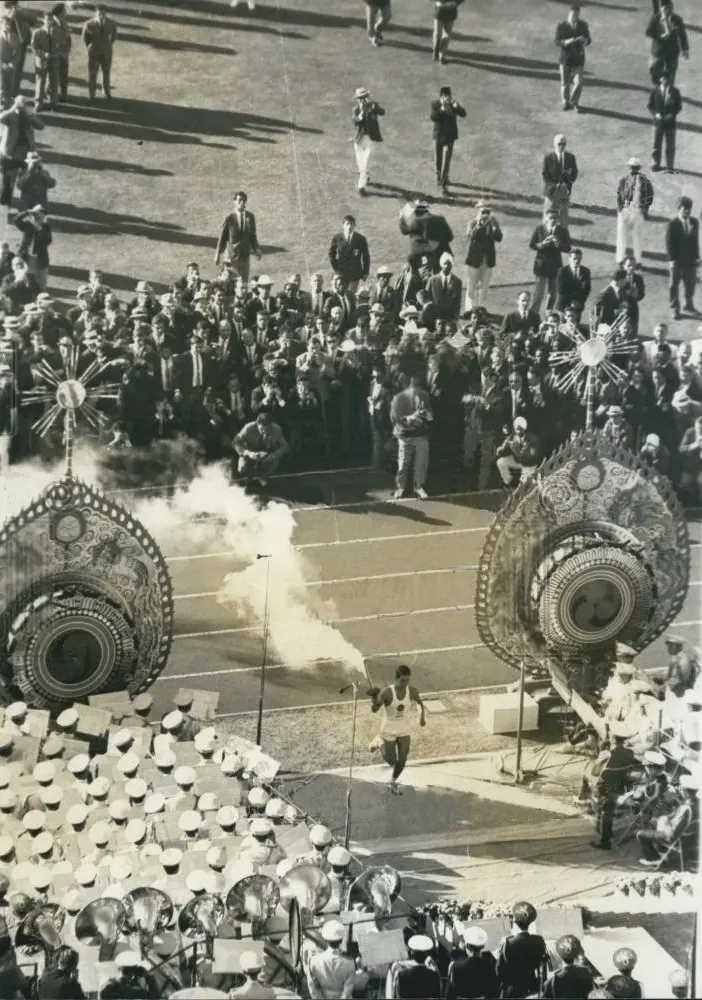
Photo: Keystone Press, Public domain
-
15 Dec
1965 Gemini 6A makes the first crewed space rendezvousAstronauts Wally Schirra and Thomas Stafford were launched in Gemini 6A from Cape Kennedy in Florida. After four orbits of Earth, they met up with an…
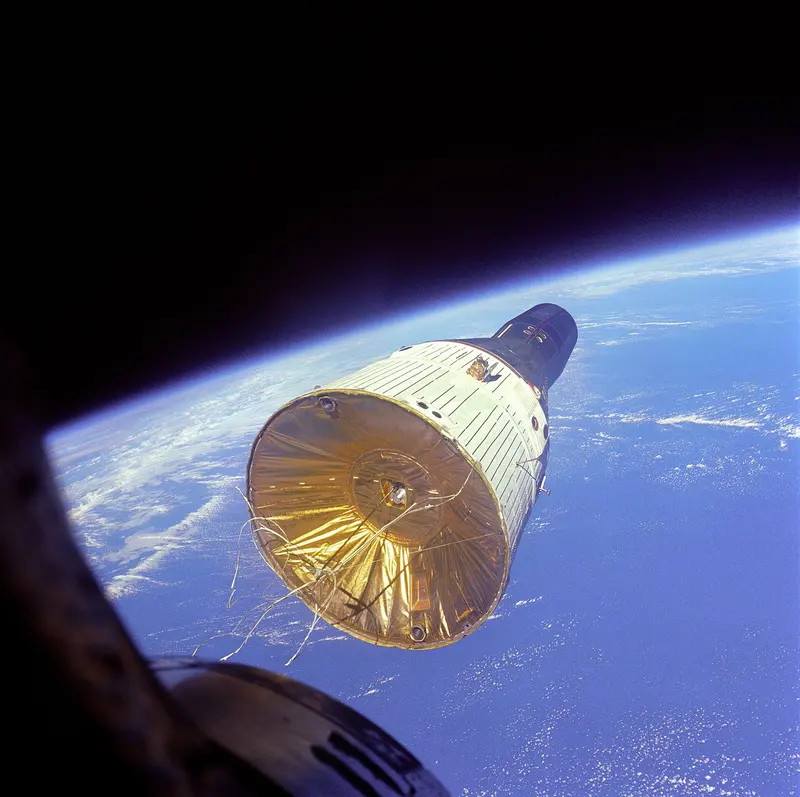
Photo: NASA, Public domain
-
26 Feb
1966 The Saturn IB rocket makes its first test flightNASA launched AS-201, the first flight of the Saturn IB rocket, as part of the Apollo programme that later landed astronauts on the Moon. No one was …
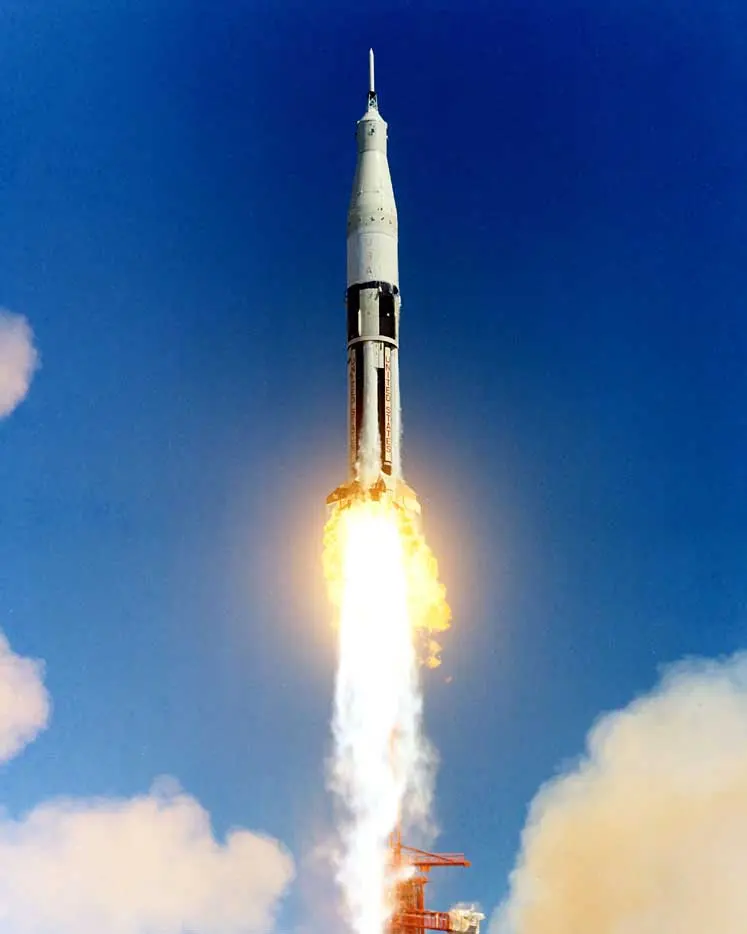
Photo: Public domain, Public domain
-
9 Nov
1967 The giant Saturn V rocket makes its first test flightNASA launched Apollo 4 from Florida, the first test flight of the huge Saturn V rocket. No astronauts were on board. For the first time, every stage …
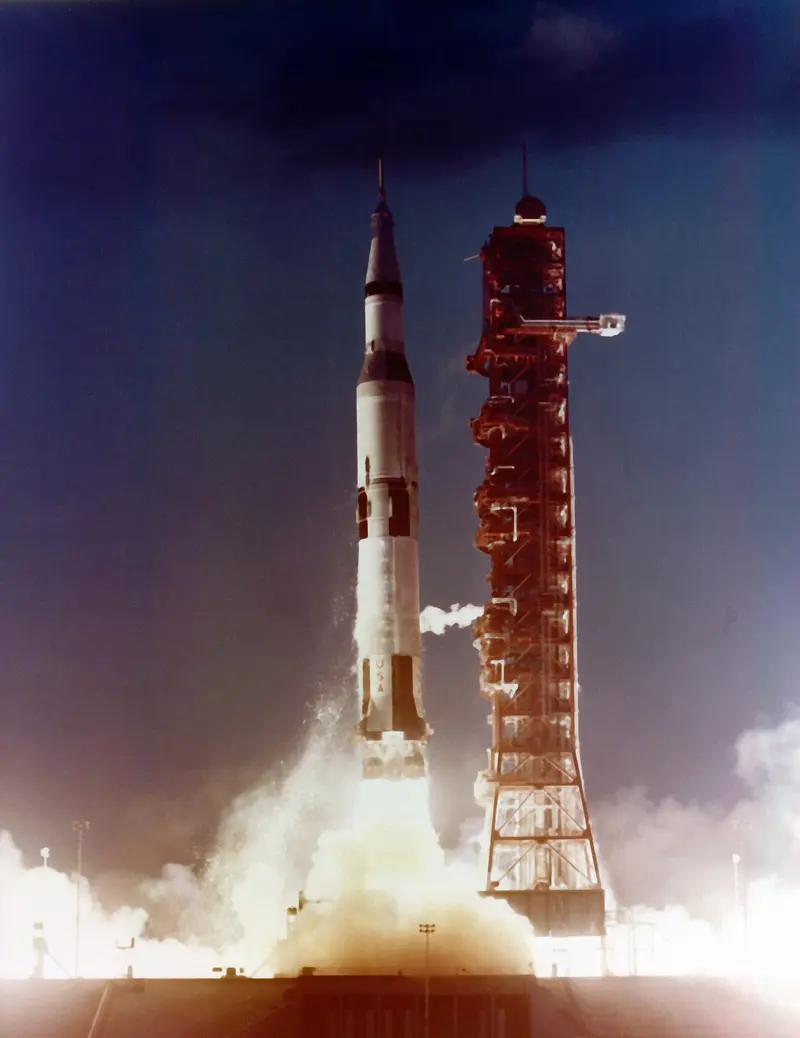
Photo: NASA, Public domain
-
28 Nov
1967 Jocelyn Bell Burnell spots the signal of the first known pulsarJocelyn Bell Burnell, a research student from Northern Ireland, noticed a 'bit of scruff' in data from a radio telescope. It turned out to be a signa…
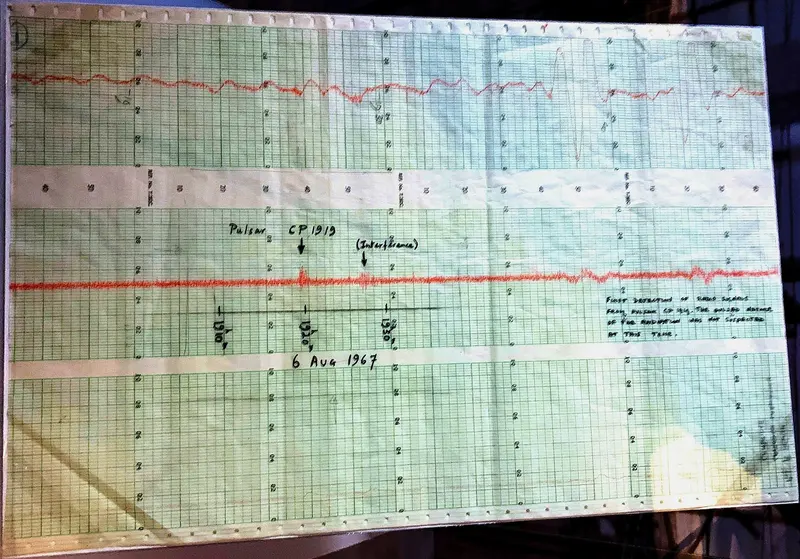
Photo: Billthom, CC BY-SA 4.0
-
11 Oct
1968 Apollo 7 launches, the first Apollo mission to carry astronautsApollo 7, the first Apollo mission with a crew, blasted off from Cape Kennedy in Florida. It was also the first American space mission to carry three…
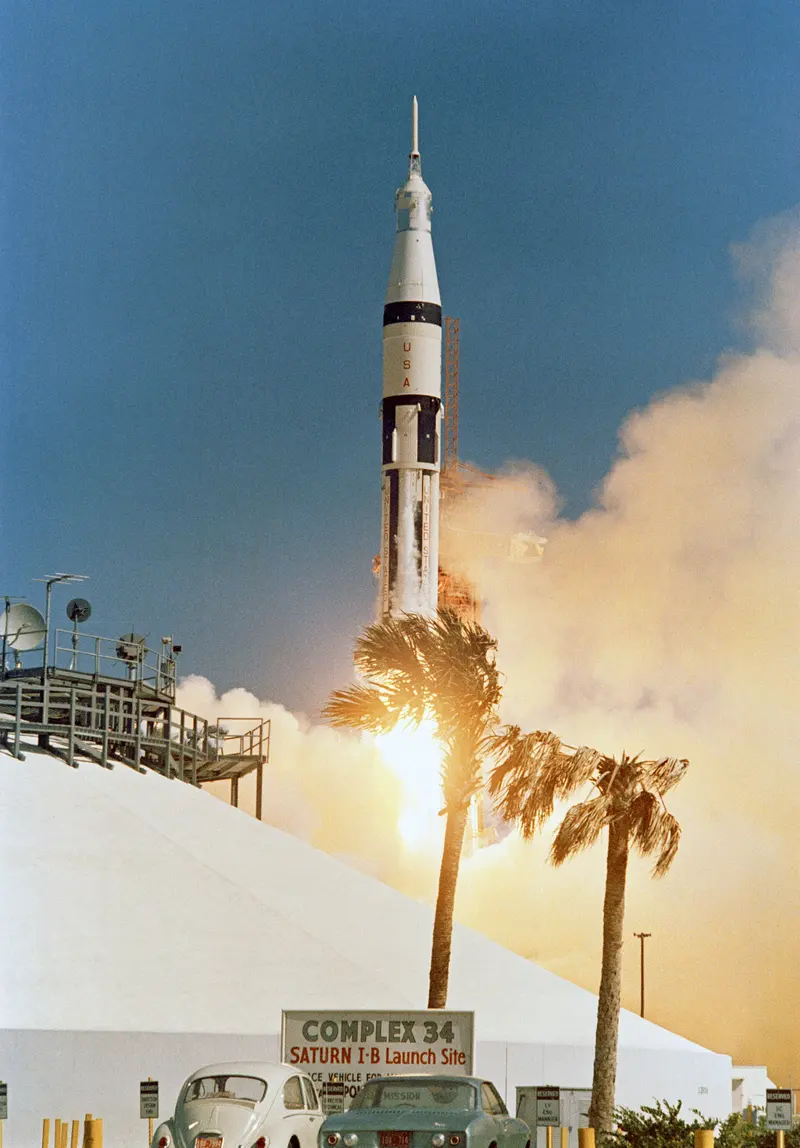
Photo: NASA, Public domain
-
21 Dec
1968 Apollo 8 blasts off on the first crewed journey to the MoonApollo 8 launched from Kennedy Space Center in Florida, USA, on its way to the Moon. Its astronauts, Frank Borman, Jim Lovell and William Anders, bec…
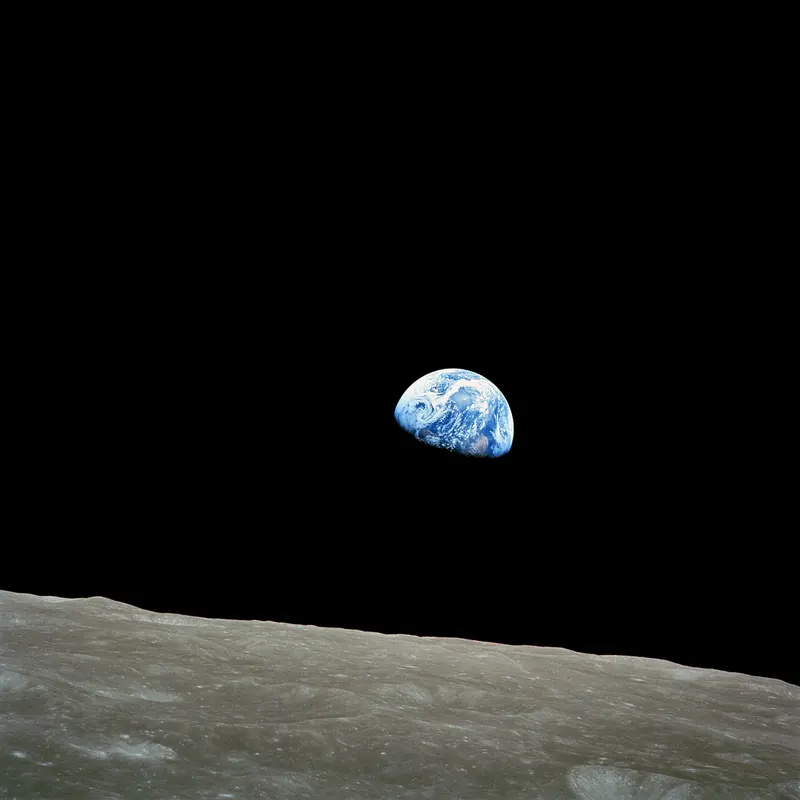
Photo: NASA/Bill Anders, Public domain
-
24 Dec
1968 Apollo 8 becomes the first crewed spacecraft to orbit the MoonApollo 8 became the first human spaceflight to reach the Moon and go into orbit around it. Its crew, Jim Lovell, Frank Borman and William Anders, cir…
Photo: NASA/Bill Anders, Public domain
-
14 Nov
1969 Apollo 12 blasts off for the second Moon landingApollo 12 was launched from the Kennedy Space Center in Florida. Five days later it became the second mission to land astronauts on the Moon, touchin…
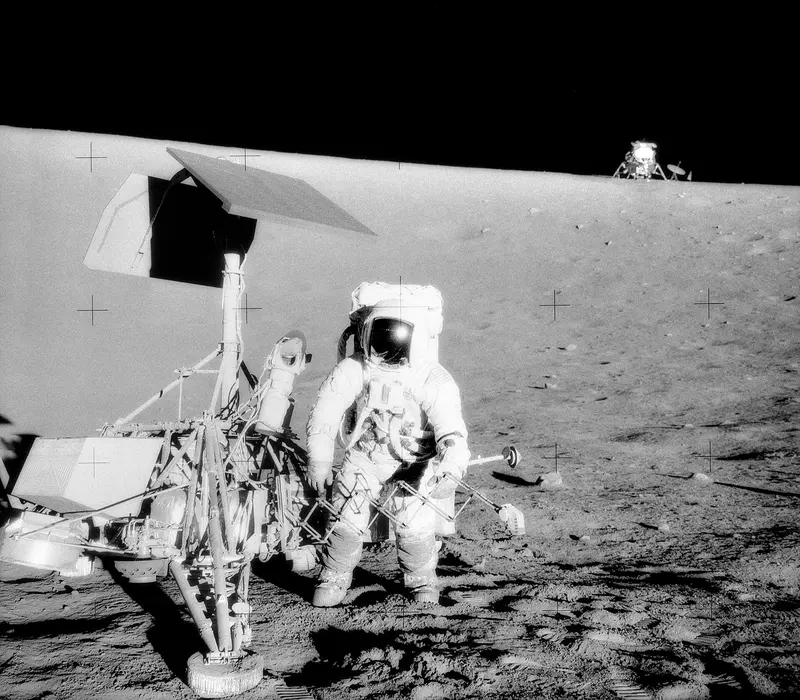
Photo: NASA, Alan L. Bean, Public domain
-
19 Nov
1969 Apollo 12 astronauts become the third and fourth people on the MoonApollo 12 astronauts Pete Conrad and Alan Bean landed on a part of the Moon called the Ocean of Storms. They became the third and fourth people to wa…
Photo: NASA, Alan L. Bean, Public domain
-
24 Nov
1969 Apollo 12 splashes down safely after a Moon landingThe Apollo 12 spacecraft splashed down safely in the Pacific Ocean, ending the second mission to land people on the Moon. Astronauts Pete Conrad and …
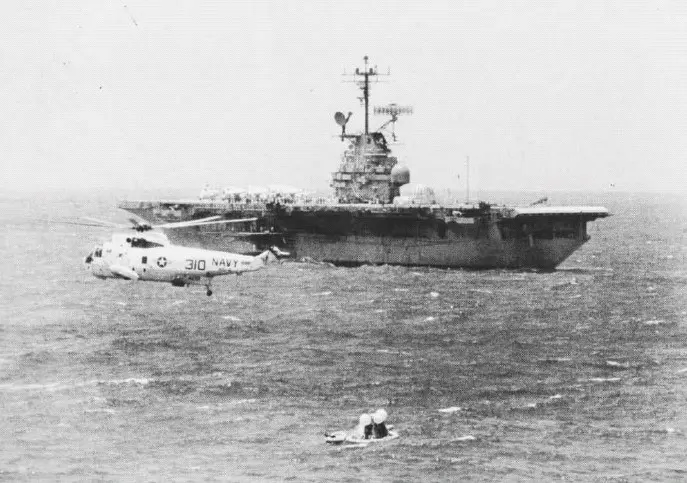
Photo: USN, Public domain
-
31 Jan
1971 Apollo 14 blasts off for the MoonAstronauts Alan Shepard, Stuart Roosa and Edgar Mitchell lifted off on a Saturn V rocket on the Apollo 14 mission. It became the third mission to lan…
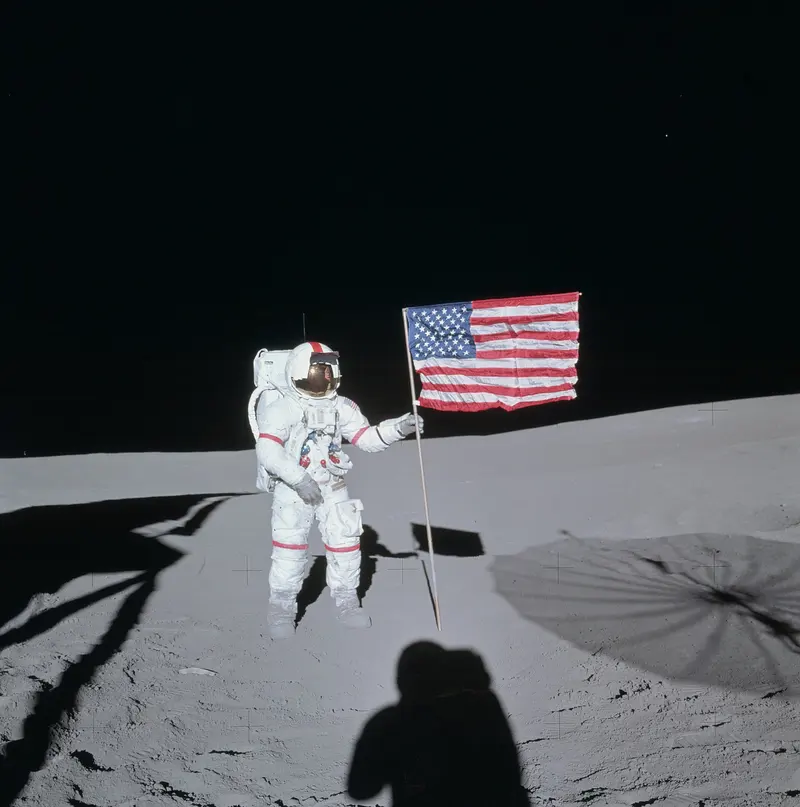
Photo: Edgar D. Mitchell / NASA, Public domain
-
28 Oct
1971 Prospero becomes the first British satellite on a British rocketProspero lifted off from Woomera in South Australia on a British rocket called Black Arrow. It was the first British satellite to be launched success…
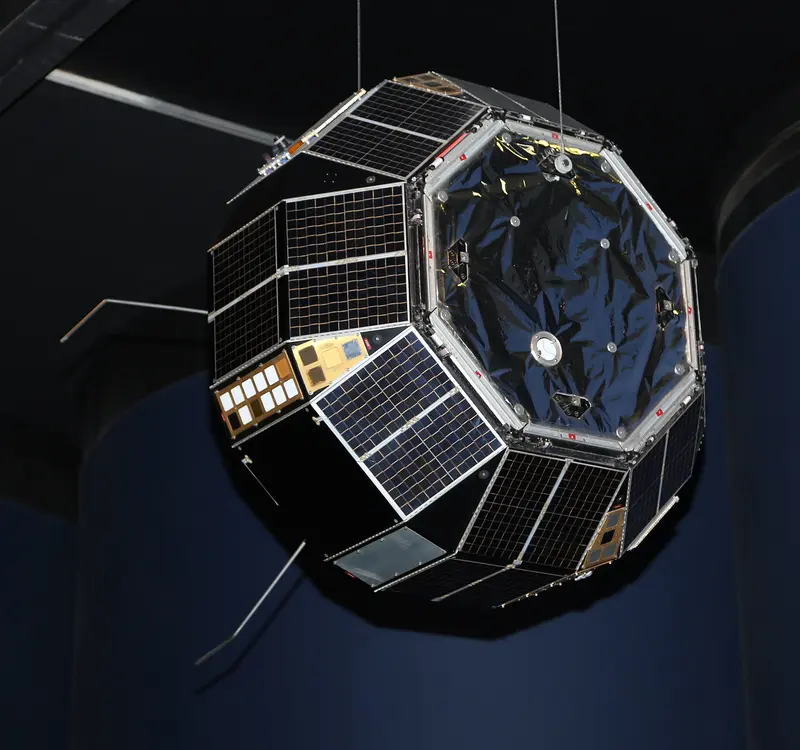
Photo: Geni, CC BY-SA 4.0
-
14 Nov
1971 Mariner 9 becomes the first spacecraft to orbit another planetNASA's robot spacecraft Mariner 9 reached Mars and went into orbit around it. It became the first spacecraft ever to orbit another planet. It only ju…
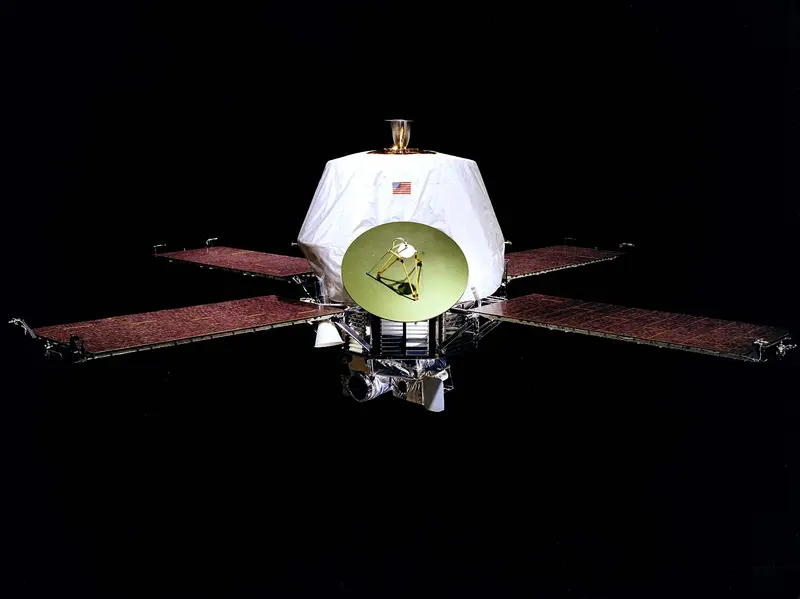
Photo: NASA, Public domain
-
5 Jan
1972 President Nixon announces the Space Shuttle programmeUS President Richard Nixon announced the Space Shuttle programme. NASA's Space Shuttle was a reusable spacecraft that carried astronauts and cargo be…
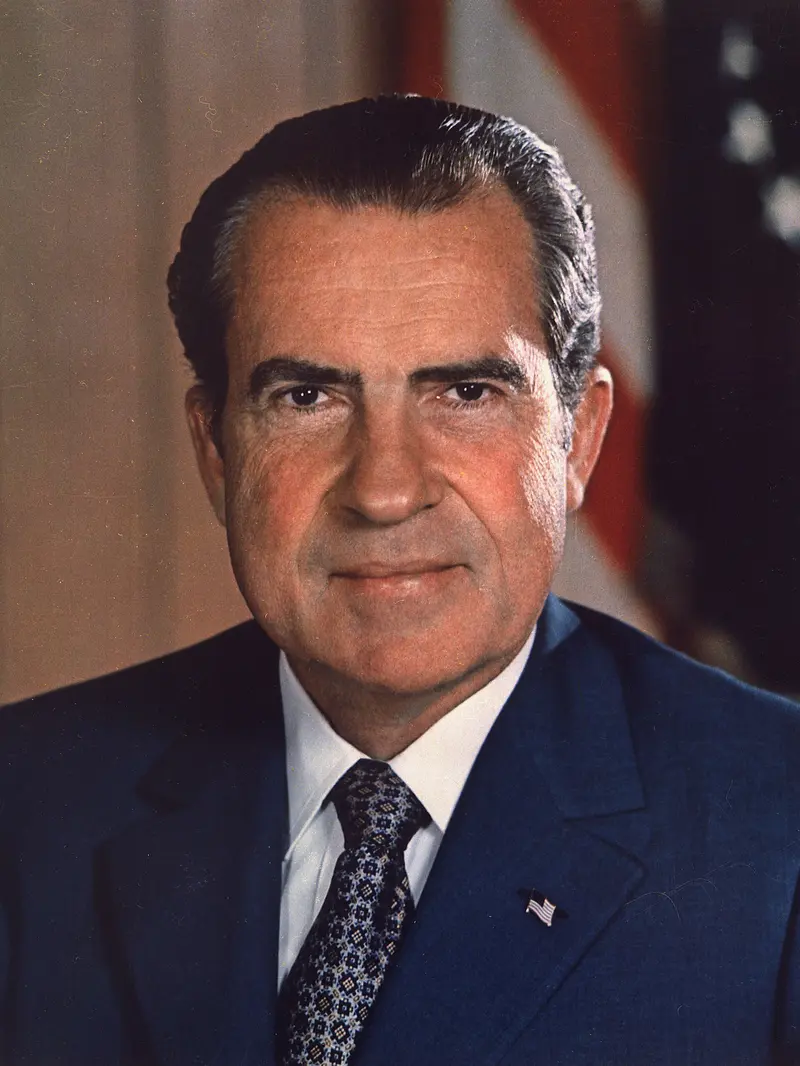
Photo: Department of Defense. Department of the Army. Office of the Deputy Chief of Staff for Operations. U.S. Army Audiovisual, Public domain
-
11 Dec
1972 Apollo 17, the last Apollo mission, lands on the MoonApollo 17, the final mission of NASA's Apollo program, landed on the Moon. It is the most recent time that people have walked there. Gene Cernan and …
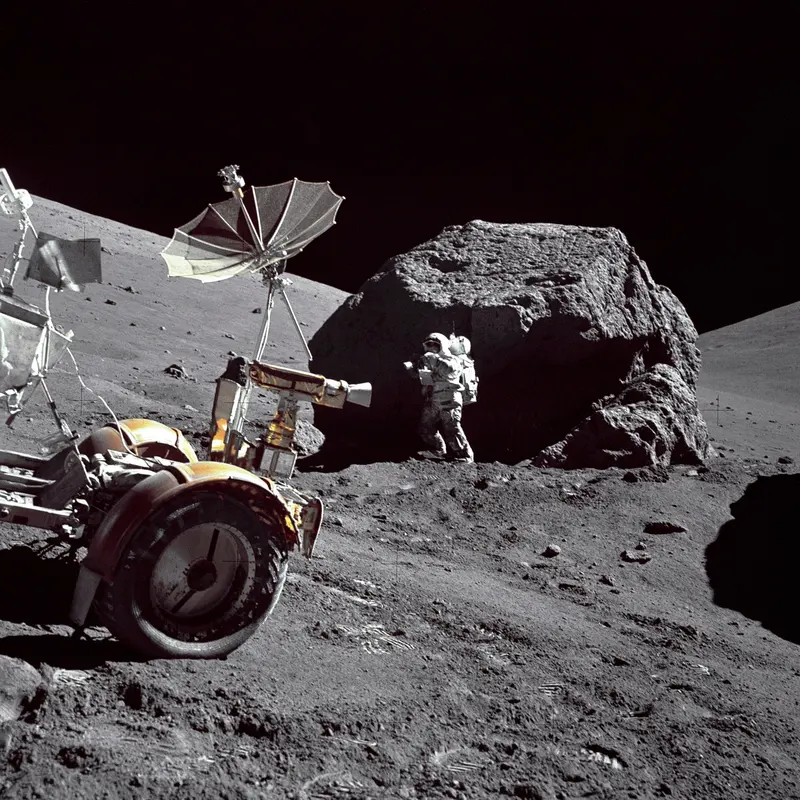
Photo: NASA Eugene A. Cernan, Public domain
We are still writing up some days of the year. Moments from spring and summer, such as Gagarin’s flight in April and the first Moon landing in July, will join this timeline as we go.
Before rockets: the stargazers
People explored space with their eyes long before anyone could travel there. On 7 January 1610, the Italian astronomer Galileo Galilei looked through his telescope and saw Jupiter’s four largest moons. They were the first objects ever found orbiting a planet other than Earth. In 1781, William Herschel discovered Uranus, the first new planet found since ancient times.
-
11 Nov
1572 Tycho Brahe spots a bright new star in the skyDanish astronomer Tycho Brahe saw a bright new star in the constellation Cassiopeia. It was really a supernova, the huge explosion of a star, and it …
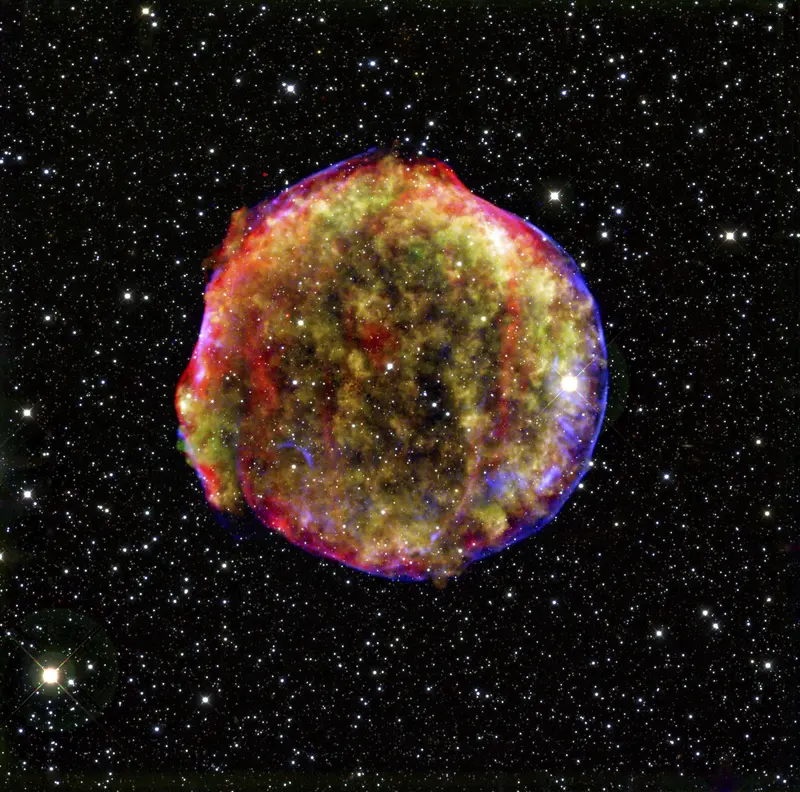
Photo: X-ray: NASA/CXC/SAO, Infrared: NASA/JPL-Caltech; Optical: MPIA, Calar Alto, O.Krause et al, Public domain
-
17 Oct
1604 Johannes Kepler begins watching a bright new star in the skyGerman astronomer Johannes Kepler began studying a very bright object that had appeared in the constellation Ophiuchus. It was a supernova, the explo…
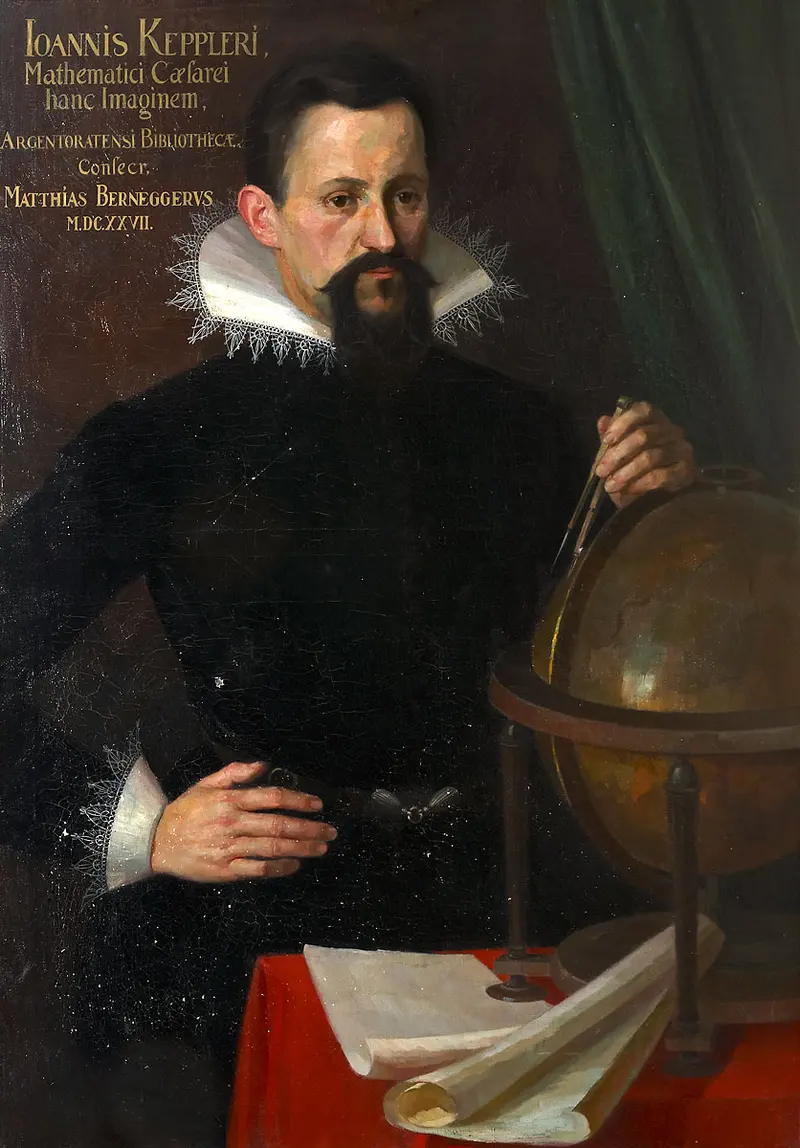
Photo: August Köhler, Public domain
-
7 Jan
1610 Galileo spots four of Jupiter's moons through his telescopeLooking through his telescope, Italian astronomer Galileo Galilei saw Jupiter's four largest moons: Io, Europa, Ganymede and Callisto. At first he co…
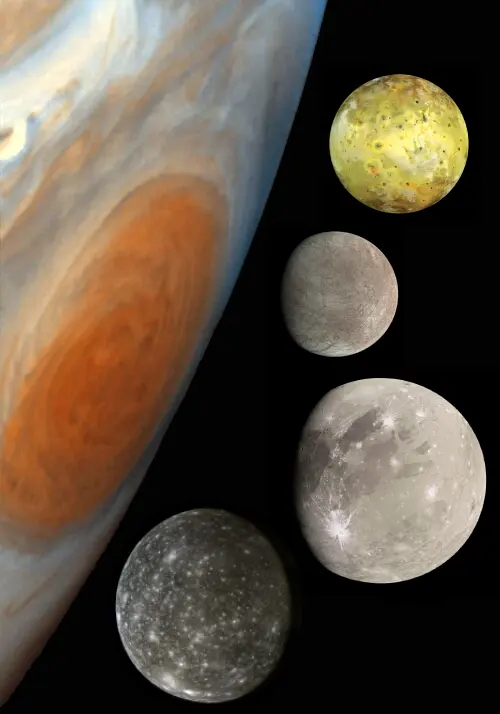
Photo: WhatADrag07, CC BY-SA 4.0
-
28 Dec
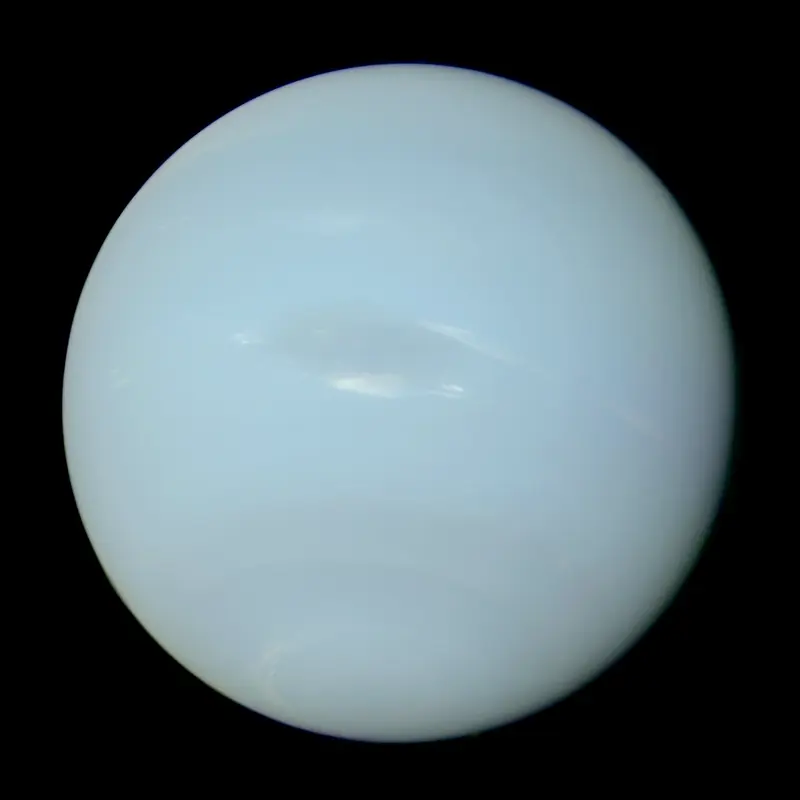
1612 Galileo becomes the first person to see NeptuneThe Italian astronomer Galileo Galilei became the first person to observe the planet Neptune, although he mistook it for a star. Neptune is the eight…
-
8 Nov
1656 Born: Edmond HalleyThe English astronomer and mathematician Edmond Halley was born. He used Isaac Newton's law of gravity to work out how often a particular comet retur…
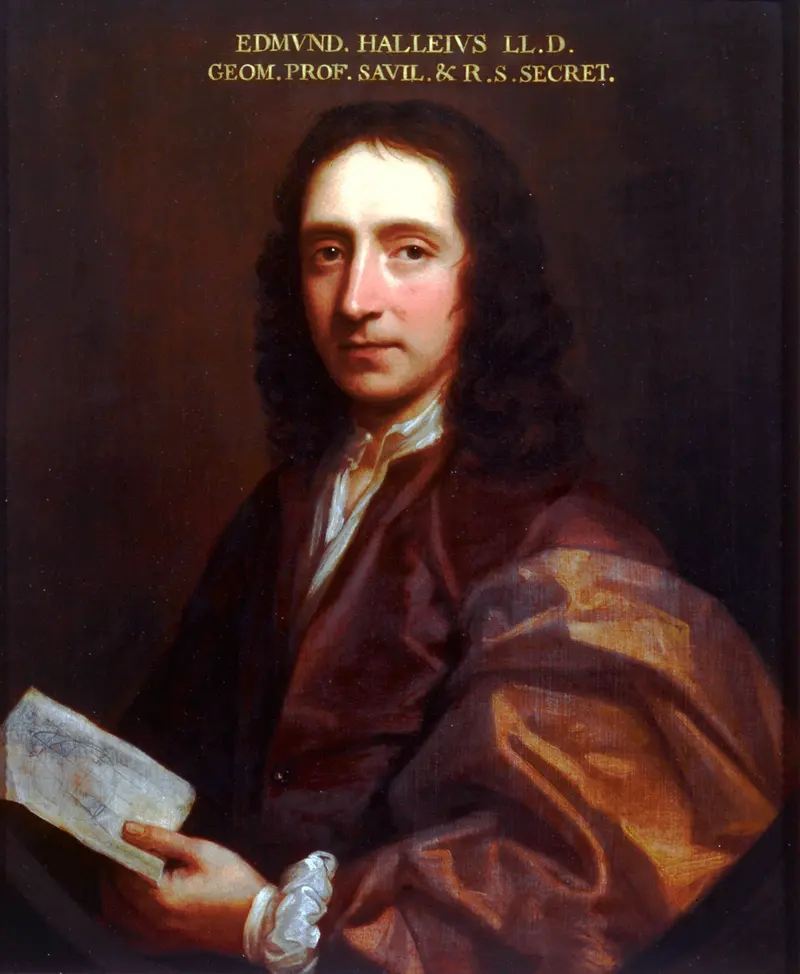
Photo: Thomas Murray, Public domain
-
21 Nov
1676 Ole Rømer shows that light travels at a measurable speedDanish astronomer Ole Rømer presented the first measurements of the speed of light. Working at the Royal Observatory in Paris, he carefully timed the…
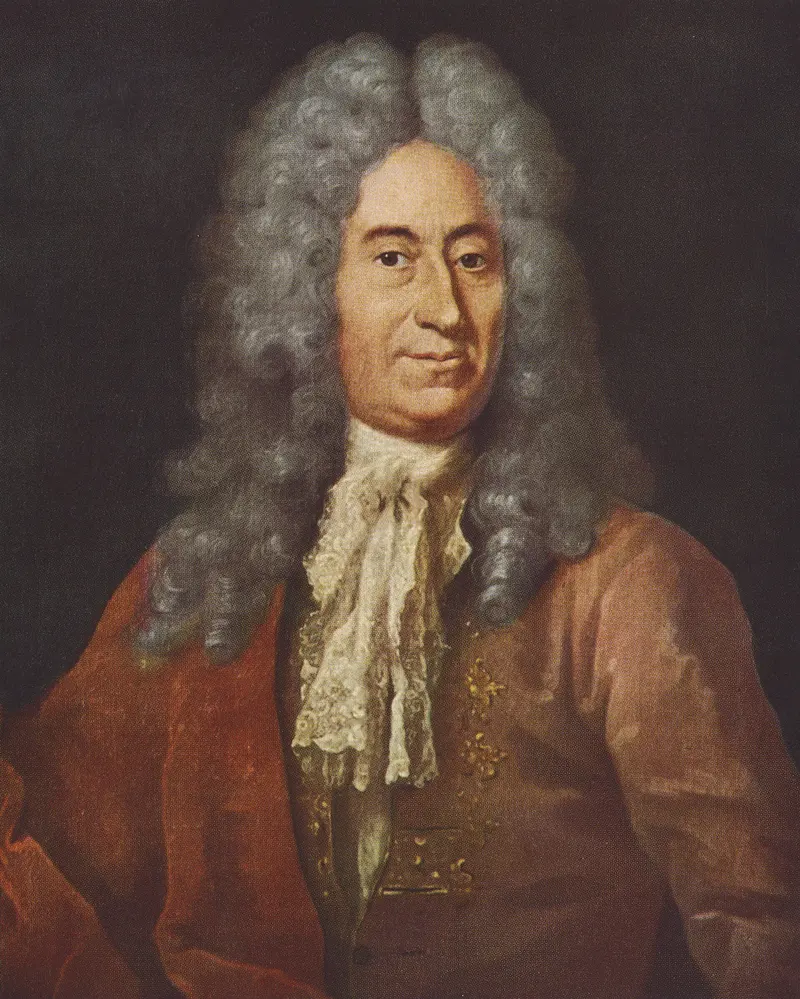
Photo: Jacob Coning, Public domain
-
15 Nov
1738 Born: William HerschelWilliam Herschel, the astronomer who discovered the planet Uranus, was born in Hanover, in what is now Germany. He played in a military band there be…
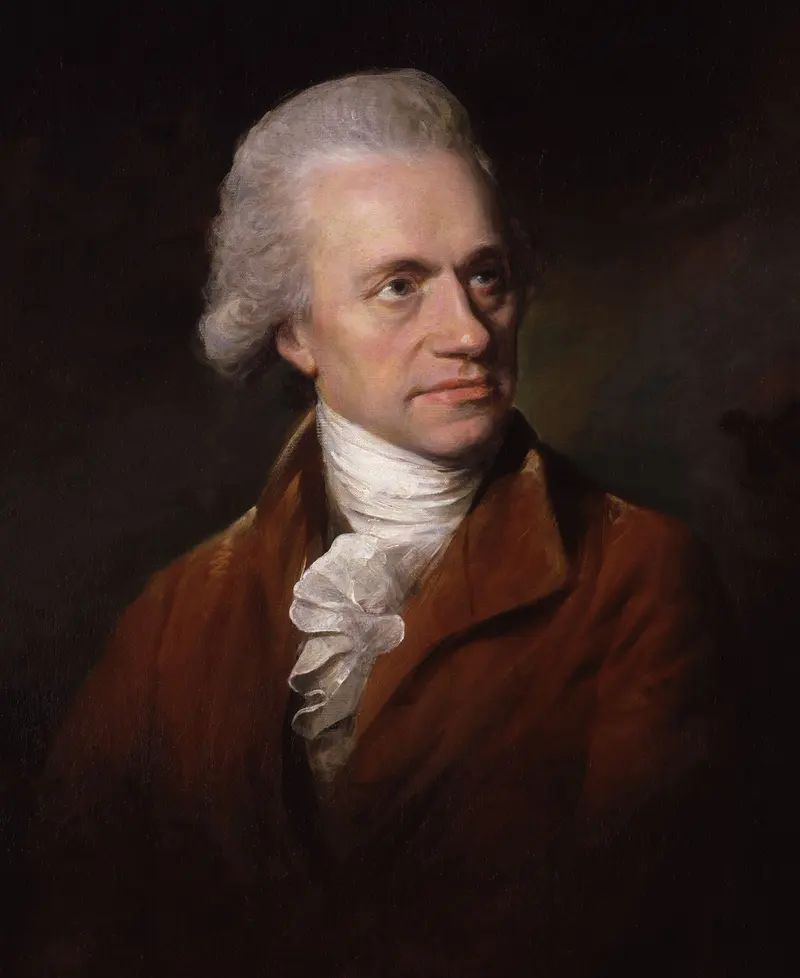
Photo: Lemuel Francis Abbott, Public domain
-
25 Dec
1758 Halley's Comet returns, just as Edmond Halley predictedGerman astronomer Johann Georg Palitzsch spotted a comet in the sky on Christmas Day. Its return had been predicted in 1705 by the English astronomer…
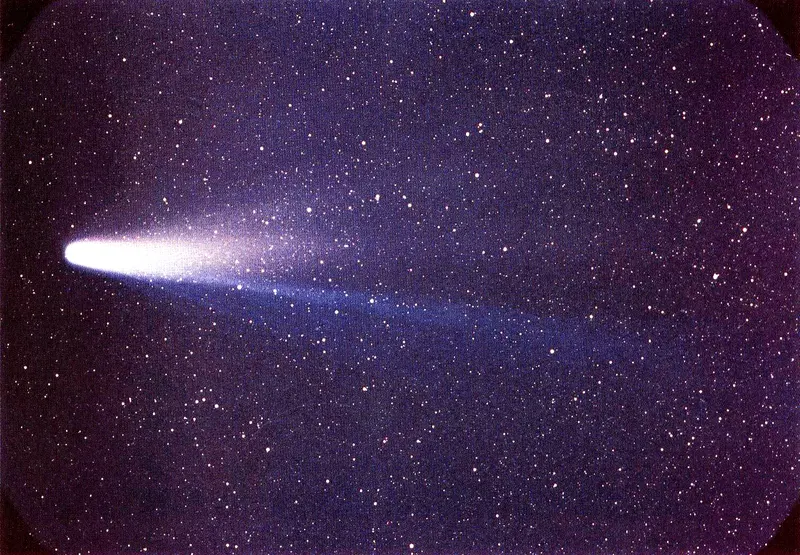
Photo: NASA/W. Liller, Public domain
-
11 Jan
1787 William Herschel discovers two moons of UranusAstronomer William Herschel spotted two moons travelling around the planet Uranus. His son John later named them Titania and Oberon. Herschel was bor…
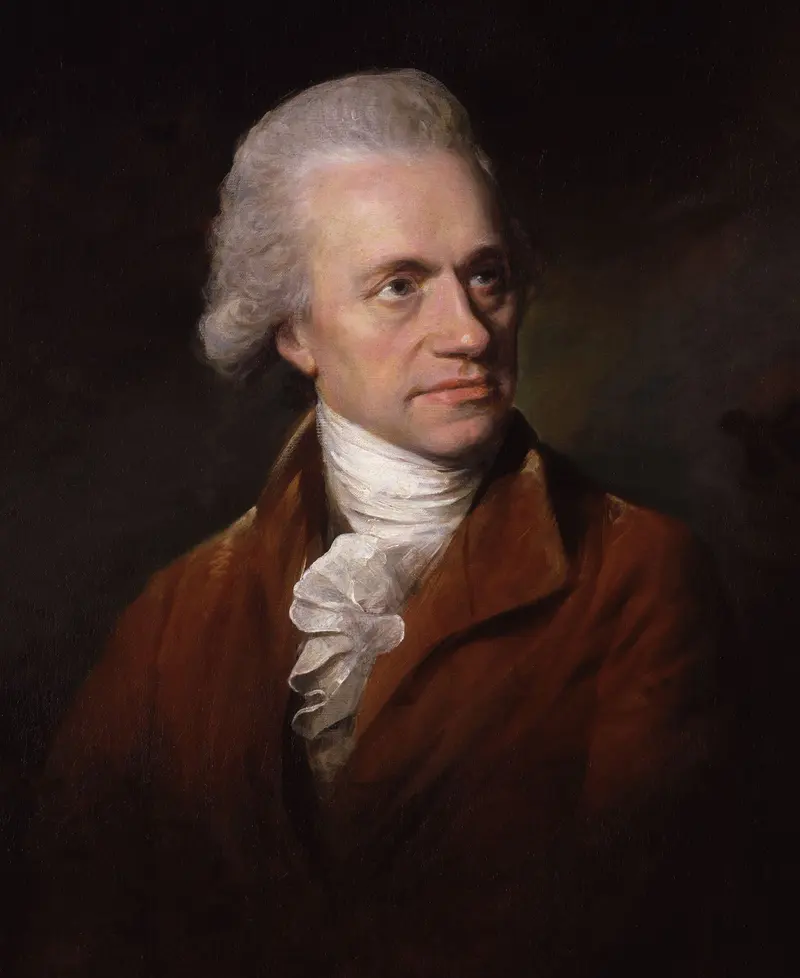
Photo: Lemuel Francis Abbott, Public domain
-
24 Oct
1851 William Lassell discovers two new moons of UranusThe English astronomer William Lassell discovered Ariel and Umbriel, two moons of the planet Uranus. They were only the third and fourth of its moons…
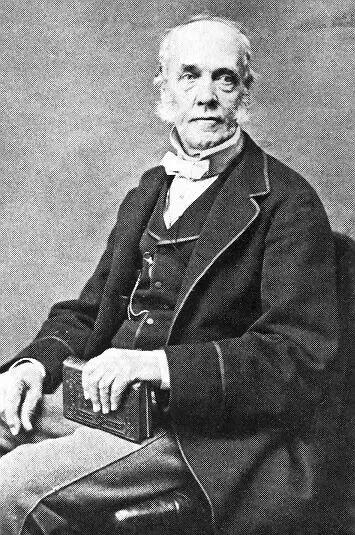
Photo: Unknown author, Public domain
After Apollo: robots and space stations
In January 1972, the Space Shuttle programme was announced. The shuttles flew from 1981 to 2011. In November 2000, the first crew moved in to the International Space Station.
Robots have travelled even further. In 2014 the lander Philae became the first spacecraft to land on a comet. In 2021 NASA’s rover Perseverance landed on Mars, carrying a small helicopter called Ingenuity.
-
7 Dec
2015 Japan's Akatsuki probe reaches orbit around Venus at lastThe Japanese space probe Akatsuki went into orbit around Venus to study its atmosphere. Its first attempt, five years earlier, had failed, so it spen…
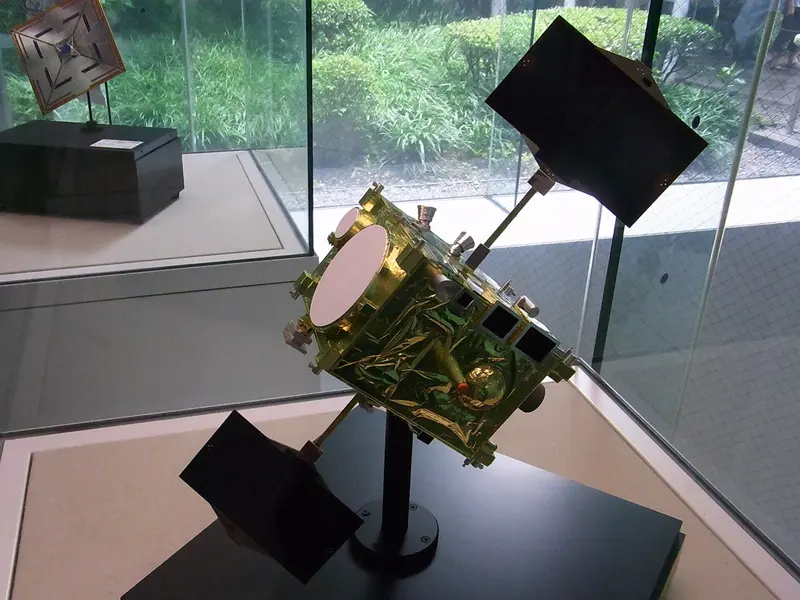
Photo: 江戸村のとくぞう, CC BY-SA 4.0
-
12 Nov
2014 Philae becomes the first spacecraft to land on a cometThe European Space Agency's lander Philae touched down on comet 67P/Churyumov–Gerasimenko, the first spacecraft ever to land on a comet. It had trave…
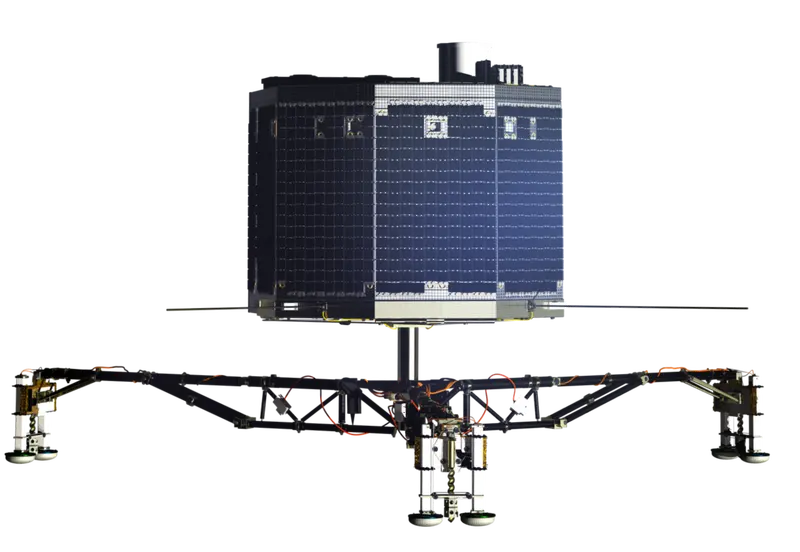
Photo: ESA/ATG medialab, CC BY-SA 2.0
-
5 Nov
2013 India launches its first mission to MarsThe Indian Space Research Organisation (ISRO) launched the Mars Orbiter Mission, also known as Mangalyaan. It was India's first mission to another pl…
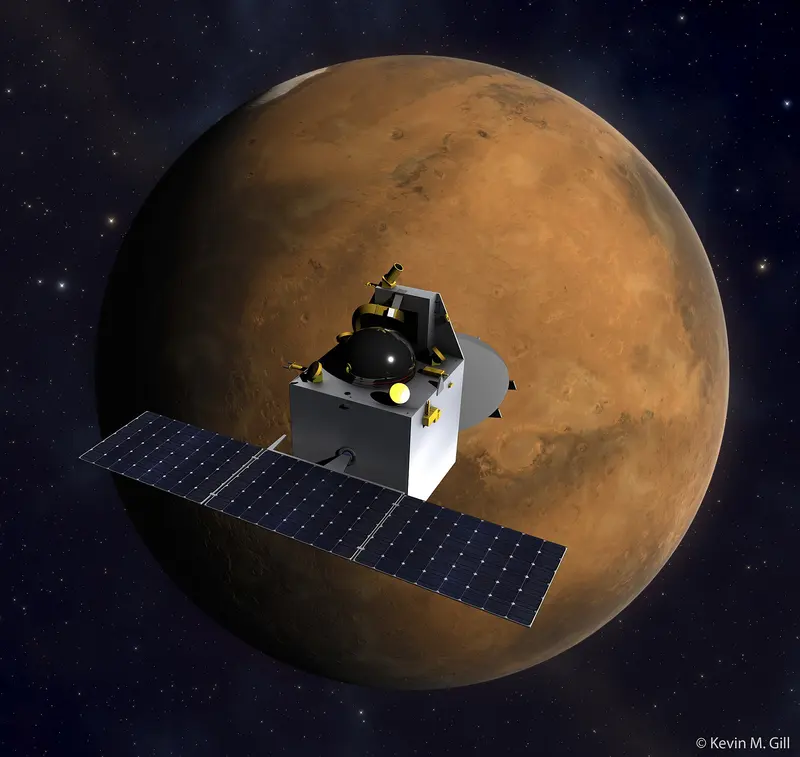
Photo: Kevin Gill from Nashua, NH, United States, CC BY-SA 2.0
-
19 Dec
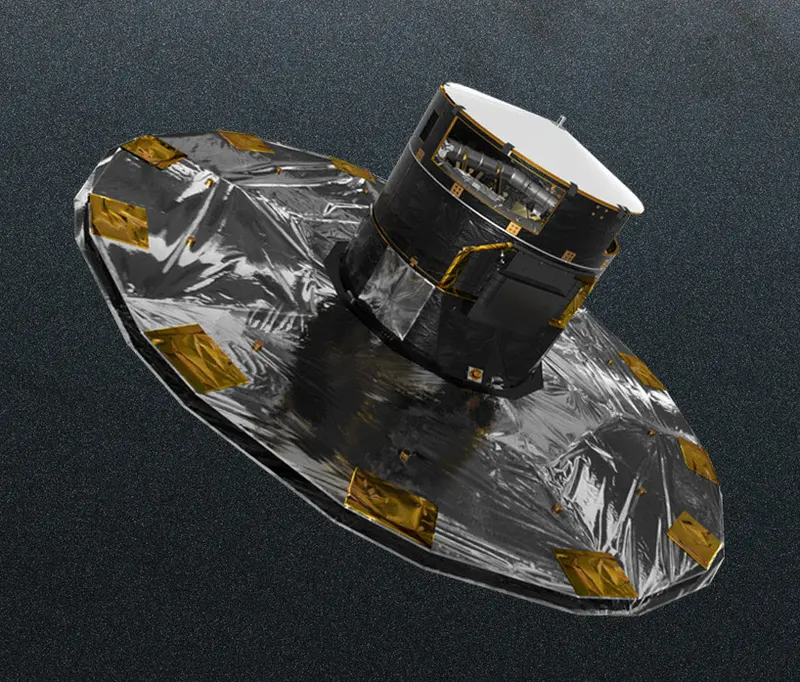
2013 ESA launches Gaia to map a billion starsThe European Space Agency launched the Gaia spacecraft, which worked until 2025. Its job was to measure the positions, distances and movements of sta…
-
23 Jan
2003 The last signal is received from the space probe Pioneer 10Scientists picked up the final signal from NASA's space probe Pioneer 10, then about 12 billion kilometres from Earth. Launched in 1972, Pioneer 10 w…
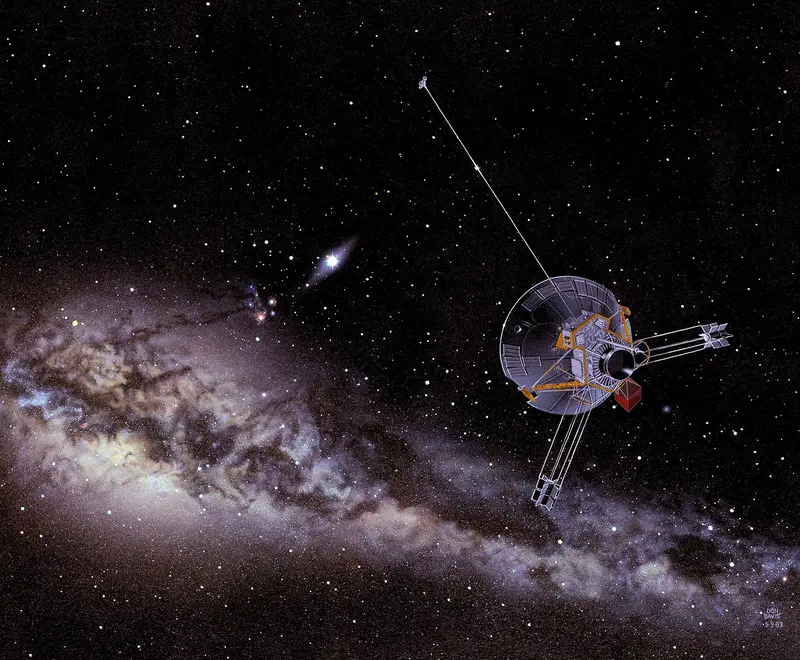
Photo: NASA/Don Davis, Public domain
-
25 Dec
2003 Britain's Beagle 2 lander arrives at Mars on Christmas DayBeagle 2, a British lander carried to Mars by the European Space Agency's Mars Express mission, was due to land on Christmas Day. Named after Charles…
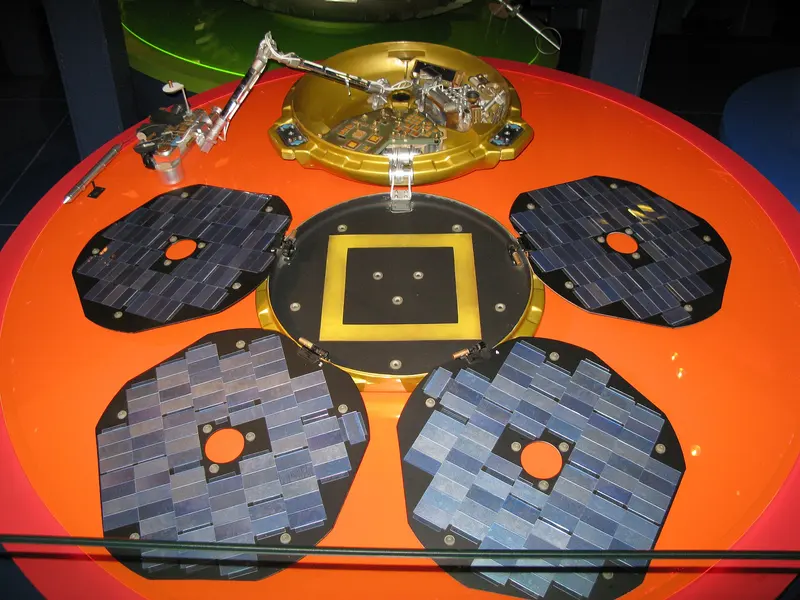
Photo: user:geni, CC BY-SA 4.0
-
12 Feb
2001 NEAR Shoemaker becomes the first spacecraft to land on an asteroidNASA's robotic space probe NEAR Shoemaker touched down on Eros, a stony asteroid with a long, stretched shape. It was the first spacecraft ever to la…
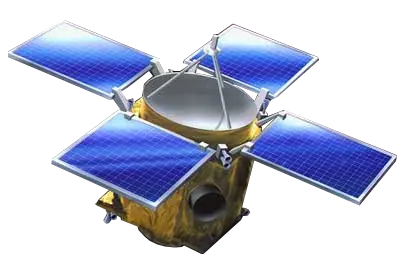
Photo: National Aeronautics and Space Administration (NASA), Public domain
-
29 Oct
1998 John Glenn returns to space at the age of 77Former astronaut John Glenn flew into space again, aged 77, aboard the Space Shuttle Discovery. In 1962 he had become the first American to orbit the…
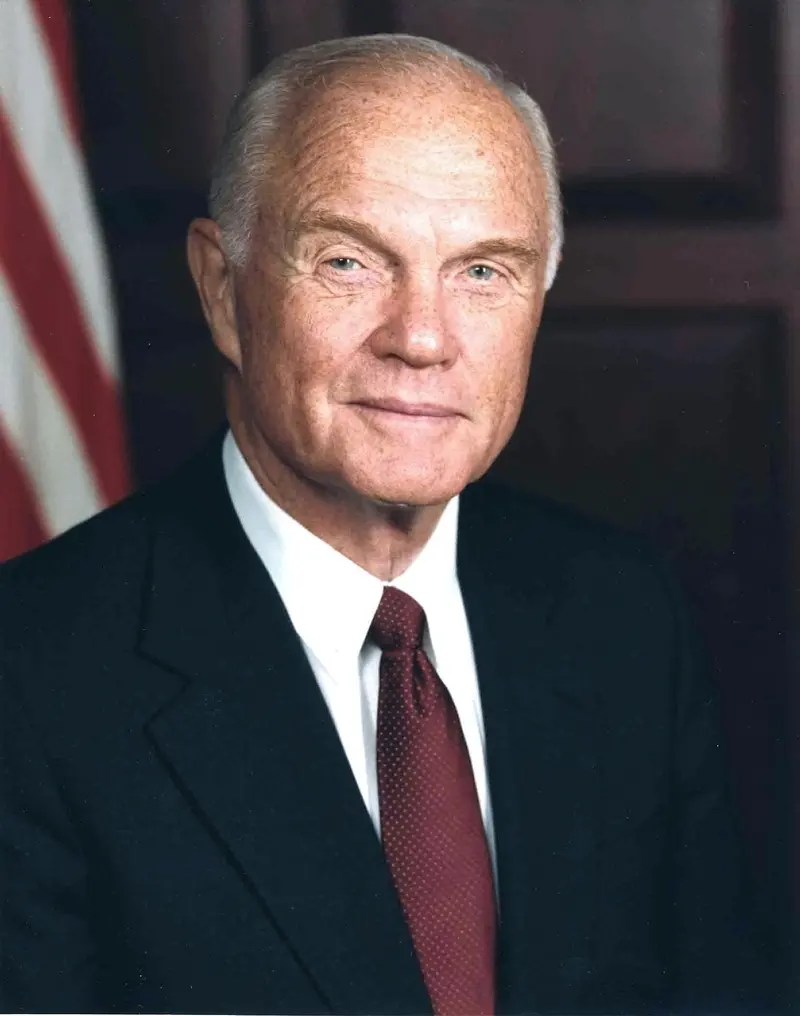
Photo: U.S. Senate Historical Office, Public domain
-
7 Nov
1996 NASA launches the Mars Global SurveyorNASA launched the Mars Global Surveyor from Cape Canaveral in Florida. The robotic space probe orbited Mars from 1997 to 2006, mapping the entire pla…
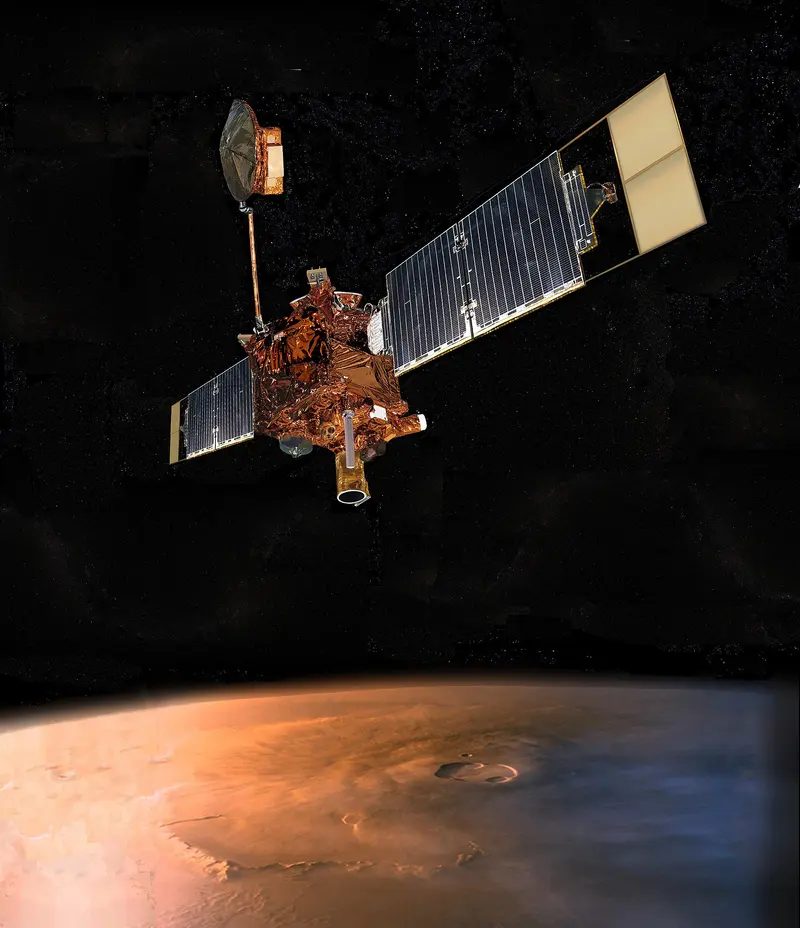
Photo: NASA/JPL-Caltech/Corby Waste, Public domain
-
11 Oct
1984 Kathryn Sullivan becomes the first American woman to walk in spaceAstronaut Kathryn Sullivan became the first American woman to make a spacewalk, leaving the Space Shuttle Challenger to work outside in space. Sulliv…
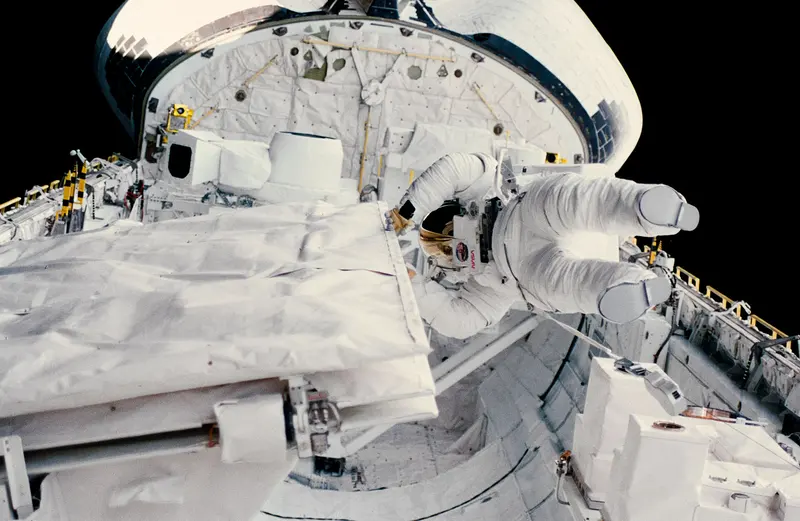
Photo: NASA, Public domain
There are many more stories on our Space topic page.