A Day in the Past

On this day: 21 November

132 things happened on 21 November, from 164 BC to 2019. UK stories come first, then the rest of the world.

Printable worksheet Take the quiz

Did you know?

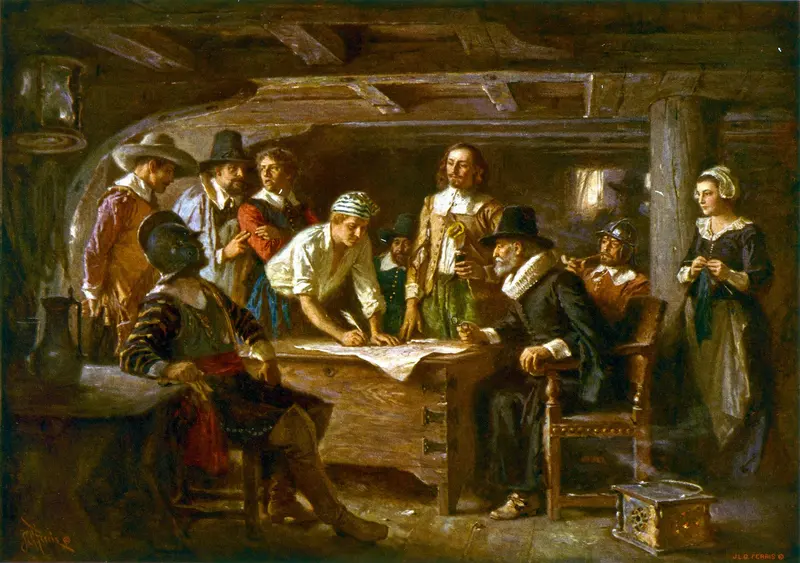
Painting of men in 17th-century clothes gathered round a table in a ship's cabin, one of them signing a paper
Photo: Jean Leon Gerome Ferris, Public domain

1620 · 406 years ago

Mayflower passengers sign the Mayflower Compact

While the Mayflower was anchored in what is now Provincetown Harbor, in Massachusetts, 41 of its passengers signed the Mayflower Compact. This agreement was the first set of rules for governing their new settlement, Plymouth Colony. Many of the settlers were …
In the UK 2

UK history first: stories from England, Scotland, Wales and Northern Ireland.

1918 108 years ago

UK story

Women win the right to be elected to Parliament

The Parliament (Qualification of Women) Act 1918 was passed. It gave women over the age of 21 the right to stand for election as a Member of Parliament (MP). This meant voters could now choose women to represent them in the House of Commons. At just 41 words long, it is the shortest law ever passed by the UK Parliament.

1953 73 years ago

UK story

Scientists reveal that Piltdown Man was a fake

The Natural History Museum in London announced that the 'Piltdown Man' skull was a hoax. In 1912, Charles Dawson claimed he had found the remains of an early human near Piltdown in East Sussex. Many experts believed it was a 'missing link' between apes and humans. In fact, it had been made from a small-brained modern human skull and the jawbone and teeth of an orangutan.

Around the world 38

1620 406 years ago

Mayflower passengers sign the Mayflower Compact

While the Mayflower was anchored in what is now Provincetown Harbor, in Massachusetts, 41 of its passengers signed the Mayflower Compact. This agreement was the first set of rules for governing their new settlement, Plymouth Colony. Many of the settlers were unhappy with the Church of England. Even so, the agreement included a promise of loyalty to King James I.

Painting of men in 17th-century clothes gathered round a table in a ship's cabin, one of them signing a paper
The Mayflower Compact, 1620, painted by Jean Leon Gerome Ferris Photo: Jean Leon Gerome Ferris, Public domain
1676 350 years ago

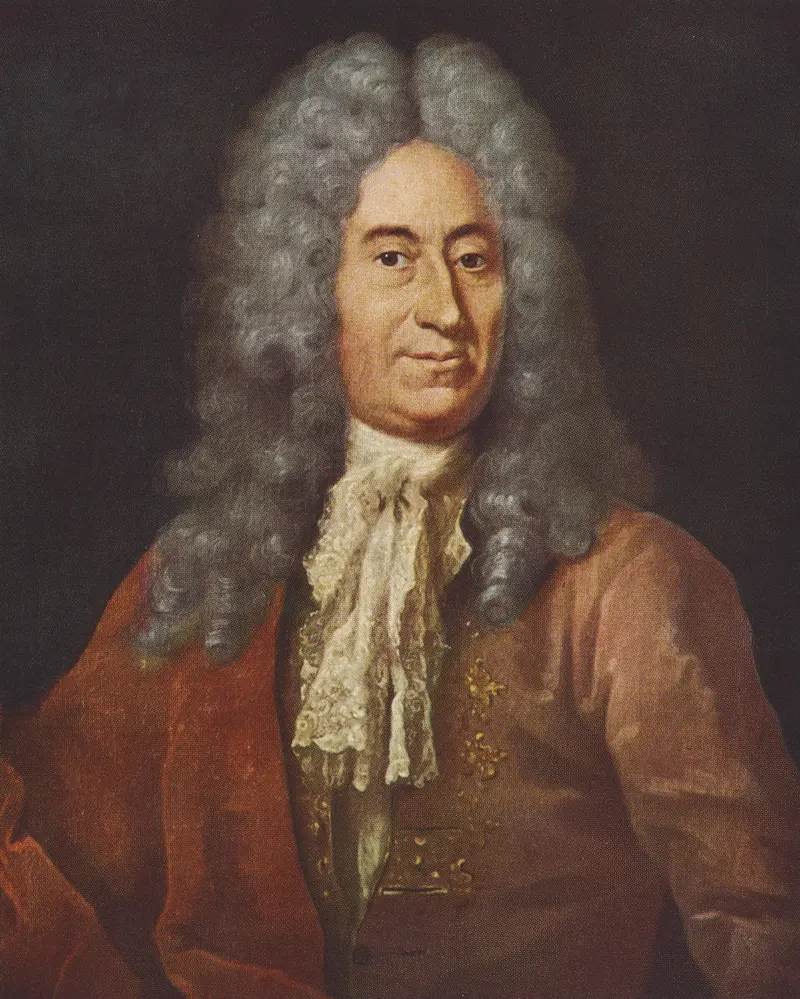
Ole Rømer shows that light travels at a measurable speed

Danish astronomer Ole Rømer presented the first measurements of the speed of light. Working at the Royal Observatory in Paris, he carefully timed the eclipses of Io, one of Jupiter's moons. He showed that light takes time to travel and does not arrive instantly. His estimate was about a quarter too low, but his idea was soon supported by scientists including Isaac Newton.

Painted portrait of Ole Rømer with a long curly grey wig and a red coat
The Danish astronomer Ole Rømer, painted by Jacob Coning Photo: Jacob Coning, Public domain
1783 243 years ago

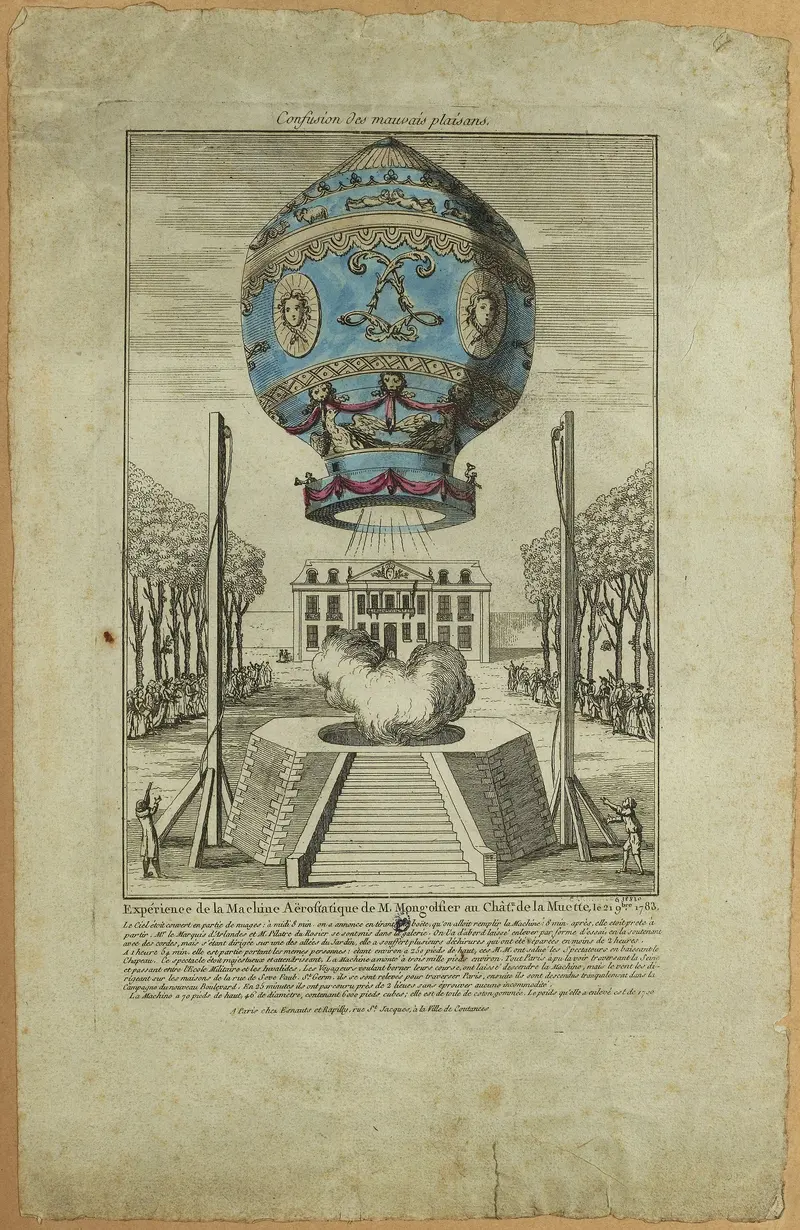
People fly free in a hot air balloon for the first time

In Paris, Jean-François Pilâtre de Rozier and François Laurent d'Arlandes made the first free flight by people in a hot air balloon. 'Free' means the balloon was not tied to the ground. It was the first confirmed human flight of any kind. Pilâtre de Rozier was a chemistry and physics teacher and one of the first pioneers of flying.

Old hand-coloured print of a huge blue and gold decorated balloon rising above a stone platform in front of a château, with crowds watching
A print of the Montgolfier balloon experiment at the Château de la Muette on 21 November 1783 Photo: Anonyme, graveur, CC0
1877 149 years ago

Thomas Edison announces his invention of the phonograph

American inventor Thomas Edison announced his invention of the phonograph, a machine that could record sound and play it back. Sounds were recorded as a groove cut into the surface of a turning cylinder. A needle then followed the groove to play the sound again. Later phonographs, or record players, became the first sound machines that people owned and used at home.

1905 121 years ago

Einstein's paper leading to E = mc² is published

A scientific paper by Albert Einstein was published in the German journal Annalen der Physik. It led to his famous formula E = mc², which shows how mass and energy are linked. Because the speed of light (c) is so large, the formula means that a tiny amount of mass equals a huge amount of energy. E = mc² has been called 'the world's most famous equation'.

1964 62 years ago

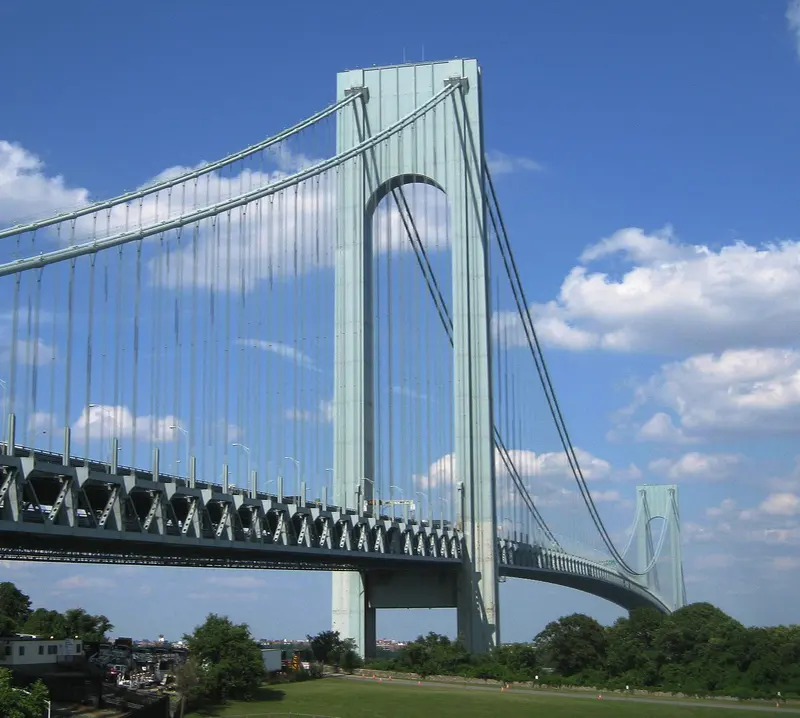
New York's Verrazzano–Narrows Bridge opens

The Verrazzano–Narrows Bridge opened in New York City, linking Staten Island and Brooklyn. It is a suspension bridge, and its central span is 1.3 kilometres long. This was the longest suspension bridge span in the world until England's Humber Bridge was completed in 1981. The bridge is named after Giovanni da Verrazzano, the first European explorer to enter New York Harbor, in 1524.

A huge suspension bridge with tall grey-green towers stretching across the water under a blue sky
The Verrazzano–Narrows Bridge, which links Staten Island and Brooklyn in New York City Photo: H.L.I.T, Public domain
1969 57 years ago

The first permanent ARPANET link connects two computers

The first permanent link on the ARPANET joined computers at the University of California, Los Angeles (UCLA) and a research centre called SRI. ARPANET was an early network that let distant computers share information. The technology it used became the foundation of the Internet. It was also used for an early form of email.

1969 57 years ago

U.S. President Richard Nixon and Japanese Premier Eisaku Satō agree on the return of Okinawa to Japanese control in 1972. The U.S. retains rights to bases on the island, but these are to be nuclear-free.

1992 34 years ago

A major tornado strikes the Houston, Texas area during the afternoon. Over the next two days the largest tornado outbreak ever to occur in the US during November spawns over 100 tornadoes.

2013 13 years ago

Massive protests start in Ukraine after President Viktor Yanukovych suspended signing the Ukraine–European Union Association Agreement.

Quick quiz

Every answer is somewhere on this page. Have a go, then check!

  1. In which year did this happen: “Scientists reveal that Piltdown Man was a fake”?

    1. 1953
    2. 1969
    3. 1964
    Show the answer

    A: 1953. 1953 — that’s 73 years ago. Find it on the page

  2. In which year did this happen: “Women win the right to be elected to Parliament”?

    1. 1918
    2. 1924
    3. 1989
    Show the answer

    A: 1918. 1918 — that’s 108 years ago. Find it on the page

  3. Which of these happened first?

    1. Scientists reveal that Piltdown Man was a fake
    2. Thomas Edison announces his invention of the phonograph
    3. Women win the right to be elected to Parliament
    Show the answer

    B: Thomas Edison announces his invention of the phonograph. 1953: Scientists reveal that Piltdown Man was a fake · 1877: Thomas Edison announces his invention of the phonograph · 1918: Women win the right to be elected to Parliament Find it on the page

  4. “Christopher Tolkien” happened in 1924. How many years ago was that?

    1. 92 years
    2. 112 years
    3. 102 years
    Show the answer

    C: 102 years. 2026 − 1924 = 102. Find it on the page

Born on this day 35

Famous people whose birthday is 21 November.

Remembering 15

Well-known people who died on 21 November.

Special days 11

Festivals, holidays and saints’ days celebrated on 21 November somewhere in the world.

For older readers 31 Show stories about war, disasters, crime and other difficult history

Content note: these entries mention things like war, violence, deaths, disasters or crime. They are part of history, but they can be upsetting. Grown-ups and teachers: you may want to read them first. They come straight from Wikipedia and have not been rewritten for children.

Where these facts come from

Stories with a heading have been written for young readers by A Day in the Past, using the linked articles as sources. Other entries show text from Wikipedia’s “November 21” page and its “On this day” feed, written by Wikipedia contributors and shared under the Creative Commons Attribution-ShareAlike 4.0 licence. Each “Read more” link goes to the article an entry is based on. Photos are credited under each picture. Spotted a mistake? Please tell us.