A Day in the Past

On this day: 28 December

111 things happened on 28 December, from AD 418 to 2025. UK stories come first, then the rest of the world.

Printable worksheet Take the quiz

Did you know?

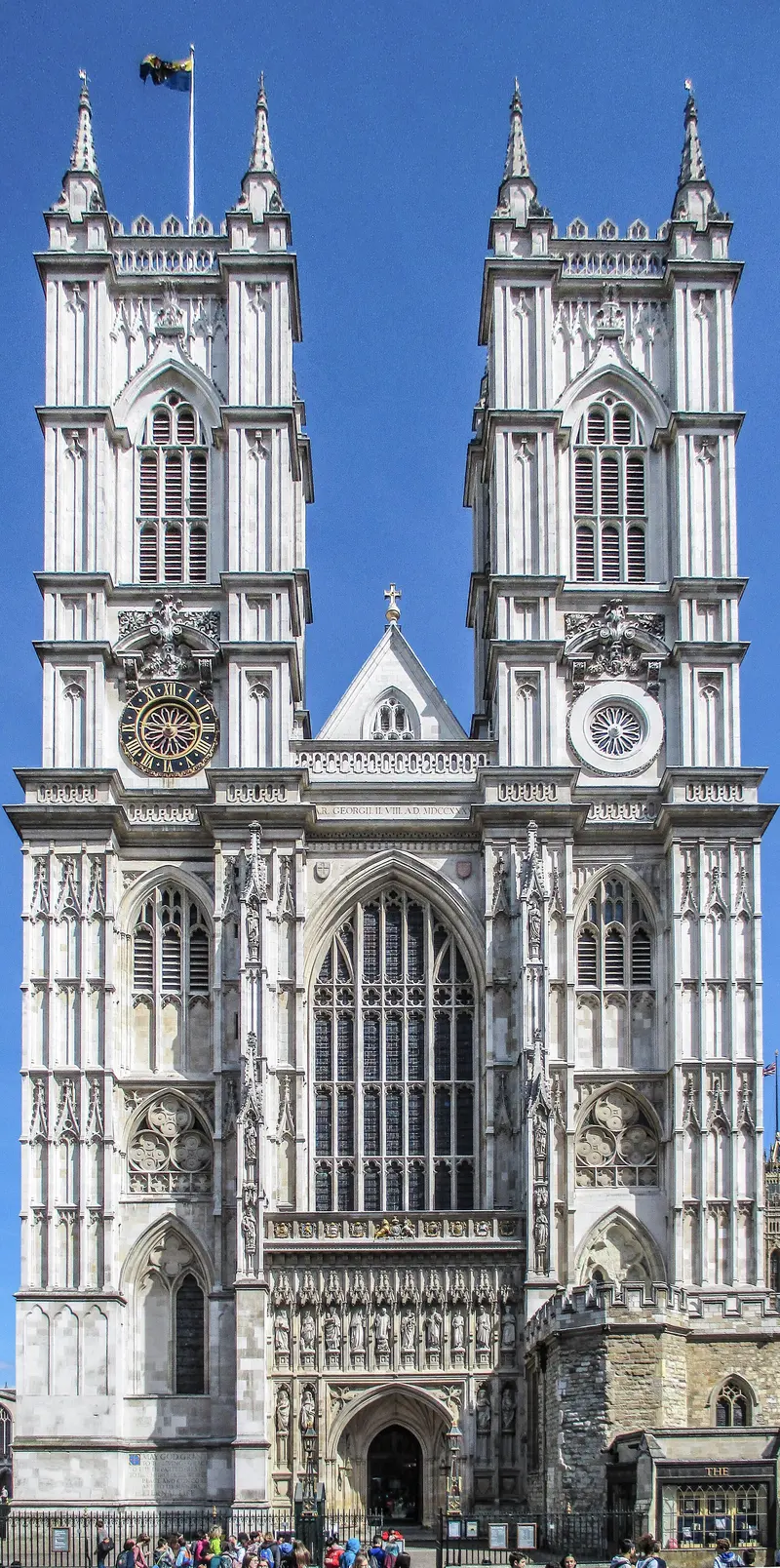
The tall stone front of Westminster Abbey with two square towers and a big pointed window, under a blue sky
Photo: Antiquary, CC BY 4.0

1065 · 961 years ago

Westminster Abbey is consecrated

Westminster Abbey in London, built by King Edward the Confessor, was consecrated, which means it was officially blessed as a church. It was the first church in England built in the Romanesque style. Since 1066, 40 English and British monarchs have been crowne…
In the UK 3

UK history first: stories from England, Scotland, Wales and Northern Ireland.

1065 961 years ago

UK story

Westminster Abbey is consecrated

Westminster Abbey in London, built by King Edward the Confessor, was consecrated, which means it was officially blessed as a church. It was the first church in England built in the Romanesque style. Since 1066, 40 English and British monarchs have been crowned there, and 18 monarchs are buried there. At least 16 royal weddings have also taken place in the abbey.

The tall stone front of Westminster Abbey with two square towers and a big pointed window, under a blue sky
The west front of Westminster Abbey Photo: Antiquary, CC BY 4.0
1918 108 years ago

UK story

Constance Markievicz becomes the first woman elected as an MP

Election results showed that Constance Markievicz had become the first woman ever elected to the House of Commons. She won the seat of Dublin St Patrick's for Sinn Féin, a party that wanted Irish independence. Following her party's policy, she did not take her seat at Westminster. The count had been delayed so that votes from soldiers serving overseas could be included.

Around the world 31

1612 414 years ago

Galileo becomes the first person to see Neptune

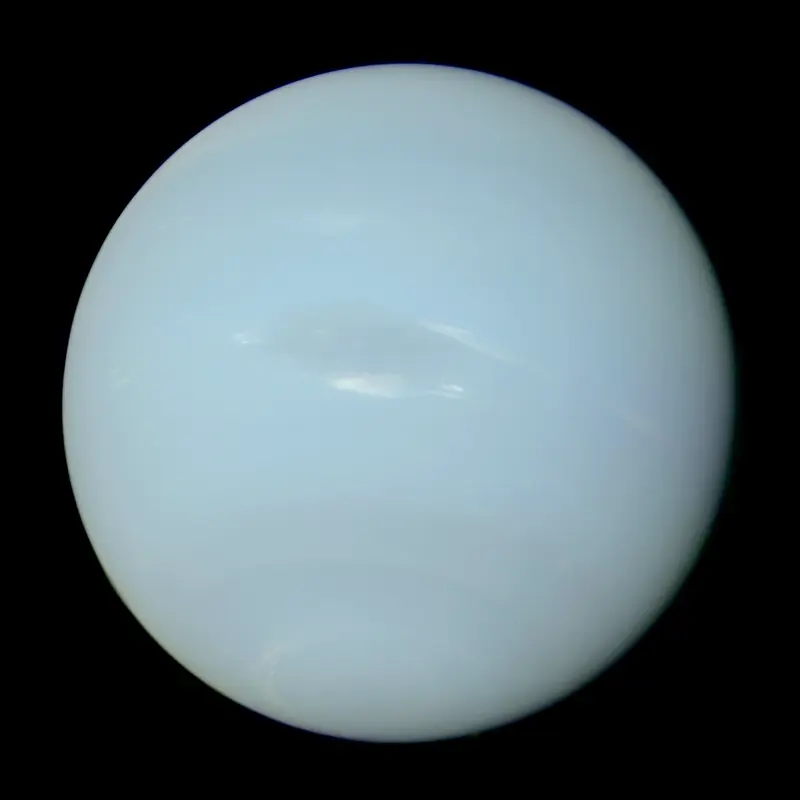
The Italian astronomer Galileo Galilei became the first person to observe the planet Neptune, although he mistook it for a star. Neptune is the eighth and farthest known planet from the Sun, and it takes 164.8 years to travel once around it. It is named after the Roman god of the sea. Galileo is often called the father of observational astronomy.

The planet Neptune, a pale blue ball with faint bands of cloud, against black space
Neptune photographed by NASA's Voyager 2 probe on 17 August 1989 Photo: NASA / Voyager 2 / PDS / OPUS / Ardenau4, CC0
1836 190 years ago

South Australia and its capital, Adelaide, are founded

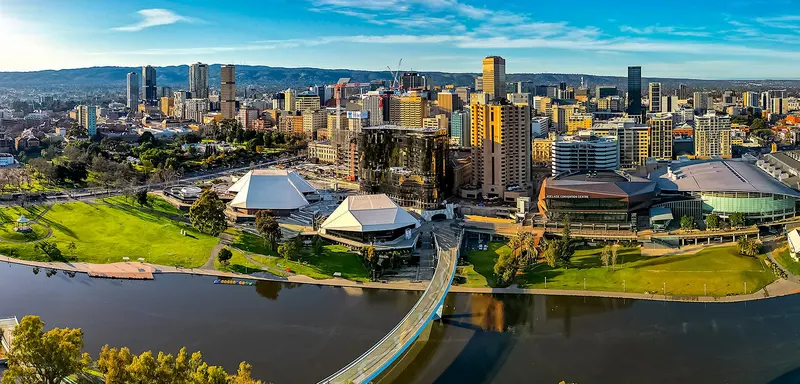
The colony of South Australia was founded, along with its capital city, Adelaide. South Australia is now one of the states of Australia. It is the fourth-largest of the country's states and territories, and it includes some of the driest parts of the continent. More than two-thirds of South Australians live in or around Adelaide.

The city of Adelaide seen from above, with tall buildings, green parkland and a river with a footbridge
The skyline of Adelaide and the River Torrens in December 2022 Photo: File:Adelaide skyline, December 2022.jpg: Ardash Muradian from Australia derivative work: Georgfotoart, CC BY-SA 2.0
1895 131 years ago

Wilhelm Röntgen publishes his discovery of X-rays

The German physicist Wilhelm Röntgen published a paper describing a new kind of radiation that he had discovered. These rays later became known as X-rays. In 1901 Röntgen became the very first person to win the Nobel Prize in Physics, for discovering them. The chemical element roentgenium is named in his honour.

1895 131 years ago

The Lumière brothers show films to a paying audience

The French brothers Auguste and Louis Lumière showed their films to a paying audience for the first time. The show took place at the Grand Café in Paris. The brothers made photography equipment and created the Cinématographe, a system for making and showing moving pictures. The short films they produced make them some of the earliest film-makers in history.

1907 119 years ago

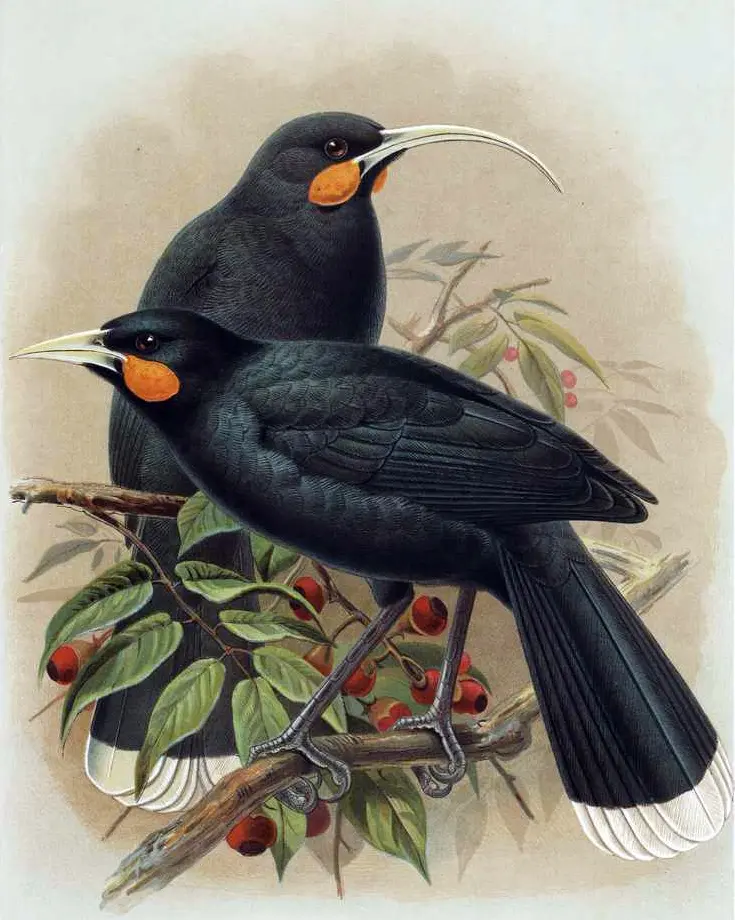
The last confirmed sighting of New Zealand's huia bird

The last confirmed sighting of a huia took place in the Tararua Range on New Zealand's North Island. The huia was a kind of wattlebird found only on the North Island. Someone reported another believable sighting in 1924, but the huia is now extinct, which means none are left alive anywhere.

Old colour drawing of two black birds with orange wattles and white-tipped tails sitting on a branch with red berries, one with a long curved beak
A male and female huia, illustrated by J. G. Keulemans Photo: J. G. Keulemans, Public domain
1967 59 years ago

Muriel Siebert becomes the first woman on the New York Stock Exchange

The American businesswoman Muriel Siebert became the first woman to own a seat on the New York Stock Exchange. A stock exchange is a market where people buy and sell shares in companies, and owning a seat means being a member. She joined 1,365 male members. The New York Stock Exchange is the largest stock exchange in the world.

1973 53 years ago

The USA passes a law to protect endangered species

President Richard Nixon signed the Endangered Species Act into law in the United States. It is the country's main law for protecting animals and plants in danger of dying out. Its aims are to prevent extinction and to help species recover until they no longer need protecting. The US Supreme Court called it the most complete law of its kind passed by any nation.

1902 124 years ago

The Syracuse Athletic Club defeat the New York Philadelphians, 5–0, in the first indoor professional football game, which was held at Madison Square Garden.

Quick quiz

Every answer is somewhere on this page. Have a go, then check!

  1. In which year did this happen: “Westminster Abbey is consecrated”?

    1. 1065
    2. 1973
    3. 1885
    Show the answer

    A: 1065. 1065 — that’s 961 years ago. Find it on the page

  2. In which year did this happen: “Constance Markievicz becomes the first woman elected as an MP”?

    1. 1918
    2. 1907
    3. 1882
    Show the answer

    A: 1918. 1918 — that’s 108 years ago. Find it on the page

  3. Which of these happened first?

    1. Galileo becomes the first person to see Neptune
    2. Constance Markievicz becomes the first woman elected as an MP
    3. Westminster Abbey is consecrated
    Show the answer

    C: Westminster Abbey is consecrated. 1612: Galileo becomes the first person to see Neptune · 1918: Constance Markievicz becomes the first woman elected as an MP · 1065: Westminster Abbey is consecrated Find it on the page

  4. “Maggie Smith” happened in 1934. How many years ago was that?

    1. 92 years
    2. 102 years
    3. 82 years
    Show the answer

    A: 92 years. 2026 − 1934 = 92. Find it on the page

Born on this day 36

Famous people whose birthday is 28 December.

Remembering 15

Well-known people who died on 28 December.

Special days 9

Festivals, holidays and saints’ days celebrated on 28 December somewhere in the world.

For older readers 17 Show stories about war, disasters, crime and other difficult history

Content note: these entries mention things like war, violence, deaths, disasters or crime. They are part of history, but they can be upsetting. Grown-ups and teachers: you may want to read them first. They come straight from Wikipedia and have not been rewritten for children.

Where these facts come from

Stories with a heading have been written for young readers by A Day in the Past, using the linked articles as sources. Other entries show text from Wikipedia’s “December 28” page and its “On this day” feed, written by Wikipedia contributors and shared under the Creative Commons Attribution-ShareAlike 4.0 licence. Each “Read more” link goes to the article an entry is based on. Photos are credited under each picture. Spotted a mistake? Please tell us.