Advent calendars count down the days to Christmas, one little door at a time. Ours has no chocolate inside. Instead, every door hides a true story from history that happened on that very date.
How our advent calendar works
Start on 1 December and open one story each day until Christmas Eve. The list below always shows the top story from our calendar for each date, so there is no need to hunt for it. Tap a story to visit its day page. There you will find more stories from the same date, a quick quiz and a printable worksheet.
-
1 Dec
1420 Henry V rides into Paris with the French kingKing Henry V of England entered Paris alongside King Charles VI of France, who was his father-in-law. Earlier that year, the Treaty of Troyes had nam…
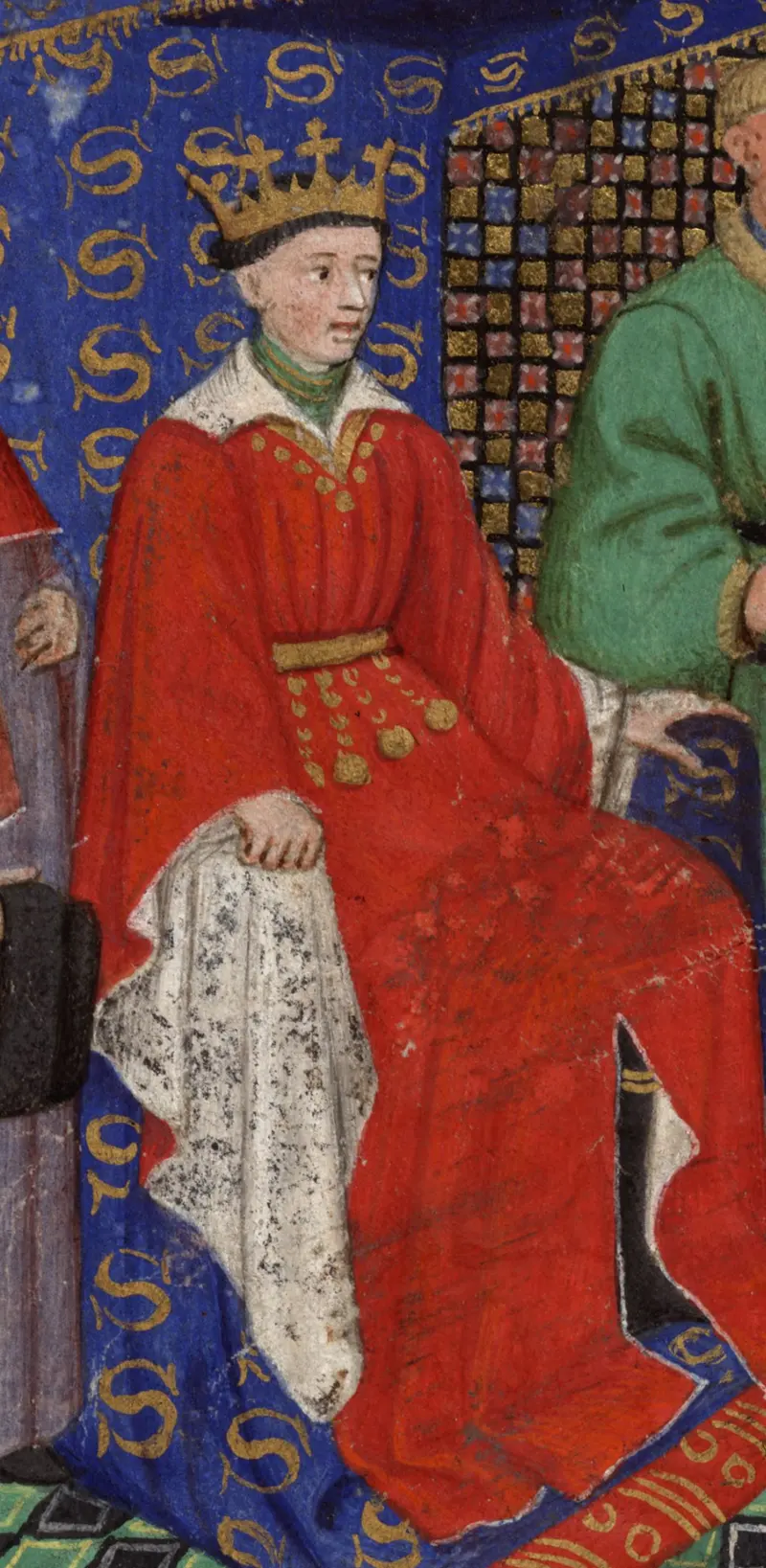
Photo: Jean Galopes, Public domain
-
2 Dec
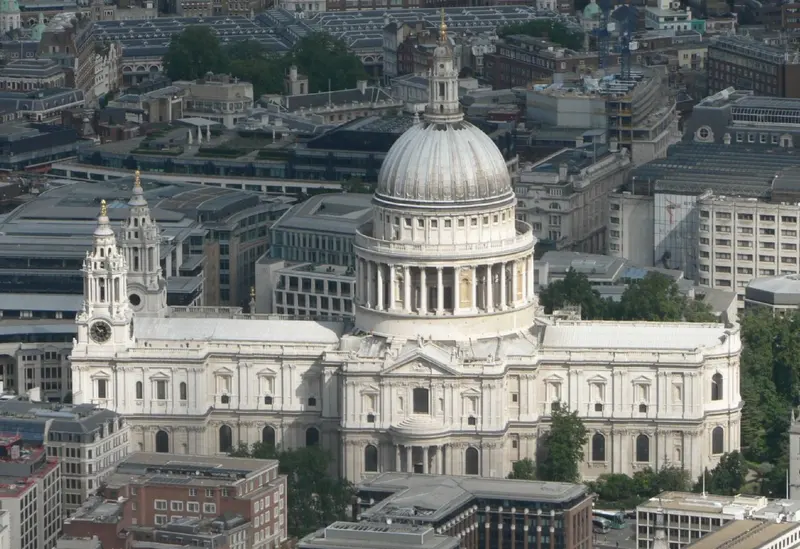
1697 Christopher Wren's new St Paul's Cathedral is consecratedThe new St Paul's Cathedral in London was consecrated, which means it was officially blessed for worship. The old cathedral had been destroyed in the…
-
3 Dec
1927 Laurel and Hardy's first official film as a team is releasedPutting Pants on Philip, a short silent comedy starring Laurel and Hardy, was released. It is described as the pair's first 'official' film as a team…
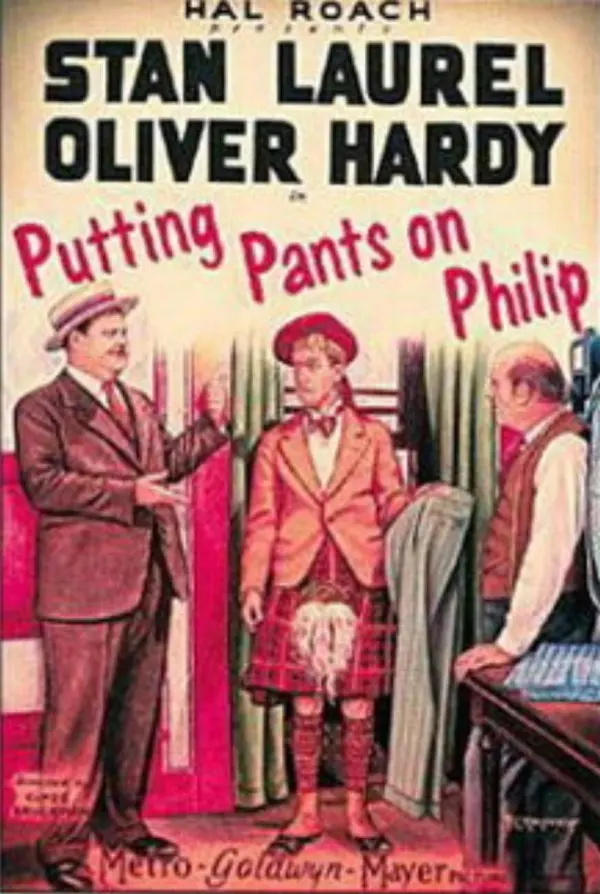
Photo: Clyde Bruckman, Public domain
-
4 Dec
1259 Henry III and Louis IX agree the Treaty of ParisKing Henry III of England and King Louis IX of France agreed the Treaty of Paris. Henry gave up his claims to lands controlled by France on the conti…
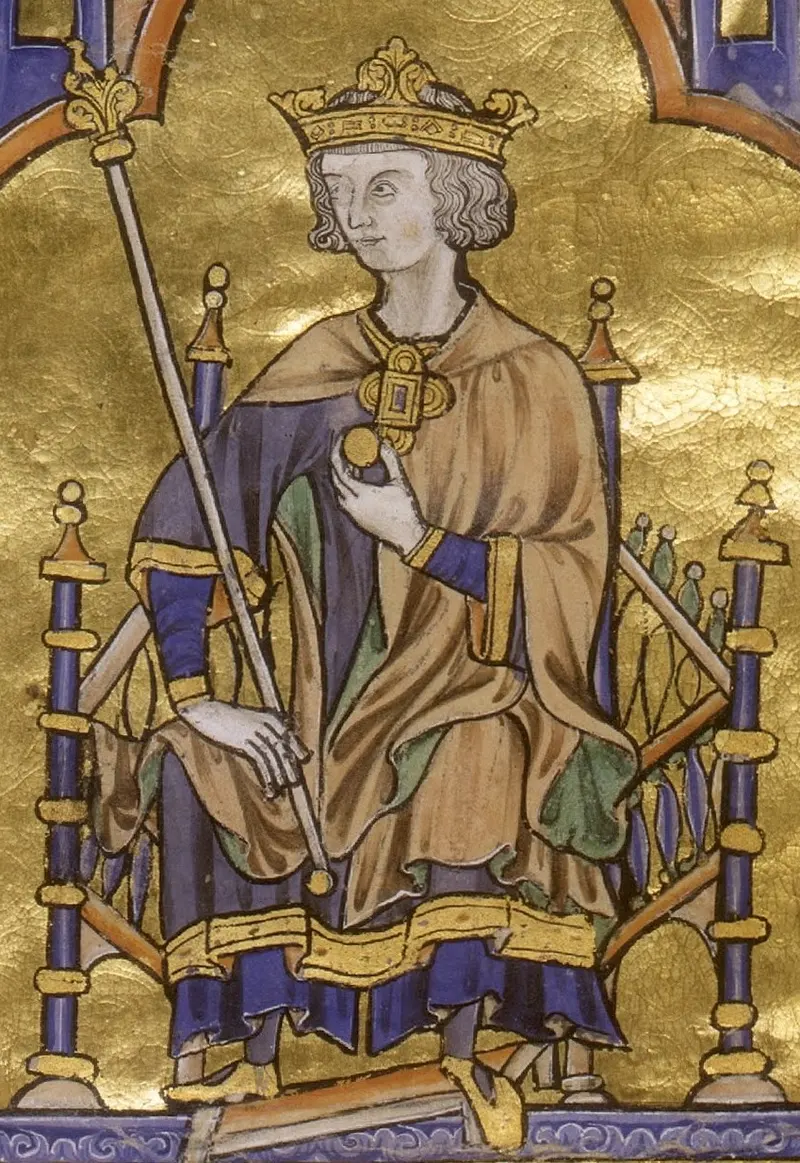
Photo: Anonymous, Public domain
-
5 Dec
1914 Shackleton's Imperial Trans-Antarctic Expedition sets outSir Ernest Shackleton's Imperial Trans-Antarctic Expedition began. Its aim was to make the first crossing of Antarctica over land. The expedition did…
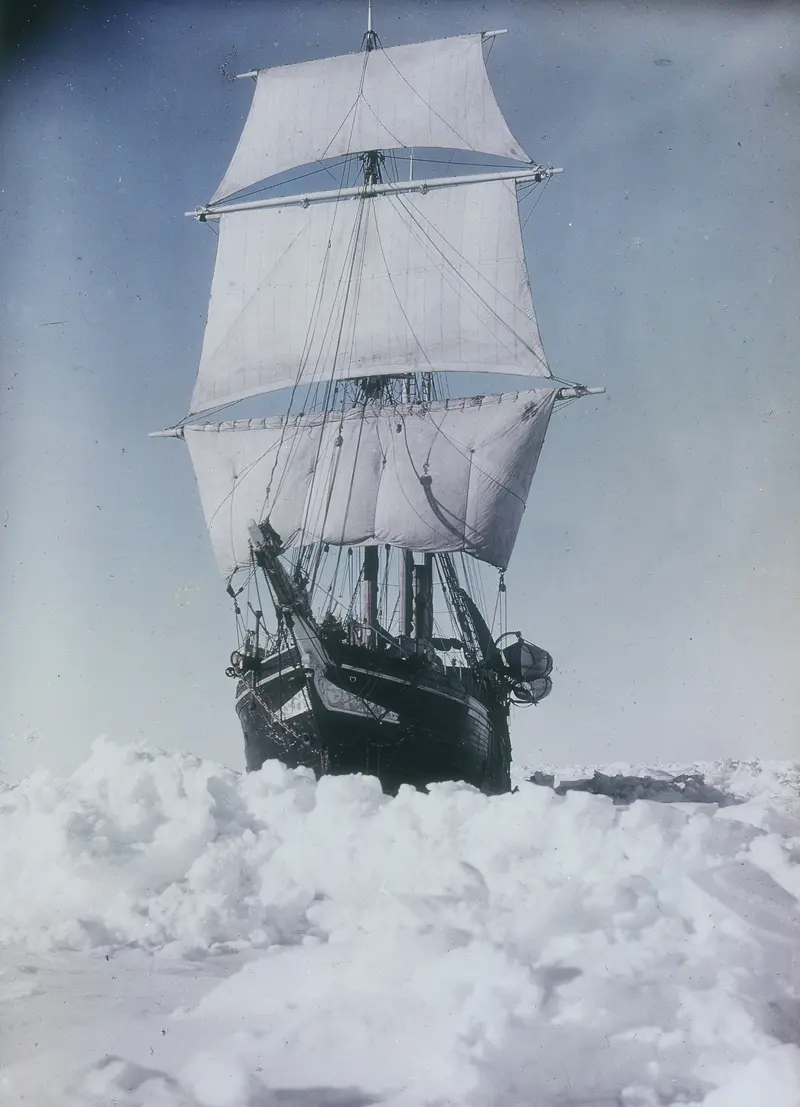
Photo: Frank Hurley, Public domain
-
6 Dec
1921 The Anglo-Irish Treaty is signed in LondonBritish and Irish representatives signed the Anglo-Irish Treaty in London. The agreement ended the Irish War of Independence. It said that an Irish F…
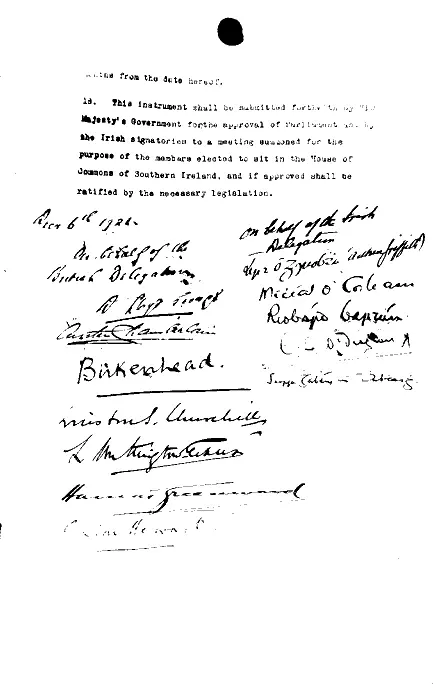
Photo: Public domain, Public domain
-
7 Dec
1732 The Royal Opera House opens at Covent GardenThe Royal Opera House opened at Covent Garden in central London. The building is often simply called 'Covent Garden', after an earlier use of the sit…
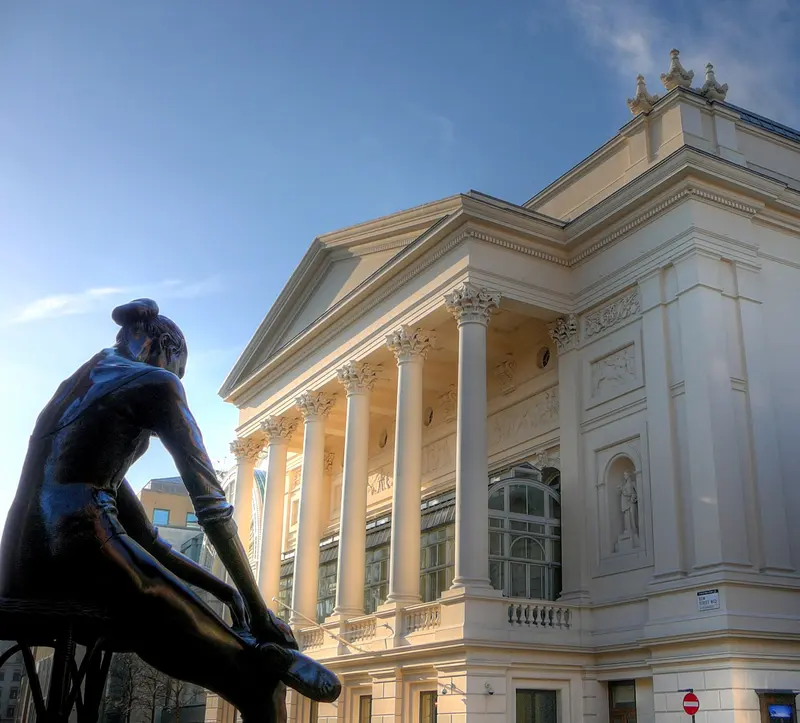
Photo: Russ London (talk), CC BY-SA 3.0
-
8 Dec
1660 Margaret Hughes becomes the first professional actress in EnglandMargaret Hughes played Desdemona in Shakespeare's play Othello in London. She is often called the first professional actress on the English stage. Be…
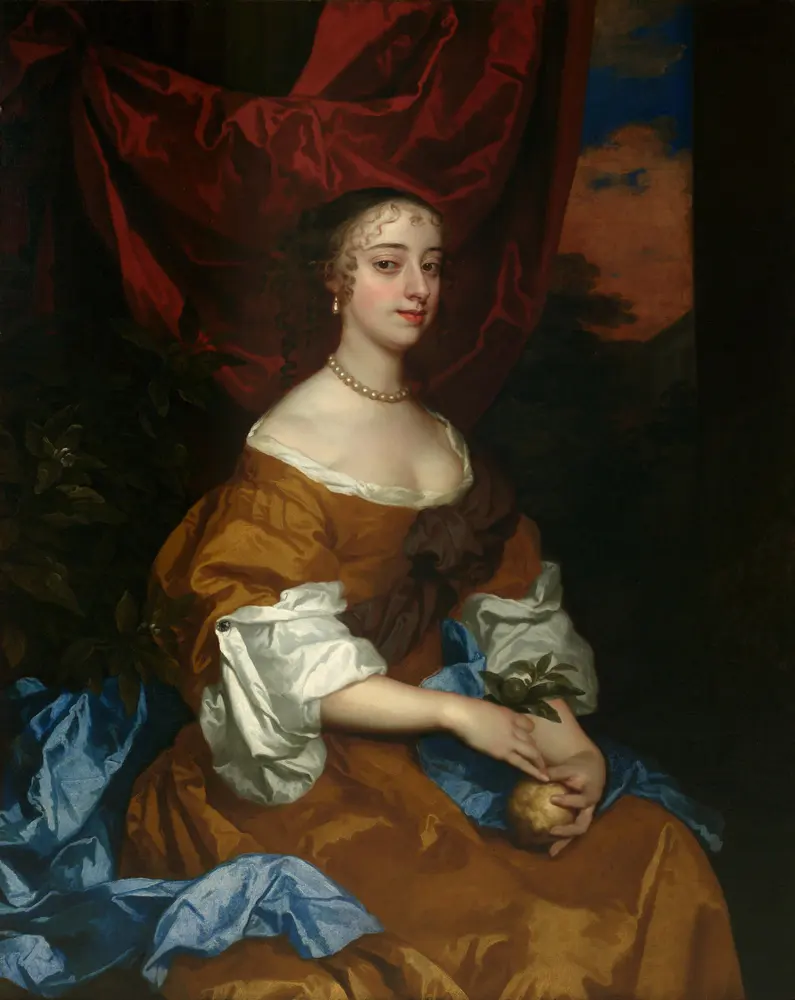
Photo: Peter Lely, Public domain
-
9 Dec
1608 Born: John MiltonJohn Milton was an English poet. He is best known for Paradise Lost, a very long poem published in 1667. It tells how Adam and Eve were tempted by Sa…
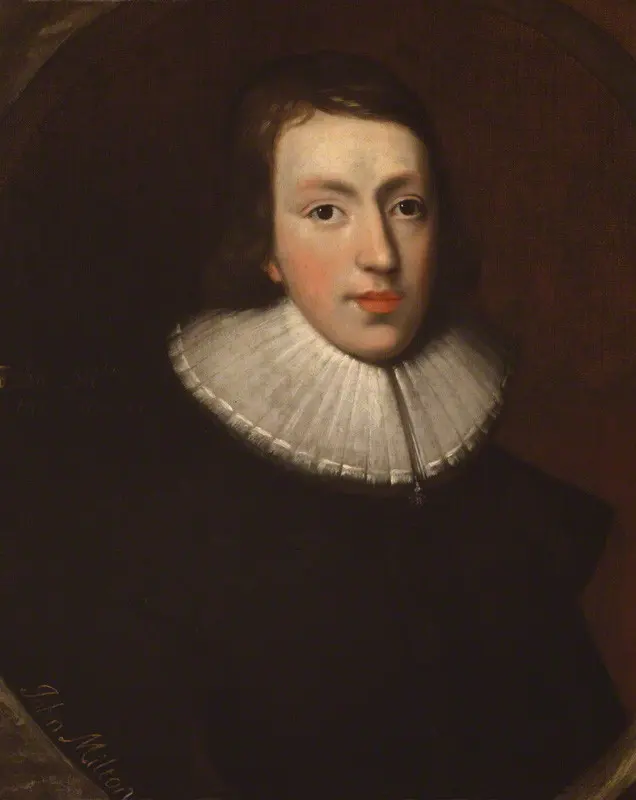
Photo: anonymous, Public domain
-
10 Dec
1936 King Edward VIII signs his abdicationKing Edward VIII signed a document to abdicate, which means give up the throne. He wanted to marry Wallis Simpson, an American who had been divorced,…
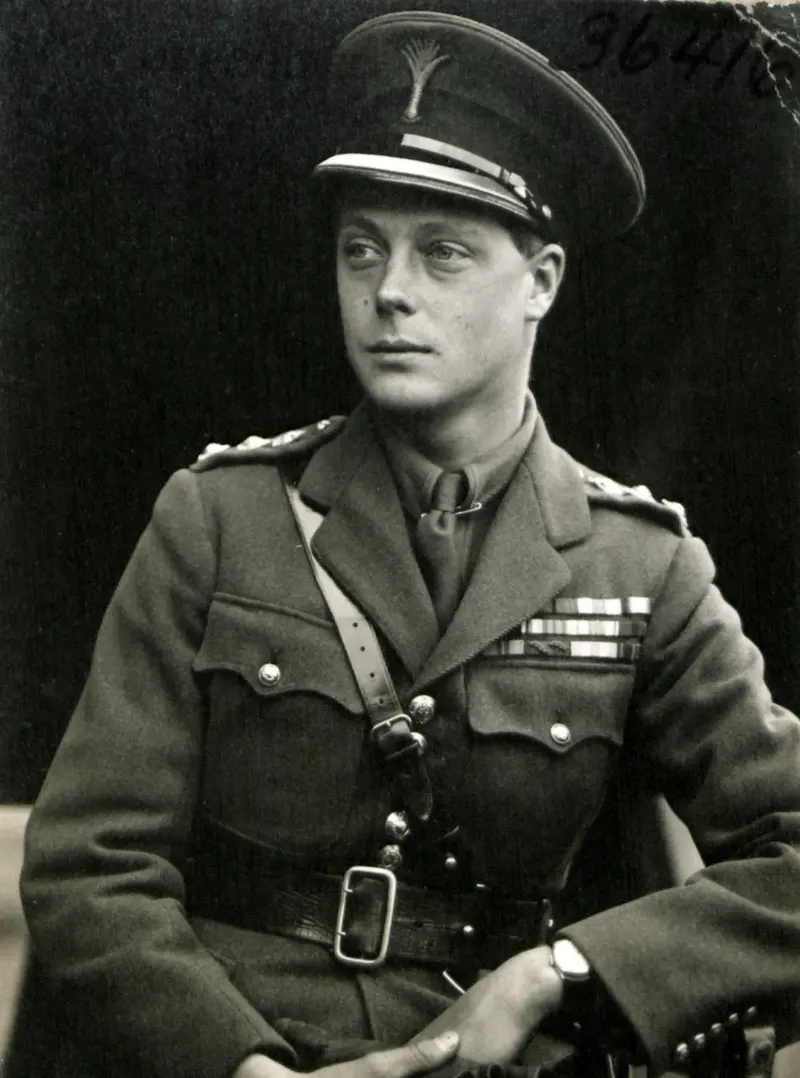
Photo: Freeland Studio, Public domain
-
11 Dec
1936 King Edward VIII's abdication becomes officialKing Edward VIII's abdication became official. To abdicate means to give up being king or queen. Edward had wanted to marry Wallis Simpson, an Americ…
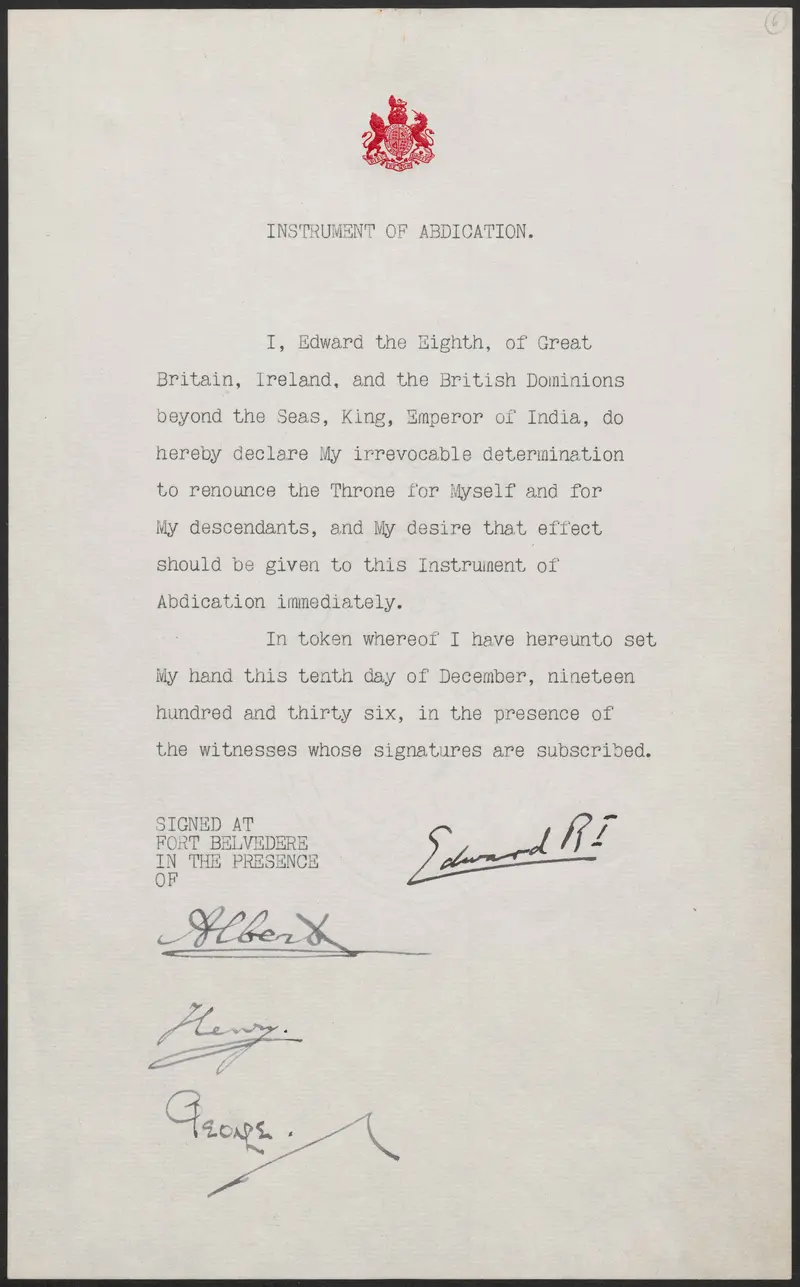
Photo: Edward VIII, Public domain
-
12 Dec
1901 Marconi receives the first radio signal sent across the AtlanticGuglielmo Marconi received the first radio signal ever sent across the Atlantic Ocean. It was sent from Poldhu in Cornwall, England, and picked up at…
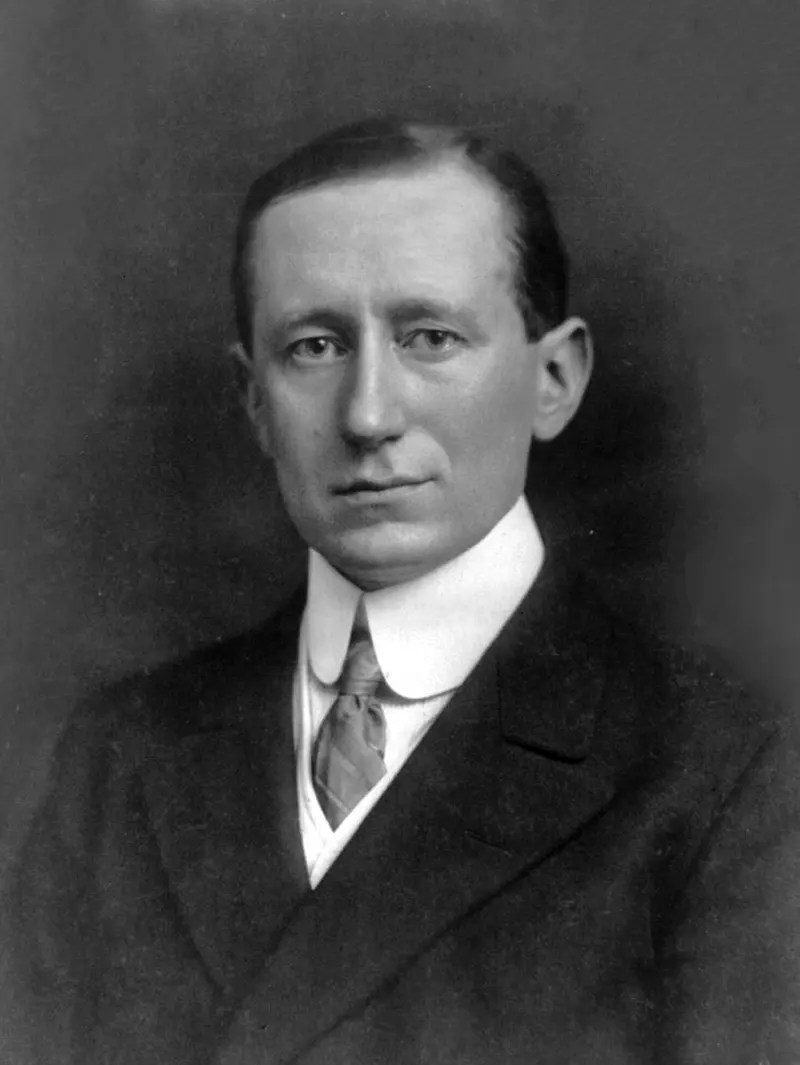
Photo: Pach Brothers, Public domain
-
13 Dec
1939 The Battle of the River Plate is fought in the South AtlanticThe Battle of the River Plate was the first British naval battle of the Second World War. Three cruisers, HMS Ajax, HMNZS Achilles and HMS Exeter, fo…
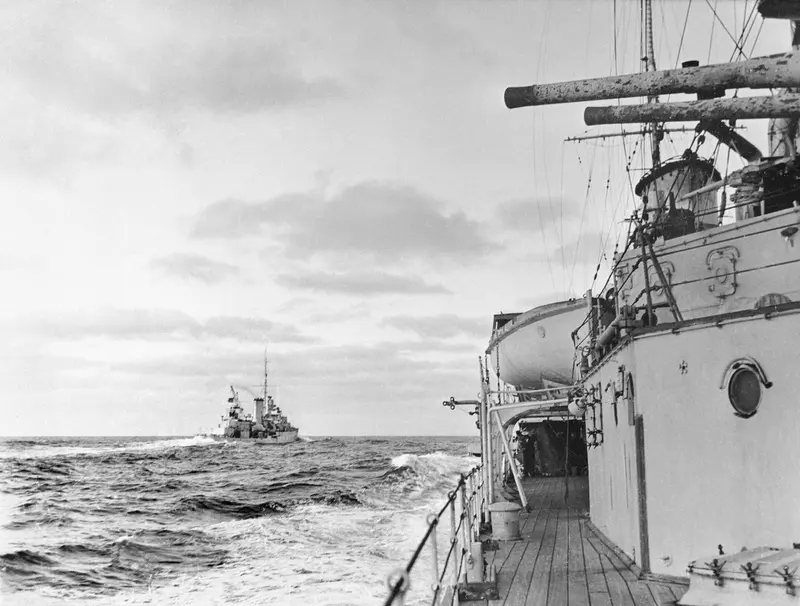
Photo: Royal Navy official photographer, Public domain
-
14 Dec
1542 Mary, Queen of Scots, becomes queen at just one week oldMary Stuart became Queen of Scotland when she was only a week old, after her father, King James V, died. She is remembered as Mary, Queen of Scots. M…
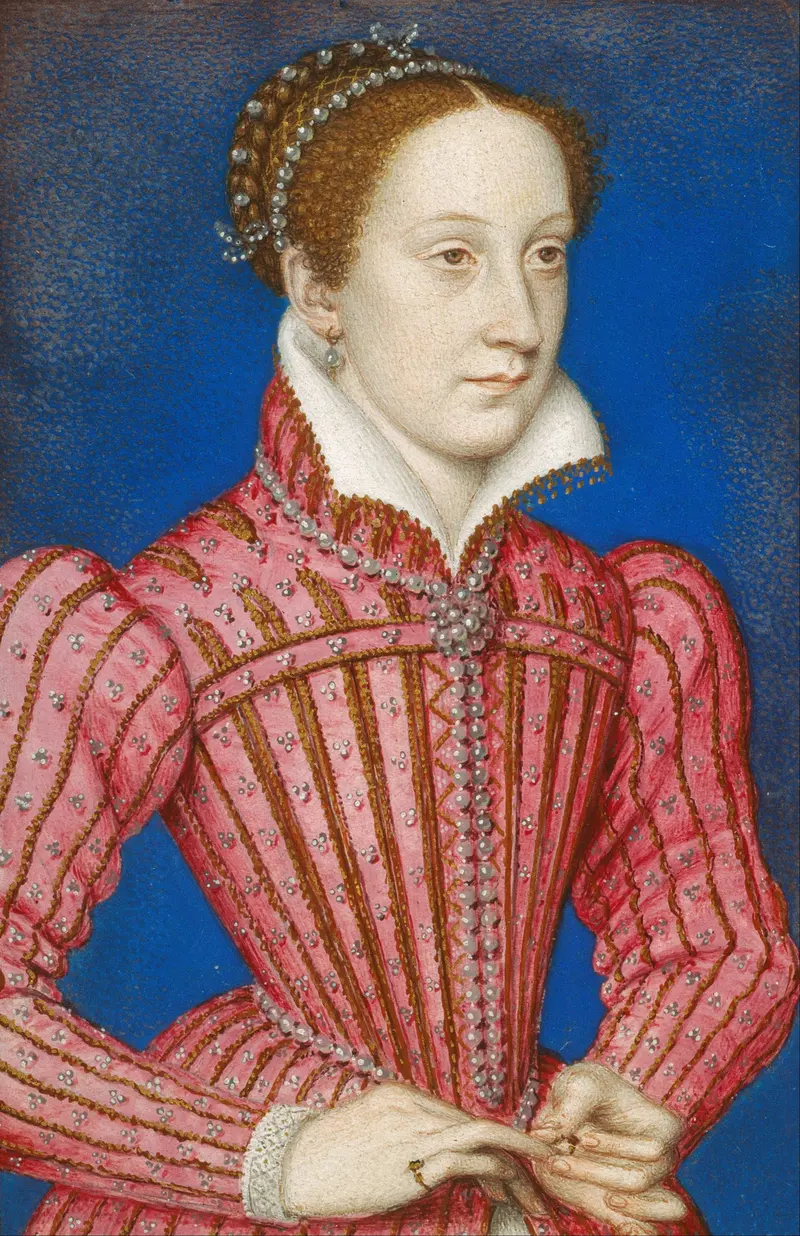
Photo: François Clouet, Public domain
-
15 Dec
1906 London's Piccadilly tube railway opensThe Great Northern, Piccadilly and Brompton Railway opened in London. It was a deep-level 'tube' railway that ran underground for 14.17 kilometres be…
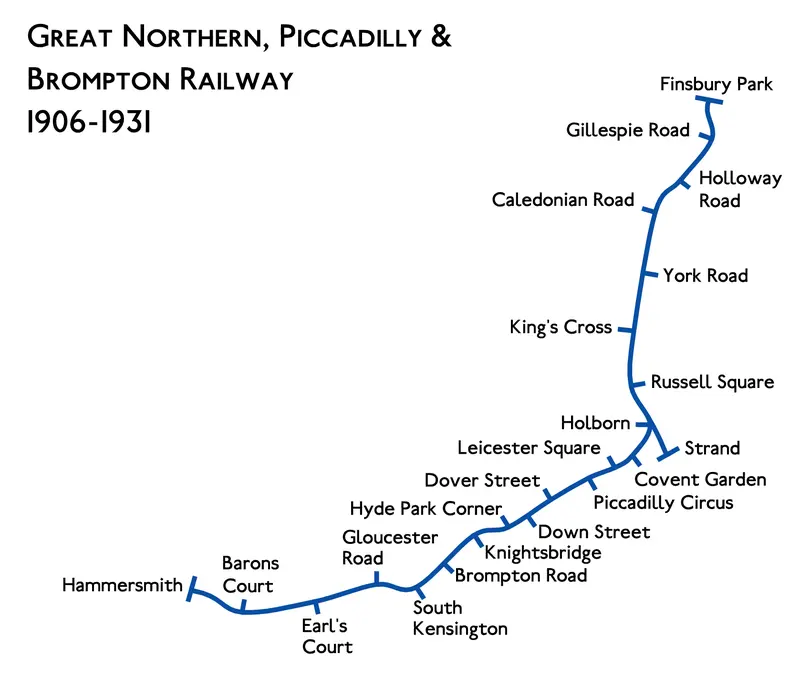
Photo: created by DavidCane, CC BY-SA 3.0
-
16 Dec
1653 Oliver Cromwell becomes Lord ProtectorOliver Cromwell became Lord Protector, the head of state of the Commonwealth of England, Scotland and Ireland. He had been a senior commander in Parl…
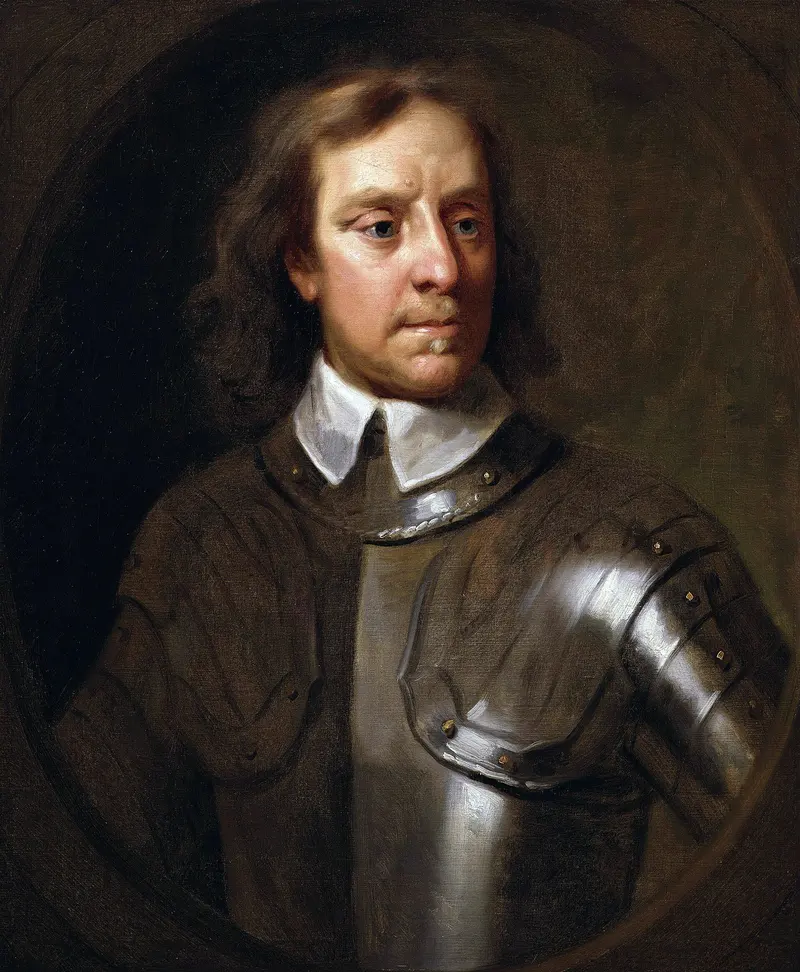
Photo: After Samuel Cooper, Public domain
-
17 Dec
1778 Born: Humphry DavySir Humphry Davy was a British chemist and inventor. He invented the Davy lamp, a lamp that could be used safely in coal mines. Using electricity, he…
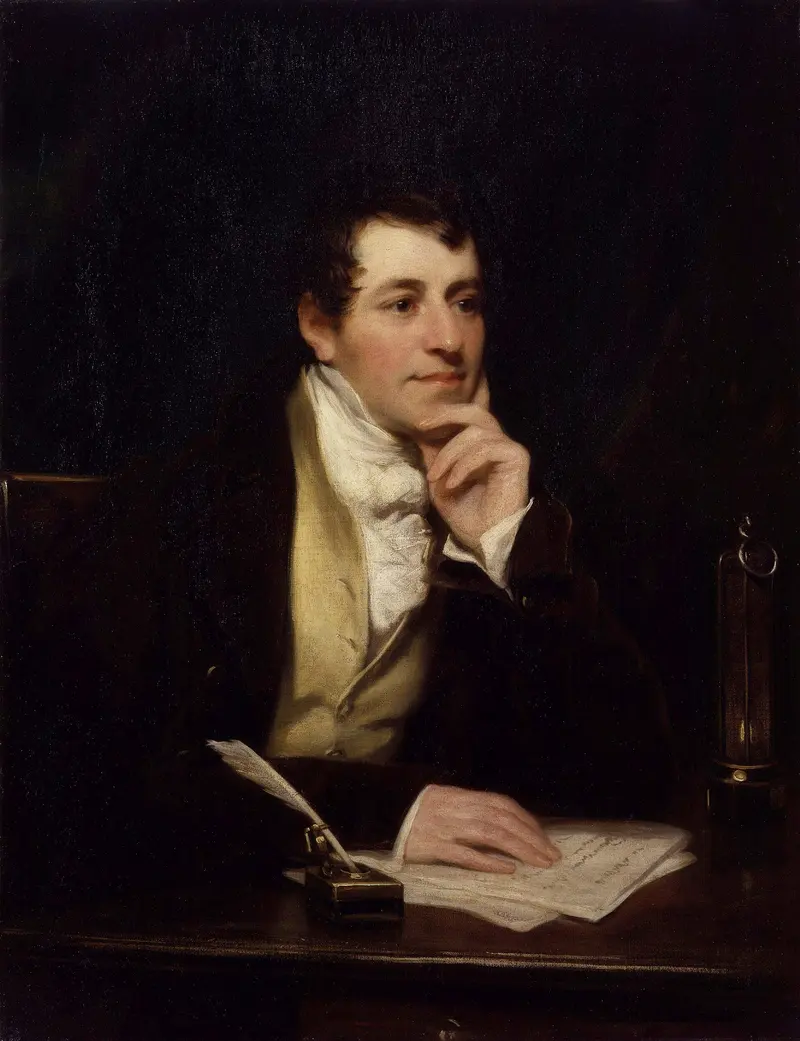
Photo: Thomas Phillips, Public domain
-
18 Dec
1792 Thomas Paine is found guilty over his book Rights of ManEnglish-born writer Thomas Paine was found guilty of seditious libel, which means publishing words meant to turn people against the government. The t…
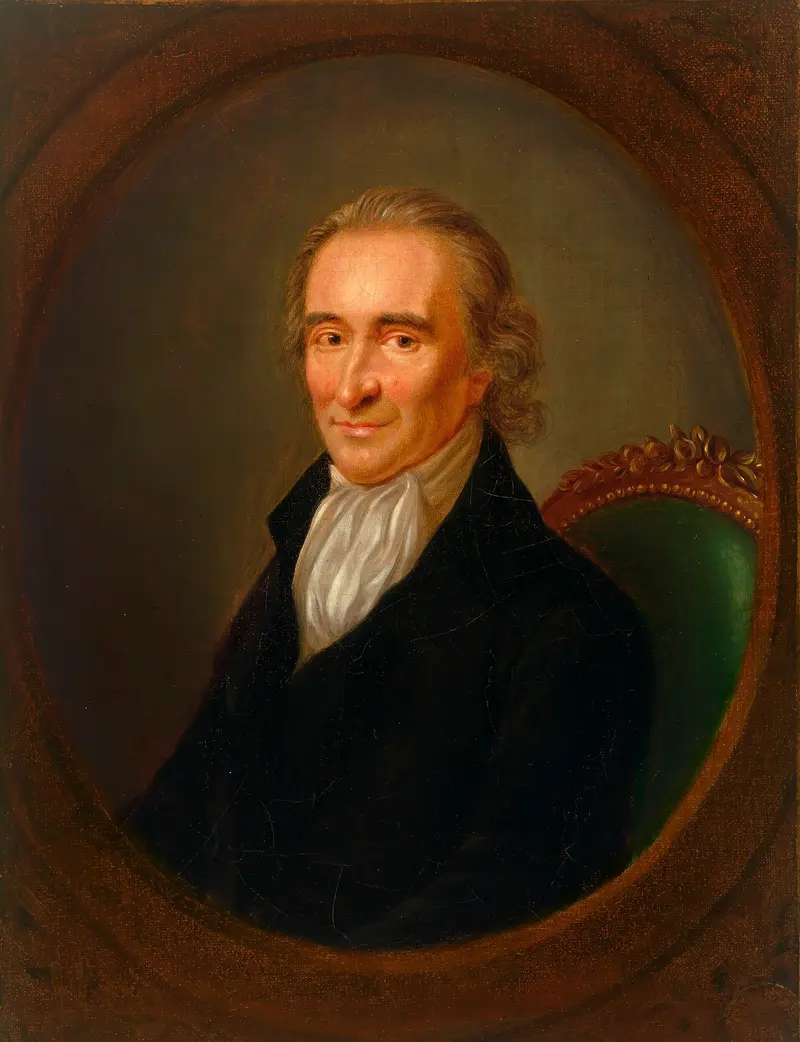
Photo: Laurent Dabos, Public domain
-
19 Dec
1154 Henry II is crowned King of England at Westminster AbbeyHenry II was crowned King of England at Westminster Abbey in London. He reigned until his death in 1189. As well as England, he controlled parts of W…
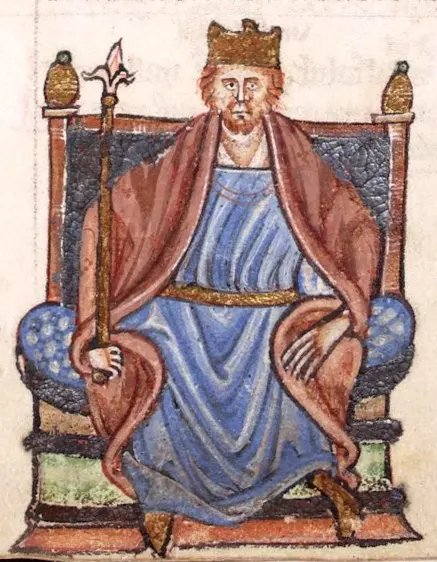
Photo: Gerald of Wales, Public domain
-
20 Dec
1192 Richard the Lionheart is captured on his way home from the CrusadeKing Richard I of England was captured by Leopold V, Duke of Austria, while travelling home after the Third Crusade. Leopold had also fought in the C…
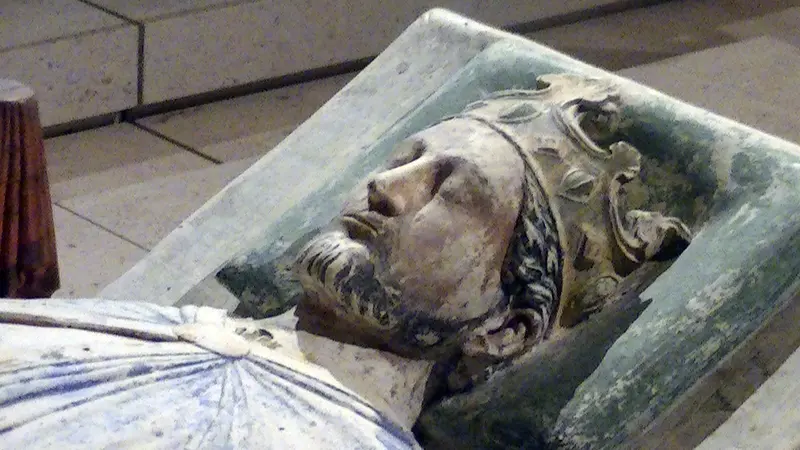
Photo: Adam Bishop, CC BY-SA 3.0
-
21 Dec
1937 Snow White, the first cel-animated feature film, premieresWalt Disney's Snow White and the Seven Dwarfs had its premiere at the Carthay Circle Theatre in Los Angeles. It was the first full-length film made w…
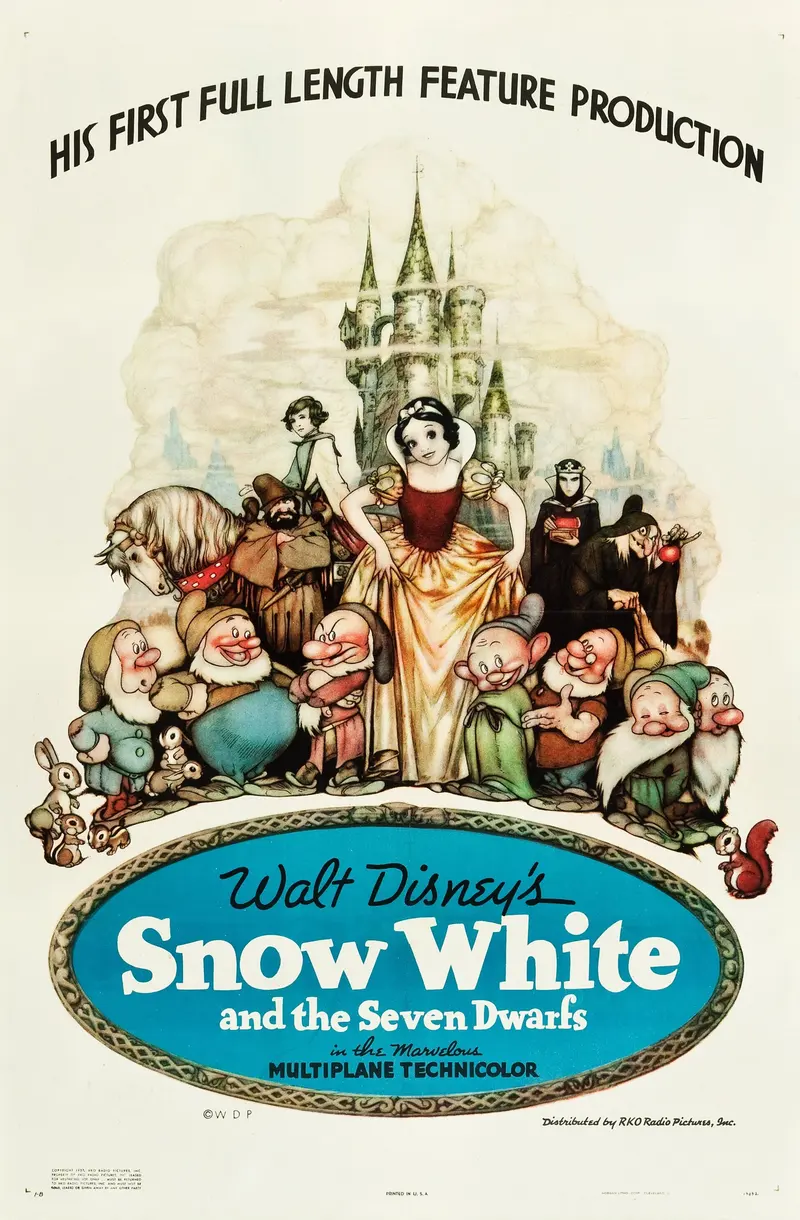
Photo: Gustaf Tenggren, Public domain
-
22 Dec
1808 Beethoven's Fifth Symphony is performed for the first timeLudwig van Beethoven held a concert at the Theater an der Wien in Vienna, conducting and playing the piano himself. It included the first public perf…
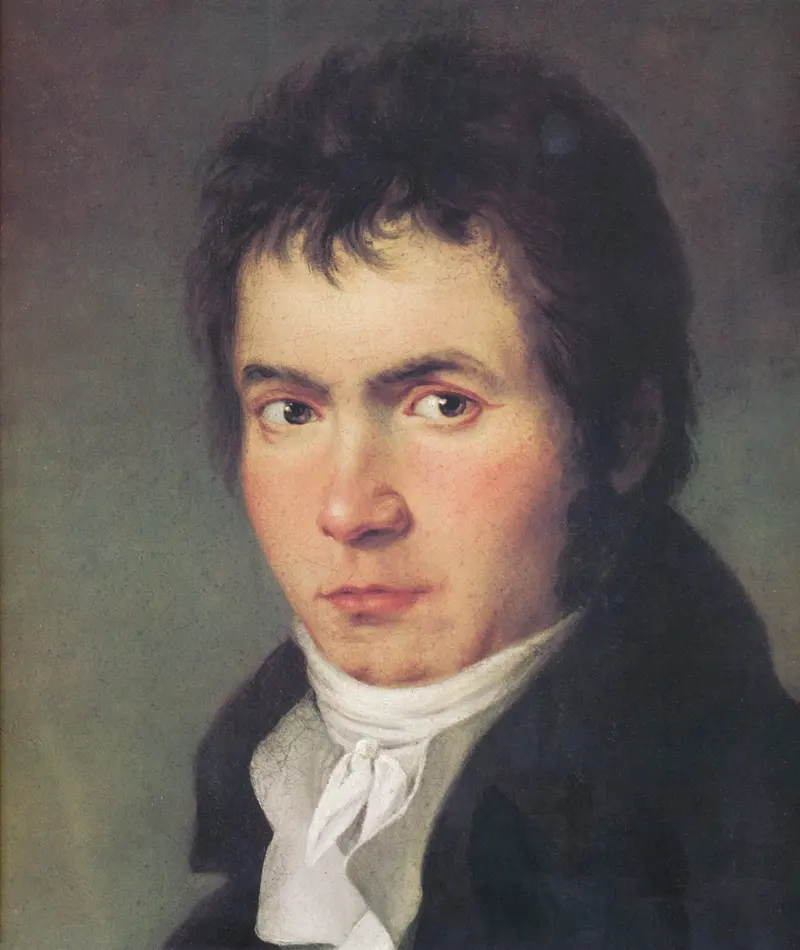
Photo: Joseph Willibrord Mähler, Public domain
-
23 Dec
1815 Jane Austen's novel Emma is publishedJane Austen's novel Emma was first published, even though its title page gives the year as 1816. It was the last of her novels to come out while she …
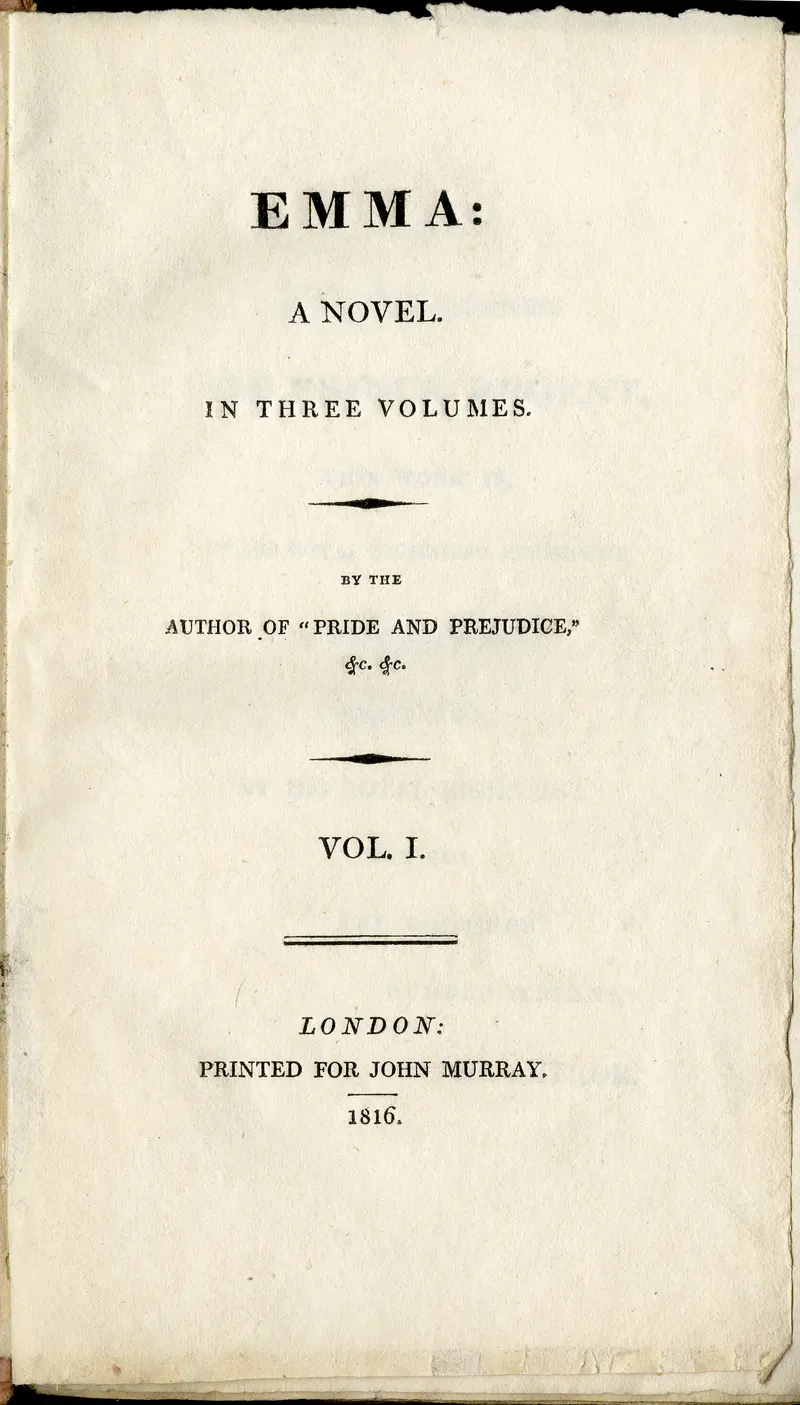
Photo: Jane Austen, Public domain
-
24 Dec
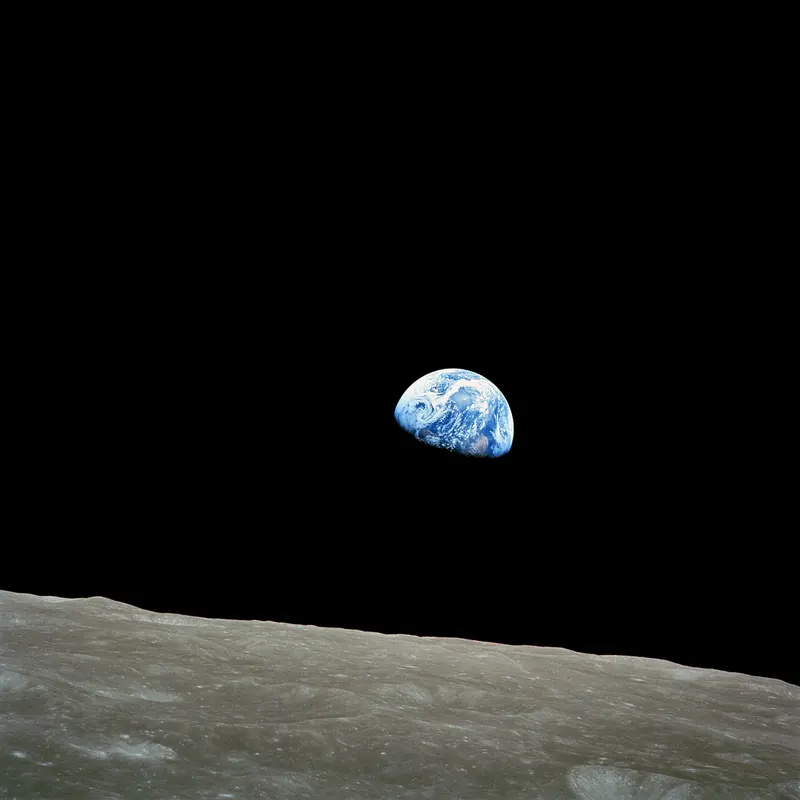
1777 Captain James Cook visits Christmas Island on Christmas EveOn his third voyage of exploration, Captain James Cook visited an island in the Pacific Ocean on Christmas Eve. The island is now called Kiritimati, …
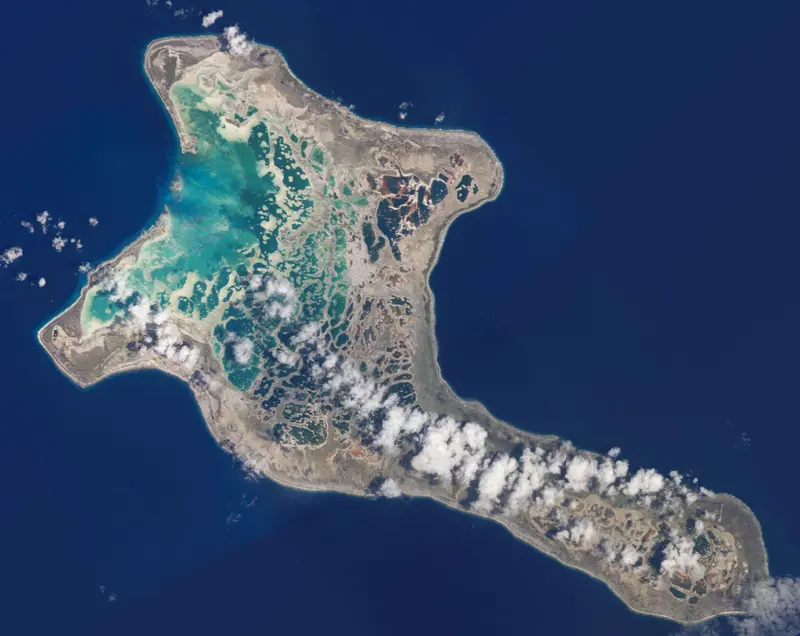
Photo: NASA, Public domain
Four doors worth a peek
Some December stories are too good to keep shut away. Here are four to look out for.
- Three dots across the ocean. On 12 December 1901, Guglielmo Marconi received the first radio signal ever sent across the Atlantic Ocean. It was sent from Poldhu in Cornwall and picked up in Newfoundland. The message was the letter S in Morse code: three dots.
- A fairy tale on film. On 21 December 1937, Walt Disney’s Snow White and the Seven Dwarfs had its premiere in Los Angeles. It was the first full-length film made with cel animation, in which pictures are drawn or painted on clear sheets called cels.
- A book with the wrong year. Jane Austen’s novel Emma was first published on 23 December 1815, even though its title page gives the year as 1816.
- A bear gets his name. On Christmas Eve 1925, Winnie-the-Pooh appeared by name for the first time, in a children’s story written for London’s Evening News newspaper.
Special days on the way to Christmas
December is full of festivals as well as anniversaries. In folk tales from the Alps, Saint Nicholas visits children on the evening of 5 December and gives small gifts to those who have behaved well. Saint Lucy’s Day, on 13 December, is celebrated as a festival of light, especially in Scandinavia. And on 23 December the village of Mousehole in Cornwall holds Tom Bawcock’s Eve. People eat stargazy pie, which has fish heads poking through the crust as if gazing at the stars.
- 3 Dec Every year International Day of Persons with DisabilitiesThe United Nations has promoted this day since 1992. It aims to help people understand disability issues and to support the dignity, rights and well-…
- 5 Dec Every year Saint Nicholas' EveThe evening of 5 December comes just before the Feast of St Nicholas on 6 December. In folk tales from the Alps, Saint Nicholas visits children that …
- 10 Dec Every year Human Rights DayHuman Rights Day is celebrated around the world every year on 10 December. It marks the day in 1948 when the United Nations General Assembly adopted …
- 11 Dec Every year International Mountain DayInternational Mountain Day is held every year on 11 December. The United Nations General Assembly set it up in 2003. The day encourages people to dev…
- 13 Dec Every year Saint Lucy's DaySaint Lucy's Day is a Christian feast day for Lucia of Syracuse, who lived in the early 300s. A legend says she took food to Christians hiding in the…
- 15 Dec Every year Zamenhof DayZamenhof Day, also called Esperanto Book Day, is the birthday of L. L. Zamenhof, who created the language Esperanto. It is the most widely celebrated…
- 20 Dec Every year International Human Solidarity DayInternational Human Solidarity Day is held each year by the United Nations and its member countries. Solidarity means people standing together and su…
- 23 Dec Every year Tom Bawcock's EveTom Bawcock's Eve is a festival held every year on 23 December in the village of Mousehole, Cornwall. It remembers Tom Bawcock, a legendary local man…
-
24 Dec
Every year Christmas EveChristmas Eve is the evening, or the whole day, before Christmas Day, when Christians celebrate the birth of Jesus. Many churches hold a service at m…
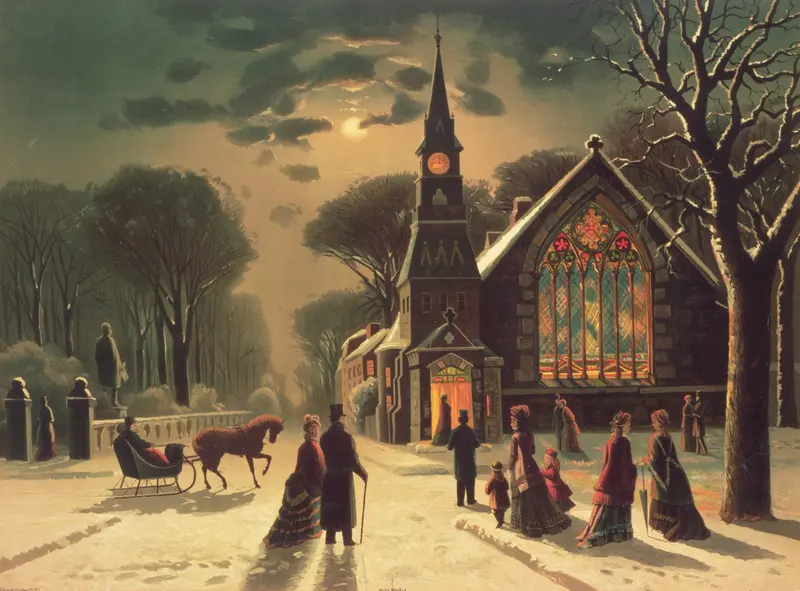
Photo: J. Hoover & Son, Public domain
- 25 Dec Every year Christmas DayChristmas Day is the festival when Christians around the world celebrate the birth of Jesus. The Gospels of Matthew and Luke in the Bible say Jesus w…
- 26 Dec Every year Boxing DayBoxing Day is a holiday on 26 December, the day after Christmas Day. It began in the United Kingdom and is also celebrated in several Commonwealth co…
-
31 Dec
Every year Hogmanay and New Year's EveHogmanay is the Scots word for the last day of the year and for welcoming the New Year in the Scottish way. Celebrations often carry on into New Year…
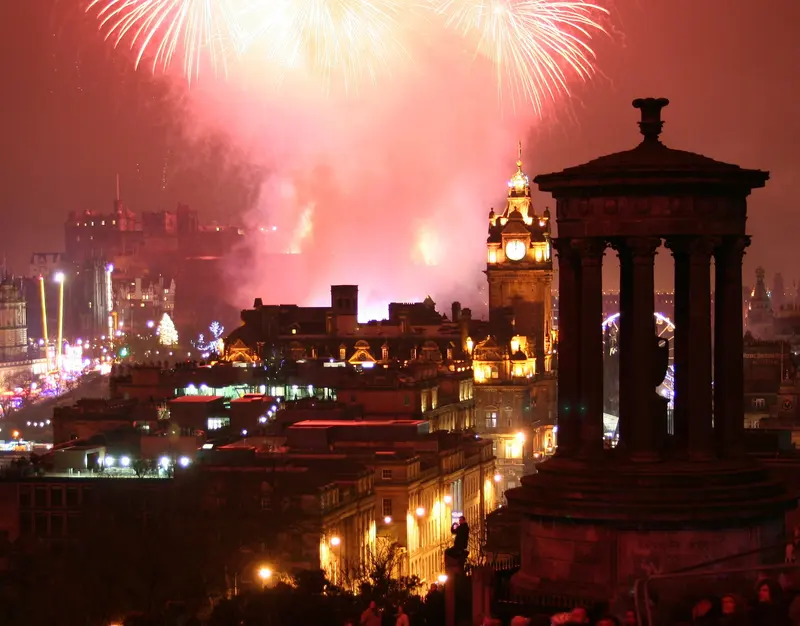
Photo: Robbie Shade, CC BY 2.0
Ways to use it at school or at home
- Door of the day. Read the day’s story aloud at registration or at breakfast.
- How long ago? Take the year of the story away from this year. Who can work it out first?
- Friday timeline. At the end of the week, put the week’s stories in order, oldest first.
- Guess the door. Give three clues about tomorrow’s story and see who can guess it.
- Print and go. Every day has its own worksheet, such as the 1 December worksheet, with a quiz and answers for the grown-ups.
After the last door
History doesn’t stop on Christmas Eve. Find out what happened on Christmas Day, or see the whole month on our December page. And if you can’t wait for tomorrow’s door, the calendar always shows this week and the next five.