A Day in the Past

On this day: 21 October

138 things happened on 21 October, from 1094 to 2023. UK stories come first, then the rest of the world.

Printable worksheet Take the quiz

Did you know?

In the UK 5

UK history first: stories from England, Scotland, Wales and Northern Ireland.

1345 681 years ago

UK story

A small English army wins the Battle of Auberoche

In the Hundred Years' War, an Anglo-Gascon army of 1,200 men beat a much larger French army of 7,000. Led by Henry, Earl of Derby, they fought near the village of Auberoche in Aquitaine, France. At the time, Gascony belonged to the English Crown. The victory shifted the balance of power in the region towards England.

1805 221 years ago

UK story

Nelson's fleet wins the Battle of Trafalgar

During the Napoleonic Wars, a British fleet led by Lord Nelson defeated a combined French and Spanish fleet under Admiral Villeneuve. It became known as the Battle of Trafalgar. Nelson is widely seen as one of the greatest admirals in history. In the 19th and early 20th centuries, people across the British Empire marked the victory every year as Trafalgar Day.

Battle of Trafalgar by J.M.W. Turner — Royal Museums Greenwich on YouTube. The video loads from YouTube when you press play. Watch on YouTube
1854 172 years ago

UK story

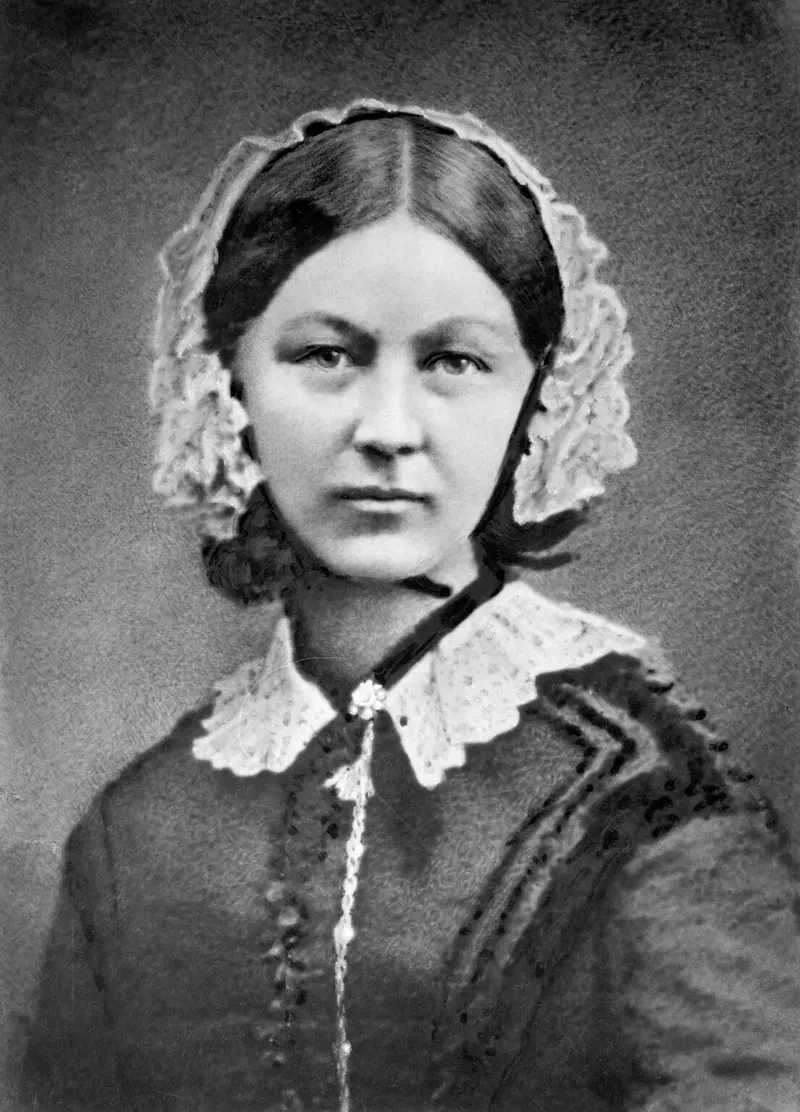
Florence Nightingale sets off to nurse soldiers in the Crimean War

Florence Nightingale and a team of 38 nurses and 15 nuns were sent to the Ottoman Empire. Their job was to care for British soldiers who had been injured in the Crimean War. Nightingale organised the care of the soldiers at Constantinople and improved cleanliness and living conditions, which saved many lives. She is remembered as the founder of modern nursing.

Black-and-white photo of Florence Nightingale wearing a lace cap and collar
Florence Nightingale, photographed by Henry Hering Photo: Henry Hering (1814-1893), Public domain

Around the world 40

1600 426 years ago

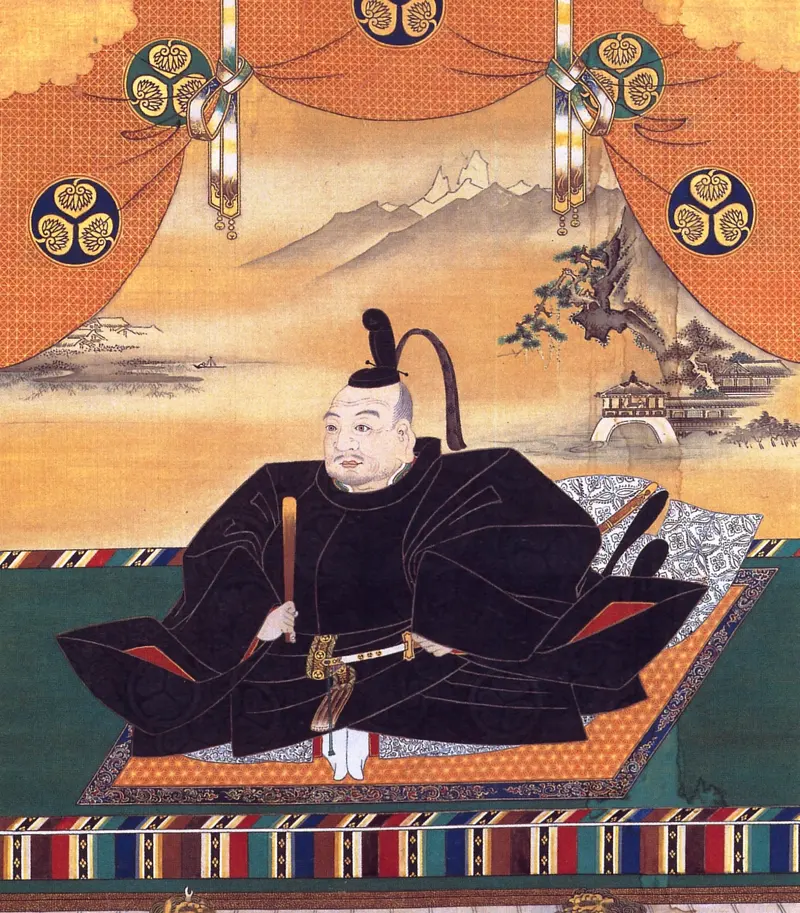
Tokugawa Ieyasu wins the Battle of Sekigahara in Japan

The samurai leader Tokugawa Ieyasu defeated rival Japanese clans at the Battle of Sekigahara. The victory helped him become shōgun, the military ruler of Japan, in 1603. He founded the Tokugawa shogunate, which ruled Japan until 1868. He is remembered as one of the three 'Great Unifiers' who brought Japan together.

Japanese painting of Tokugawa Ieyasu in black robes sitting on a mat under red curtains
Tokugawa Ieyasu, painted by Kanō Tan'yū Photo: Kanō Tan'yū, Public domain
1858 168 years ago

Offenbach's can-can music is heard for the first time

The operetta Orpheus in the Underworld, by the composer Jacques Offenbach, was first performed in Paris. An operetta is a light, often funny show with songs, dances and spoken parts. This one includes the music that is most linked with the famous can-can dance. Offenbach wrote nearly 100 operettas.

1879 147 years ago

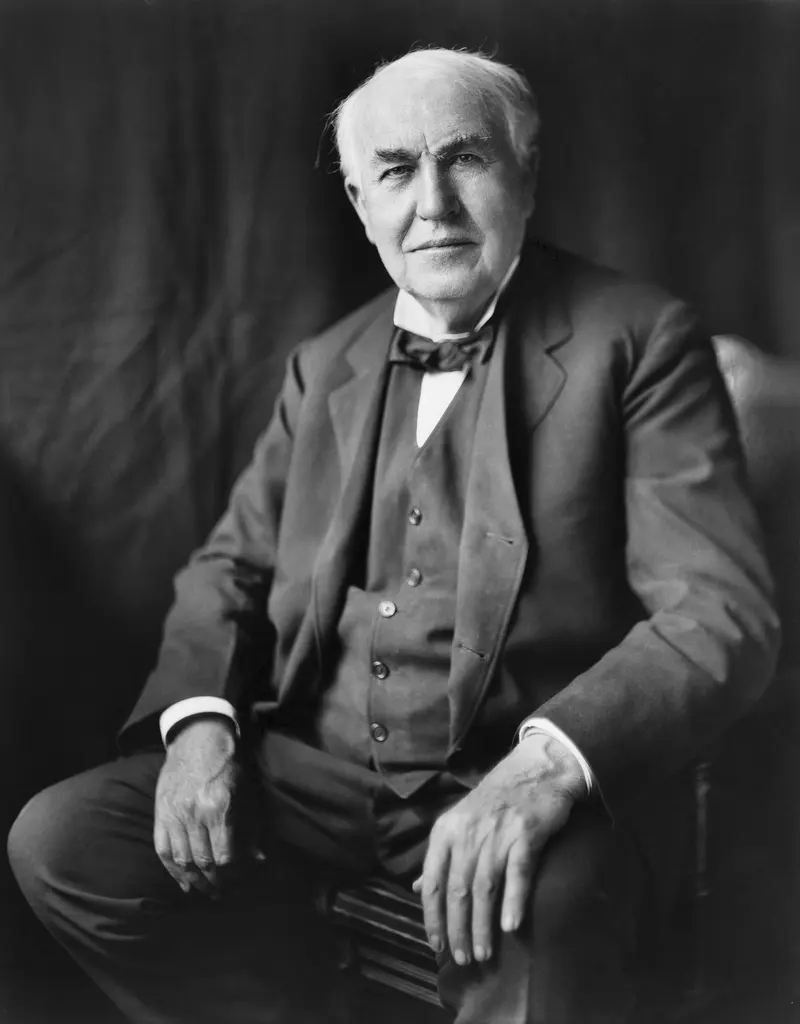
Thomas Edison applies for a patent for his light bulb

American inventor Thomas Edison applied for a patent for his design of an incandescent light bulb. A patent protects an inventor's idea so others cannot copy it. This kind of bulb makes light by heating a thin wire, called a filament, until it glows. Edison registered 1,093 patents in the United States during his life.

Black-and-white photo of the inventor Thomas Edison sitting in a suit
Thomas Edison, photographed by Bachrach Studios Photo: Louis Bachrach, Bachrach Studios, restored by Michel Vuijlsteke, Public domain
1959 67 years ago

The Guggenheim Museum opens in New York

The Solomon R. Guggenheim Museum, designed by the American architect Frank Lloyd Wright, opened in New York City. It is an art museum with works by Impressionist, early Modern and contemporary artists. Wright designed more than 1,000 buildings and other structures in about 70 years. He influenced architects all over the world.

1959 67 years ago

The US Army's space work is handed over to NASA

US President Dwight D. Eisenhower approved moving all of the US Army's space activities to NASA, the American space agency. This included most of the Army Ballistic Missile Agency, which worked on rockets. Eisenhower had been a top general in the Second World War, leading the Allied forces on D-Day.

1983 43 years ago

The metre is defined using the speed of light

The metre, the basic unit of length, was given a new definition. It became the distance light travels in a vacuum in 1/299,792,458 of a second. A vacuum is a space with no air or anything else in it. Linking the metre to the speed of light makes it possible to measure lengths very precisely.

2003 23 years ago

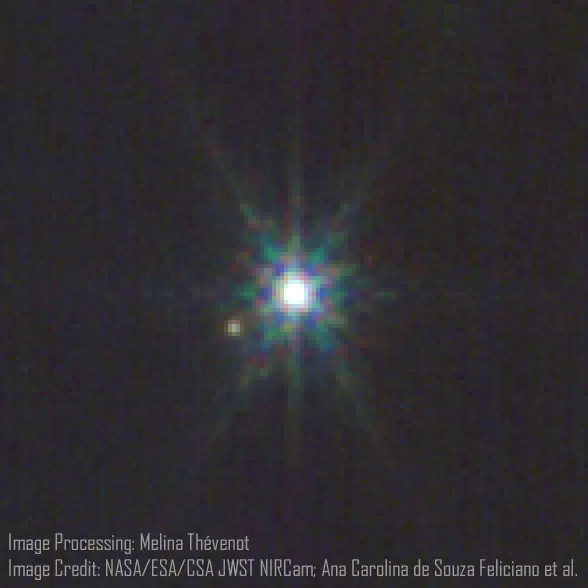
Pictures are taken of the dwarf planet Eris

Astronomers took images of a far-off world that were later used to show the discovery of the dwarf planet Eris. A team led by Mike Brown discovered it in January 2005. Eris is the most massive dwarf planet known in our Solar System. It was named after the Greek and Roman goddess of strife and discord.

A bright point of light in black space with a fainter dot beside it
The dwarf planet Eris and its moon Dysnomia, seen by the James Webb Space Telescope in 2024 Photo: NASA/ESA/CSA JWST NIRCam; Ana Carolina de Souza Feliciano et al. & Melina Thévenot, CC BY-SA 4.0
1867 159 years ago

The first and second of three treaties were signed near Medicine Lodge, Kansas, between the United States federal government and several Native American tribes in the Great Plains, requiring them to relocate to areas in present-day western Oklahoma.

1984 42 years ago

Niki Lauda claims his third and final Formula One Drivers' Championship Title by half a point ahead of McLaren team-mate Alain Prost at the Portuguese Grand Prix.

1994 32 years ago

North Korea and the United States signed the Agreed Framework to limit the former's nuclear weapons program and to normalize relations between the two countries.

2007 19 years ago

Finnish race drivers Kimi Räikkönen of Scuderia Ferrari won the Brazilian Grand Prix in Formula One. With this result, Räikkönen became world champion, surpassing McLaren drivers Lewis Hamilton and Fernando Alonso by one point in the drivers' standings.

Quick quiz

Every answer is somewhere on this page. Have a go, then check!

  1. In which year did this happen: “Florence Nightingale sets off to nurse soldiers in the Crimean War”?

    1. 1959
    2. 1854
    3. 1345
    Show the answer

    B: 1854. 1854 — that’s 172 years ago. Find it on the page

  2. In which year did this happen: “A small English army wins the Battle of Auberoche”?

    1. 1600
    2. 1345
    3. 1854
    Show the answer

    B: 1345. 1345 — that’s 681 years ago. Find it on the page

  3. Which of these happened first?

    1. Nelson's fleet wins the Battle of Trafalgar
    2. Florence Nightingale sets off to nurse soldiers in the Crimean War
    3. A small English army wins the Battle of Auberoche
    Show the answer

    C: A small English army wins the Battle of Auberoche. 1805: Nelson's fleet wins the Battle of Trafalgar · 1854: Florence Nightingale sets off to nurse soldiers in the Crimean War · 1345: A small English army wins the Battle of Auberoche Find it on the page

  4. “Nelson's fleet wins the Battle of Trafalgar” happened in 1805. How many years ago was that?

    1. 211 years
    2. 221 years
    3. 231 years
    Show the answer

    B: 221 years. 2026 − 1805 = 221. Find it on the page

Born on this day 36

Famous people whose birthday is 21 October.

Remembering 16

Well-known people who died on 21 October.

Special days 21

Festivals, holidays and saints’ days celebrated on 21 October somewhere in the world.

For older readers 20 Show stories about war, disasters, crime and other difficult history

Content note: these entries mention things like war, violence, deaths, disasters or crime. They are part of history, but they can be upsetting. Grown-ups and teachers: you may want to read them first. They come straight from Wikipedia and have not been rewritten for children.

Where these facts come from

Stories with a heading have been written for young readers by A Day in the Past, using the linked articles as sources. Other entries show text from Wikipedia’s “October 21” page and its “On this day” feed, written by Wikipedia contributors and shared under the Creative Commons Attribution-ShareAlike 4.0 licence. Each “Read more” link goes to the article an entry is based on. Photos are credited under each picture. Spotted a mistake? Please tell us.