The Tudors were the kings and queens who ruled England from 1485 to 1603. Their story has a famous battle, royal weddings, a nine-year-old king and a queen who reigned for 44 years. Here are the dates to know, with timelines you can use in class.
Meet the Tudor monarchs
- Henry VII was born at Pembroke Castle in Wales. He became king in 1485, when his forces defeated Richard III at the Battle of Bosworth Field. He was the first Tudor monarch.
- Henry VIII was the son of Henry VII. He is famous for having six wives.
- Edward VI, the son of Henry VIII, became king in 1547 when he was only nine.
- Mary I, a daughter of Henry VIII, became queen in 1553.
- Elizabeth I, Mary’s half-sister, became queen in 1558 and reigned until 1603. She was the last Tudor monarch.
Henry VII ends the Wars of the Roses
The Wars of the Roses were a long civil war over the English throne. Two families had fought them: the House of Lancaster and the House of York. Henry VII came from the House of Lancaster. On 18 January 1486 he married Elizabeth of York, uniting the two royal houses. Their son became Henry VIII.
Henry VIII and the break with the Pope
Henry VIII’s first wife was Catherine of Aragon, a Spanish princess. They married in 1509. When the Pope refused to end the marriage, Henry broke away from the Pope’s authority.
- 25 January 1533: Henry secretly married Anne Boleyn. Their daughter grew up to be Elizabeth I.
- 3 November 1534: Parliament passed the first Act of Supremacy. It made the king Supreme Head of the Church of England, in place of the Pope.
- 24 January 1536: Henry was badly hurt in a jousting accident. He never jousted again.
- 6 January 1540: Henry married his fourth wife, Anne of Cleves. The marriage was annulled, which means officially cancelled, that July.
These events were part of the English Reformation, when the Church in England broke away from the authority of the Pope.
- 16 Dec 1485 Born: Catherine of AragonCatherine of Aragon was a Spanish princess who became Queen of England as the first wife of King Henry VIII. They married in 1509. Before that she ha…
-
18 Jan
1486 Henry VII marries Elizabeth of York, uniting two royal housesKing Henry VII, the first Tudor king, married Elizabeth of York, daughter of King Edward IV. Henry came from the House of Lancaster and Elizabeth fro…
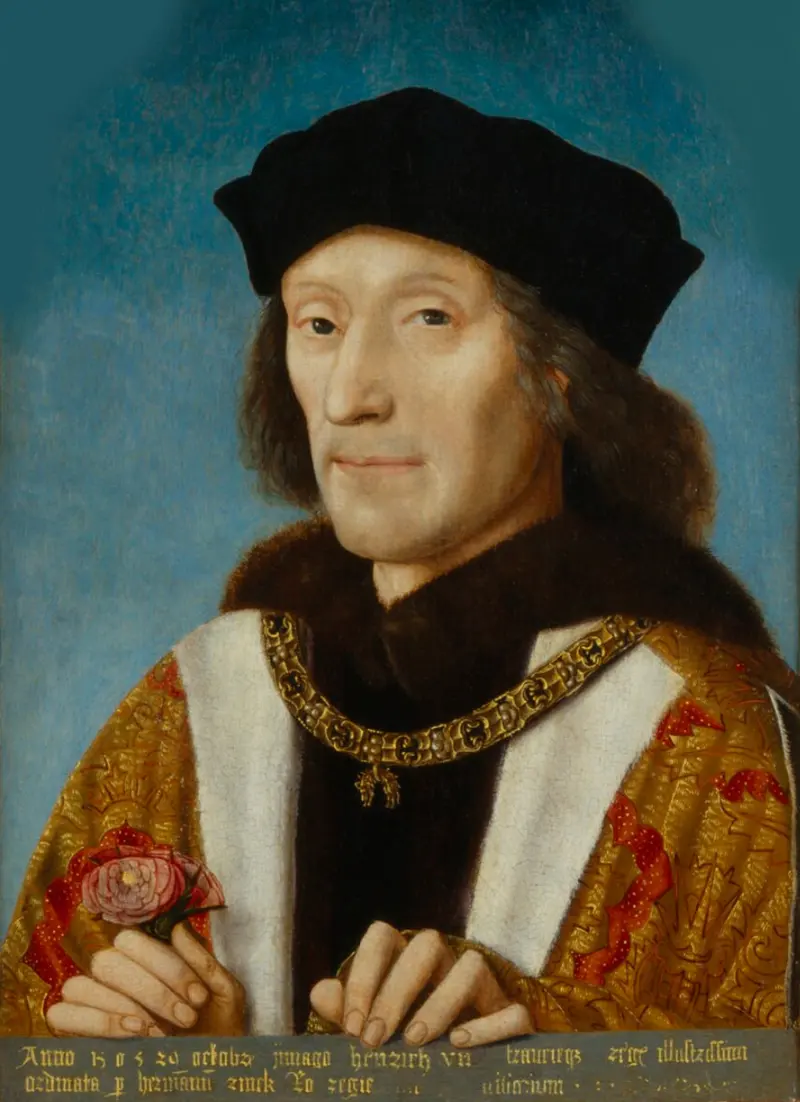
Photo: anonymous, Public domain
-
25 Nov
1487 Elizabeth of York is crowned Queen of EnglandElizabeth of York was crowned queen consort of England, which means she was the wife of the reigning king. She had married King Henry VII in 1486, af…
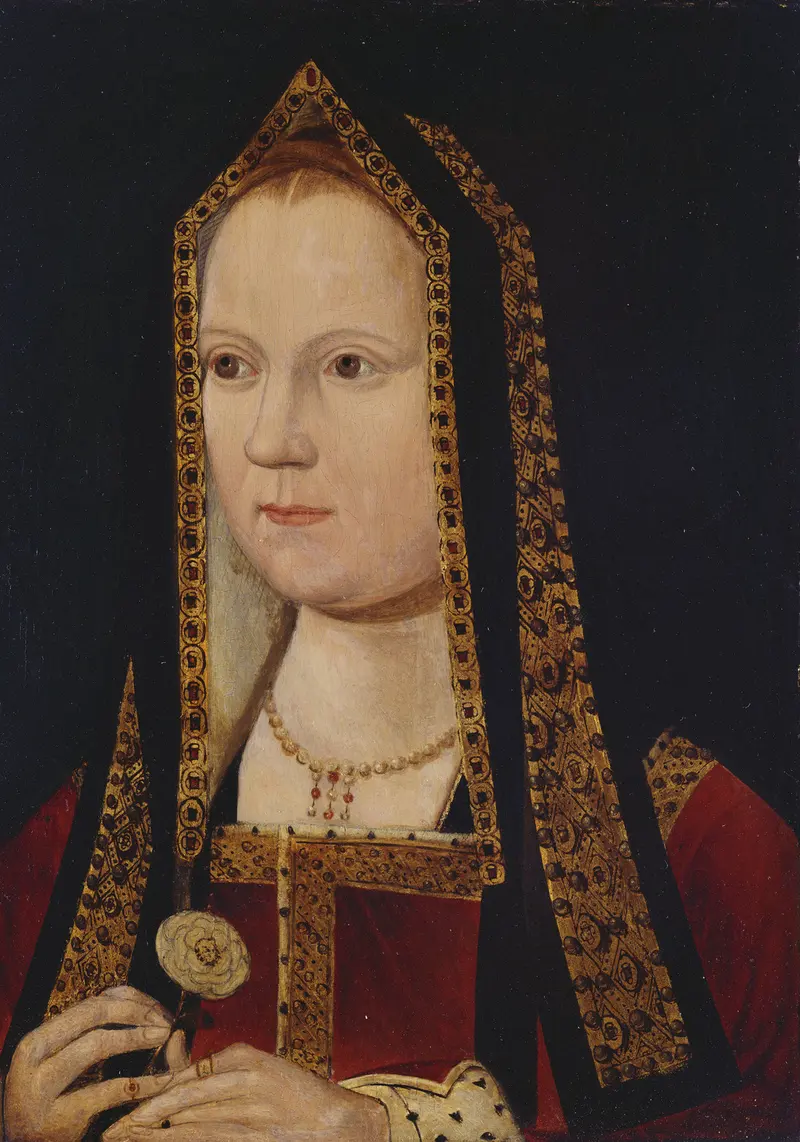
Photo: After Meynnart Wewyck, Public domain
- 3 Nov 1492 Henry VII and Charles VIII of France make the Peace of ÉtaplesKing Henry VII of England and King Charles VIII of France signed a peace treaty at Étaples. Charles agreed to stop supporting Perkin Warbeck, a ‘pret…
-
4 Nov
1501 Catherine of Aragon meets Arthur, Prince of WalesCatherine of Aragon met Arthur, Prince of Wales, the elder brother of the future King Henry VIII. The two were later married, but Arthur died a short…
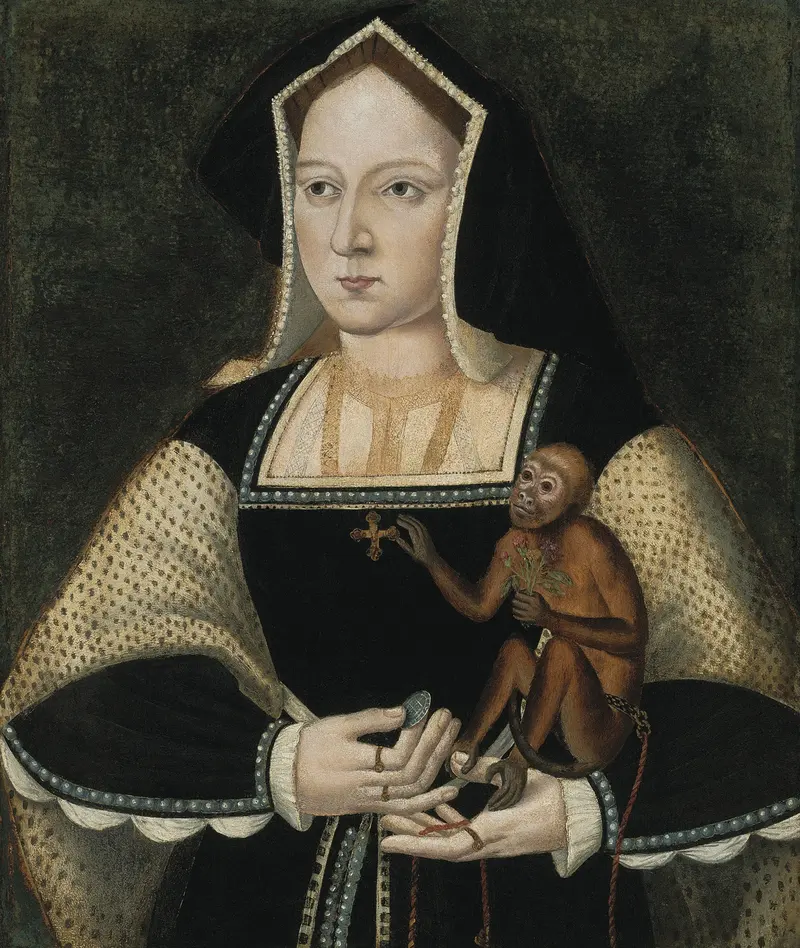
Photo: Lucas Horenbout, Public domain
-
18 Feb
1516 Born: Mary IMary I was the daughter of King Henry VIII and became Queen of England and Ireland in 1553. She was also Queen of Spain as the wife of King Philip II…
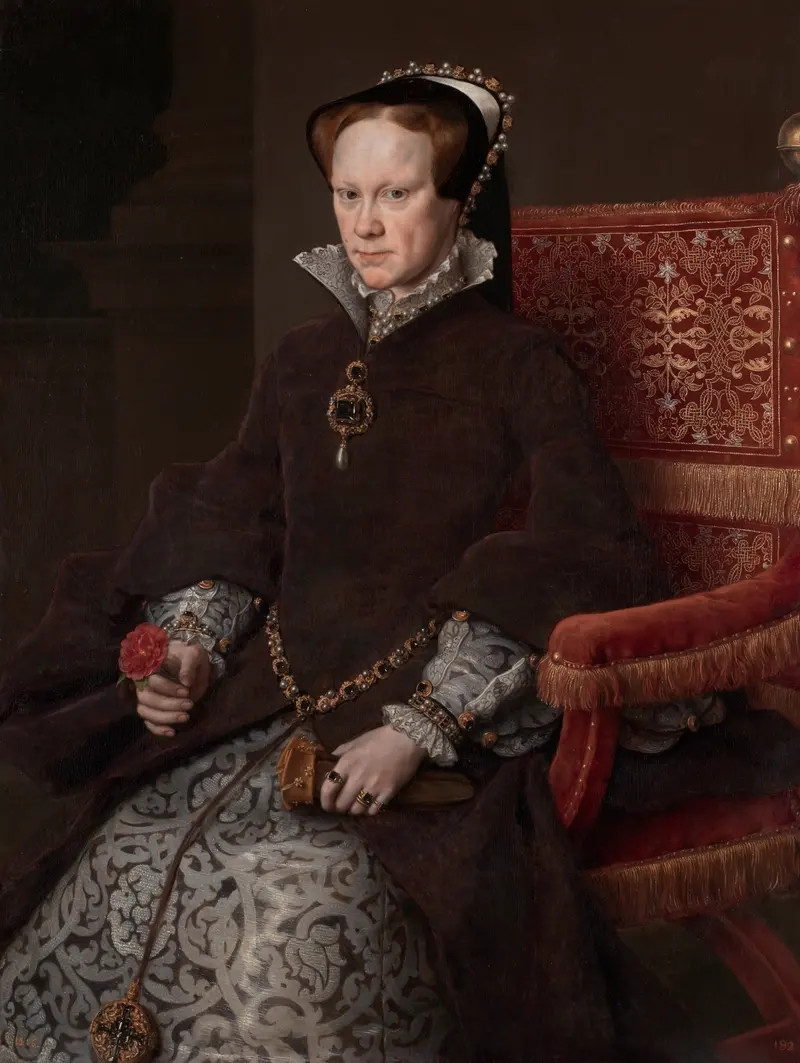
Photo: Antonis Mor, Public domain
-
25 Jan
1533 Anne Boleyn secretly marries Henry VIIIAnne Boleyn secretly married King Henry VIII, becoming the second of his six wives. Their daughter, born later that year, grew up to be Queen Elizabe…
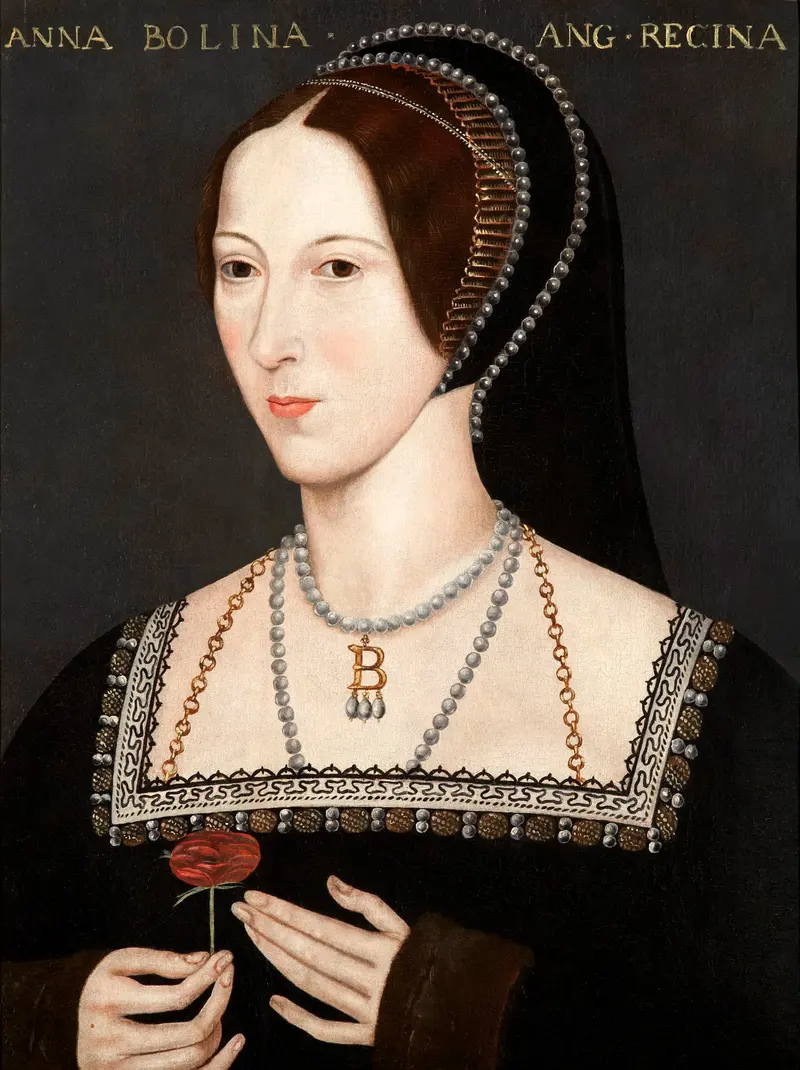
Photo: English school, Public domain
-
3 Nov
1534 Henry VIII becomes Supreme Head of the Church of EnglandParliament passed the first Act of Supremacy. It made King Henry VIII and the monarchs after him Supreme Head of the Church of England, taking the pl…
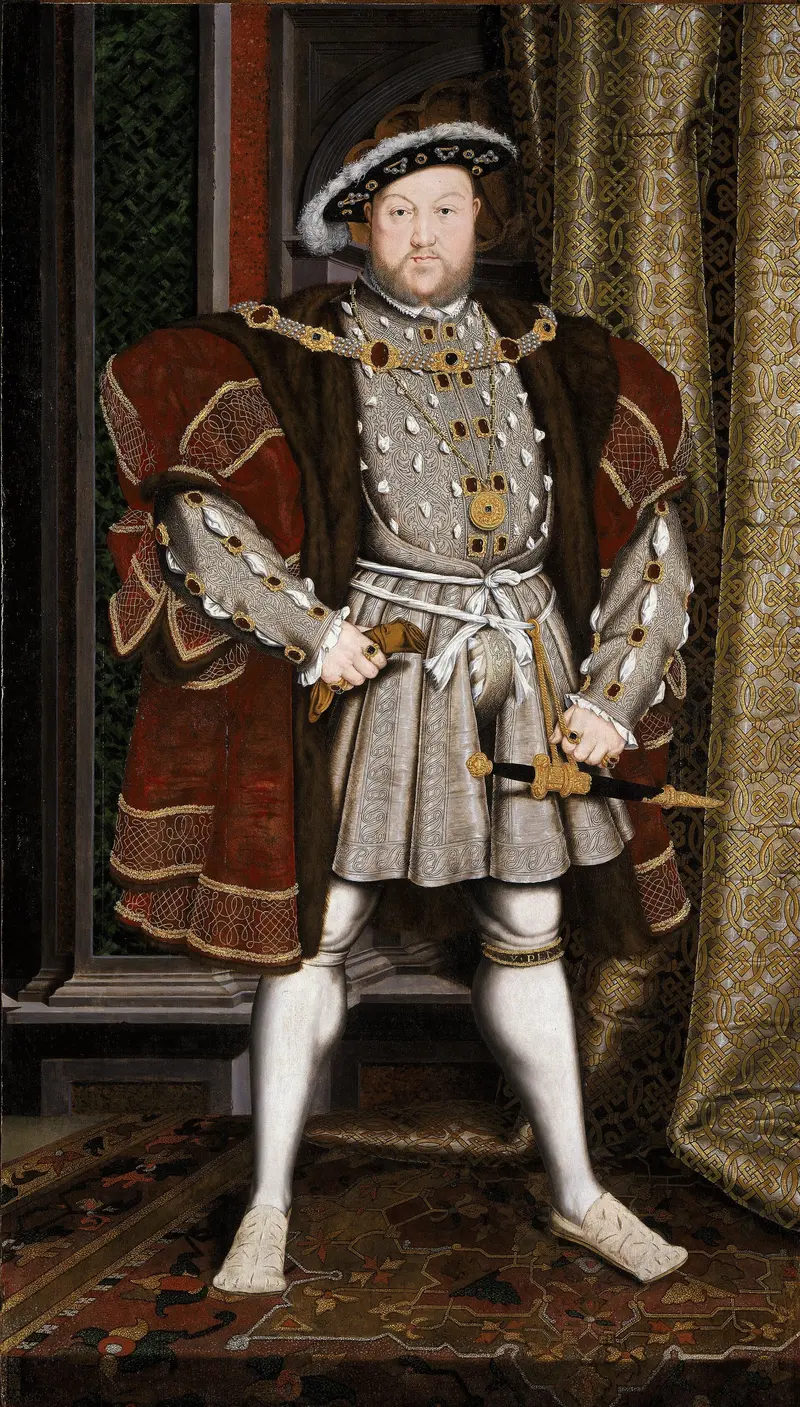
Photo: Workshop of Hans Holbein the Younger, Public domain
- 15 Jan 1535 Henry VIII adds 'Supreme Head of the Church' to his titleKing Henry VIII issued an official order adding 'Supreme Head of the Church of England' to his royal title. The Pope had refused to end Henry's marri…
- 4 Oct 1535 The Coverdale Bible is printed, the first complete Bible in EnglishThe Coverdale Bible was printed, using translations into English by William Tyndale and Myles Coverdale. It was the first complete translation of the…
- 24 Jan 1536 Henry VIII is badly hurt in a jousting accidentKing Henry VIII had a serious accident while jousting, a sport in which two riders charge at each other with blunted lances. He fell heavily from his…
-
12 Oct
1537 Born: Edward VIEdward VI was the only surviving son of King Henry VIII and his third wife, Jane Seymour. He became King of England and Ireland in 1547 and was crown…
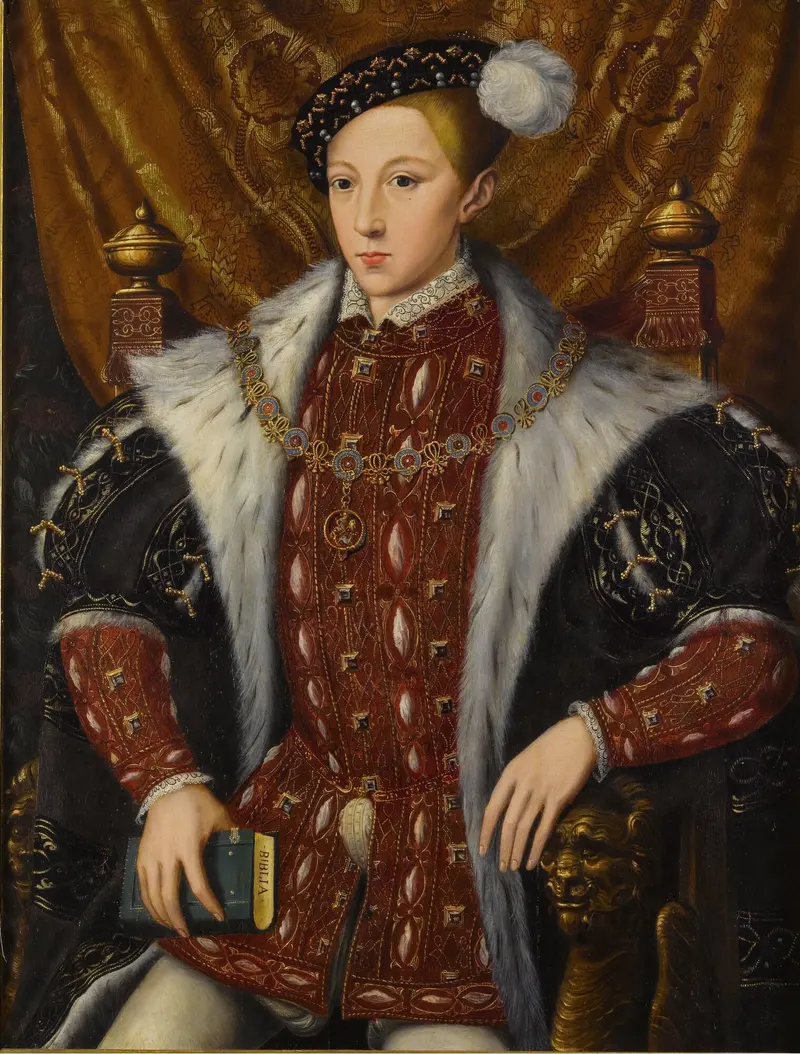
Photo: Circle of William Scrots, Public domain
- 17 Dec 1538 Pope Paul III excommunicates King Henry VIIIPope Paul III excommunicated King Henry VIII of England, shutting him out of the Catholic Church. Henry had already broken away from the Pope and mad…
- 6 Jan 1540 Henry VIII marries his fourth wife, Anne of ClevesKing Henry VIII married Anne of Cleves, a German princess, who became his fourth wife and Queen of England. The marriage did not last long. On 12 Jul…
- 24 Nov 1542 England defeats a Scottish army at the Battle of Solway MossA large Scottish army marched into England and was beaten near Solway Moss, by the River Esk, by a much smaller English force. About 1,200 Scots were…
-
8 Dec
1542 Born: Mary, Queen of ScotsMary, Queen of Scots, was the daughter of King James V of Scotland and Mary of Guise. When her father died, she became Queen of Scotland at just six …
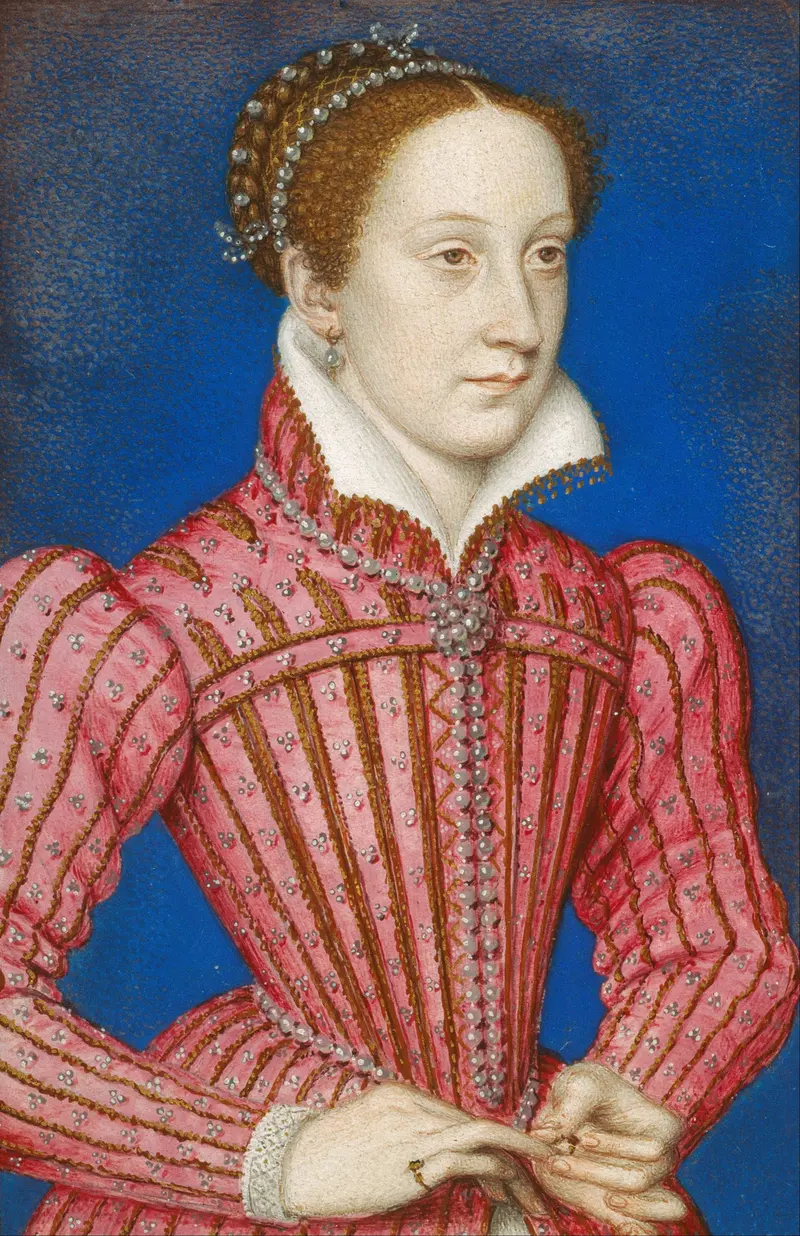
Photo: François Clouet, Public domain
-
14 Dec
1542 Mary, Queen of Scots, becomes queen at just one week oldMary Stuart became Queen of Scotland when she was only a week old, after her father, King James V, died. She is remembered as Mary, Queen of Scots. M…
Photo: François Clouet, Public domain
Edward, Mary and Elizabeth
Edward VI became king on 28 January 1547 and was crowned at Westminster Abbey the next month. Because he was so young, a group of advisers called a regency council ran the country for him. He was the first English monarch to be brought up as a Protestant.
His half-sister Mary I tried hard to bring back the Catholic Church. During her reign, in January 1558, France captured Calais. It was England’s last possession on the European mainland.
Elizabeth I became queen on 17 November 1558. Her reign is known as the Elizabethan era. It is famous for William Shakespeare’s plays, sailors such as Francis Drake and the defeat of the Spanish Armada. Drake set sail from Plymouth in December 1577 and returned in September 1580, after a voyage all the way around the world.
-
28 Jan
1547 Nine-year-old Edward VI becomes King of EnglandNine-year-old Edward VI became King of England and Ireland after the death of his father, Henry VIII. He was the only surviving son of Henry and his …
Photo: Circle of William Scrots, Public domain
- 20 Feb 1547 Nine-year-old Edward VI is crowned King of EnglandEdward VI was crowned King of England and Ireland at Westminster Abbey, aged just nine. He was the only surviving son of Henry VIII and his third wif…
-
7 Jan
1558 France captures Calais, England's last town in mainland EuropeFrench troops led by Francis, Duke of Guise, captured the port of Calais from England. The area around Calais, called the Pale of Calais, had been ru…
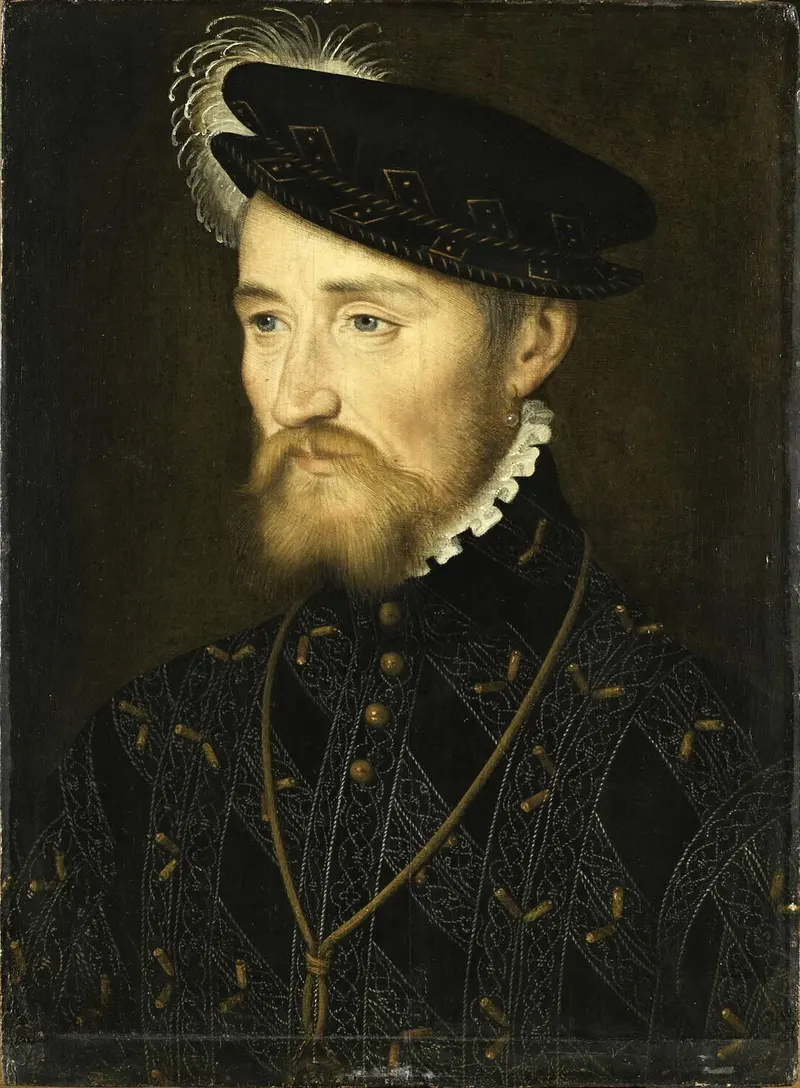
Photo: Workshop of François Clouet, Public domain
-
17 Nov
1558 Elizabeth I becomes Queen of EnglandElizabeth I became Queen of England and Ireland after the death of her half-sister, Mary I. The daughter of Henry VIII and Anne Boleyn, she reigned f…
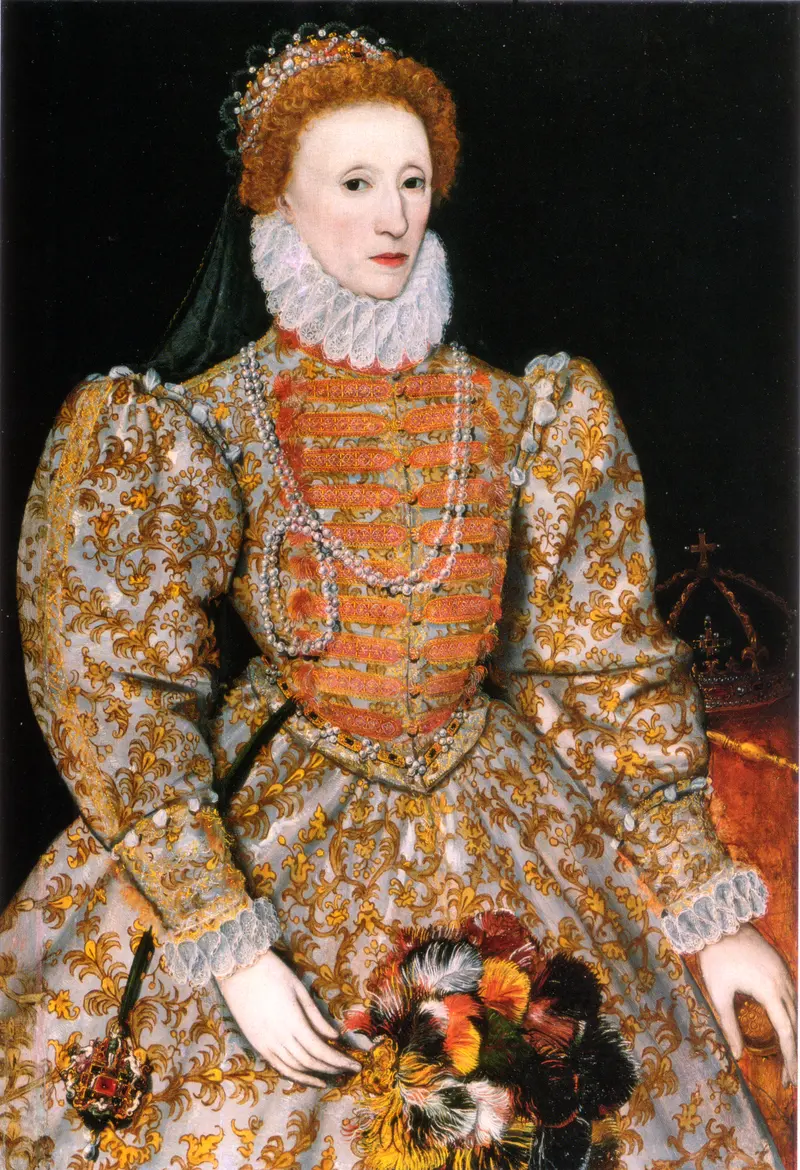
Photo: Unidentified painter, Public domain
-
15 Jan
1559 Elizabeth I is crowned at Westminster AbbeyElizabeth I was crowned Queen of England at Westminster Abbey in London. The day before, crowds had cheered her as she passed through the city in a g…
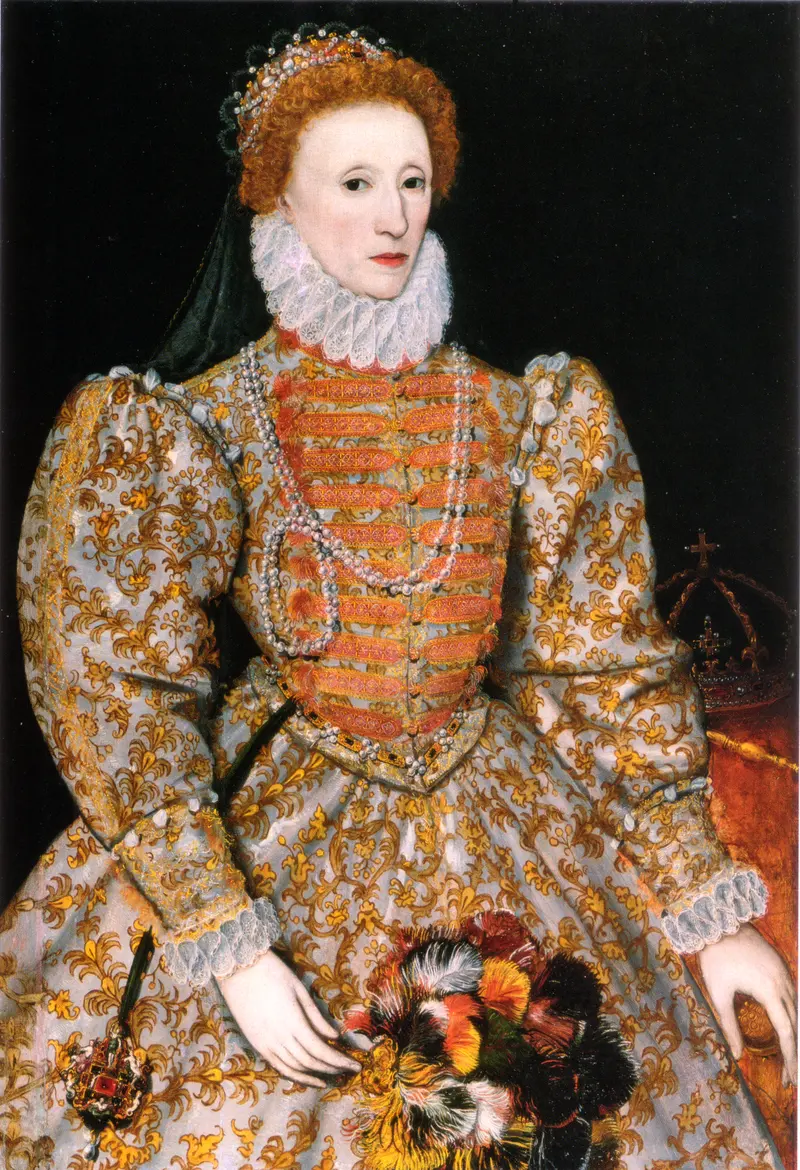
Photo: Unidentified painter, Public domain
- 27 Feb 1560 England and Scottish lords sign the Treaty of BerwickRepresentatives of Queen Elizabeth I of England and a group of Scottish nobles called the Lords of the Congregation made an agreement at Berwick-upon…
-
22 Jan
1561 Born: Francis BaconFrancis Bacon was an English philosopher and statesman who served King James I as Attorney General and Lord Chancellor. He argued for studying the na…
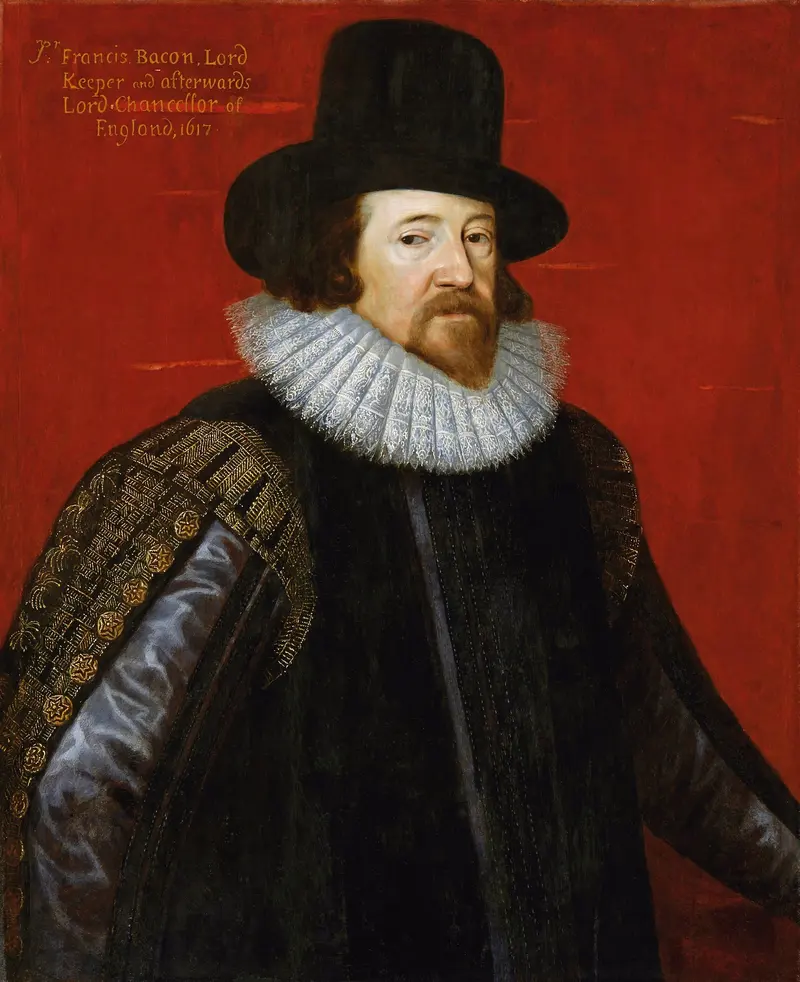
Photo: Paul van Somer I / Formerly attributed to Frans Pourbus the Younger, Public domain
- 26 Feb 1564 Born: Christopher MarloweChristopher Marlowe was an English playwright and poet in the time of Queen Elizabeth I. William Shakespeare was baptised in the same year, and some …
- 11 Jan 1569 England's first official lottery is drawnThe first recorded official lottery in England was drawn, three years after Queen Elizabeth I approved it. The money was meant for public works such …
- 23 Jan 1571 Elizabeth I opens the Royal Exchange in LondonQueen Elizabeth I officially opened the Royal Exchange in the City of London and gave it its royal title. It was founded by the merchant Sir Thomas G…
- 13 Dec 1577 Francis Drake sets sail from Plymouth to go around the worldFrancis Drake set sail from Plymouth with five ships on a voyage that would take him all the way around the world. Queen Elizabeth I had approved the…
-
5 Dec
1578 Francis Drake raids Valparaíso on his voyage round the worldEnglish sailor Francis Drake raided the port of Valparaíso on the Pacific coast of South America. He had just sailed through the Strait of Magellan, …
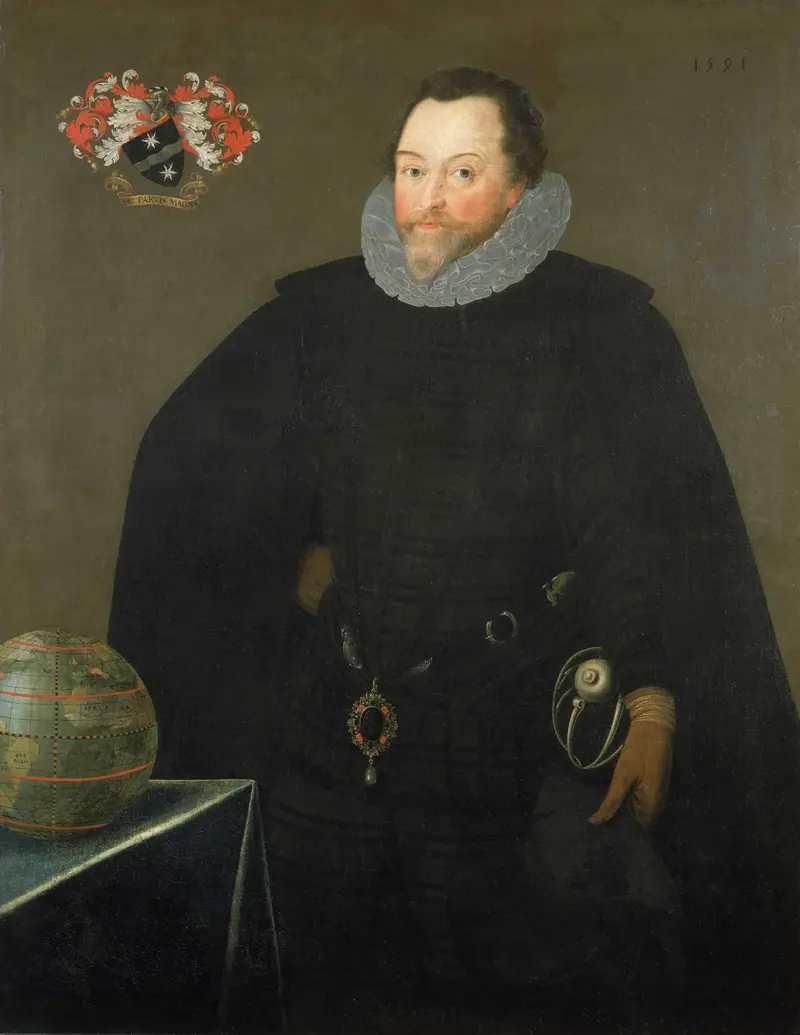
Photo: Marcus Gheeraerts the Younger, Public domain
-
19 Oct
1579 Thirteen-year-old James VI begins his adult rule in EdinburghKing James VI of Scotland made a grand royal entry into Edinburgh to mark his coming of age. He was only 13 years old, and had spent his childhood at…
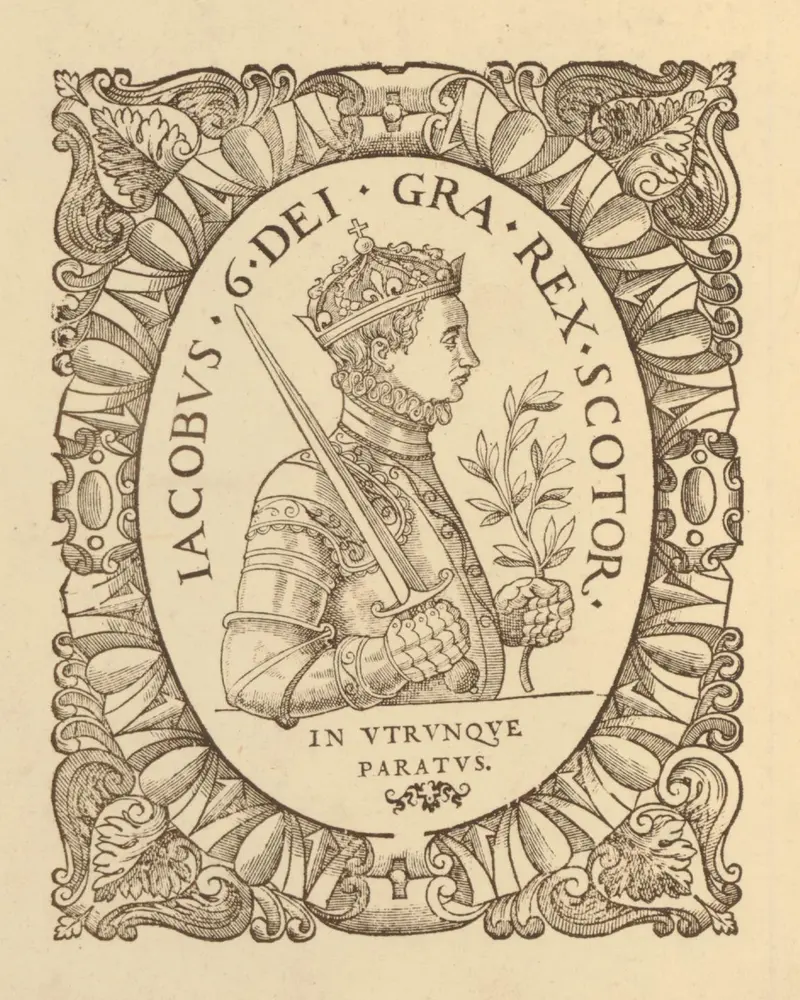
Photo: Public domain, Public domain
-
28 Nov
1582 William Shakespeare is allowed to marry Anne HathawayIn Stratford-upon-Avon, a bond of £40 was paid so that William Shakespeare, aged 18, could marry Anne Hathaway, aged 26, straight away. Normally, a c…
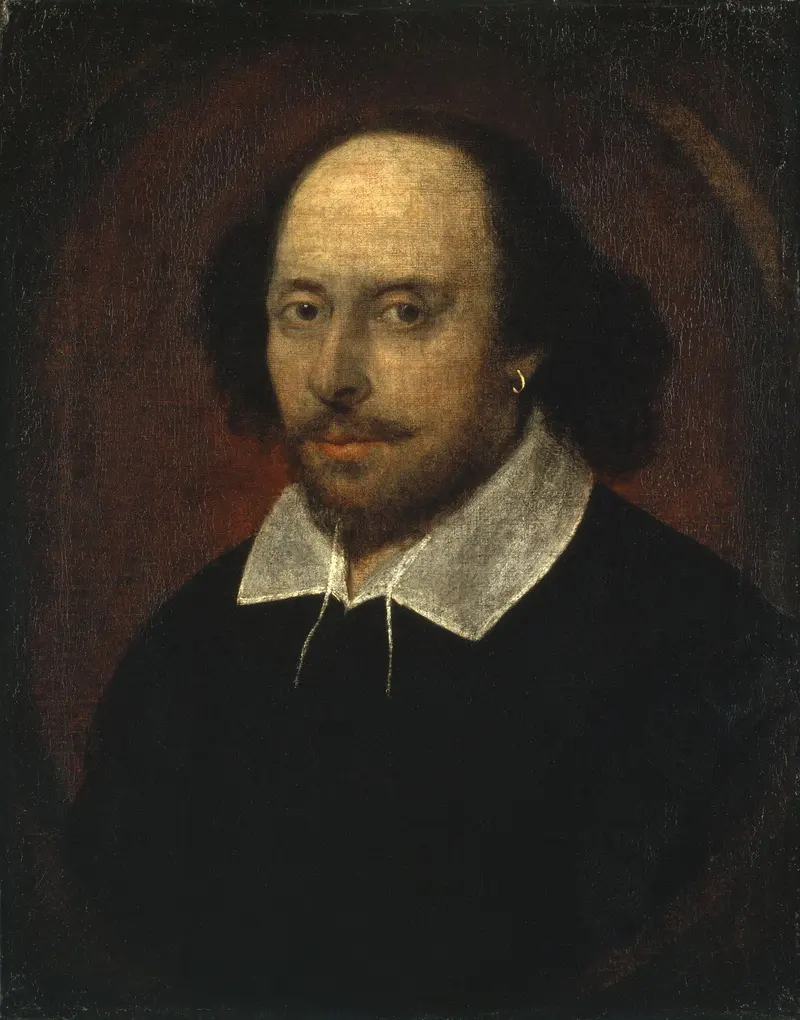
Photo: Attributed to John Taylor, Public domain
- 25 Jan 1585 Walter Raleigh is knighted after naming VirginiaWalter Raleigh was knighted, becoming Sir Walter Raleigh. Shortly before, he had named a region of North America 'Virginia' in honour of Queen Elizab…
-
11 Feb
1586 Francis Drake's English force captures CartagenaDuring a war between England and Spain, Sir Francis Drake led an English attack on Cartagena de Indias. This Spanish colonial port is now part of Col…
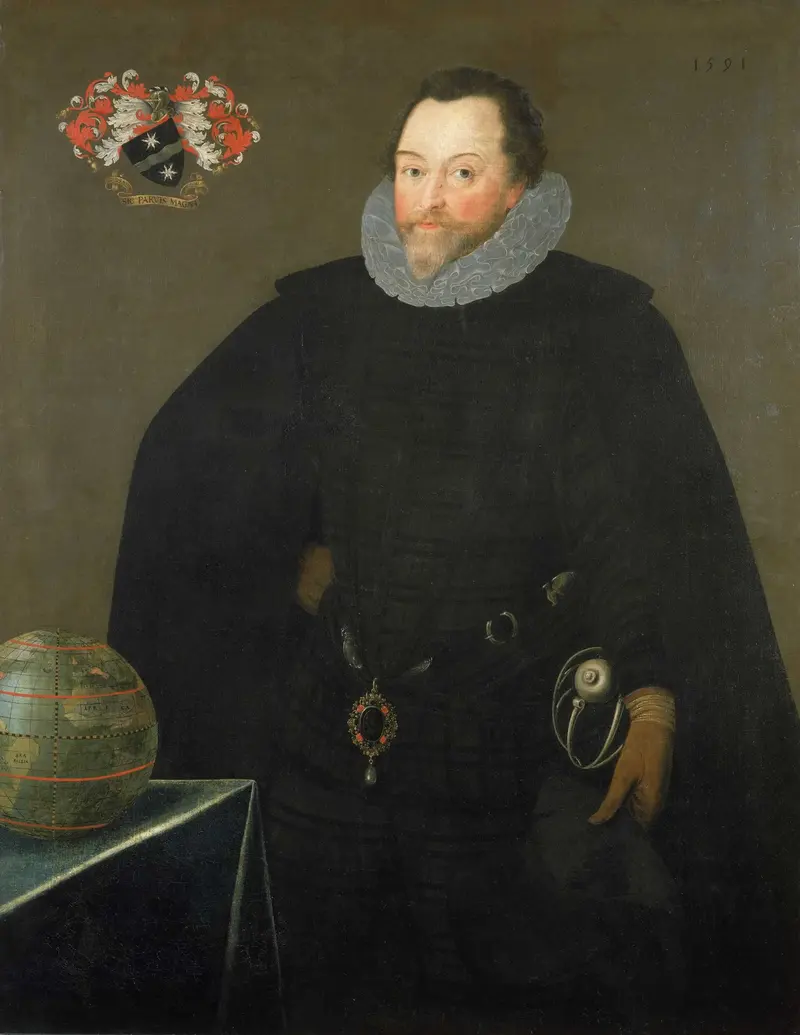
Photo: Marcus Gheeraerts the Younger, Public domain
-
14 Oct
1586 Mary, Queen of Scots, goes on trial in EnglandMary, Queen of Scots, went on trial accused of conspiracy, which means secretly plotting, against Queen Elizabeth I of England. Mary had been Queen o…
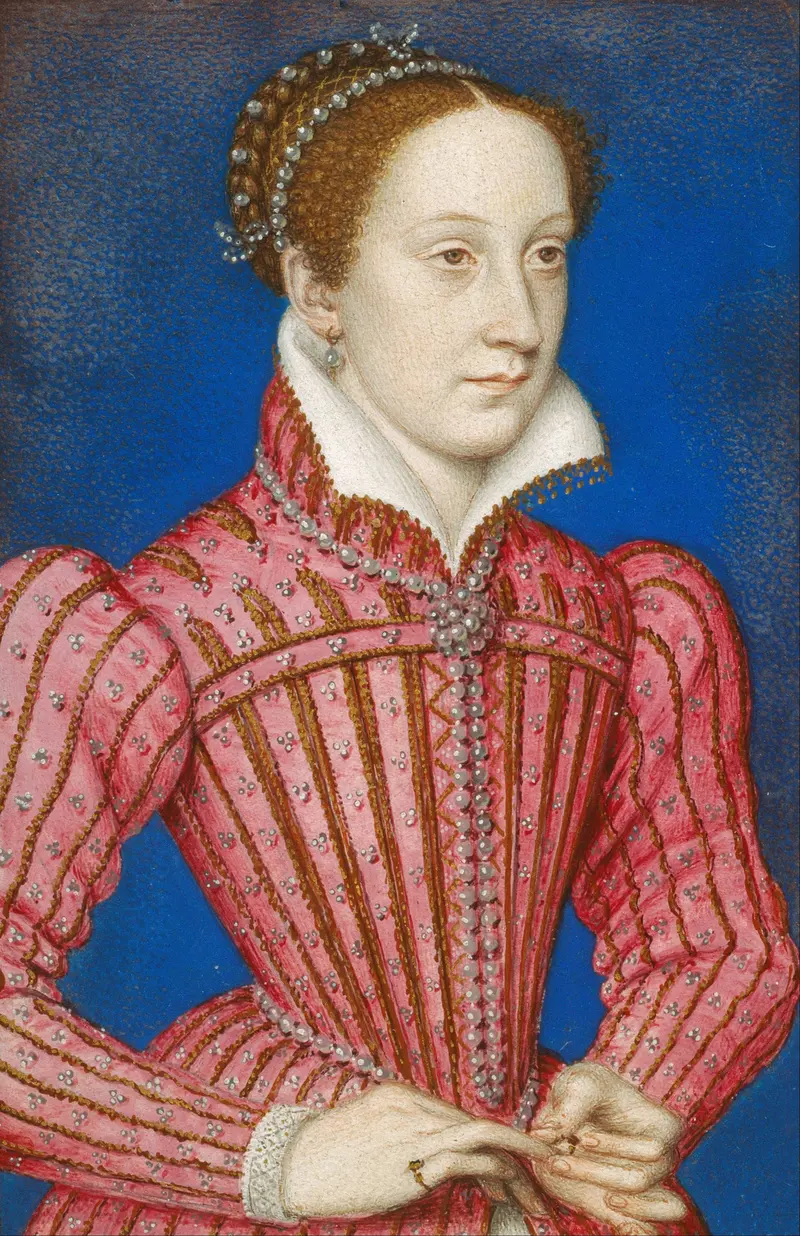
Photo: François Clouet, Public domain
-
18 Oct
1597 Spain's third armada sails against England but failsKing Philip II of Spain sent a third armada, or war fleet, against England. Its aim was to support rebels in Ireland who were fighting the English. L…
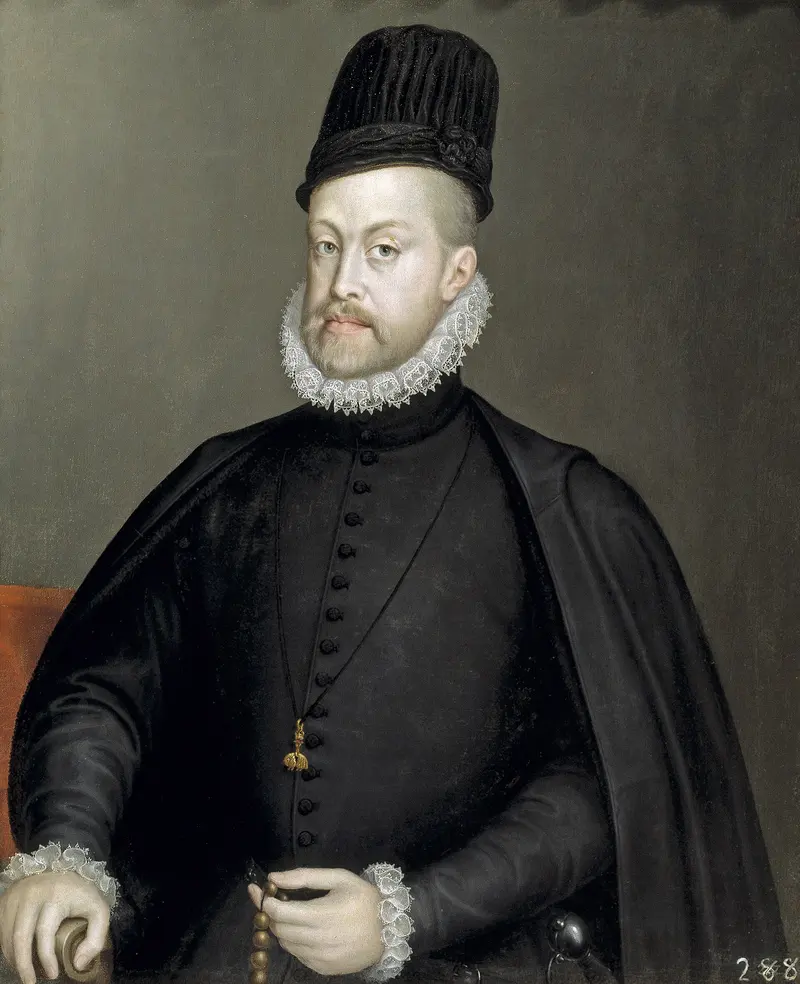
Photo: Sofonisba Anguissola, Public domain
- 1 Jan 1600 Scotland starts counting its new year from 1 JanuaryScotland decided that each new year would begin on 1 January instead of 25 March. Until then, the year number had changed in late March, in the sprin…
-
19 Nov
1600 Born: Charles ICharles I was the second son of King James VI of Scotland, and became King of England, Scotland and Ireland in 1625. He believed in the 'divine right…
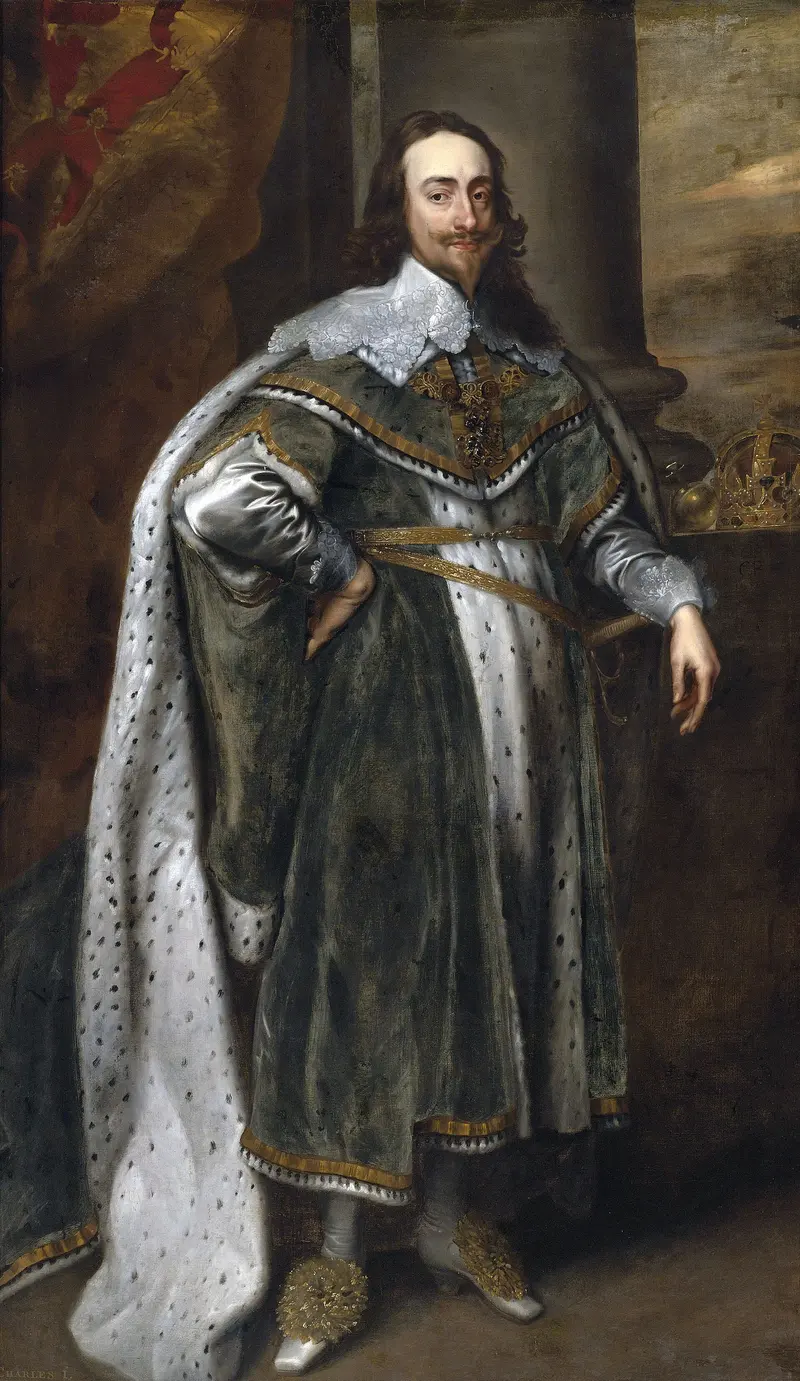
Photo: Workshop of Anthony van Dyck, Public domain
- 31 Dec 1600 The East India Company receives its charterThe East India Company was given its charter, an official document allowing it to operate. It was set up to trade around the Indian Ocean, at first w…
- 8 Feb 1601 The Earl of Essex leads a failed rebellion against Elizabeth IRobert Devereux, Earl of Essex, led a rebellion against Queen Elizabeth I, but it failed. Essex had once been one of the queen's favourites. He lost …
-
3 Oct
1602 English ships attack Spanish galleys in the Battle of the Narrow SeasDuring the Anglo-Spanish War, an English fleet led by Sir Robert Mansell attacked six Spanish galleys in the Strait of Dover. Galleys were warships t…
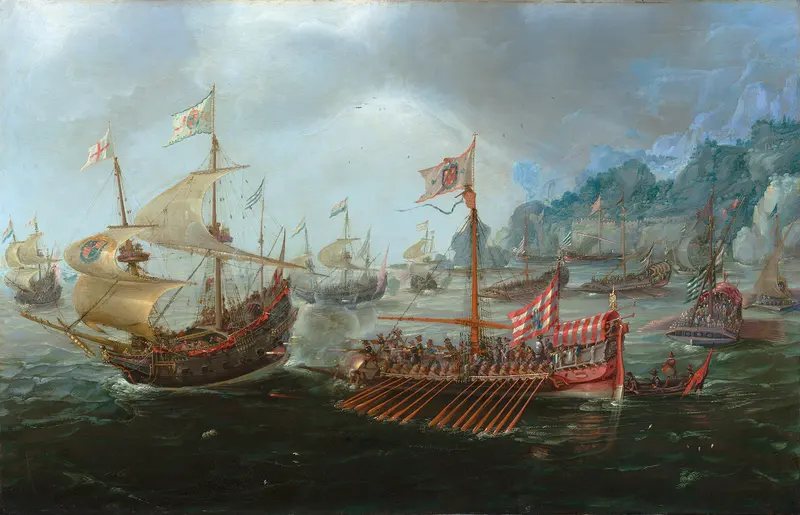
Photo: Andries van Eertvelt, Public domain
-
8 Nov
1602 Oxford's Bodleian Library opens to the publicThe Bodleian Library at the University of Oxford opened to the public. It was founded by Sir Thomas Bodley and is one of the oldest libraries in Euro…
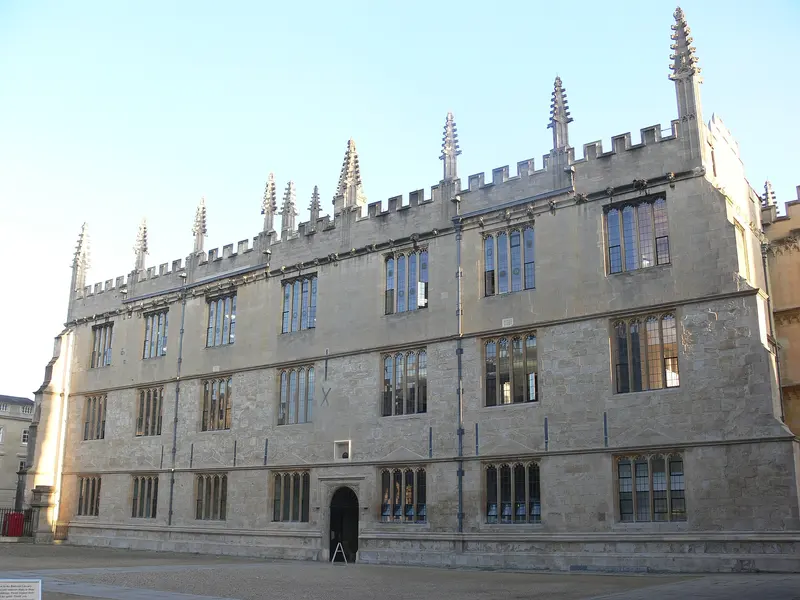
Photo: Remi Mathis, CC BY-SA 3.0
The timelines include Scotland too, so look out for Mary, Queen of Scots, who became queen when she was only a week old.
Ideas for using the timelines
- Who was on the throne? Read out a story and ask which Tudor was ruling at the time.
- How long ago? Take the year of a story away from this year. The numbers are big, so it is good subtraction practice.
- Then and next. Pick two stories and ask what changed between them.
- Check the date. Before 1752, Britain used an older calendar called the Julian calendar. That means some very old events may be listed on different dates in different books. We follow the dates given in our sources.
For royal stories from every century, see our Kings & queens topic page.