A Day in the Past

On this day: 19 October

132 things happened on 19 October, from 202 BC to 2019. UK stories come first, then the rest of the world.

Printable worksheet Take the quiz

Did you know?

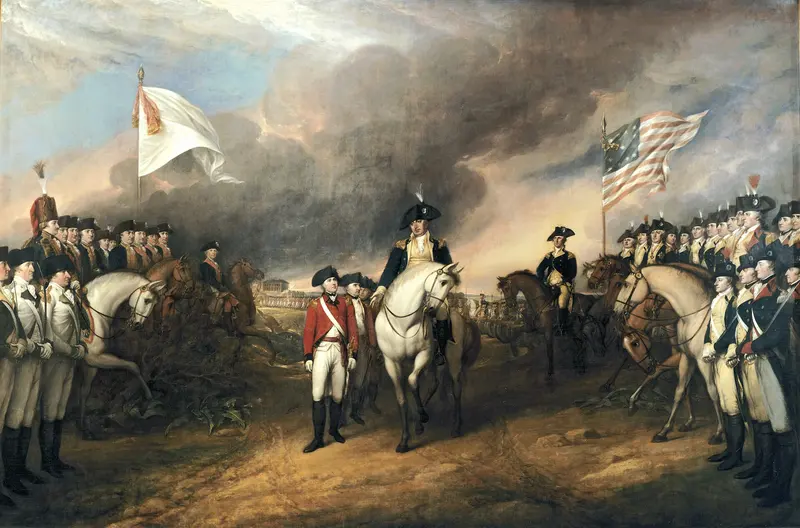
Painting of British and American officers on horseback and on foot lined up for the surrender at Yorktown
Photo: John Trumbull, Public domain

1781 · 245 years ago

British army surrenders at Yorktown

During the American War of Independence, British forces led by Lord Cornwallis officially surrendered at Yorktown. They had been under siege by American and French troops, led by George Washington and the comte de Rochambeau. The surrender ended the major fig…
In the UK 6

UK history first: stories from England, Scotland, Wales and Northern Ireland.

1453 573 years ago

UK story

England loses its last lands in southern France

Three months after defeat at the Battle of Castillon, England lost its last possessions in southern France. This came at the very end of the Hundred Years' War. That was a long series of conflicts between England and France, which historians date from 1337 to 1453. Despite its name, it actually lasted 116 years.

1579 447 years ago

UK story

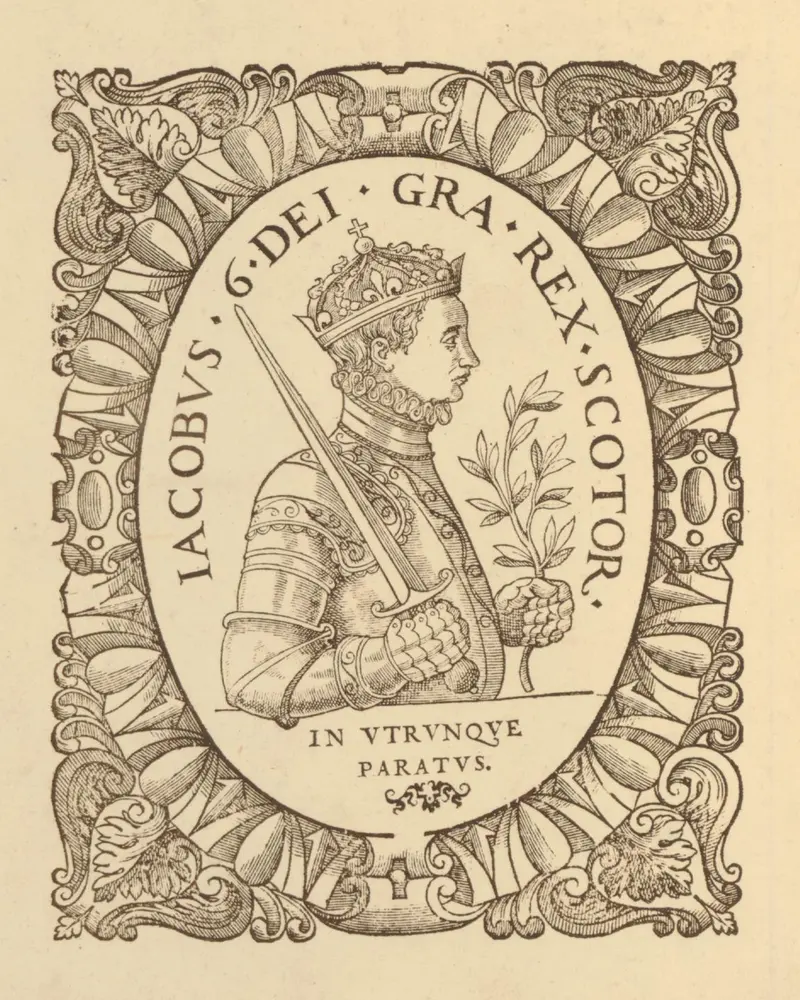
Thirteen-year-old James VI begins his adult rule in Edinburgh

King James VI of Scotland made a grand royal entry into Edinburgh to mark his coming of age. He was only 13 years old, and had spent his childhood at Stirling Castle. Now he was ready to rule as an adult. In 1603 he also became King of England and Ireland, joining the crowns together.

Old engraving of the boy king James VI in armour, holding a sword and an olive branch, inside a decorated oval frame
James VI of Scotland as a boy, in an old print (British Museum) Photo: Public domain, Public domain
1781 245 years ago

UK story

British army surrenders at Yorktown

During the American War of Independence, British forces led by Lord Cornwallis officially surrendered at Yorktown. They had been under siege by American and French troops, led by George Washington and the comte de Rochambeau. The surrender ended the major fighting in North America. It helped the United States win its independence from Britain.

Painting of British and American officers on horseback and on foot lined up for the surrender at Yorktown
Surrender of Lord Cornwallis, painted by John Trumbull Photo: John Trumbull, Public domain
2019 7 years ago

UK story

Parliament sits on a Saturday for the first time since 1982

Members of Parliament met on a Saturday to discuss the Brexit deal, the plan for the UK leaving the European Union. Parliament does not normally sit at weekends. The last Saturday sitting had been on 3 April 1982, during the Falklands War. That made this a rare day in the history of Parliament.

Around the world 40

1752 274 years ago

Benjamin Franklin's famous kite experiment appears in print

A newspaper called The Pennsylvania Gazette printed a statement by Benjamin Franklin describing a kite experiment. Its aim was to show that lightning is a kind of electricity. Franklin was an American scientist, inventor and statesman, and one of the Founding Fathers of the United States. Lightning is extremely dangerous, so never try this yourself.

1900 126 years ago

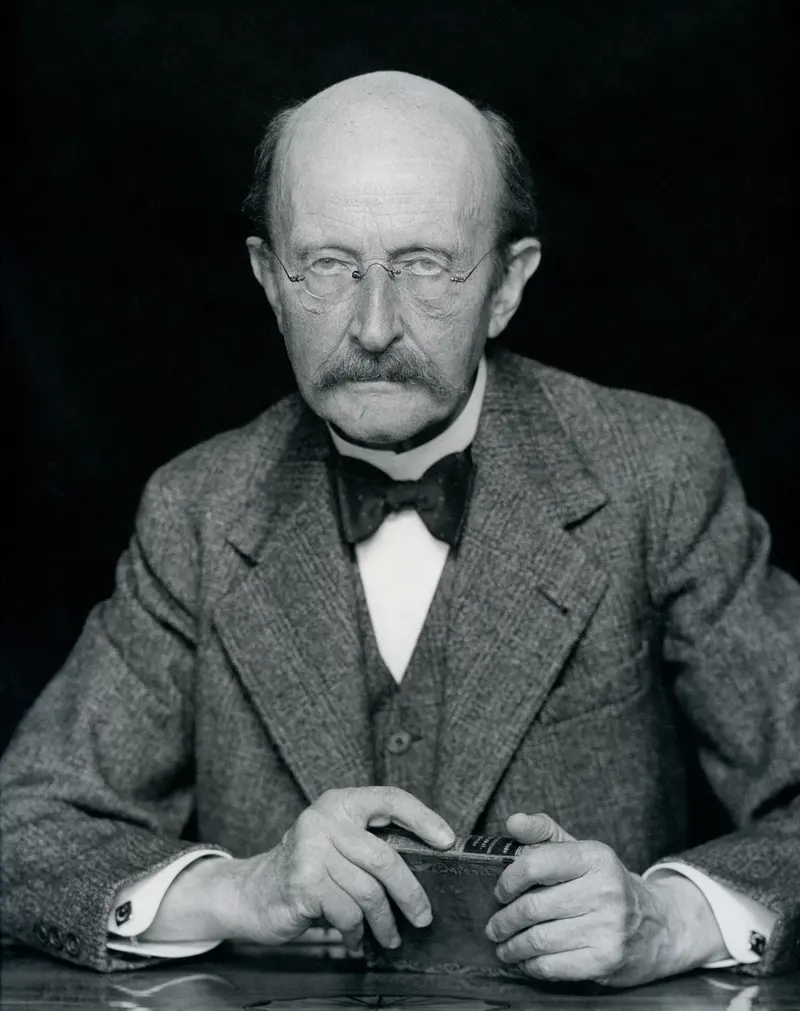
Max Planck discovers his famous law of radiation

German scientist Max Planck discovered what is now called Planck's law. It describes the light and other radiation given off by a perfect 'black body' at a particular temperature. Planck is known as the originator of quantum theory. This branch of physics changed how scientists understand atoms and even tinier particles.

Black-and-white photo of the scientist Max Planck in a suit and bow tie
Max Planck, photographed by Hugo Erfurth in 1938 Photo: Hugo Erfurth, Public domain
1914 112 years ago

Allied and German armies clash at the First Battle of Ypres

During the First World War, Allied forces began fighting German troops at the First Battle of Ypres. Ypres is a town in West Flanders, Belgium. The British Expeditionary Force fought there alongside French and Belgian armies. The battle was part of the Western Front, the long line of fighting that stretched across France and Belgium.

1953 73 years ago

Ray Bradbury's novel Fahrenheit 451 is published

Fahrenheit 451, a novel by the American writer Ray Bradbury, was published. It imagines a future where books are banned and 'firemen' burn any that they find. The story follows a fireman called Guy Montag, who starts to question his job. In the end he decides to protect books and knowledge instead.

1955 71 years ago

Plans for the first Eurovision Song Contest are approved

At a meeting of its members, the European Broadcasting Union agreed to stage the first Eurovision Song Contest. The union is a group of public broadcasters from many countries. The song contest idea was based on the Sanremo Music Festival in Italy. The very first Eurovision was held the following year, in 1956.

1936 90 years ago

New York World-Telegram reporter Herbert Ekins won a race against two other New York newspaper journalists to travel around the world on commercial airline flights. He accomplished the feat in 18 ½ days. His opponents were New York Evening Journal reporter Dorothy Kilgallen, who finished in second place, and New York Times reporter Leo Kieran.

Quick quiz

Every answer is somewhere on this page. Have a go, then check!

  1. In which year did this happen: “British army surrenders at Yorktown”?

    1. 1781
    2. 1579
    3. 1946
    Show the answer

    A: 1781. 1781 — that’s 245 years ago. Find it on the page

  2. In which year did this happen: “England loses its last lands in southern France”?

    1. 1453
    2. 1900
    3. 1946
    Show the answer

    A: 1453. 1453 — that’s 573 years ago. Find it on the page

  3. Which of these happened first?

    1. British army surrenders at Yorktown
    2. Thirteen-year-old James VI begins his adult rule in Edinburgh
    3. England loses its last lands in southern France
    Show the answer

    C: England loses its last lands in southern France. 1781: British army surrenders at Yorktown · 1579: Thirteen-year-old James VI begins his adult rule in Edinburgh · 1453: England loses its last lands in southern France Find it on the page

  4. “Thirteen-year-old James VI begins his adult rule in Edinburgh” happened in 1579. How many years ago was that?

    1. 437 years
    2. 457 years
    3. 447 years
    Show the answer

    C: 447 years. 2026 − 1579 = 447. Find it on the page

Born on this day 38

Famous people whose birthday is 19 October.

Remembering 18

Well-known people who died on 19 October.

Special days 13

Festivals, holidays and saints’ days celebrated on 19 October somewhere in the world.

For older readers 17 Show stories about war, disasters, crime and other difficult history

Content note: these entries mention things like war, violence, deaths, disasters or crime. They are part of history, but they can be upsetting. Grown-ups and teachers: you may want to read them first. They come straight from Wikipedia and have not been rewritten for children.

Where these facts come from

Stories with a heading have been written for young readers by A Day in the Past, using the linked articles as sources. Other entries show text from Wikipedia’s “October 19” page and its “On this day” feed, written by Wikipedia contributors and shared under the Creative Commons Attribution-ShareAlike 4.0 licence. Each “Read more” link goes to the article an entry is based on. Photos are credited under each picture. Spotted a mistake? Please tell us.