A Day in the Past

On this day: 22 January

127 things happened on 22 January, from AD 613 to 2025. UK stories come first, then the rest of the world.

Printable worksheet Take the quiz

Did you know?

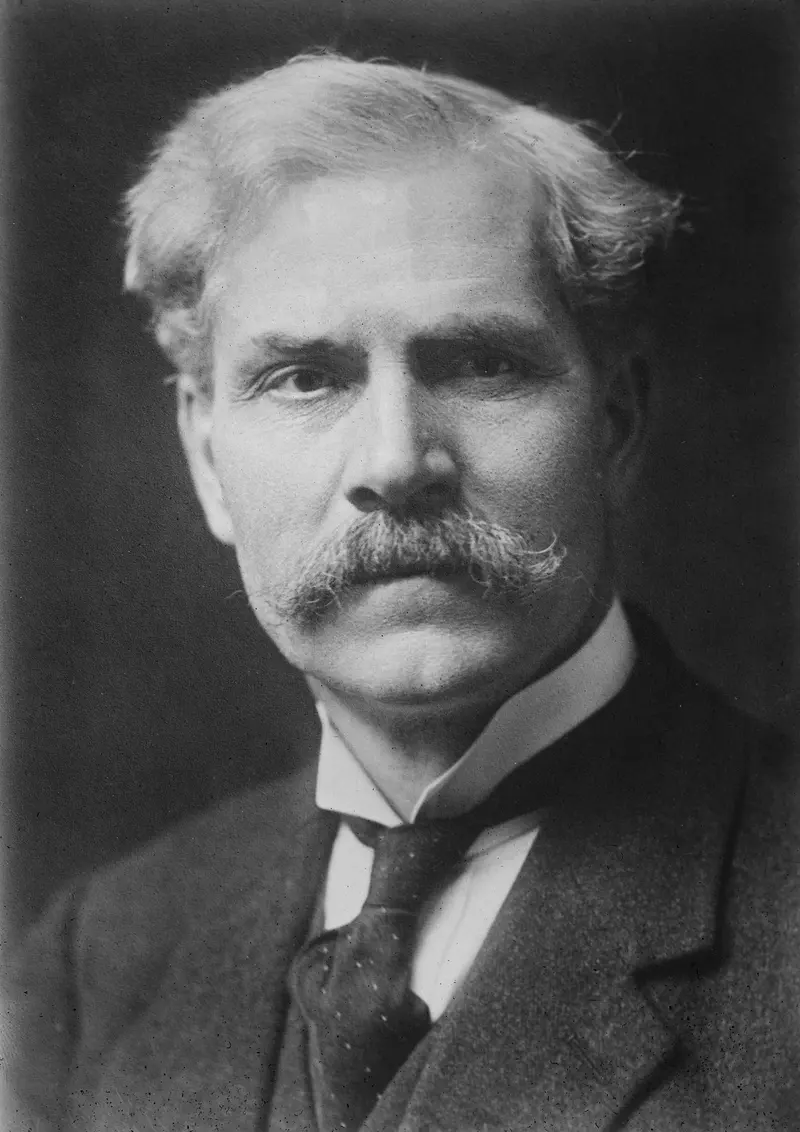
Black-and-white photo of Ramsay MacDonald with wavy grey hair and a thick moustache
Photo: Walter Stoneman, Public domain

1924 · 102 years ago

Ramsay MacDonald becomes the first Labour prime minister

Ramsay MacDonald became the first prime minister of the United Kingdom from the Labour Party. The prime minister leads the government and chairs the Cabinet. MacDonald's first government was a minority government, which means his party had fewer than half of …
In the UK 9

UK history first: stories from England, Scotland, Wales and Northern Ireland.

AD 871 1,155 years ago

UK story

Vikings defeat the West Saxons at the Battle of Basing

A Viking army defeated the West Saxons, from the Anglo-Saxon kingdom of Wessex, at Basing, a royal estate in Hampshire. The West Saxons were led by King Æthelred and his brother, the future King Alfred the Great. The date, worked out from the Anglo-Saxon Chronicle, is only approximate. A few months later Æthelred died, and Alfred became king.

1689 337 years ago

UK story

The Convention Parliament meets to decide who will rule England

A special Parliament, known as the Convention, met to decide what should happen to the throne. King James II, the last Catholic monarch of England, had fled to France during the Glorious Revolution. The Convention gave the crowns of England and Ireland to William III and Mary II. These events confirmed that Parliament had more power than the monarch.

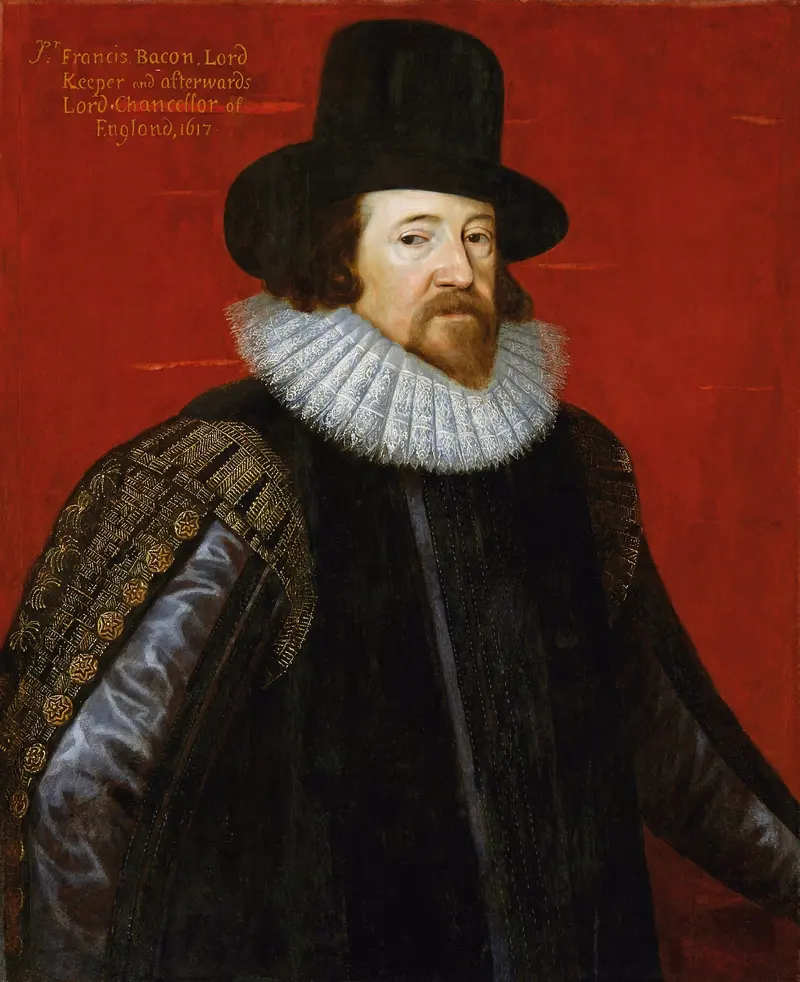
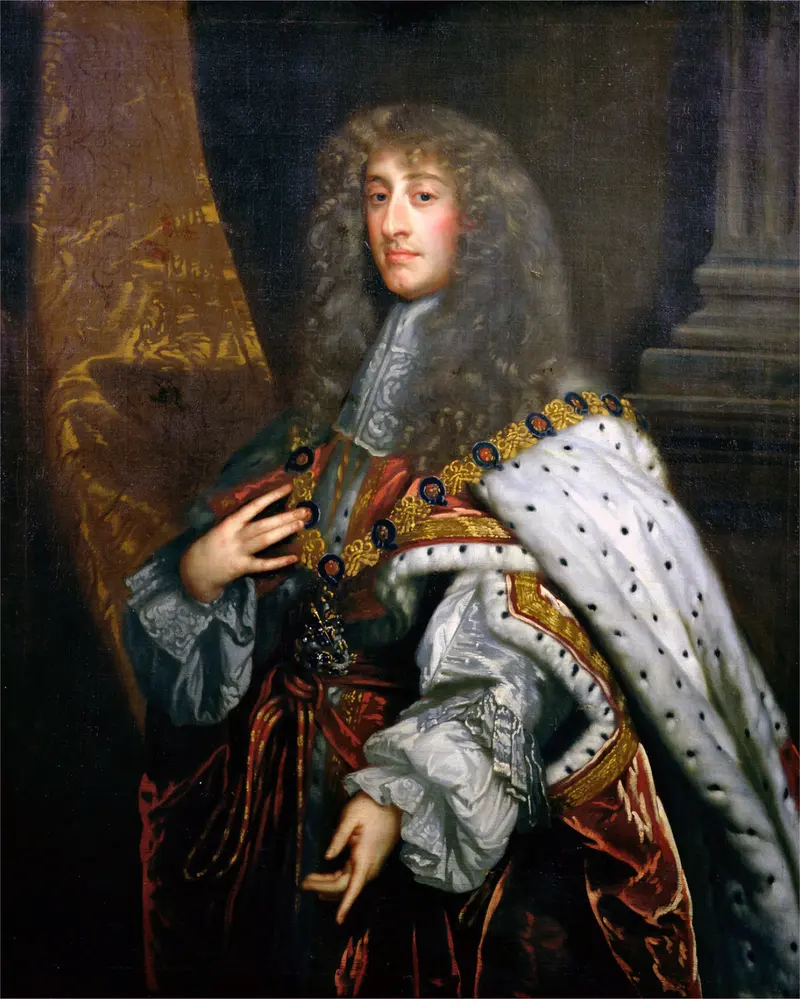
Painted portrait of King James II with long curly hair, wearing robes lined with white ermine fur
King James II, painted by the school of Peter Lely Photo: School of Peter Lely, Public domain
1879 147 years ago

UK story

Zulu forces defeat the British at the Battle of Isandlwana

The Zulu army of King Cetshwayo won a decisive victory over British forces at Isandlwana, in present-day South Africa. It was part of the Anglo-Zulu War, fought between the British Empire and the Zulu Kingdom from January to July 1879. Cetshwayo had tried to make peace, but the Zulus were defeated later in the war. Isandlwana and the British defence of nearby Rorke's Drift are the war's most famous battles.

1901 125 years ago

UK story

Queen Victoria dies and her son becomes King Edward VII

Queen Victoria died at Osborne House on the Isle of Wight, aged 81, and her eldest son became King Edward VII. Victoria had reigned for more than 63 years, longer than any British monarch before her. Her reign is known as the Victorian era, a time of great change in industry, science and politics, when the British Empire grew enormously. Edward VII reigned until 1910.

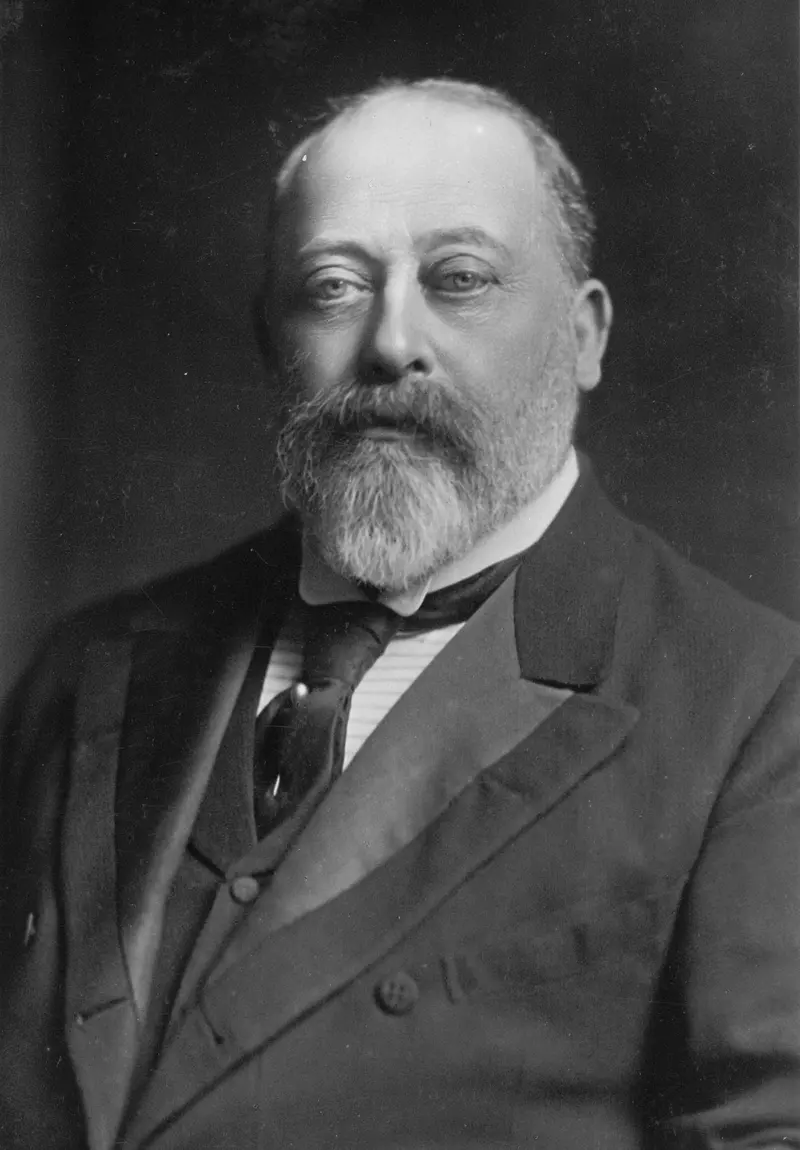
Black-and-white photo of King Edward VII with a grey beard, wearing a dark suit
King Edward VII, photographed by W. & D. Downey Photo: W. & D. Downey, Public domain
1924 102 years ago

UK story

Ramsay MacDonald becomes the first Labour prime minister

Ramsay MacDonald became the first prime minister of the United Kingdom from the Labour Party. The prime minister leads the government and chairs the Cabinet. MacDonald's first government was a minority government, which means his party had fewer than half of the MPs, and it lasted only nine months. He became prime minister again from 1929 to 1935.

Black-and-white photo of Ramsay MacDonald with wavy grey hair and a thick moustache
Ramsay MacDonald, photographed by Walter Stoneman Photo: Walter Stoneman, Public domain
1927 99 years ago

UK story

The first radio commentary of a football match is broadcast

Teddy Wakelam and Cecil Lewis gave the first commentary of a football match on British radio. The game, between Arsenal and Sheffield United at Highbury, ended in a 1–1 draw. A week earlier, Wakelam had given the BBC's first ever running sports commentary, at a rugby match. Some people believe the phrase 'back to square one' comes from the numbered squares used to help listeners follow his commentaries.

Around the world 31

1506 520 years ago

The first Swiss Guards arrive to protect the Pope

The first group of 150 Swiss Guards arrived at the Vatican in Rome. The Swiss Guard was set up under Pope Julius II to protect the Pope and his palace. It is one of the oldest military units still serving without a break. Because it is so small, it is sometimes called 'the world's smallest army'.

1968 58 years ago

Apollo 5 gives NASA's Moon lander its first test flight

Apollo 5 lifted off from Cape Kennedy on a Saturn IB rocket, carrying NASA's Lunar Module into space for the first time. The Lunar Module was the spacecraft that would later land astronauts on the Moon. This test flight had no crew on board. There were some computer programming problems, but the mission was still a success.

1970 56 years ago

The Boeing 747 jumbo jet carries its first passengers

The Boeing 747 began passenger service with the airline Pan Am on the route between New York and London. It was the world's first wide-body airliner, meaning its cabin was wide enough to have two aisles. The biggest wide-body planes became known as jumbo jets. Boeing went on to build 747s until 2023.

1984 42 years ago

Apple's famous '1984' advert introduces the Macintosh computer

During the Super Bowl, America's biggest American football game, Apple Computer showed a TV advert called '1984' to introduce its new Macintosh computer. The Macintosh was the first successful personal computer to use a graphical user interface. This means users could work with pictures, windows and menus on the screen instead of only typing commands. Apple had been founded in 1976 by Steve Jobs, Steve Wozniak and Ronald Wayne.

1906 120 years ago

The SS Valencia was wrecked off the coast of Vancouver Island, Canada, in a location so treacherous it was known as the Graveyard of the Pacific.

1946 80 years ago

In Iran, Qazi Muhammad declares the independent people's Republic of Mahabad at Chahar Cheragh Square in the Kurdish city of Mahabad; he becomes the new president and Haji Baba Sheikh becomes the prime minister.

1973 53 years ago

In a bout for the world heavyweight boxing championship in Kingston, Jamaica, challenger George Foreman knocks down champion Joe Frazier six times in the first two rounds before the fight is stopped by referee Arthur Mercante Sr..

2009 17 years ago

U.S. President Barack Obama signs an executive order to close the Guantanamo Bay detention camp; congressional opposition will prevent it being implemented.

Quick quiz

Every answer is somewhere on this page. Have a go, then check!

  1. In which year did this happen: “Ramsay MacDonald becomes the first Labour prime minister”?

    1. AD 871
    2. 1689
    3. 1924
    Show the answer

    C: 1924. 1924 — that’s 102 years ago. Find it on the page

  2. In which year did this happen: “Zulu forces defeat the British at the Battle of Isandlwana”?

    1. 1920
    2. 1689
    3. 1879
    Show the answer

    C: 1879. 1879 — that’s 147 years ago. Find it on the page

  3. Which of these happened first?

    1. Ramsay MacDonald becomes the first Labour prime minister
    2. Queen Victoria dies and her son becomes King Edward VII
    3. Zulu forces defeat the British at the Battle of Isandlwana
    Show the answer

    C: Zulu forces defeat the British at the Battle of Isandlwana. 1924: Ramsay MacDonald becomes the first Labour prime minister · 1901: Queen Victoria dies and her son becomes King Edward VII · 1879: Zulu forces defeat the British at the Battle of Isandlwana Find it on the page

  4. “Queen Victoria dies and her son becomes King Edward VII” happened in 1901. How many years ago was that?

    1. 125 years
    2. 115 years
    3. 135 years
    Show the answer

    A: 125 years. 2026 − 1901 = 125. Find it on the page

Born on this day 40

Famous people whose birthday is 22 January.

Remembering 22

Well-known people who died on 22 January.

Special days 9

Festivals, holidays and saints’ days celebrated on 22 January somewhere in the world.

For older readers 16 Show stories about war, disasters, crime and other difficult history

Content note: these entries mention things like war, violence, deaths, disasters or crime. They are part of history, but they can be upsetting. Grown-ups and teachers: you may want to read them first. They come straight from Wikipedia and have not been rewritten for children.

Where these facts come from

Stories with a heading have been written for young readers by A Day in the Past, using the linked articles as sources. Other entries show text from Wikipedia’s “January 22” page and its “On this day” feed, written by Wikipedia contributors and shared under the Creative Commons Attribution-ShareAlike 4.0 licence. Each “Read more” link goes to the article an entry is based on. Photos are credited under each picture. Spotted a mistake? Please tell us.