The first people to fly floated gently in a balloon in 1783. Less than two hundred years later, passengers were flying faster than the speed of sound. On 17 December it will be another year since the Wright brothers' famous first flight, so here is the story of flight, one first at a time.
Up, up and away: balloons
The first flying machines didn't have wings at all.
- 14 December 1782. French brothers Joseph-Michel and Jacques-Étienne Montgolfier, who were paper makers, test-flew a hot air balloon for the first time, with nobody on board. It floated nearly 2.5 kilometres. See 14 December.
- 21 November 1783. In Paris, Jean-François Pilâtre de Rozier and François Laurent d'Arlandes made the first free flight by people in a hot air balloon. 'Free' means it wasn't tied to the ground. It was the first confirmed human flight of any kind. See 21 November.
- 7 January 1785. Jean-Pierre Blanchard and John Jeffries flew a gas balloon from Dover, in England, to Calais, in France. It was the first time anyone had crossed the English Channel through the air. See 7 January.
Thinking about wings
An English engineer called George Cayley, born on 27 December 1773, is sometimes called 'the father of aviation'. In 1799 he described the idea of the modern aeroplane, with fixed wings and separate systems for lift, power and control. He built the first flying model aeroplane, and the Wright brothers recognised how important his work was.
In London, the Aeronautical Society of Great Britain was founded on 12 January 1866. Aeronautics is the science of flight, and it is the oldest aeronautical society in the world.
The first aeroplanes
- 17 December 1903. Orville and Wilbur Wright made the first controlled, sustained flight in an engine-powered aeroplane, near Kitty Hawk in North Carolina, USA. They had designed and built the Wright Flyer themselves. See 17 December.
- 5 October 1905. The Wright brothers flew their Flyer III for 24 miles in 39 minutes, a world record. It is seen as the first truly practical aeroplane.
- 23 February 1909. The Silver Dart took off from a frozen bay in Nova Scotia, making the first powered flight in Canada and the British Empire. Its wings were covered in silvery balloon cloth. See 23 February.
- 18 January 1911. American pilot Eugene Ely made the first ever aeroplane landing on a ship. See 18 January.
Further and faster
- 28 September 1924. A team from the United States Army Air Service completed the first flight all the way around the world. It took 175 days.
- 11 January 1935. Amelia Earhart became the first person to fly alone from Hawaii to California. Three years earlier she had become the first woman to fly solo across the Atlantic without stopping. See 11 January.
- 14 October 1947. American test pilot Chuck Yeager became the first person to fly faster than the speed of sound, in a rocket-powered plane called the Bell X-1.
Concorde and the jumbo jets
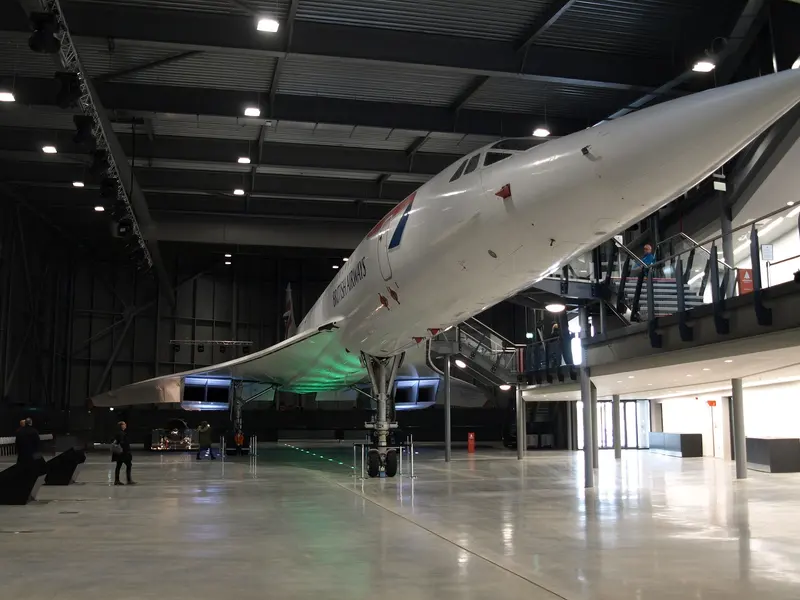
Concorde was a passenger plane built jointly by Britain and France. On 1 October 1969 it broke the sound barrier for the first time, and on 21 January 1976 it began flying paying passengers on scheduled routes, from London and Paris. Concorde could cruise at twice the speed of sound. It made its final flight, over Bristol in England, on 26 November 2003. The name comes from a French word meaning agreement or harmony.
Meanwhile, bigger planes carried more people. The Boeing 747, often called the jumbo jet, was the world's first wide-body airliner, and the very last one was delivered on 31 January 2023. The Airbus A380, the largest passenger airliner ever built, was shown to the world on 18 January 2005.
More flying stories
Here are the flying stories in this post, and a few more, from our calendar, oldest first:
- 14 Dec 1782 The Montgolfier brothers test-fly their first hot air balloonFrench brothers Joseph-Michel and Jacques-Étienne Montgolfier test-flew a hot air balloon for the first time, with nobody on board. It floated nearly…
-
21 Nov
1783 People fly free in a hot air balloon for the first timeIn Paris, Jean-François Pilâtre de Rozier and François Laurent d'Arlandes made the first free flight by people in a hot air balloon. 'Free' means the…
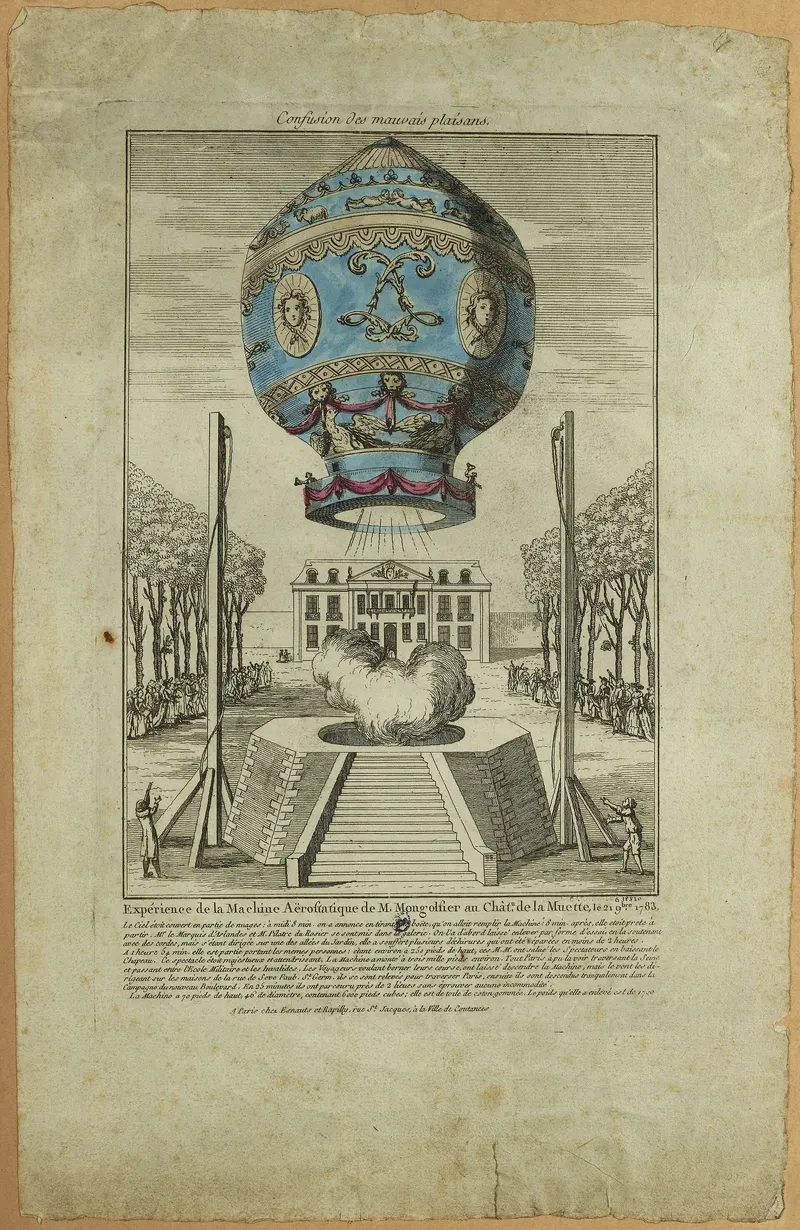
Photo: Anonyme, graveur, CC0
-
7 Jan
1785 A gas balloon makes the first flight across the English ChannelFrench inventor Jean-Pierre Blanchard and American doctor John Jeffries flew from Dover, in England, to Calais, in France, in a gas balloon. It was t…
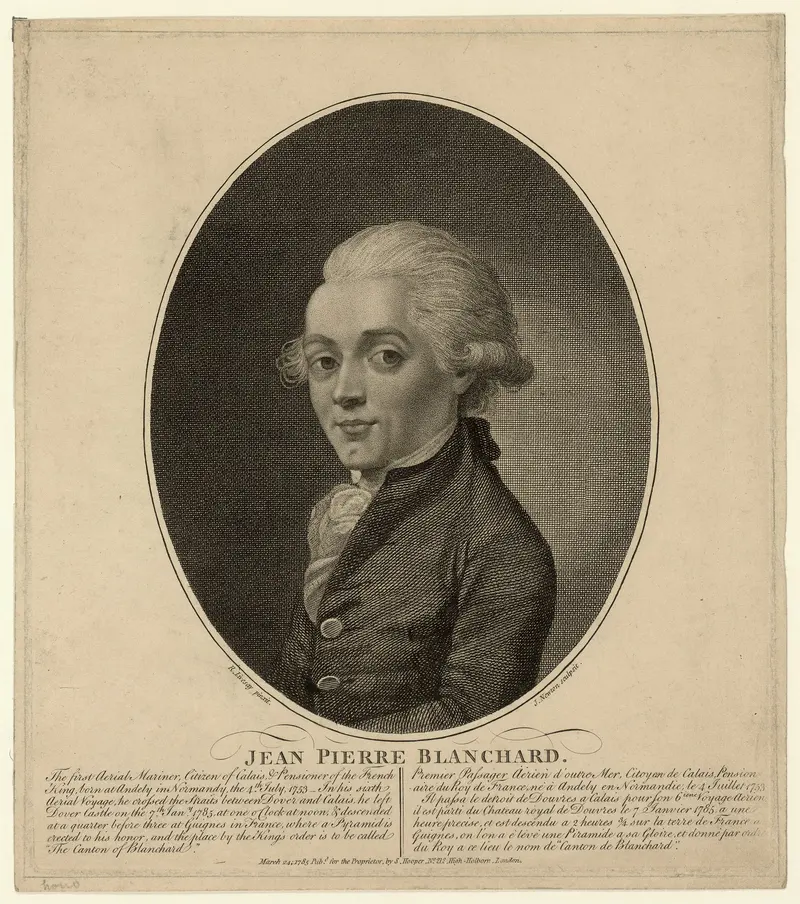
Photo: J. Newton, sculpsit ; R. Livesay, pinxit, Public domain
- 27 Dec 1773 Born: George CayleyGeorge Cayley was an English engineer and inventor, sometimes called 'the father of aviation'. In 1799 he described the idea of the modern aeroplane,…
- 12 Jan 1866 The world's oldest society for flight is founded in LondonThe Aeronautical Society of Great Britain was founded in London. Aeronautics is the science of flight, and this is the oldest aeronautical society in…
-
17 Dec
1903 The Wright brothers make the first powered aeroplane flightOrville and Wilbur Wright made the first controlled, sustained flight in an engine-powered aeroplane. Their aircraft, the Wright Flyer, flew near Kit…
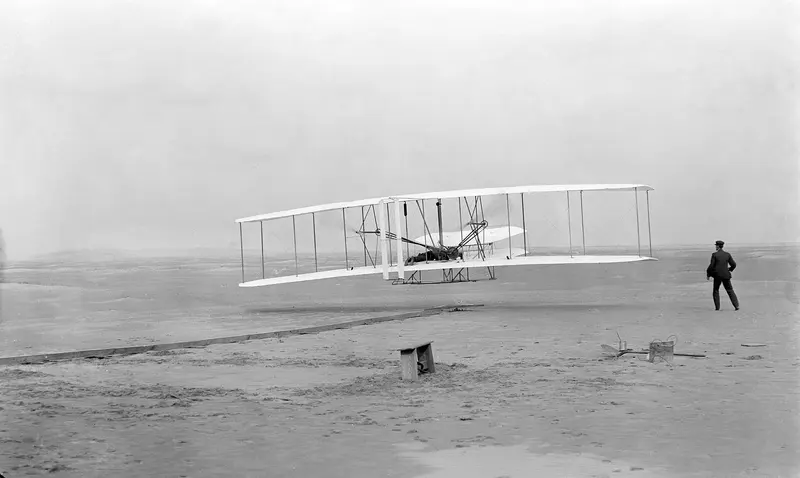
Photo: John T. Daniels, Public domain
-
5 Oct
1905 The Wright brothers set a flying record in Wright Flyer IIIThe Wright brothers flew their aeroplane, the Wright Flyer III, for 24 miles in 39 minutes, setting a new world record. Only two years earlier, in 19…
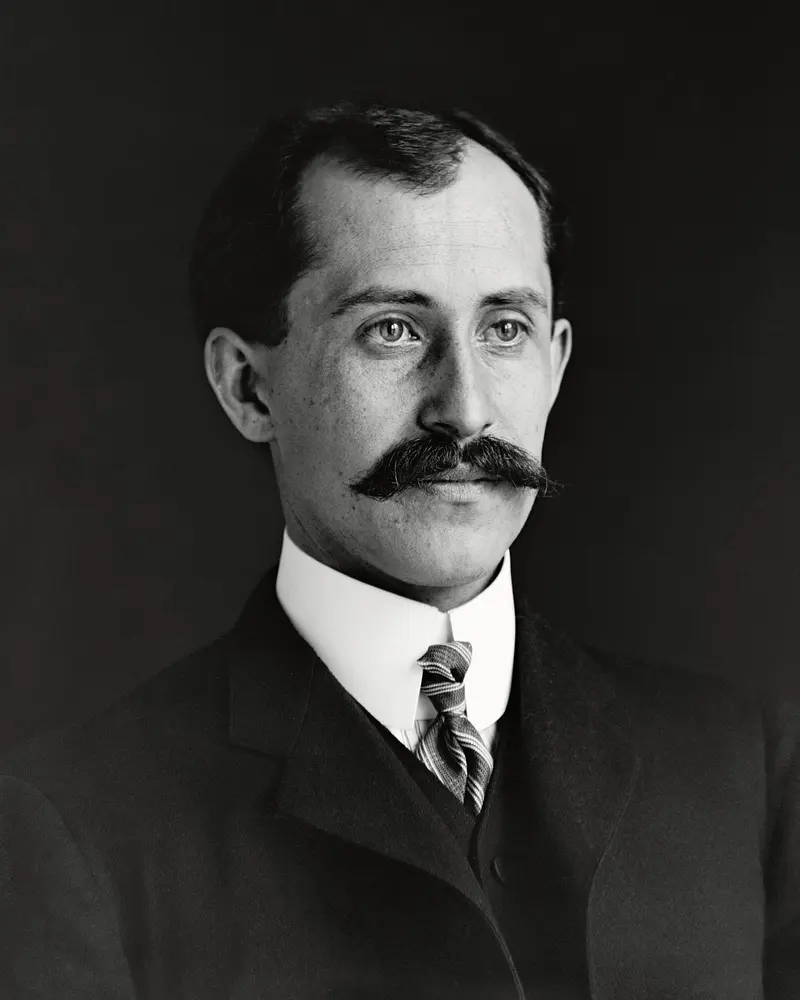
Photo: Orville Wright and Wilbur Wright (credited as photographers), Public domain
-
23 Oct
1906 Alberto Santos-Dumont flies his 14-bis biplaneThe Brazilian aviation pioneer Alberto Santos-Dumont flew his aeroplane, the 14-bis, for 50 metres at a height of about four metres. The 14-bis was a…
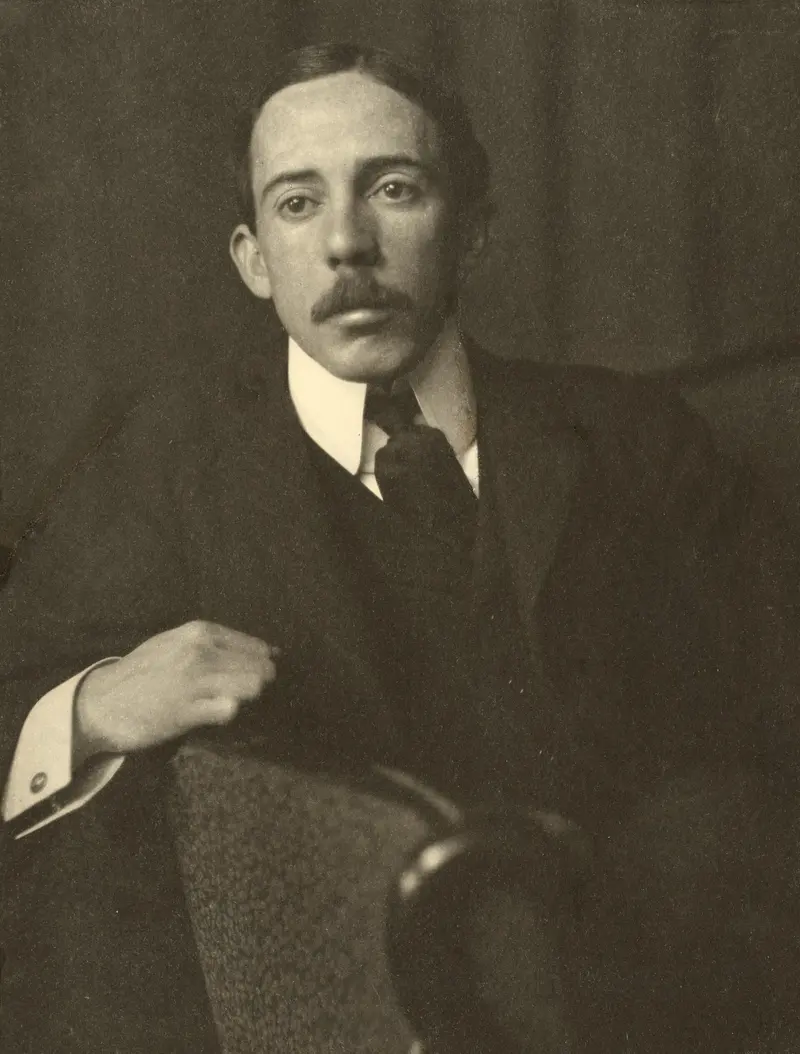
Photo: Zaida Ben-Yusuf / Adam Cuerden, Public domain
- 23 Feb 1909 The Silver Dart makes Canada's first powered flightThe Silver Dart aeroplane took off from the frozen Baddeck Bay in Nova Scotia, Canada. Flown by one of its designers, Douglas McCurdy, it made the fi…
- 18 Jan 1911 Eugene Ely makes the first aeroplane landing on a shipAmerican pilot Eugene Ely landed his aeroplane on a platform built on the warship USS Pennsylvania, anchored in San Francisco Bay. It was the first t…
- 28 Sep 1924 American airmen complete the first flight around the worldA team from the United States Army Air Service landed in Seattle, completing the first flight all the way around the world. The journey took 175 days…
-
11 Jan
1935 Amelia Earhart flies solo from Hawaii to CaliforniaAmerican pilot Amelia Earhart became the first person to fly alone from Honolulu, in Hawaii, to Oakland, in California. She flew a Lockheed Vega aero…
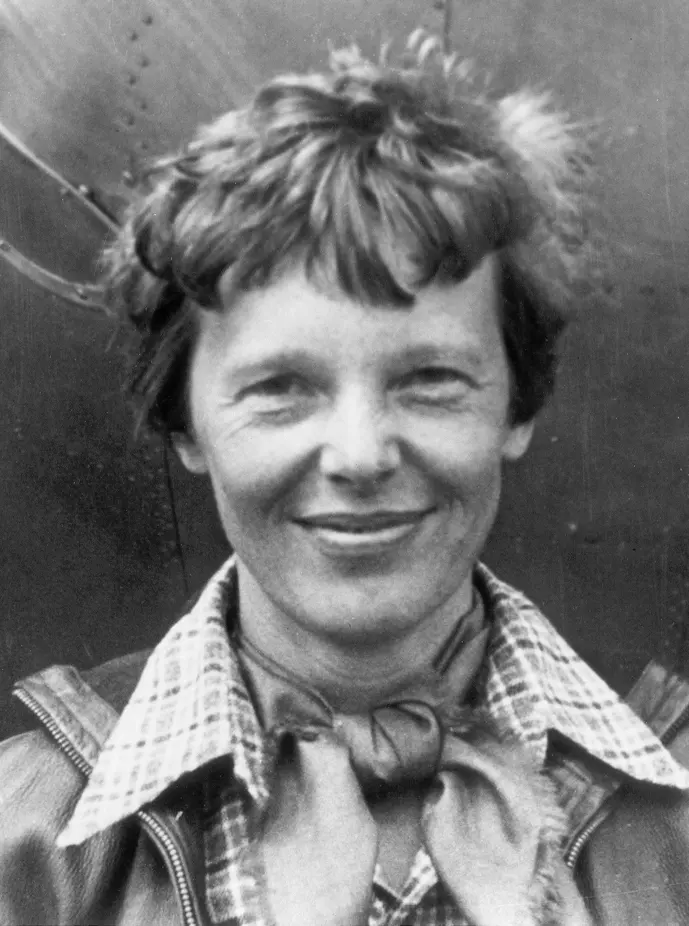
Photo: Underwood & Underwood (active 1880 – c. 1950), Public domain
- 14 Oct 1947 Chuck Yeager becomes the first pilot to fly faster than soundAmerican test pilot Chuck Yeager became the first person to break the sound barrier. He reached Mach 1.06 in the Bell X-1, an experimental aircraft p…
-
1 Oct
1969 Concorde flies faster than the speed of sound for the first timeConcorde, a passenger plane developed jointly by Britain and France, broke the sound barrier for the first time. This means it flew faster than the s…
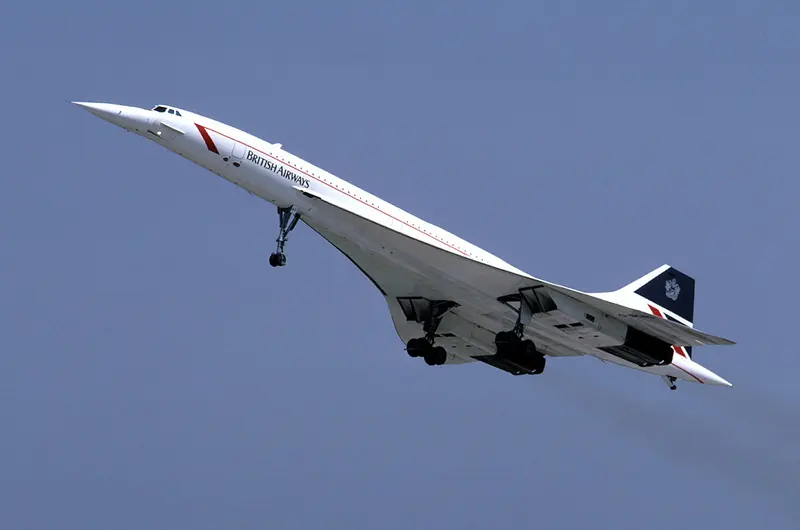
Photo: Eduard Marmet, CC BY-SA 3.0
-
21 Jan
1976 Concorde begins its first scheduled passenger flightsConcorde, a supersonic airliner built jointly by Britain and France, began flying paying passengers on scheduled routes. Supersonic means faster than…
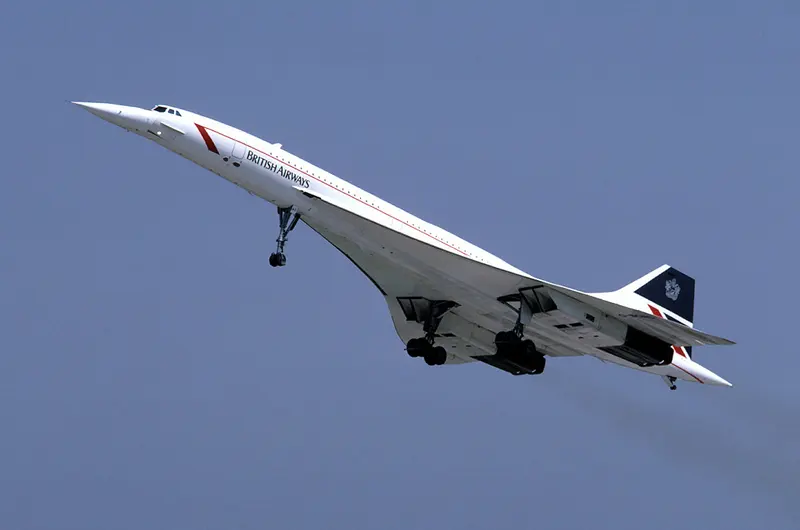
Photo: Eduard Marmet, CC BY-SA 3.0
- 23 Dec 1986 Voyager completes the first non-stop flight around the worldThe aircraft Voyager landed at Edwards Air Force Base in California, USA, after flying all the way around the world. It was the first aircraft to do …
- 21 Feb 1995 Steve Fossett flies solo across the Pacific in a balloonAmerican adventurer Steve Fossett landed in Leader, Saskatchewan, Canada. He had become the first person to fly alone across the Pacific Ocean in a b…
-
26 Nov
2003 Concorde makes its final flight, over BristolConcorde, the supersonic airliner built jointly by Britain and France, made its final flight, over Bristol in England. Supersonic means faster than t…
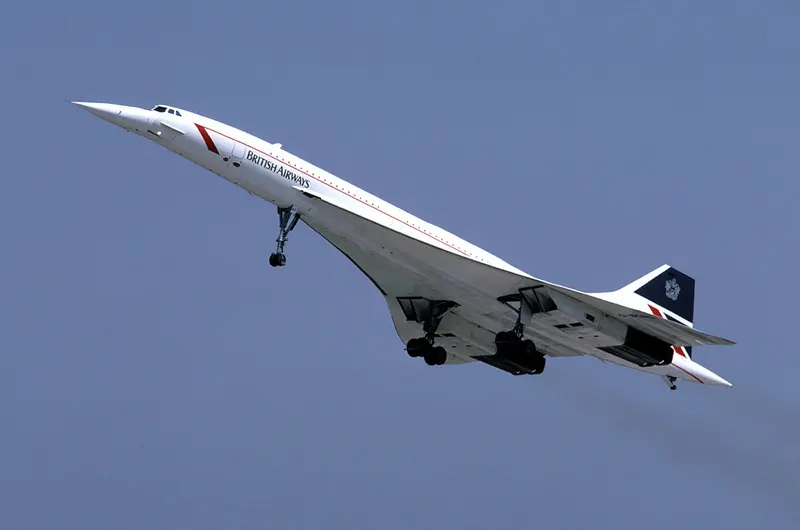
Photo: Eduard Marmet, CC BY-SA 3.0
- 18 Jan 2005 The Airbus A380, the world's biggest airliner, is unveiledThe first Airbus A380 was shown to the world at a ceremony in Toulouse, France. It is the largest passenger airliner ever built and the only one with…
- 31 Jan 2023 The last Boeing 747 jumbo jet is deliveredThe very last Boeing 747 was delivered to the airline Atlas Air. The plane was named 'Empower'. The 747 was the world's first wide-body airliner, oft…
Our transport and invention topic pages have lots more.
Try this
- Paper plane test. Make three paper planes with different wing shapes. Which flies furthest?
- How long ago? Take 1783 away from this year. How long have people been flying?
- Timeline strip. Draw a long strip of paper and mark balloons, the Wright Flyer and Concorde in the right places.
Where our facts come from
Every story in this post comes from our calendar's day pages, which credit the Wikipedia articles they are based on. We checked the main dates against those articles on 23 November 2026.