There was a time when women in Britain couldn't vote in general elections at all. It took decades of campaigning to change the law. December is a special month in this story: on 14 December 1918 women voted in a UK general election for the very first time.
What does 'suffrage' mean?
Suffrage means the right to vote. Many different people and groups campaigned for women to have it. Members of one group, the Women's Social and Political Union, became known as the suffragettes.
The early campaign
- Lydia Becker (born on 24 February 1827) was a leader of the early campaign. She made Manchester a centre of the movement and published the Women's Suffrage Journal from 1870 to 1890. She was also an amateur scientist.
- On 28 November 1893, New Zealand held a general election in which women could vote for the first time. After years of campaigning led by Kate Sheppard, it became the first country where all women could vote in parliamentary elections.
Two kinds of campaign
On 10 October 1903, Emmeline Pankhurst founded the Women's Social and Political Union (WSPU). From 1906 its members were known as the suffragettes. They used forceful methods, sometimes called direct action. On 13 October 1908 the suffragette Margaret Travers Symons slipped into the House of Commons debating chamber and called out to the members, becoming the first woman to speak there.
Other campaigners kept to peaceful methods. On 9 February 1907, more than 3,000 women marched peacefully through London to demand the vote. It was organised by the National Union of Women's Suffrage Societies, and it was the biggest public demonstration for women's suffrage seen up to then. Heavy rain left the marchers soaked and splattered with mud, so it became known as the Mud March.
The law changes
- On 6 February 1918, Parliament passed the Representation of the People Act. For the first time, some women could vote in general elections: women over 30 could vote if they, or their husbands, met a property rule. The same law gave the vote to all men over 21.
- On 21 November 1918, a new law gave women over 21 the right to stand for election as a Member of Parliament. At just 41 words long, it is the shortest law ever passed by the UK Parliament.
December 1918: the first vote
On 14 December 1918, soon after the First World War ended, a general election was held across the UK. For the first time, women over 30 who met the property rules could vote, and women could stand as candidates.
The count was delayed so that votes from soldiers serving overseas could be included. On 28 December the results showed that Constance Markievicz had become the first woman ever elected to the House of Commons. She won the seat of Dublin St Patrick's for Sinn Féin, a party that wanted Irish independence, and following her party's policy she did not take her seat at Westminster.
Equal at last
The 1918 law didn't treat women and men equally: men could vote at 21, but women had to be over 30 and meet a property rule. Women did not win the vote on equal terms with men until 1928.
Around the world
Women won the vote at different times in different countries. Manitoba became the first place in Canada to let women vote on 28 January 1916, and women in France were given the vote in 1944. Here are more stories about votes for women from our calendar:
- 24 Feb 1827 Born: Lydia BeckerLydia Becker was a leader of the early campaign to win the vote for women in Britain, known as the suffrage movement. She made Manchester a centre of…
- 4 Feb 1868 Born: Constance MarkieviczConstance Markievicz was an Irish politician who campaigned for Irish independence and for women's right to vote. In 1918 she became the first woman …
-
11 Oct
1872 Born: Emily DavisonEmily Wilding Davison was an English suffragette who campaigned for women in Britain to have the right to vote. She was a member of the Women's Socia…
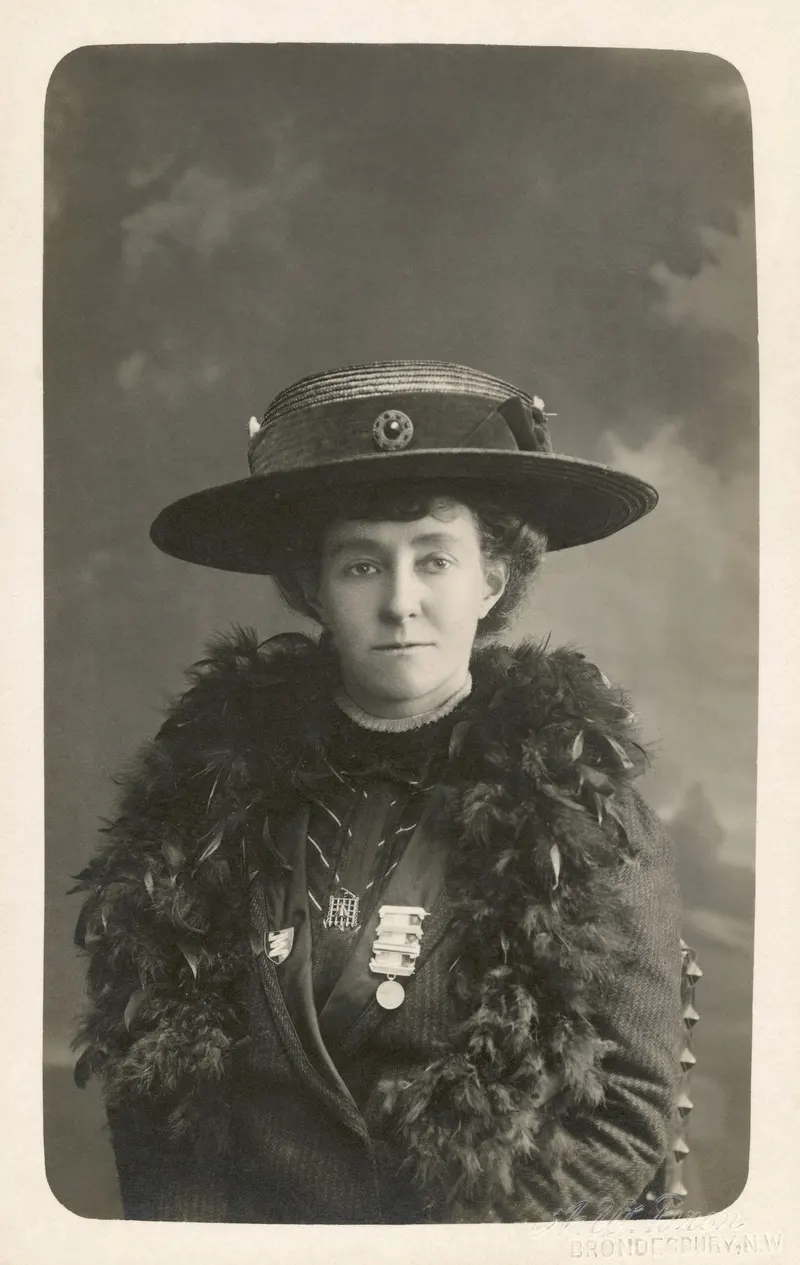
Photo: Andrew William Dron (1864-1935); Restored by Adam Cuerden, Public domain
-
10 Oct
1903 Emmeline Pankhurst founds the Women's Social and Political UnionEmmeline Pankhurst founded the Women's Social and Political Union (WSPU) to campaign for women's suffrage – the right to vote. From 1906 its members …
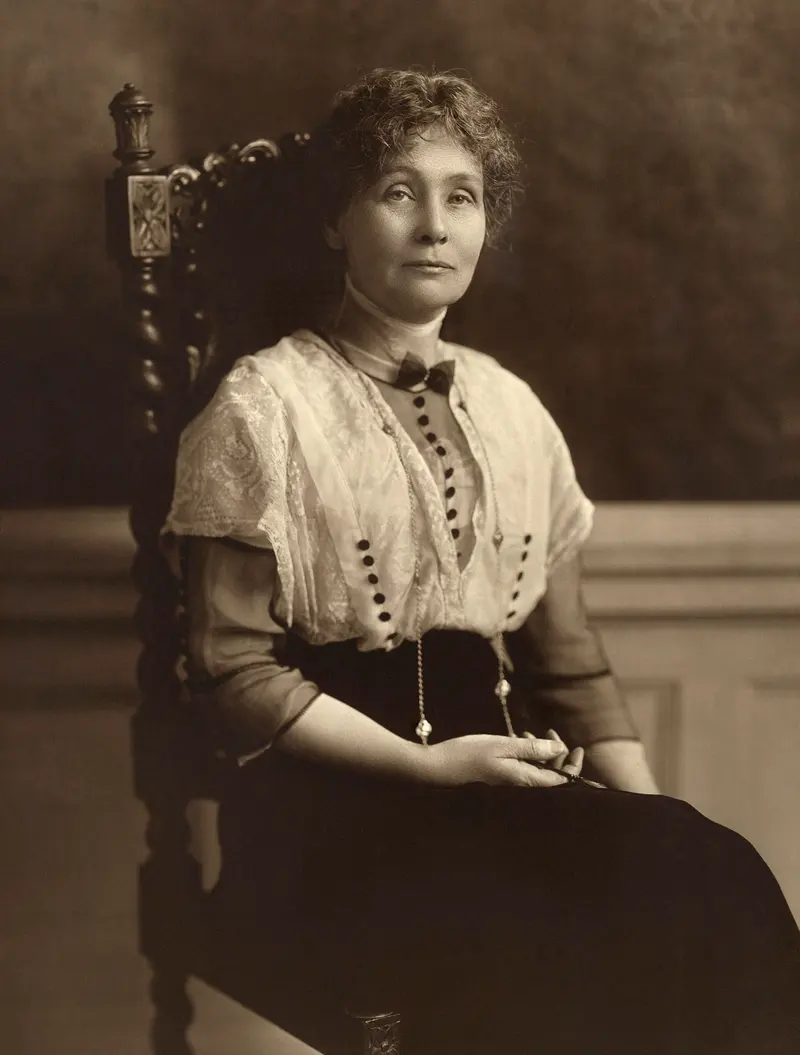
Photo: Adam Cuerden, Public domain
-
9 Feb
1907 Thousands of women join the Mud March for the right to voteMore than 3,000 women marched peacefully through London, from Hyde Park Corner to the Strand, to demand the right to vote. Women from all walks of li…
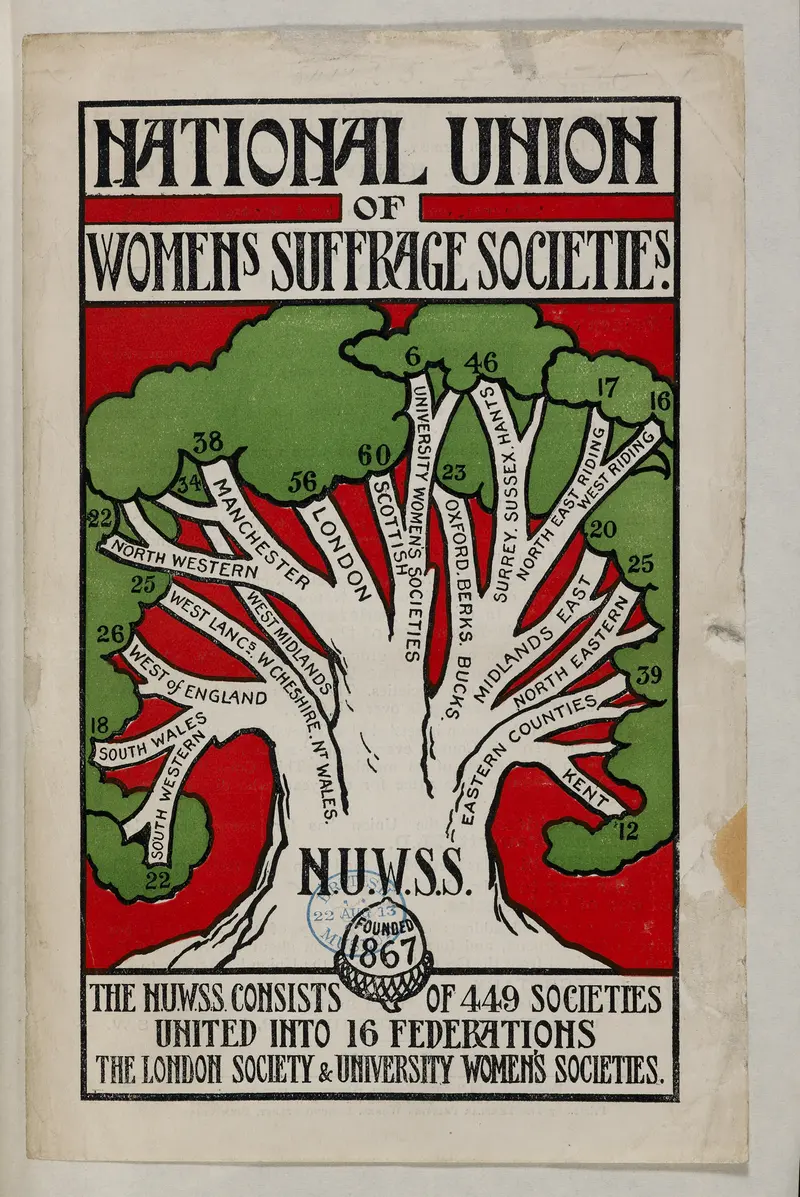
Photo: Unknown author, CC0
-
13 Oct
1908 Margaret Travers Symons is the first woman to speak in the CommonsSuffragette Margaret Travers Symons became the first woman to speak in the House of Commons. She slipped away from the person escorting her, went int…
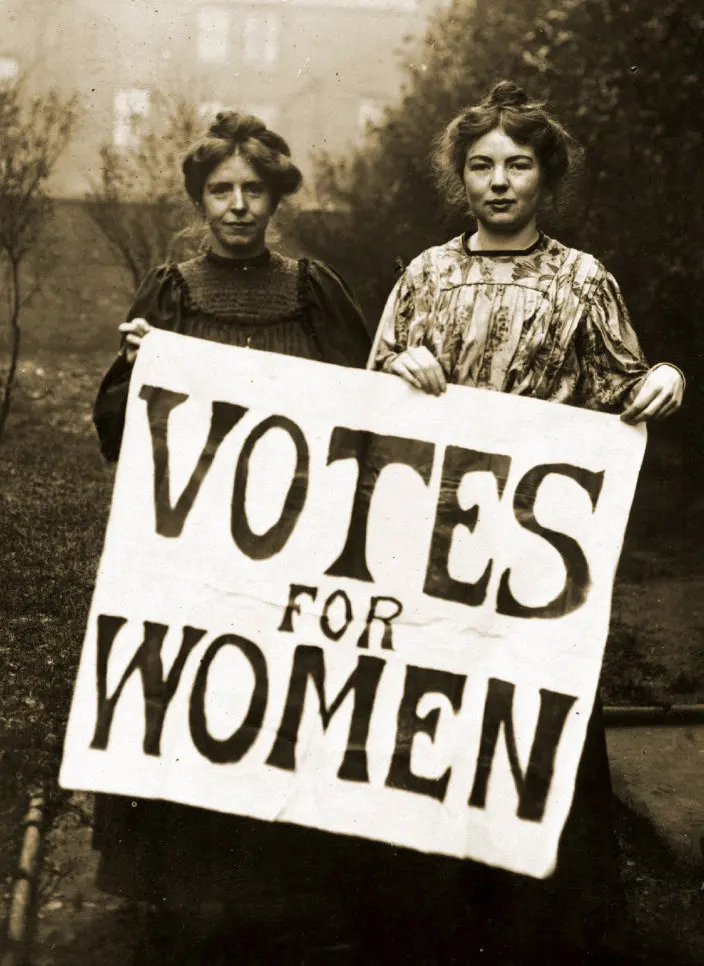
Photo: Unknown author, Public domain
-
18 Nov
1910 Suffragettes march on Parliament on 'Black Friday'About 300 suffragettes marched to the Houses of Parliament in London to demand the right for women to vote. They were angry that Prime Minister H. H.…
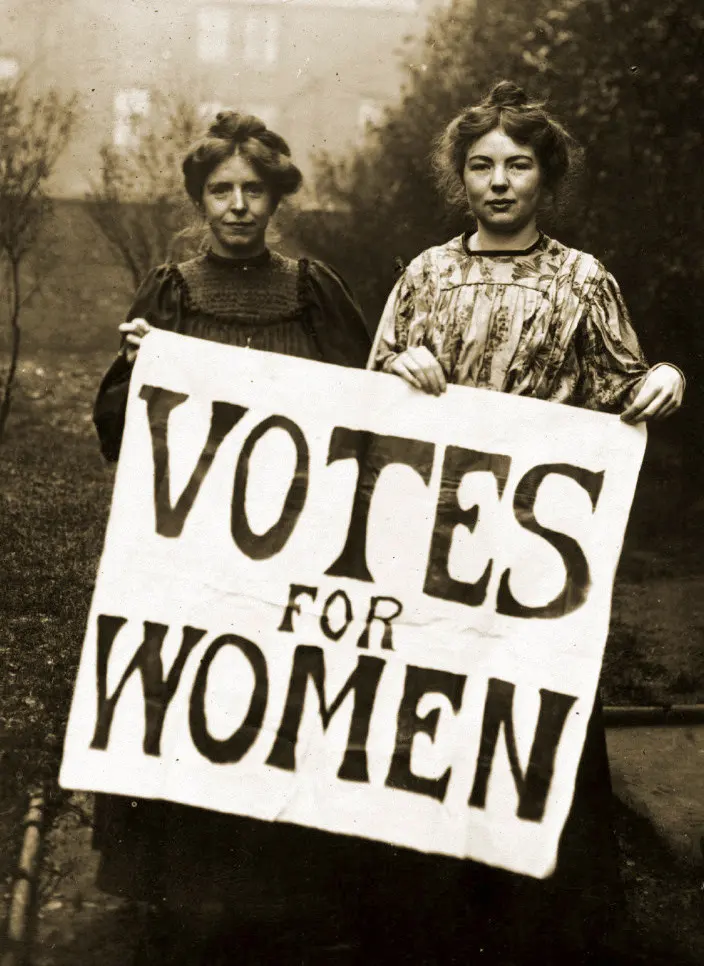
Photo: Unknown author, Public domain
- 14 Dec 1918 Women vote in a UK general election for the first timeA general election was held across the United Kingdom soon after the First World War ended. For the first time, women over 30 who met certain propert…
- 28 Dec 1918 Constance Markievicz becomes the first woman elected as an MPElection results showed that Constance Markievicz had become the first woman ever elected to the House of Commons. She won the seat of Dublin St Patr…
-
28 Nov
1919 Nancy Astor is elected, becoming the first woman to sit as an MPNancy Astor was elected as a Member of Parliament (MP). She became the first woman to take her seat in the House of Commons, and served as an MP unti…
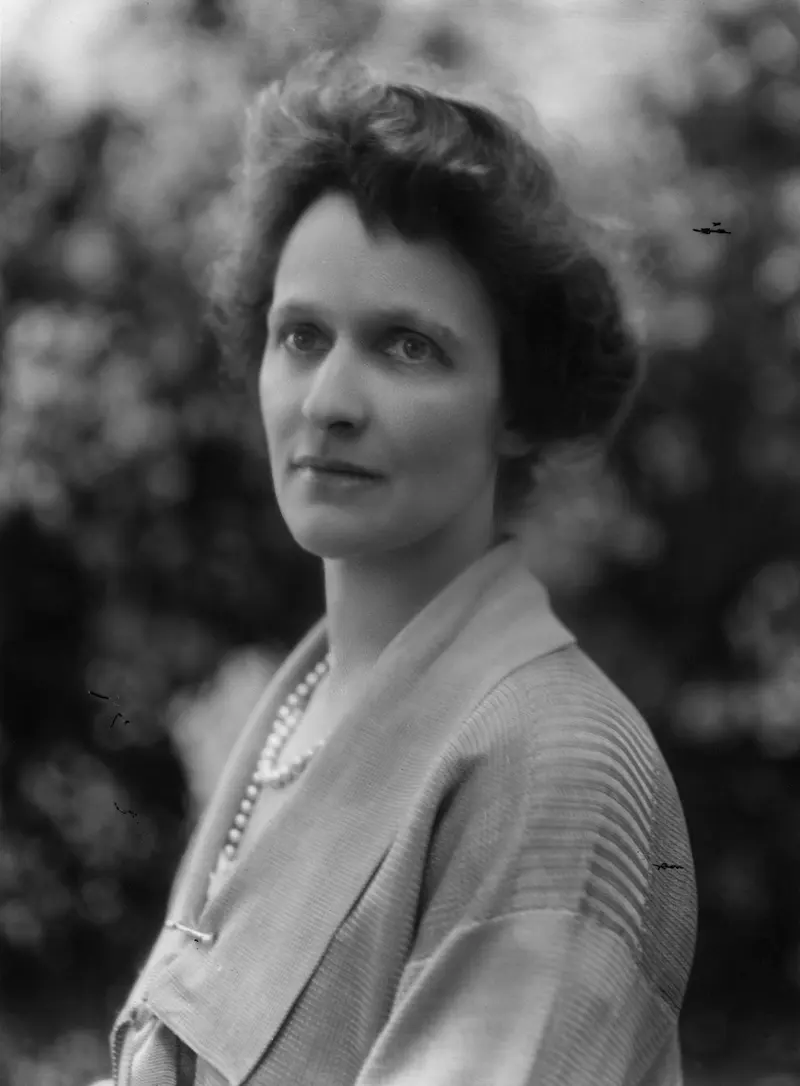
Photo: Bassano Ltd, Public domain
Try this
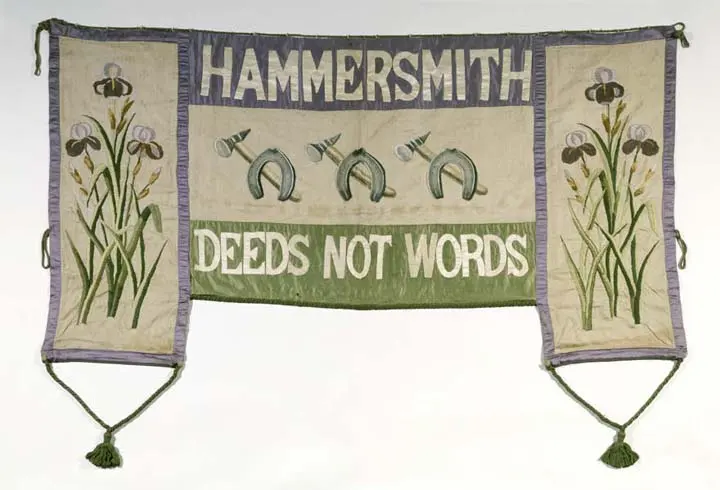
- Banner design. Suffragette banners used bold words and colours. Design a banner for something you think is important.
- How long ago? Take 1918 away from this year to work out how long women in the UK have been able to vote.
- Two ways. List the differences between the peaceful Mud March and the suffragettes' direct action. Talk about why people chose different ways to campaign.
You can find more stories about Parliament and laws on our government topic page.
Where our facts come from
Every story in this post comes from our calendar's day pages, which credit the Wikipedia articles they are based on. We checked the main dates against those articles on 23 November 2026.