Antarctica is the icy continent around the South Pole, the southernmost point on Earth. For a long time nobody even knew it was there. Then, over about 150 years, sailors and explorers pushed further and further south. Many of the biggest moments in this story happened in December, January and February, so this is a perfect time of year to explore it.
Is there a southern continent?
In the 1700s, people wondered whether a huge southern land, called Terra Australis, really existed. On 17 January 1773, Captain James Cook sailed HMS Resolution south of the Antarctic Circle. It was the first ship ever known to do so. He proved the land was not where people expected, but he predicted that there was land beyond the ice.
Land ahoy
Nearly fifty years later, three discoveries came close together.
- 19 February 1819. English sea captain William Smith, from Blyth in Northumberland, discovered the South Shetland Islands, just off Antarctica. Find out more on 19 February.
- 27 January 1820. A Russian expedition led by Fabian Gottlieb von Bellingshausen and Mikhail Lazarev came close to the coast of Antarctica, discovering the continent. See 27 January.
- 30 January 1820. Just three days later, Royal Navy officer Edward Bransfield sighted the northern tip of the Antarctic Peninsula and claimed the discovery of Antarctica. See 30 January.
Getting closer
Next came the time now called the 'Heroic Age' of Antarctic exploration, when explorers began to travel over the ice itself.
- On 16 February 1900, the Southern Cross Expedition, led by the Norwegian Carsten Borchgrevink, made the first ever landing on the Great Ice Barrier, a huge sheet of floating ice now called the Ross Ice Shelf.
- On 30 December 1902, Robert Falcon Scott, Edward Wilson and Ernest Shackleton set a new record for the farthest south. A few days earlier they had celebrated Christmas with a pudding that Shackleton had kept hidden with his socks.
- On 9 January 1909, Shackleton's team planted a flag about 180 kilometres from the South Pole. No one had ever been so far south.
The race
In January 1911 the Norwegian explorer Roald Amundsen reached Antarctica aboard his ship, the Fram. His team built a base hut called Framheim and relied on skis and sled dogs. A British team led by Captain Scott was in Antarctica too.
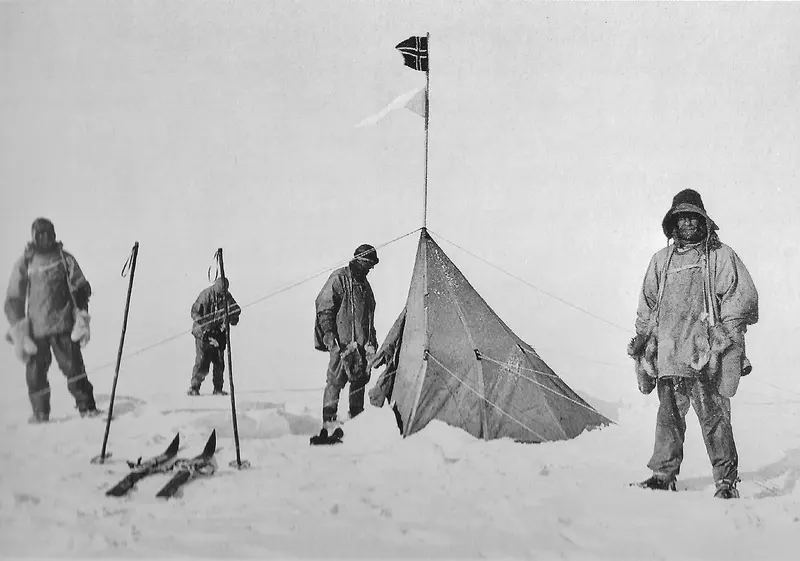
On 14 December 1911, Amundsen and four companions became the first people to reach the South Pole. They returned safely to their base.
On 17 January 1912, Scott and four companions reached the Pole too, only to discover that Amundsen's team had got there about five weeks earlier. Sadly, none of Scott's party survived the long journey back. Their journals and photographs were later found, and Scott's expedition had also carried out a large programme of scientific work.
After the Pole
The adventures didn't stop. On 5 December 1914, Shackleton set out on his Imperial Trans-Antarctic Expedition, hoping to make the first crossing of Antarctica over land. His ship, Endurance, was trapped in the ice and sank. The crew escaped, and Shackleton made a famous voyage in a small boat across stormy seas to South Georgia. On 29 November 1929, the American Richard E. Byrd led the first expedition to fly over the South Pole.
A continent for science
On 1 December 1959, twelve countries signed the Antarctic Treaty. It banned military activity in Antarctica and set the continent aside for science. Antarctica is the only continent on Earth with no native human population.
More polar stories
Here are more stories about Antarctica and the South Pole from our calendar, oldest first:
-
17 Jan
1773 Captain Cook's ship is the first to cross the Antarctic CircleOn his second great voyage, Captain James Cook sailed HMS Resolution south of the Antarctic Circle. It was the first ship ever known to do so. Cook h…
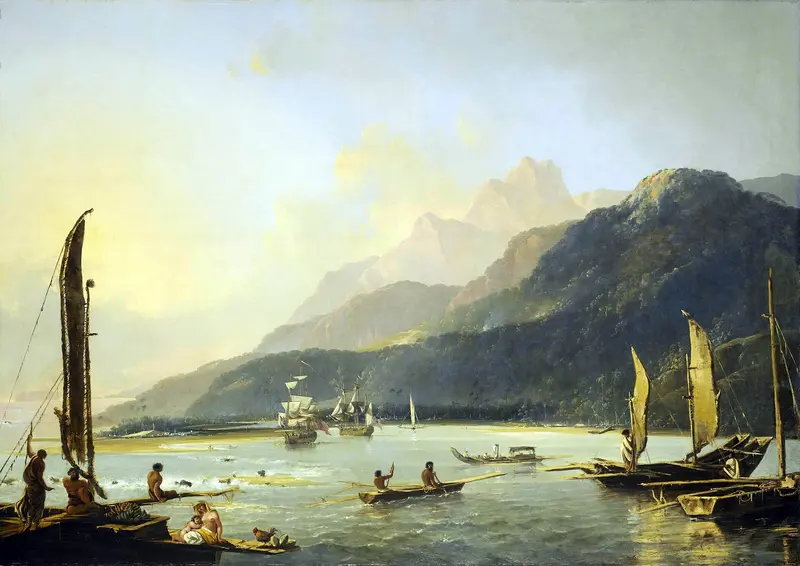
Photo: William Hodges, Public domain
-
19 Feb
1819 William Smith discovers the South Shetland Islands near AntarcticaEnglish sea captain William Smith, from Blyth in Northumberland, discovered the South Shetland Islands. These islands lie off Graham Land in Antarcti…
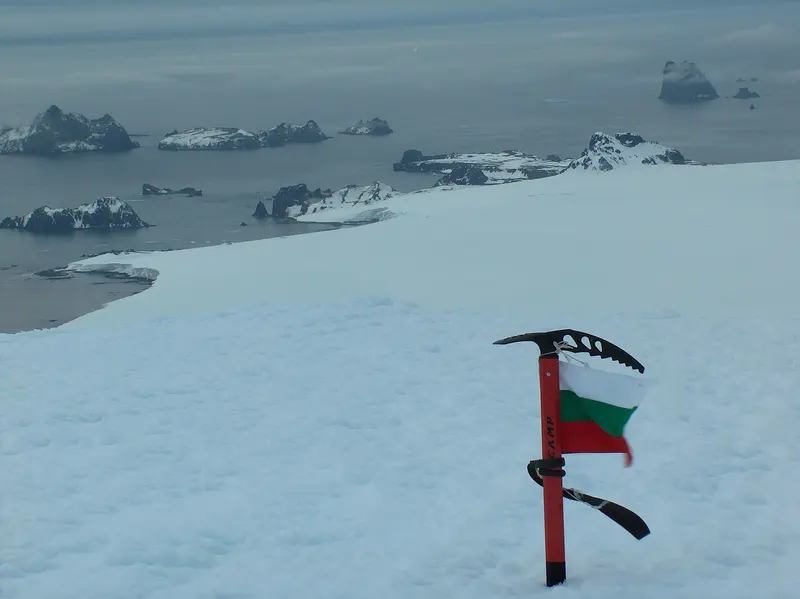
Photo: Apcbg, CC BY-SA 4.0
-
27 Jan
1820 A Russian expedition discovers the continent of AntarcticaA Russian expedition led by Fabian Gottlieb von Bellingshausen and Mikhail Lazarev came close to the coast of Antarctica, discovering the continent. …
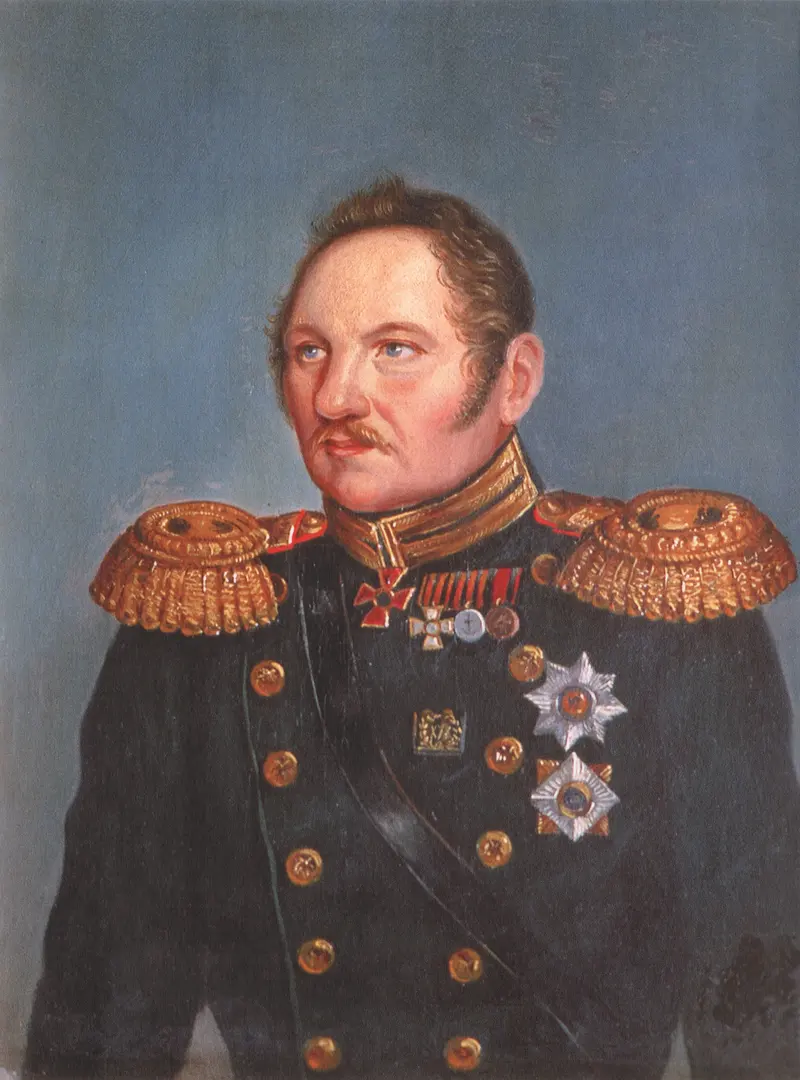
Photo: unidentified artist, Public domain
-
30 Jan
1820 Edward Bransfield sights Antarctica and claims its discoveryEdward Bransfield, a Royal Navy officer, sighted the Trinity Peninsula, the northernmost part of the Antarctic Peninsula. He claimed the discovery of…
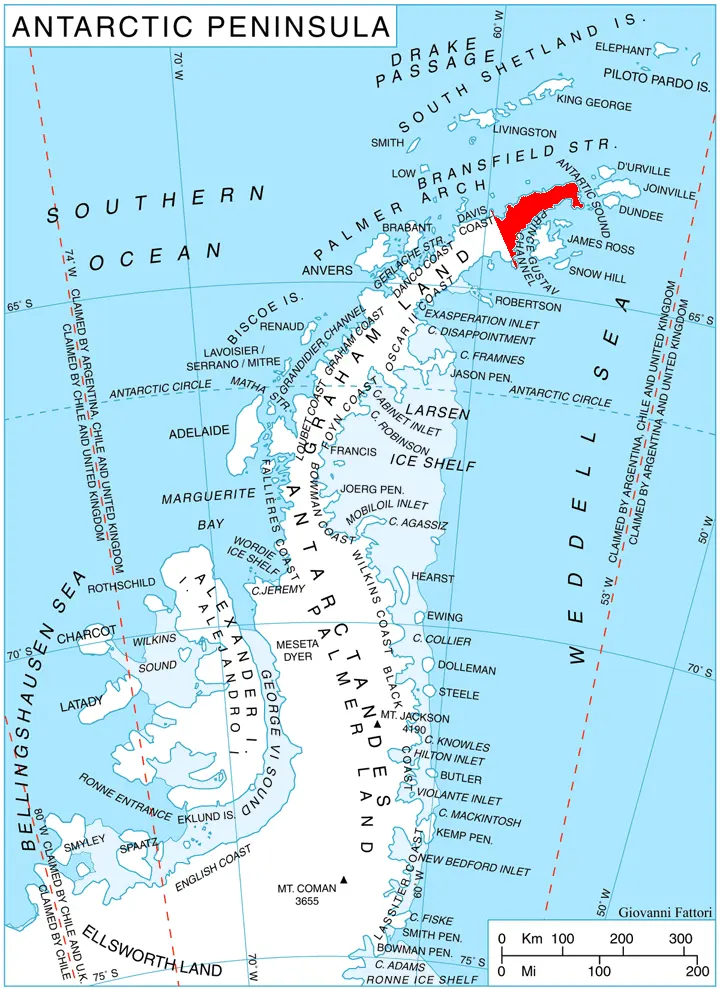
Photo: Edited by Apcbg, CC BY-SA 3.0
- 15 Feb 1874 Born: Ernest ShackletonSir Ernest Shackleton was an Anglo-Irish explorer who led three British expeditions to Antarctica. On a trip in 1907–1909, he and three companions go…
- 2 Jan 1886 Born: Apsley Cherry-GarrardApsley Cherry-Garrard was an English explorer of Antarctica, the frozen continent around the South Pole. He was a member of the Terra Nova Expedition…
-
16 Feb
1900 Explorers make the first landing on Antarctica's Great Ice BarrierThe Southern Cross Expedition, also called the British Antarctic Expedition, made the first ever landing on the Great Ice Barrier. This huge sheet of…
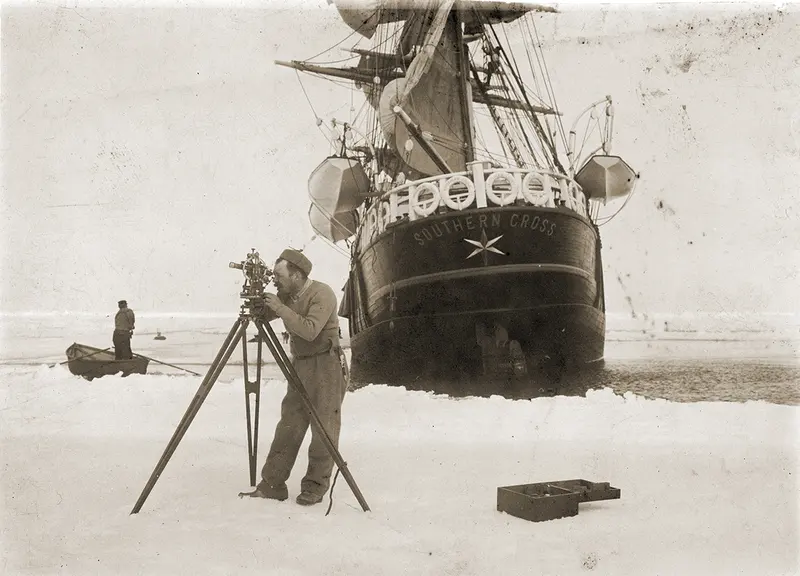
Photo: William Colbeck [Attributed], Public domain
-
30 Dec
1902 Scott, Wilson and Shackleton reach a new Farthest SouthRobert Falcon Scott, Edward Wilson and Ernest Shackleton reached 82°17′S in Antarctica, a new record for the farthest south. They were part of the Di…
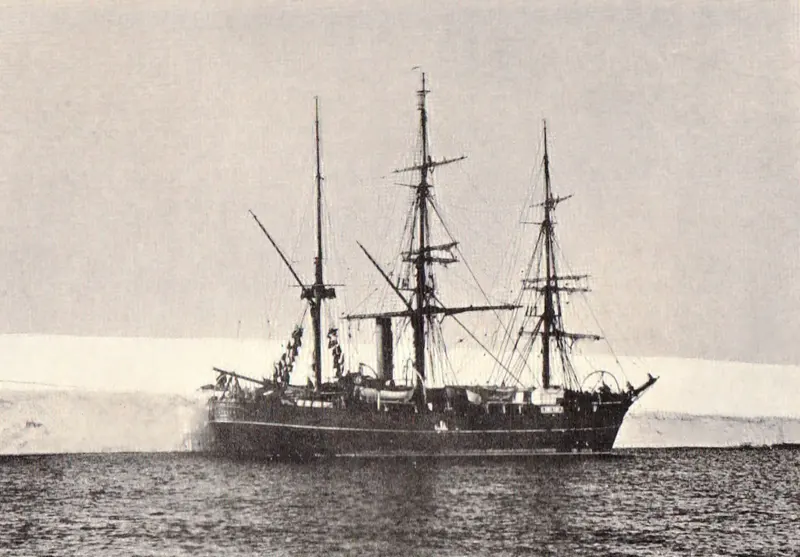
Photo: Public domain, Public domain
-
9 Jan
1909 Shackleton's team gets closer to the South Pole than anyone beforeDuring the Nimrod Expedition, Ernest Shackleton and his team planted the British flag about 180 kilometres from the South Pole. No one had ever been …
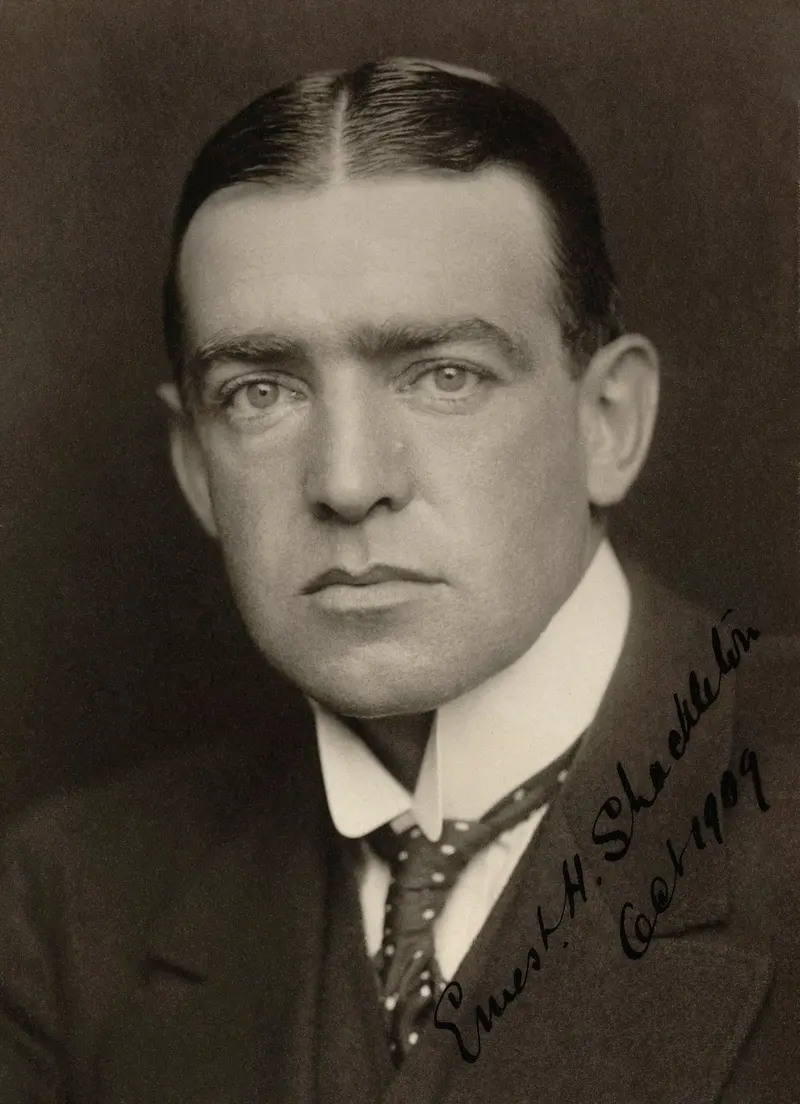
Photo: George Charles Beresford / Adam Cuerden, Public domain
- 16 Jan 1909 Shackleton's expedition reaches the South Magnetic PoleA team from Ernest Shackleton's British Antarctic Expedition reached the estimated position of the South Magnetic Pole. The team was led by geology p…
-
14 Jan
1911 Roald Amundsen's expedition reaches AntarcticaNorwegian explorer Roald Amundsen and his team reached the edge of the Ross Ice Shelf in Antarctica, aboard the ship Fram. They built their base hut,…
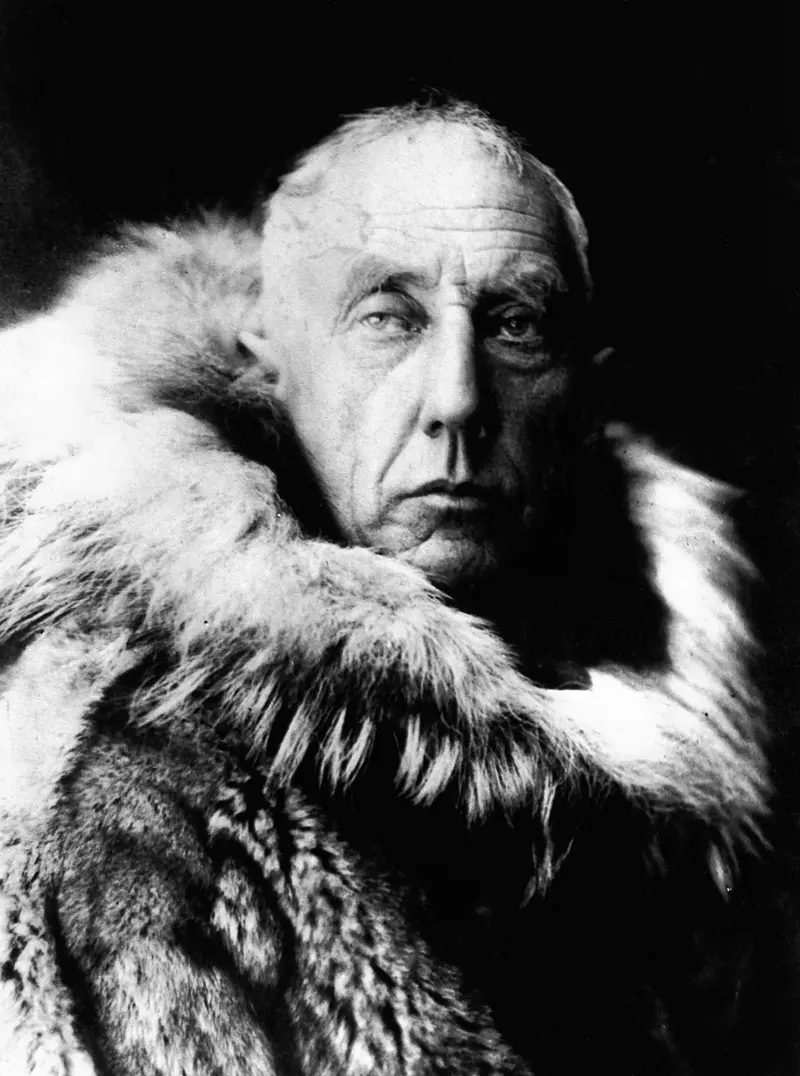
Photo: Anonymous, Public domain
-
14 Dec
1911 Roald Amundsen's team becomes the first to reach the South PoleNorwegian explorer Roald Amundsen and four companions became the first people to reach the South Pole. They got there five weeks before a British tea…
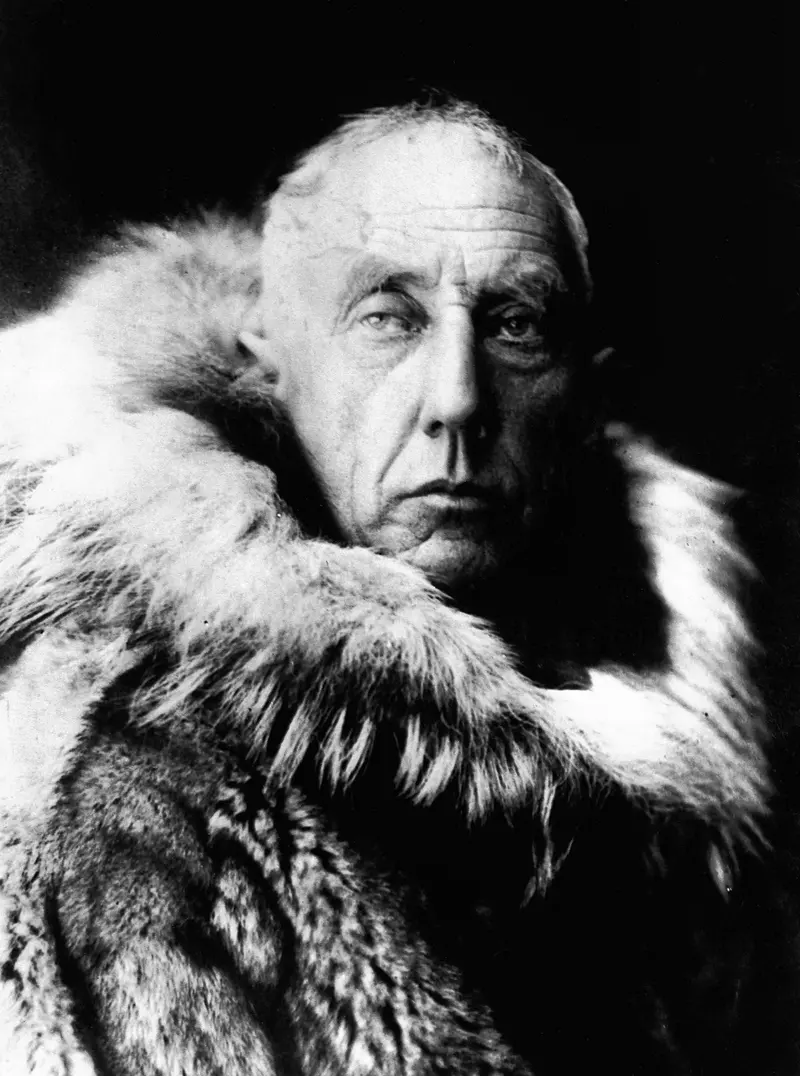
Photo: Anonymous, Public domain
-
17 Jan
1912 Captain Scott's team reaches the South PoleBritish explorer Captain Robert Falcon Scott and four companions reached the South Pole. There they discovered that a Norwegian team led by Roald Amu…
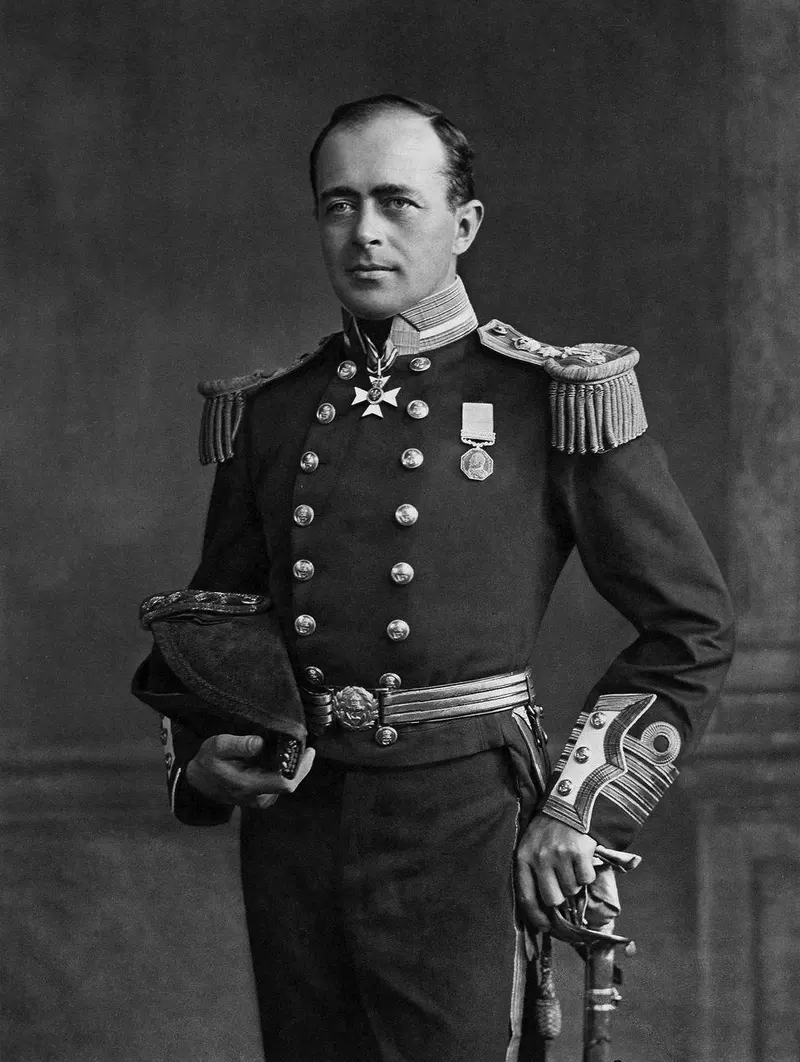
Photo: Henry Maull (1829–1914) and John Fox (1832–1907), Public domain
-
5 Dec
1914 Shackleton's Imperial Trans-Antarctic Expedition sets outSir Ernest Shackleton's Imperial Trans-Antarctic Expedition began. Its aim was to make the first crossing of Antarctica over land. The expedition did…
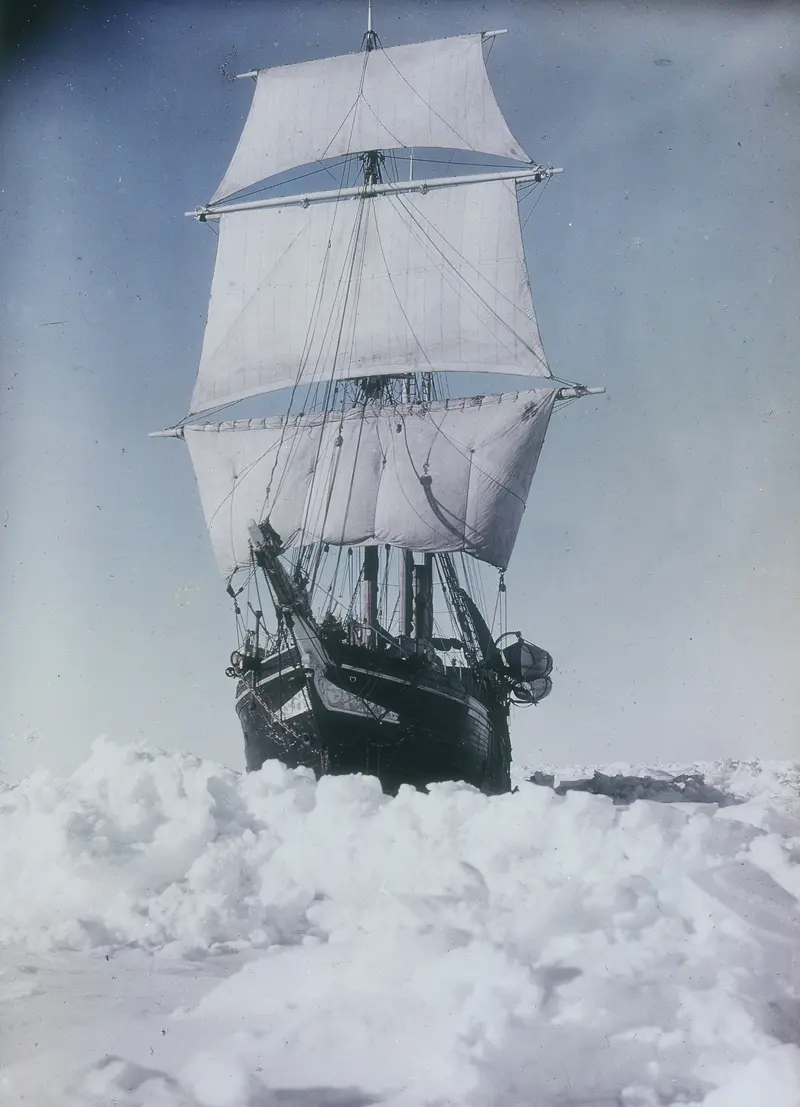
Photo: Frank Hurley, Public domain
- 10 Jan 1917 The Ross Sea party is rescued in AntarcticaSeven men of the Ross Sea party were rescued after being stranded in Antarctica for several months. They were part of Ernest Shackleton's Imperial Tr…
- 8 Dec 2013 Metallica becomes the first band to play on all seven continentsThe American heavy metal band Metallica played a concert in Antarctica. It made them the first band to perform on all seven continents. The show, cal…
You can find more brave journeys on our exploration topic page.
Try this
- Put it in order. Write the dates in this post on cards, shuffle them, and put them back in order.
- How long ago? Take 1911 away from this year to work out how long ago Amundsen reached the Pole.
- Map it. Find Antarctica, the South Shetland Islands and South Georgia on a globe or atlas.
Where our facts come from
Every story in this post comes from our calendar's day pages, which credit the Wikipedia articles they are based on. We checked the main dates against those articles on 23 November 2026.