A Day in the Past

On this day: 16 February

115 things happened on 16 February, from 1249 to 2024. UK stories come first, then the rest of the world.

Printable worksheet Take the quiz

Did you know?

In the UK 7

UK history first: stories from England, Scotland, Wales and Northern Ireland.

1646 380 years ago

UK story

Parliament's army wins the Battle of Torrington in Devon

At Torrington in Devon, Sir Thomas Fairfax led the Parliamentarian army to victory over the Royalists, who fought for the king. The fighting went on into the night, in heavy rain. The battle ended Royalist resistance in the West Country and was the last major battle of the First English Civil War. Each February, the town remembers it with a torch-lit procession.

1742 284 years ago

UK story

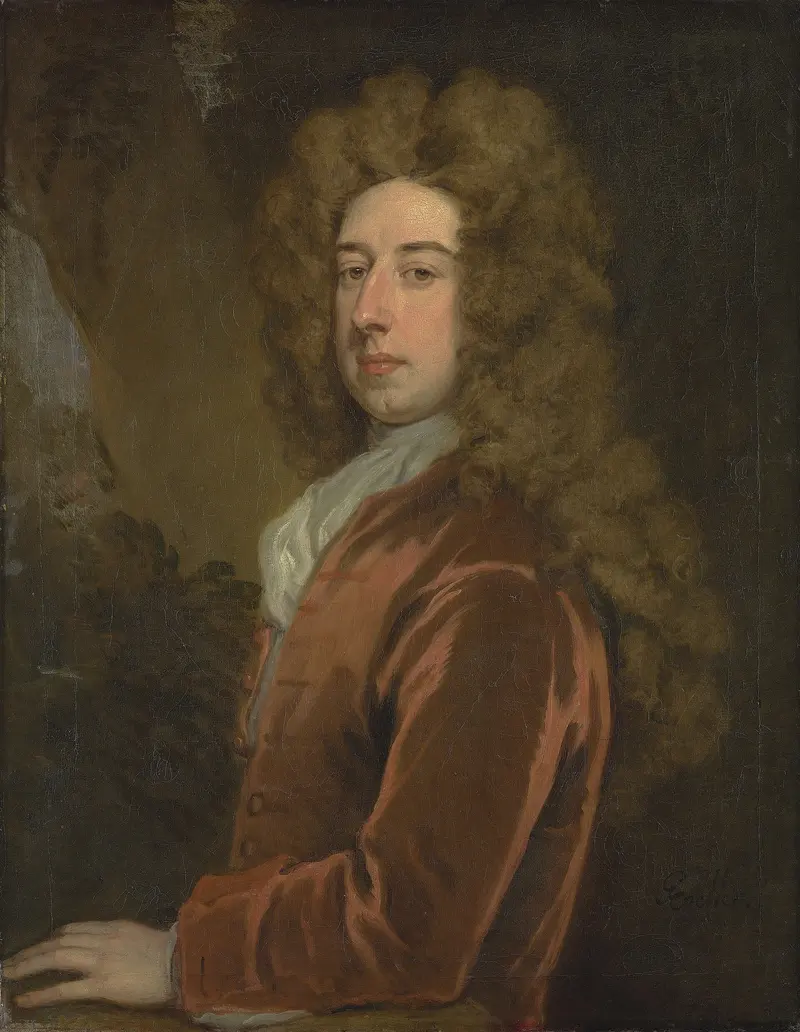
Spencer Compton becomes Britain's second prime minister

Spencer Compton, Earl of Wilmington, became Prime Minister of Great Britain. He is thought of as the country's second prime minister, after Sir Robert Walpole. He is one of only three people in British history to have been both Speaker of the House of Commons and Prime Minister. He stayed in the job until he died in 1743.

Painted portrait of Spencer Compton wearing a long curly wig and a red velvet coat
Spencer Compton, painted by Godfrey Kneller Photo: Godfrey Kneller, Public domain
1900 126 years ago

UK story

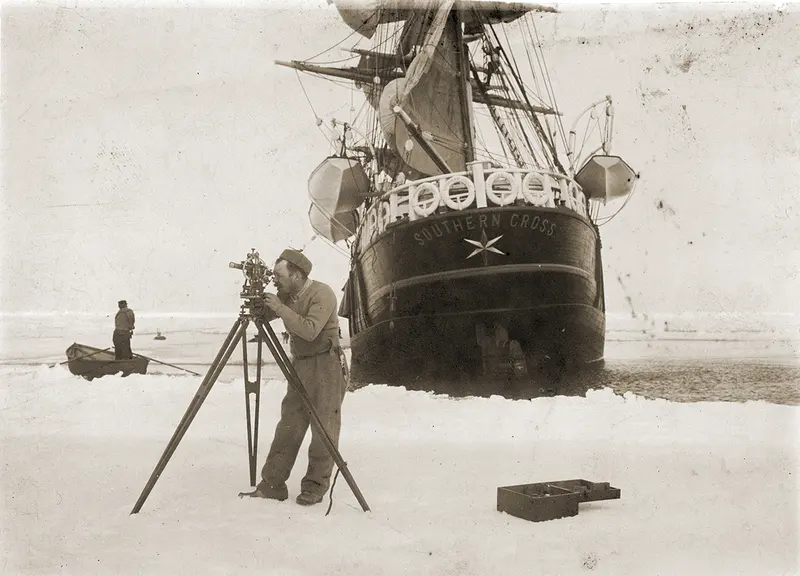
Explorers make the first landing on Antarctica's Great Ice Barrier

The Southern Cross Expedition, also called the British Antarctic Expedition, made the first ever landing on the Great Ice Barrier. This huge sheet of floating ice is now called the Ross Ice Shelf. The explorers, led by the Norwegian Carsten Borchgrevink, also set a new record for travelling furthest south. They were the first to spend the winter on the Antarctic mainland and pioneered the use of dogs and sledges there.

Old sepia photo of an explorer using a surveying instrument on a tripod on the ice, with a sailing ship behind him
Carsten Borchgrevink using a theodolite on the ice in Antarctica, with the expedition ship Southern Cross, 1899 Photo: William Colbeck [Attributed], Public domain
1923 103 years ago

UK story

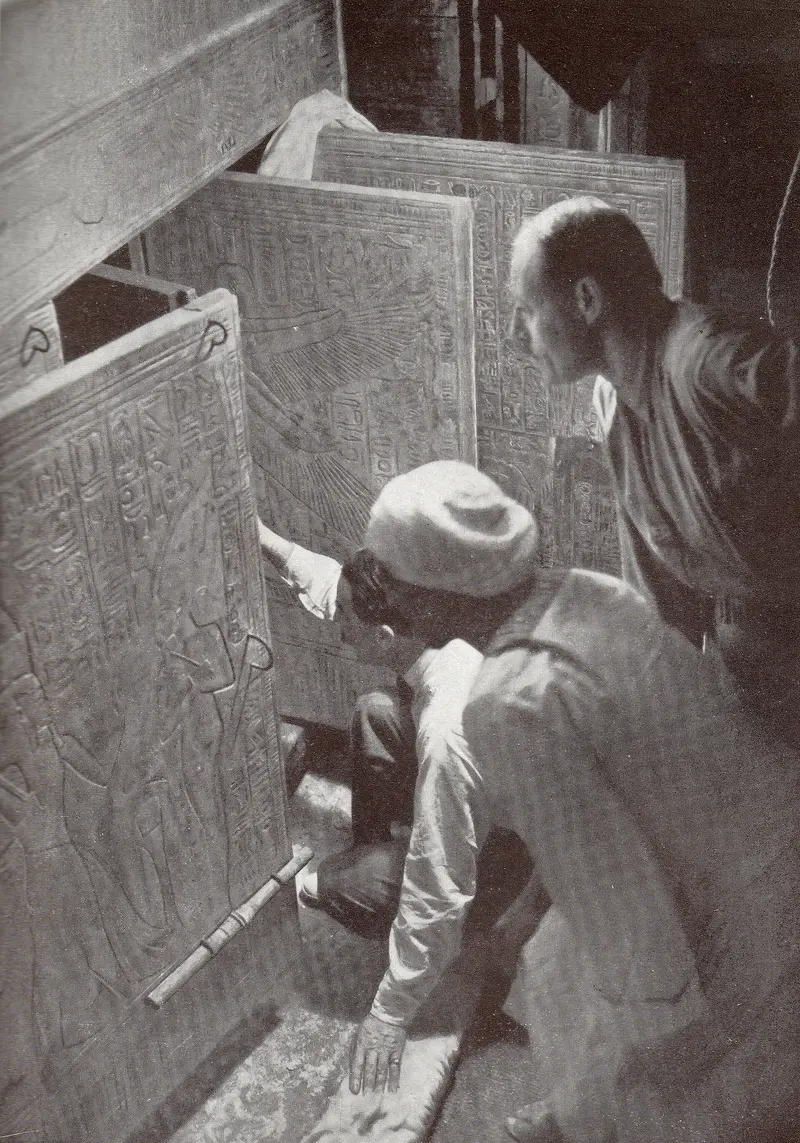
Howard Carter opens the burial chamber of Tutankhamun

British archaeologist Howard Carter unsealed the burial chamber in the tomb of the pharaoh Tutankhamun in Egypt's Valley of the Kings. Carter had discovered the tomb in November 1922, and it is the best-preserved pharaoh's tomb ever found. Most of the chamber was filled by a gilded wooden shrine. Inside it, nested shrines surrounded a stone sarcophagus holding three coffins, one inside another.

Black-and-white photo of Howard Carter kneeling to look through the open doors of a large carved golden shrine, with two men beside him
Howard Carter (kneeling), an Egyptian workman and Arthur Callender at the doors of the burial shrines in Tutankhamun's tomb, photographed by Harry Burton Photo: Harry Burton, Public domain
1940 86 years ago

UK story

HMS Cossack rescues 299 British prisoners from the Altmark

During the Second World War, the German tanker Altmark was carrying 299 captured British sailors back to Germany. The British destroyer HMS Cossack, captained by Philip Vian, followed it into a fjord in Norway. Its sailors boarded the tanker and freed all the prisoners. One prisoner remembered the rescuers shouting 'the Navy's here!', a phrase that became famous across Britain.

Around the world 30

1859 167 years ago

France sets the first official pitch for tuning musical instruments

The French government passed a law saying that the musical note A above middle C should be 435 hertz. Hertz measures how many times something vibrates each second. This was the first attempt to set a standard concert pitch, the note that musicians tune their instruments to. The international standard now used is slightly higher, at 440 hertz.

1937 89 years ago

Wallace Carothers gets a patent for nylon

American chemist Wallace Carothers received a United States patent for nylon. He led a team of chemists at the company DuPont and is credited with inventing it. Nylon is a synthetic, or human-made, material that can be made into fibres, films and many other shapes. It is used in clothes, carpets, car parts and food packaging.

1968 58 years ago

The first 911 emergency phone system starts in the USA

The first 9-1-1 emergency telephone system began working in Haleyville, Alabama, in the United States. Now 911 is the emergency number for the whole of the United States and Canada. Dialling it connects people to an emergency office, which can send help to where they are. Almost everywhere in the USA, the system can automatically find the caller's address.

2005 21 years ago

The Kyoto Protocol on climate change comes into force

The Kyoto Protocol came into force after Russia agreed to it. It is an international treaty in which countries committed to cutting the greenhouse gases that cause global warming. It had been agreed in Kyoto, Japan, in 1997. It was based on scientists' agreement that the world is warming and that carbon dioxide made by humans is causing it.

2021 5 years ago

Five thousand people gathered in the town of Kherrata, Bejaia Province to mark the second anniversary of the Hirak protest movement. Demonstrations had been suspended because of the COVID-19 pandemic in Algeria.

Quick quiz

Every answer is somewhere on this page. Have a go, then check!

  1. In which year did this happen: “Explorers make the first landing on Antarctica's Great Ice Barrier”?

    1. 1900
    2. 1859
    3. 1968
    Show the answer

    A: 1900. 1900 — that’s 126 years ago. Find it on the page

  2. In which year did this happen: “Howard Carter opens the burial chamber of Tutankhamun”?

    1. 1923
    2. 2005
    3. 1906
    Show the answer

    A: 1923. 1923 — that’s 103 years ago. Find it on the page

  3. Which of these happened first?

    1. Explorers make the first landing on Antarctica's Great Ice Barrier
    2. Howard Carter opens the burial chamber of Tutankhamun
    3. Spencer Compton becomes Britain's second prime minister
    Show the answer

    C: Spencer Compton becomes Britain's second prime minister. 1900: Explorers make the first landing on Antarctica's Great Ice Barrier · 1923: Howard Carter opens the burial chamber of Tutankhamun · 1742: Spencer Compton becomes Britain's second prime minister Find it on the page

  4. “Spencer Compton becomes Britain's second prime minister” happened in 1742. How many years ago was that?

    1. 284 years
    2. 294 years
    3. 274 years
    Show the answer

    A: 284 years. 2026 − 1742 = 284. Find it on the page

Born on this day 38

Famous people whose birthday is 16 February.

Remembering 17

Well-known people who died on 16 February.

Special days 9

Festivals, holidays and saints’ days celebrated on 16 February somewhere in the world.

For older readers 14 Show stories about war, disasters, crime and other difficult history

Content note: these entries mention things like war, violence, deaths, disasters or crime. They are part of history, but they can be upsetting. Grown-ups and teachers: you may want to read them first. They come straight from Wikipedia and have not been rewritten for children.

Where these facts come from

Stories with a heading have been written for young readers by A Day in the Past, using the linked articles as sources. Other entries show text from Wikipedia’s “February 16” page and its “On this day” feed, written by Wikipedia contributors and shared under the Creative Commons Attribution-ShareAlike 4.0 licence. Each “Read more” link goes to the article an entry is based on. Photos are credited under each picture. Spotted a mistake? Please tell us.