History doesn’t need a whole afternoon. Five minutes at the start of a lesson is enough to meet a queen, a comet or an inventor, and to get everyone thinking about time. A Day in the Past is designed for Key Stage 2 and Key Stage 3, and for curious families at home. These starters work with any day of the year.
Five starters that need no preparation
1. Today in history
Put today’s page on the board and read the “Did you know?” story together. Then ask one question: what surprised you most?
2. How long ago?
Pick an event and ask pupils to work out how many years ago it happened. It is a quick subtraction warm-up with real dates. Each day page also has a “How long ago?” panel. It imagines a time machine that zooms back one year every second, and shows how long each trip would take.
3. Put them in order
Choose four events from the day and ask the class to arrange them on a timeline. Mix old and new stories so that the gaps between them are easy to argue about.
4. UK and the world
Day pages list UK stories first, then stories from around the world. Compare what was happening in the UK with what was happening elsewhere in the same century.
5. Birthday detectives
Pupils look up their own birthday and find someone famous who shares it. Our post on famous birthdays in history shows how.
This week’s stories
This list updates itself every day. It shows the top story from our calendar for each of the next seven days, so you can plan a week of starters at a glance. Tap a story to open its day.
-
20 Nov
1947 Princess Elizabeth marries Philip MountbattenPrincess Elizabeth, the elder daughter of King George VI, married Lieutenant Philip Mountbatten at Westminster Abbey in London. Philip had been born …
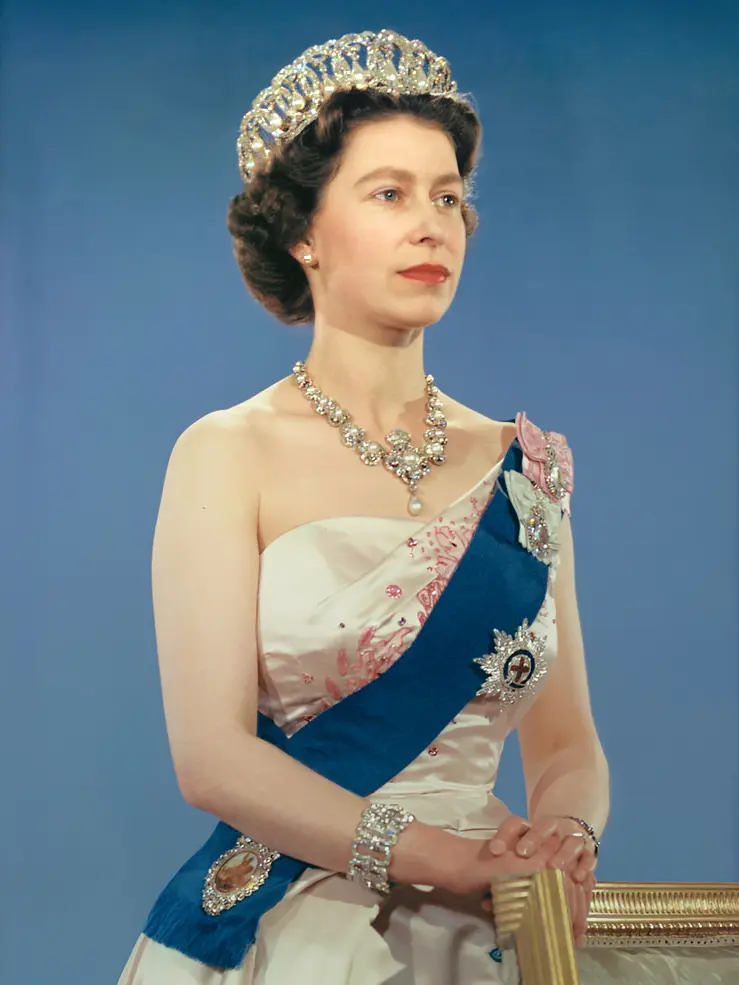
Photo: Donald McKague, Public domain
-
21 Nov
1620 Mayflower passengers sign the Mayflower CompactWhile the Mayflower was anchored in what is now Provincetown Harbor, in Massachusetts, 41 of its passengers signed the Mayflower Compact. This agreem…
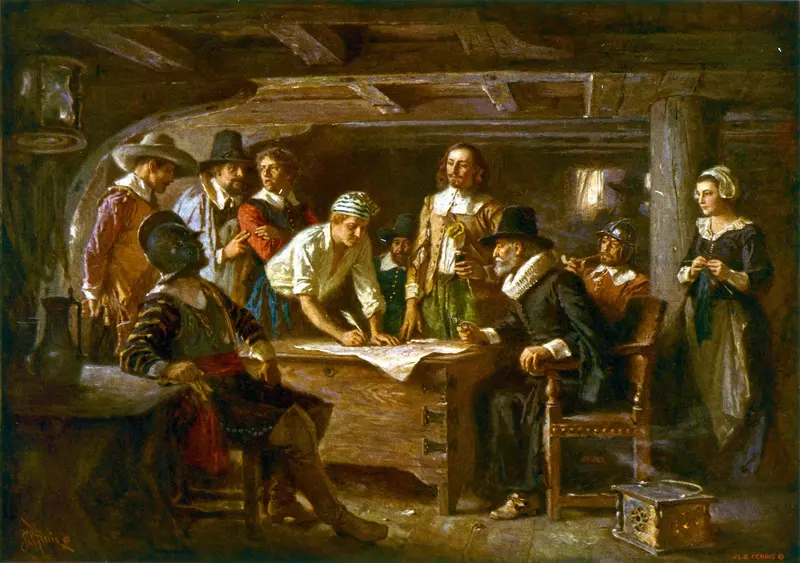
Photo: Jean Leon Gerome Ferris, Public domain
-
22 Nov
1819 Born: George EliotGeorge Eliot was the pen name of Mary Ann Evans, one of the leading writers of the Victorian era. A pen name is a made-up name that an author writes …
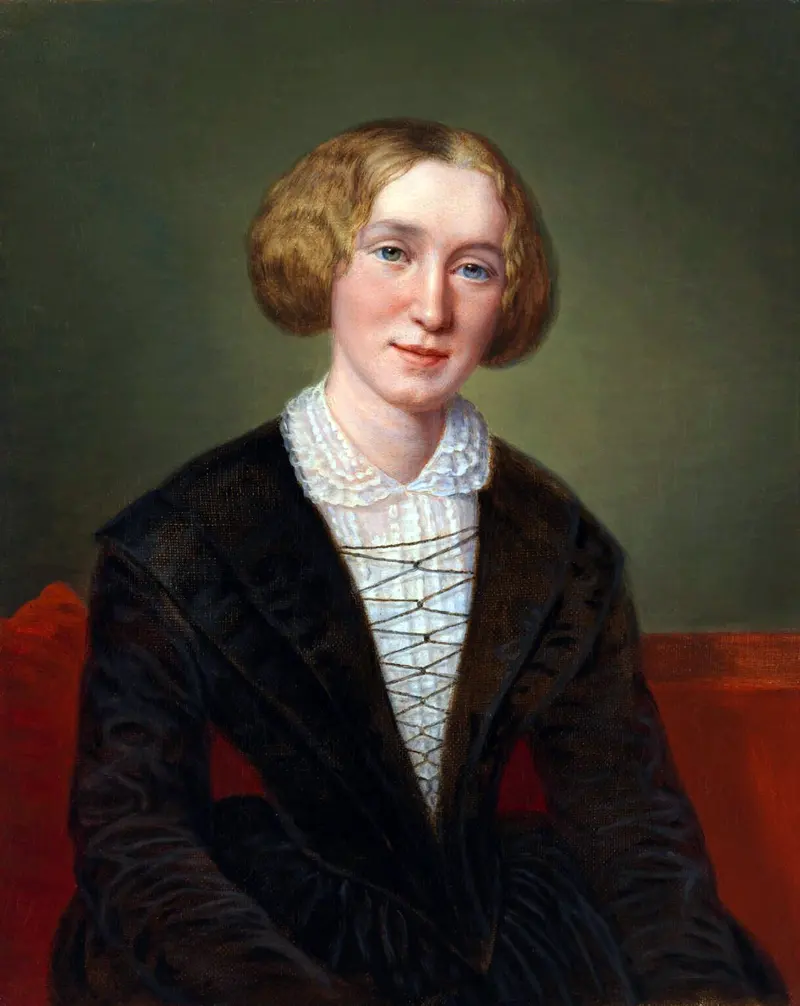
Photo: replica by François D’Albert Durade (1804–1886), Public domain
-
23 Nov
1887 Born: Henry MoseleyHenry Moseley was an English physicist, born in Weymouth in Dorset. By studying the X-rays given off by different elements, he showed that each eleme…
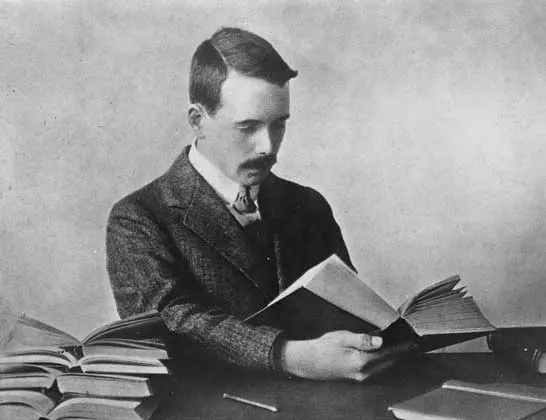
Photo: AIP Emilio Segre Visual Archives, W. F. Meggers Gallery of Nobel Laureates, Public domain
-
24 Nov
1859 Charles Darwin's On the Origin of Species is publishedCharles Darwin's book On the Origin of Species was published, and the first copies sold out on the very first day. In it, Darwin explained his theory…
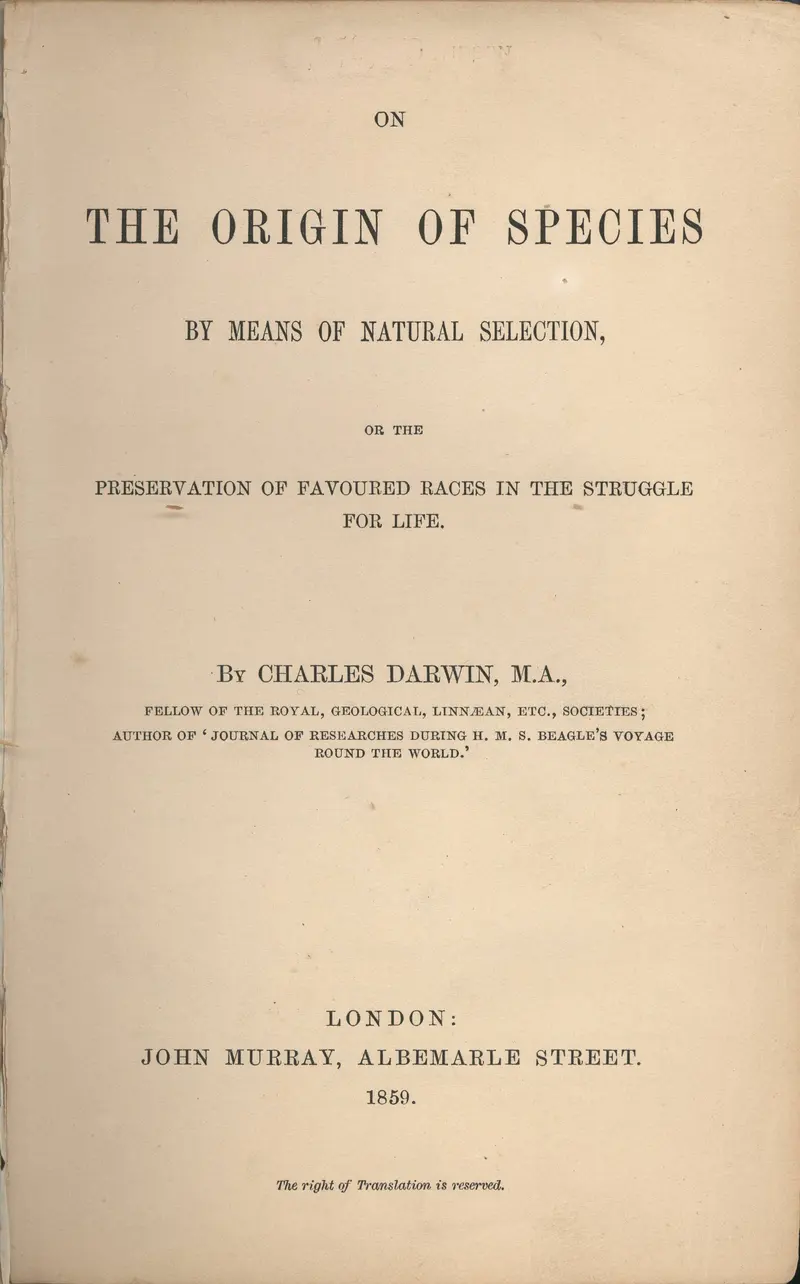
Photo: John Murray, Publisher, Public domain
-
25 Nov
1952 Agatha Christie's play The Mousetrap opens in LondonThe Mousetrap, a mystery play by Agatha Christie, opened at the Ambassadors Theatre in London's West End, after a first performance in Nottingham. It…
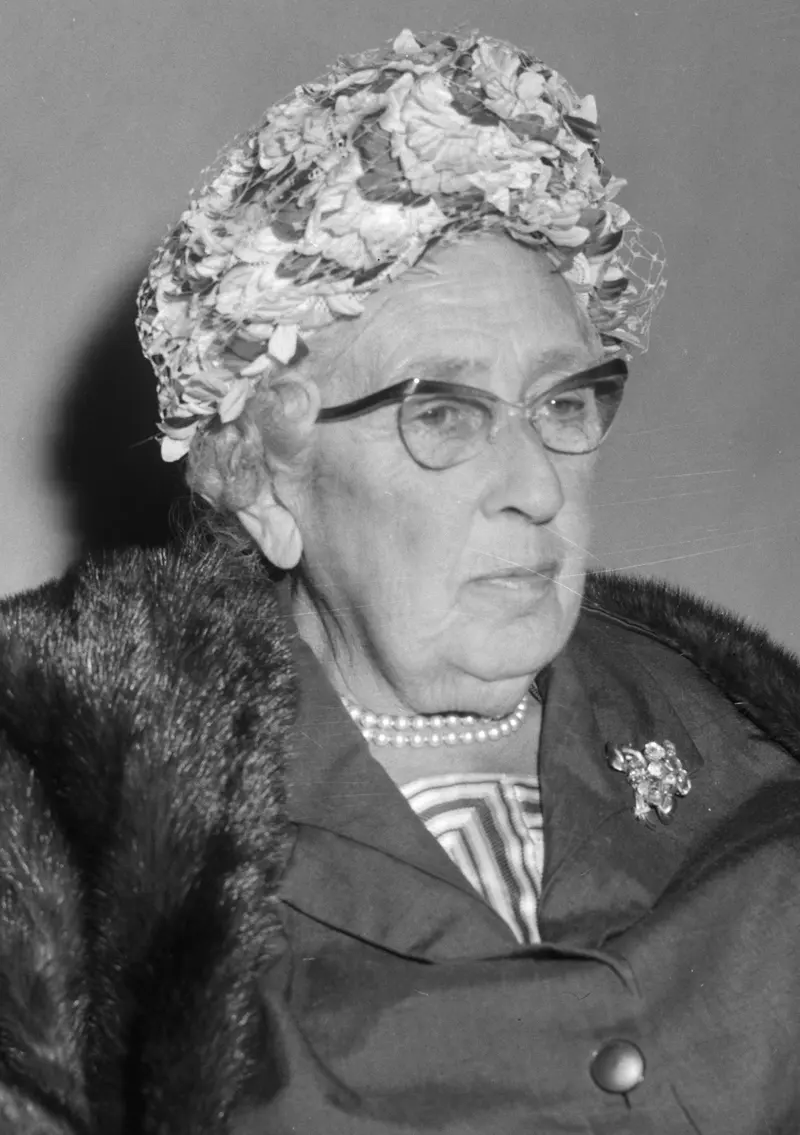
Photo: Joop van Bilsen for Anefo, CC0
-
26 Nov
2003 Concorde makes its final flight, over BristolConcorde, the supersonic airliner built jointly by Britain and France, made its final flight, over Bristol in England. Supersonic means faster than t…

Photo: Eduard Marmet, CC BY-SA 3.0
A worksheet for every day
Every day of the year has a one-page printable worksheet. Each one has:
- a list of events from that day
- a “how long ago?” table
- a timeline-ordering task
- a quick quiz
- a drawing box
- answers at the bottom.
Try today’s page and choose Printable worksheet, or open any day in the calendar. You are welcome to print copies for your class or family.
A note on difficult history
History includes wars, disasters and crimes. Stories that mention war, violence, deaths, disasters or crime never appear in the calendar grid, and they are never shown in the lists on this blog. On day pages they sit in a closed “For older readers” section with a content note. We recommend reading that section yourself before sharing it with a class. The sorting starts with an automatic check, so it isn’t perfect. If something looks as if it is in the wrong place, please tell us.
Planning ahead
The home page is a six-week planner: this week and the next five, Monday to Sunday. Each day shows its top stories, with UK history first. The topics page gathers our written-up stories under explorer badges such as kings and queens, space and inventions, which can be useful for topic work.
Special days make good assembly themes. Here are the ones coming up in the next four weeks.
There is more about using the site in class on our page for teachers and parents.