A Day in the Past

On this day: 29 February

97 things happened on 29 February, from AD 468 to 2024. UK stories come first, then the rest of the world.

Printable worksheet Take the quiz

Did you know?

In the UK 3

UK history first: stories from England, Scotland, Wales and Northern Ireland.

1796 230 years ago

UK story

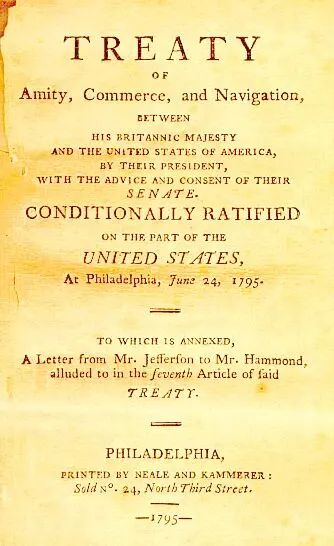
The Jay Treaty between Britain and the United States comes into force

The Jay Treaty between Great Britain and the United States came into force. Signed in 1794, it helped the two countries avoid war and settled problems left over from the end of the American War of Independence. Britain agreed to leave its forts on US land, most of them around the Great Lakes. The treaty led to ten years of peaceful trade between the two nations.

Yellowed old printed title page reading Treaty of Amity, Commerce, and Navigation, printed in Philadelphia in 1795
A 1795 pamphlet printing the text of the Jay Treaty Photo: Public domain, Public domain

Around the world 32

1504 522 years ago

Columbus uses a lunar eclipse to get food on Jamaica

Explorer Christopher Columbus and his hungry crew were stranded on Jamaica, and local people had stopped bringing them food. Using a book of astronomy tables, Columbus knew a total eclipse of the Moon was coming. He warned that God was angry and would make the rising Moon look 'inflamed with wrath'. When the Moon turned red that evening, the frightened islanders brought supplies again.

1712 314 years ago

Sweden has a 30 February

Sweden's calendar had a 30 February. In 1700 Sweden began changing to the new Gregorian calendar slowly by skipping leap days, but a war stopped the plan. This left Swedish dates out of step with both the old and the new calendars. To go back to the old Julian calendar, King Charles XII ordered an extra day in 1712, so February had 30 days and the year had 367.

1940 86 years ago

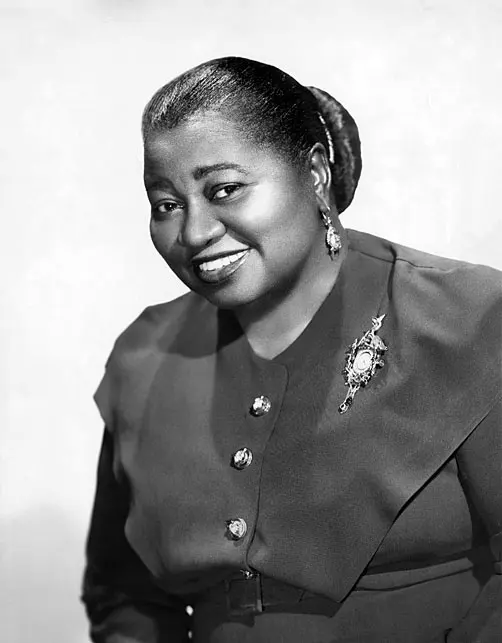
Hattie McDaniel becomes the first African American to win an Oscar

At the 12th Academy Awards in Los Angeles, Hattie McDaniel won the Oscar for Best Supporting Actress for her role as Mammy in the film Gone with the Wind. She became the first African American to win an Oscar. McDaniel was also a singer-songwriter and comedian. In 2006 she became the first Black Oscar winner to be honoured with a US postage stamp.

Black-and-white studio photo of a smiling Hattie McDaniel wearing a brooch and earrings
A promotional photograph of the actor Hattie McDaniel from 1939 Photo: Unknown author, Public domain
1980 46 years ago

A newspaper that only appears on 29 February is first printed

The first issue of La Bougie du Sapeur, a funny French newspaper, was printed. It is only published on leap day, 29 February, so a new issue comes out just once every four years. That makes it the world's least frequently published newspaper. Its editor-in-chief, Jean d'Indy, has helped to produce it since 1992.

1988 38 years ago

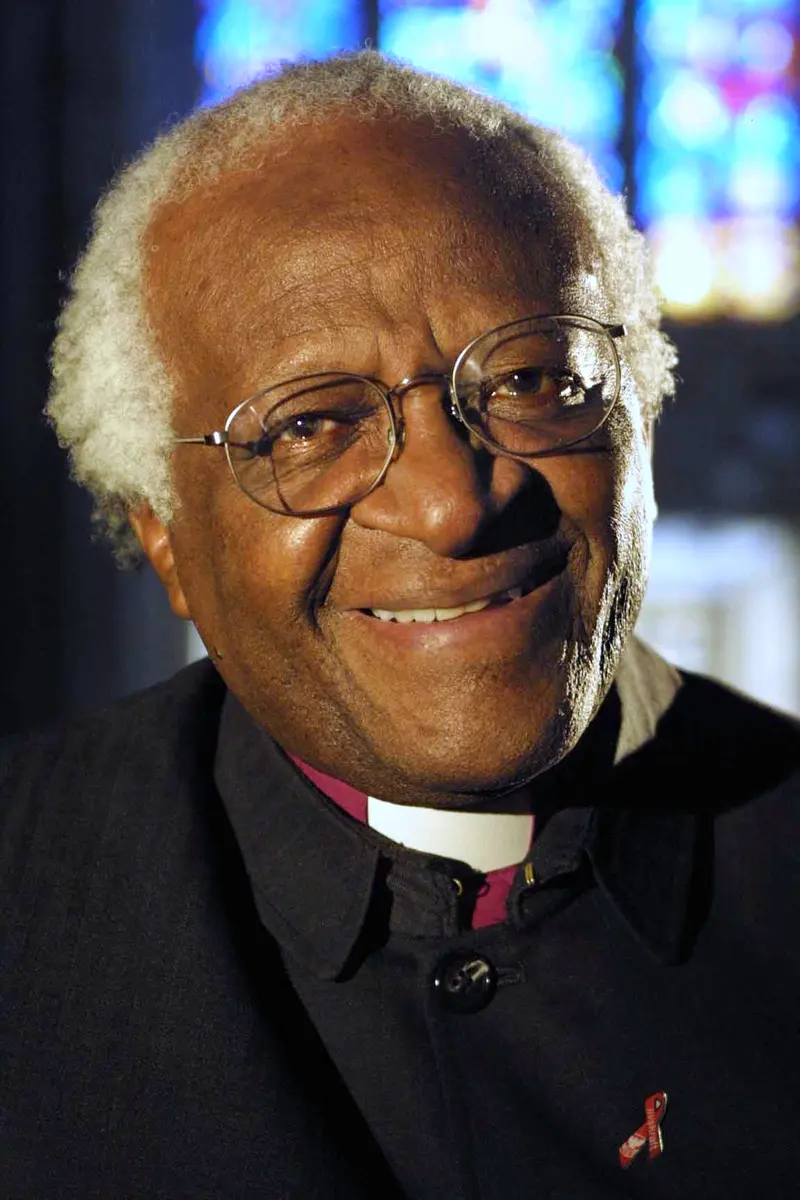
Archbishop Desmond Tutu is arrested at an anti-apartheid protest

South African archbishop Desmond Tutu was arrested along with about 100 other church leaders during a protest against apartheid in Cape Town. Apartheid was a system of laws in South Africa, from 1948 to 1994, that kept people of different races apart and gave white people the most power. Tutu was the first black African to become Archbishop of Cape Town and campaigned for human rights.

Photo of a smiling Archbishop Desmond Tutu with white hair and glasses, wearing a clerical collar
Archbishop Desmond Tutu Photo: Benny Gool, Public domain
2012 14 years ago

Work is finished on Tokyo Skytree, the world's tallest tower

Construction of Tokyo Skytree, a broadcasting and observation tower in Tokyo, Japan, was completed. It had reached its full height of 634 metres the year before, becoming the tallest tower in the world. Only two structures on Earth are taller: the Burj Khalifa and Merdeka 118. Broadcasting towers like this send out television and radio signals.

A very tall thin white tower rising high above the buildings of Tokyo under a clear blue sky
Tokyo Skytree in 2014 Photo: Kakidai, CC BY-SA 3.0
2020 6 years ago

Luxembourg makes public transport free for everyone

Luxembourg became the first country in the world to make public transport free across the whole nation. Free public transport means passengers do not pay any fares. Instead, it is paid for in other ways, such as by the government through taxes or by businesses as sponsors.

1924 102 years ago

The Victorian Football League created the Brownlow Medal to honour deceased administrator Charles Brownlow, now awarded to the "fairest and best" player in the Australian Football League.

Quick quiz

Every answer is somewhere on this page. Have a go, then check!

  1. In which year did this happen: “The Jay Treaty between Britain and the United States comes into force”?

    1. 1504
    2. 2012
    3. 1796
    Show the answer

    C: 1796. 1796 — that’s 230 years ago. Find it on the page

  2. In which year was Hannah Mills born?

    1. 1988
    2. 2012
    3. 1796
    Show the answer

    A: 1988. 1988 — that’s 38 years ago. Find it on the page

  3. Which of these happened first?

    1. The Jay Treaty between Britain and the United States comes into force
    2. Work is finished on Tokyo Skytree, the world's tallest tower
    3. Columbus uses a lunar eclipse to get food on Jamaica
    Show the answer

    C: Columbus uses a lunar eclipse to get food on Jamaica. 1796: The Jay Treaty between Britain and the United States comes into force · 2012: Work is finished on Tokyo Skytree, the world's tallest tower · 1504: Columbus uses a lunar eclipse to get food on Jamaica Find it on the page

  4. “Columbus uses a lunar eclipse to get food on Jamaica” happened in 1504. How many years ago was that?

    1. 522 years
    2. 512 years
    3. 532 years
    Show the answer

    A: 522 years. 2026 − 1504 = 522. Find it on the page

Born on this day 30

Famous people whose birthday is 29 February.

Remembering 16

Well-known people who died on 29 February.

Special days 4

Festivals, holidays and saints’ days celebrated on 29 February somewhere in the world.

For older readers 12 Show stories about war, disasters, crime and other difficult history

Content note: these entries mention things like war, violence, deaths, disasters or crime. They are part of history, but they can be upsetting. Grown-ups and teachers: you may want to read them first. They come straight from Wikipedia and have not been rewritten for children.

Where these facts come from

Stories with a heading have been written for young readers by A Day in the Past, using the linked articles as sources. Other entries show text from Wikipedia’s “February 29” page and its “On this day” feed, written by Wikipedia contributors and shared under the Creative Commons Attribution-ShareAlike 4.0 licence. Each “Read more” link goes to the article an entry is based on. Photos are credited under each picture. Spotted a mistake? Please tell us.